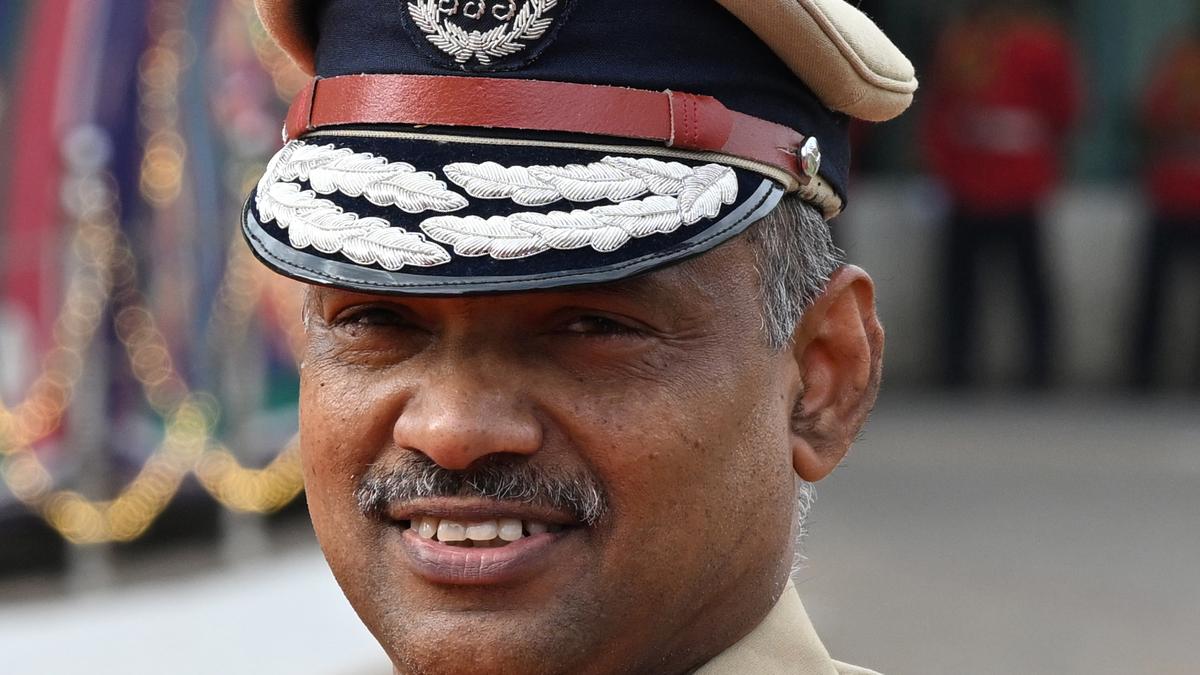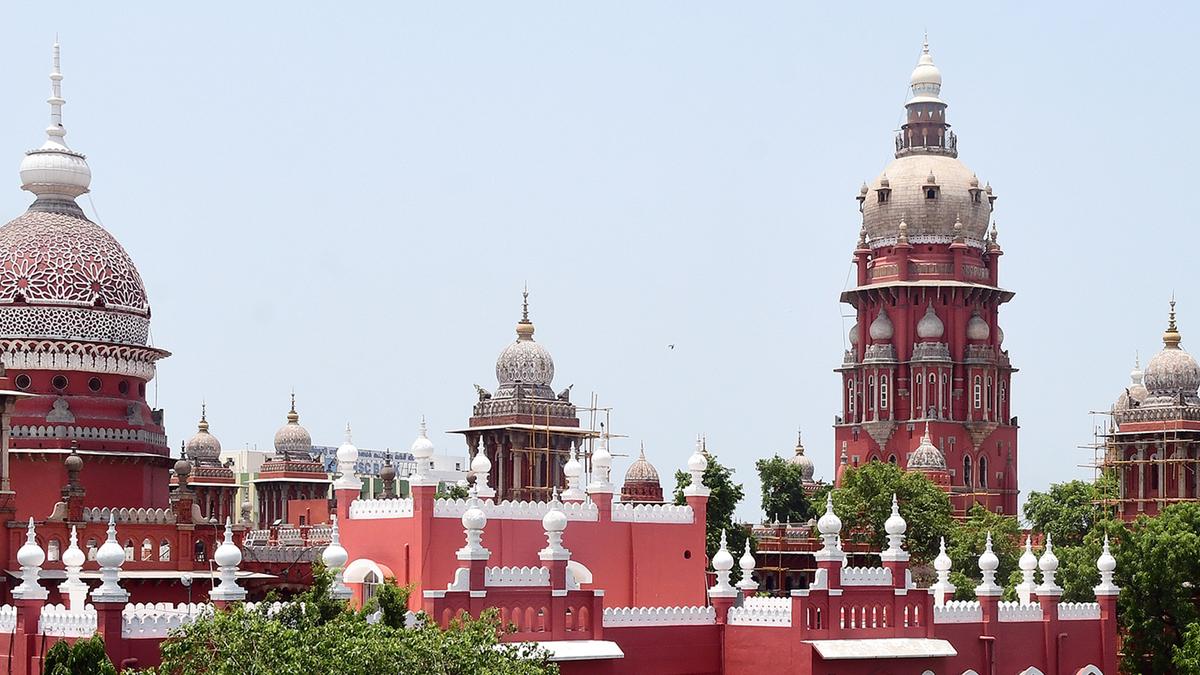
The Madurai Bench of the Madras High Court has set aside an order passed by the Principal Sessions Judge, Thanjavur, against the then Thanjavur Superintendent of Police, Ashish Rawat. The court also quashed connected proceedings against the official.An advocate, T.S. Karthikeyan, had filed a complaint against Mr. Ashish Rawat before the Principal Sessions Court, Thanjavur. He had sought a direction to the Directorate of Vigilance and Anti-Corruption to register a case and investigate his complaint.The advocate alleged that the then SP misused his official position, cut and removed teak trees worth several crores for his personal benefit without obtaining any prior permission from the State government or the Forest Department. He also alleged that the IPS officer misappropriated several crores of rupees from the account of the police welfare society and put up construction works without permission.The Principal Sessions Judge forwarded the complaint to the DVAC with a direction to register the FIR against Mr. Ashish Rawat and to file a final report. The DVAC and the State filed petitions challenging the court direction and the connected proceedings.Justice B. Pugalendhi said it was a settled law that the court could not direct the registration of the FIR and investigation in a mechanical manner under Section 175(3) of the BNSS.However, a perusal of the court order revealed that the complaint against the IPS officer had been entertained by the Sessions Judge in a casual manner under Section 175(3) of the BNSS without even ascertaining the materials, if any, relied upon by the complainant.The court said the statute provided protection to public servants under Section 17A of the Prevention of Corruption Act and Section 175(4) of the BNSS. Without ensuring compliance with any of the provisions and hearing the public servant concerned, the Principal Sessions Judge had passed the order in a mechanical manner and allowed the application on the very first date of hearing.The court set aside the order passed by the Principal Sessions Judge and quashed the connected proceeding to constitute a committee and delegate the powers to inspect the place of occurrence to it. It was the Magistrate concerned who had to undertake such local inspection and the provision did not allow the court to appoint a committee for conducting a local inspection, the court said. Published - June 09, 2026 10:10 pm IST
High Court gives relief for IPS officer
The Madurai Bench of the Madras High Court has set aside an order passed by the Principal Sessions Judge, Thanjavur, against the then Thanjavur Superintendent of Police, Ashish Rawat. The court also quashed connected proceedings against the official.
385 words~2 min read