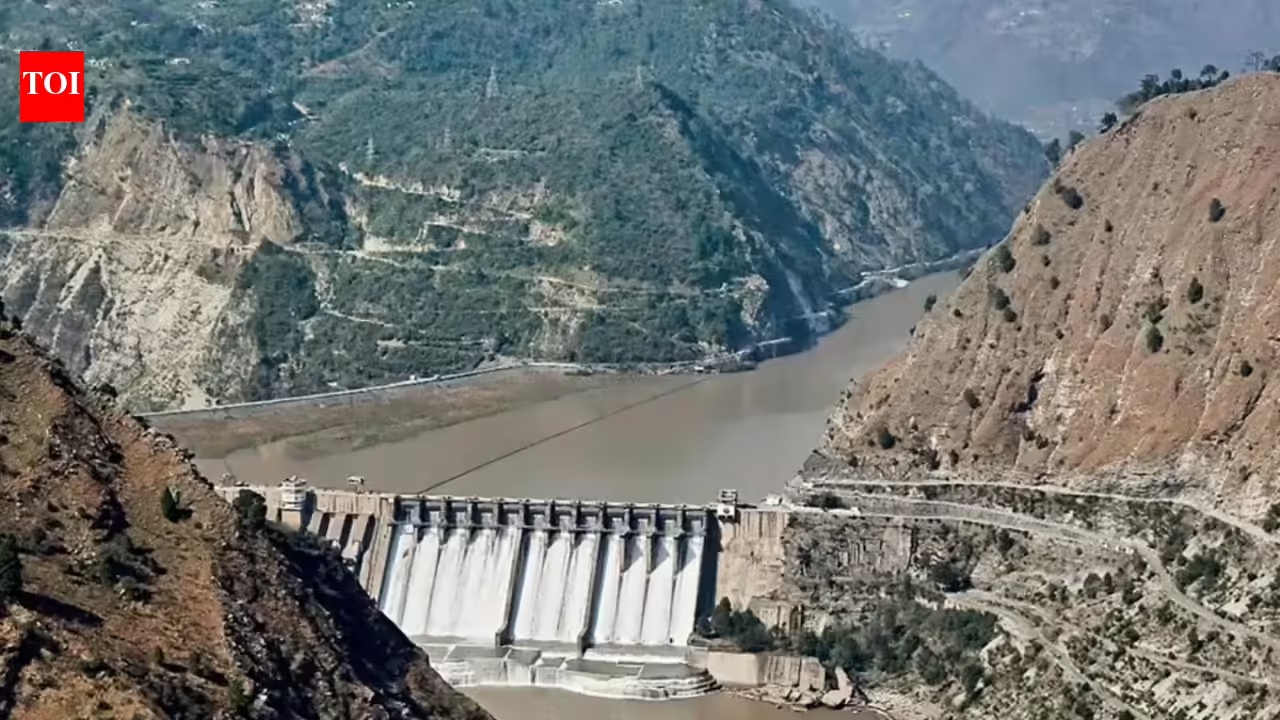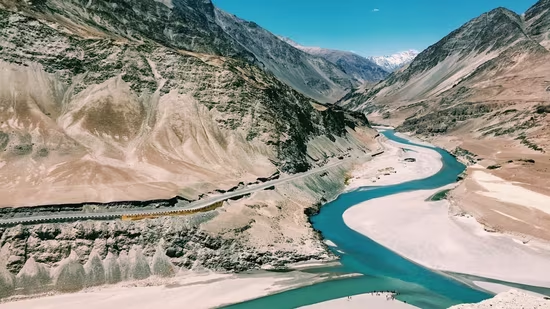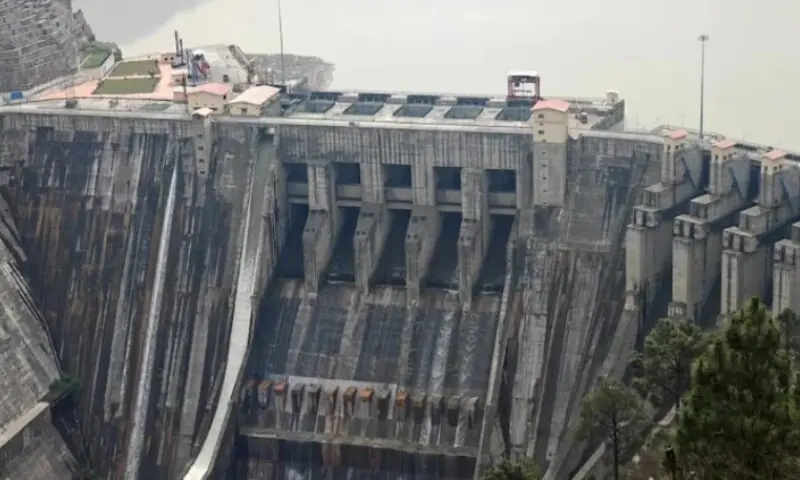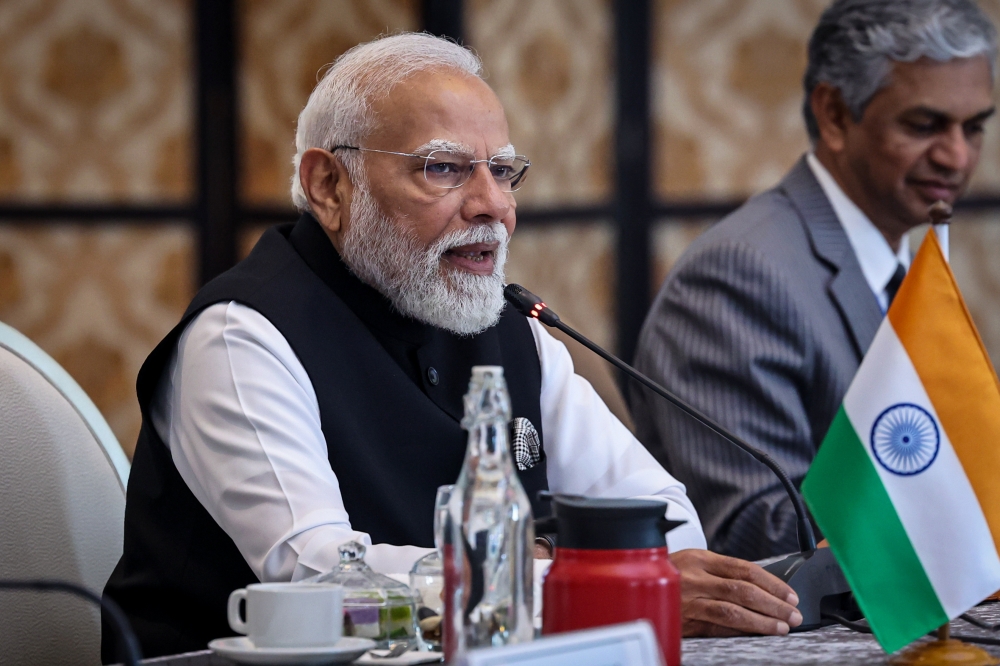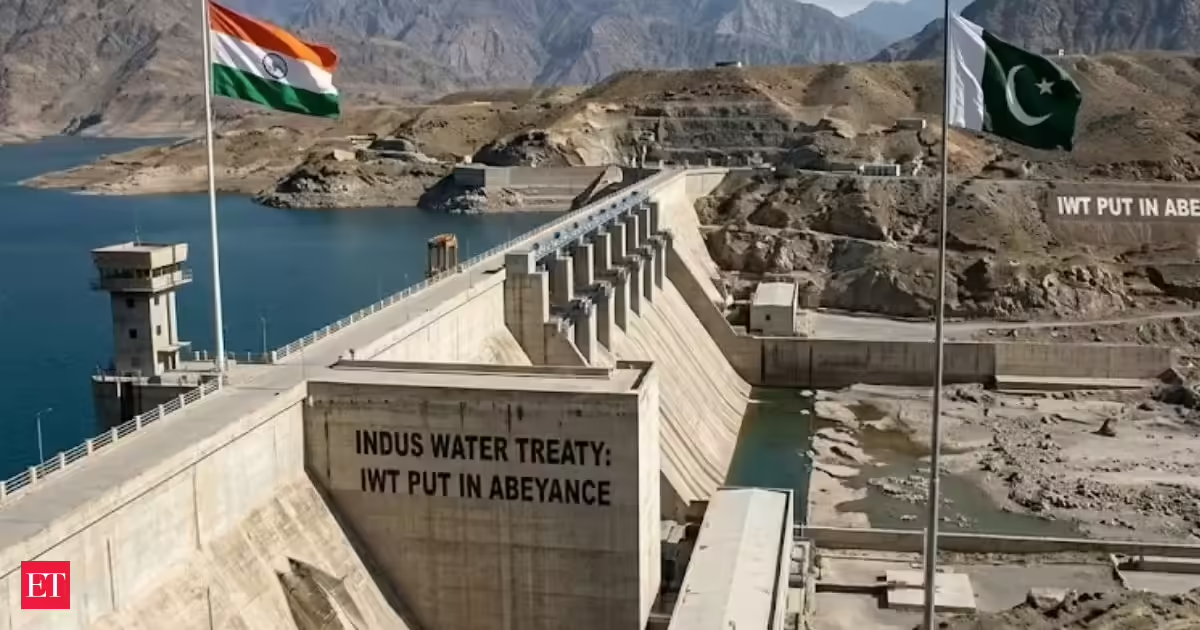
Union Jal Shakti Minister C.R. Patil on Tuesday said the Narendra Modi government is working to ensure that Pakistan does not receive water from the Indus river system in the coming years, reports ANI.Patil said the Indus Waters Treaty has not been terminated but has been placed in abeyance, adding that efforts are underway to stop water from flowing across the border."Since Prime Minister Modi took this decision, every effort is being made to ensure not a single drop flows there," he said.— ANI (@ANI) Government monitoring issue closelyThe minister said the matter is being monitored at the highest levels of government and that work is progressing under a defined timeline.Patil told ANI that Union Home Minister Amit Shah is personally overseeing developments under the Prime Minister's directions.He expressed confidence that the government's objective would be achieved, stating that no water would flow to Pakistan from the Indus system in the coming years.Remarks follow suspension of treatyPatil's comments come amid heightened tensions between India and Pakistan following the Pahalgam terror attack and New Delhi's subsequent decision to place the 1960 Indus Waters Treaty in abeyance.The treaty governs the sharing of waters from the Indus river system between the two countries.India rejects arbitration court's authoritySeparately, the Ministry of External Affairs recently reiterated its rejection of the authority of the Court of Arbitration constituted under the treaty.Responding to a recent ruling on the "maximum pondage" issue, MEA spokesperson Randhir Jaiswal said India considers the tribunal to have been constituted illegally and does not recognise its decisions."India categorically rejects the present so-called award, just as it has firmly rejected all prior pronouncements of the illegally constituted CoA," Jaiswal said.He added that any proceedings, awards or decisions issued by the tribunal were regarded by India as "null and void".Dispute linked to hydropower projectsIndia has consistently maintained that the arbitration mechanism was established in violation of the treaty framework.The government has also challenged the tribunal's jurisdiction in disputes related to the Kishenganga and Ratle hydropower projects in Jammu and Kashmir.Water concerns grow in PakistanMeanwhile, concerns over water availability have increased in Pakistan.Karachi is currently facing a severe water shortage, with reports indicating that nearly 70 per cent of the city is experiencing supply disruptions.Political leaders in Pakistan have attributed the crisis to administrative shortcomings, while uncertainty continues over future water flows under the Indus river system.
IWT treaty: Centre says not a single drop of water will go to Pakistan as it formulates plans to stop flows
India is taking steps to ensure Pakistan receives no water from the Indus river system in the coming years. Union Jal Shakti Minister C.R. Patil stated the Indus Waters Treaty is in abeyance. Efforts are underway at the highest government levels to halt water flow across the border. This development follows heightened tensions and India's rejection of arbitration court rulings.
391 words~2 min read