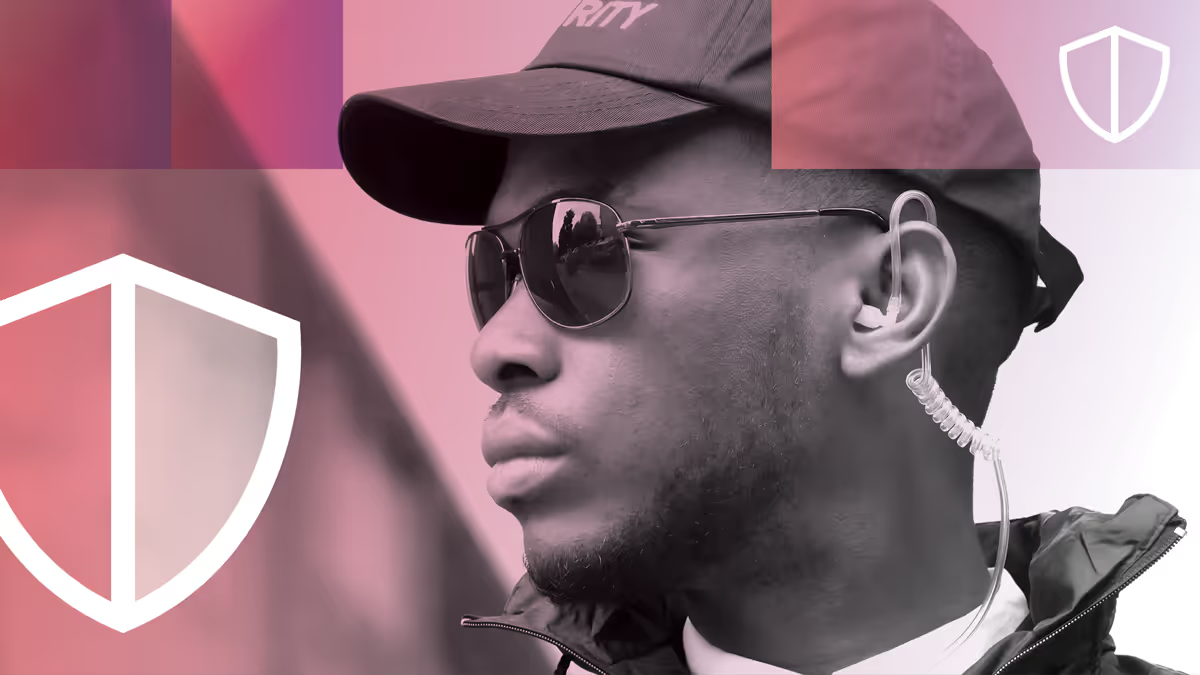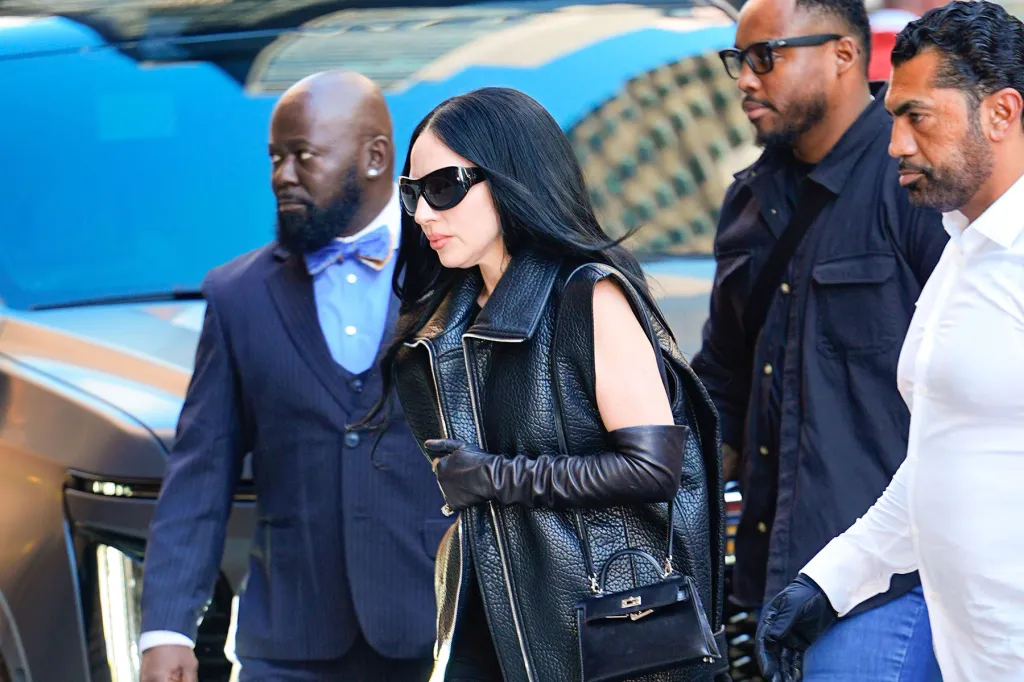
In a bland office building in an unremarkable business park in a sleepy part of Los Angeles, a team of information specialists sit at their desks and protect some of the world’s most famous people.
Around them hums a command center of TV and computer screens displaying CNN, MSNBC, FOX News, weather forecasts, real time traffic maps and footage from security cameras trained on private and retail properties. On this normal Wednesday morning, each member of the team — which includes attorneys, PhDs and a woman who speaks five languages — sits at a computer, reviewing documents, scanning social accounts, reading news and ultimately synthesizing this Mission: Impossible episode’s worth of data to determine if there are any threats to the stars they’re contracted to keep safe.
Related
Stalkers and worse have always haunted pop culture, with countless musicians taking out restraining orders against the lurkers in their orbit, and luminaries like John Lennon, Selena and Pantera’s Dimebag Darrell being murdered by deranged fans. Social media has since made safety infinitely more complicated, as artists are urged to use platforms to connect with fans and build brands, which in turn makes us feel like we know them. This is at once a goal and a risk multiplier, intensifying perceived connections and allowing anyone with Wi-Fi to make a threat.