AFP, BERLIN
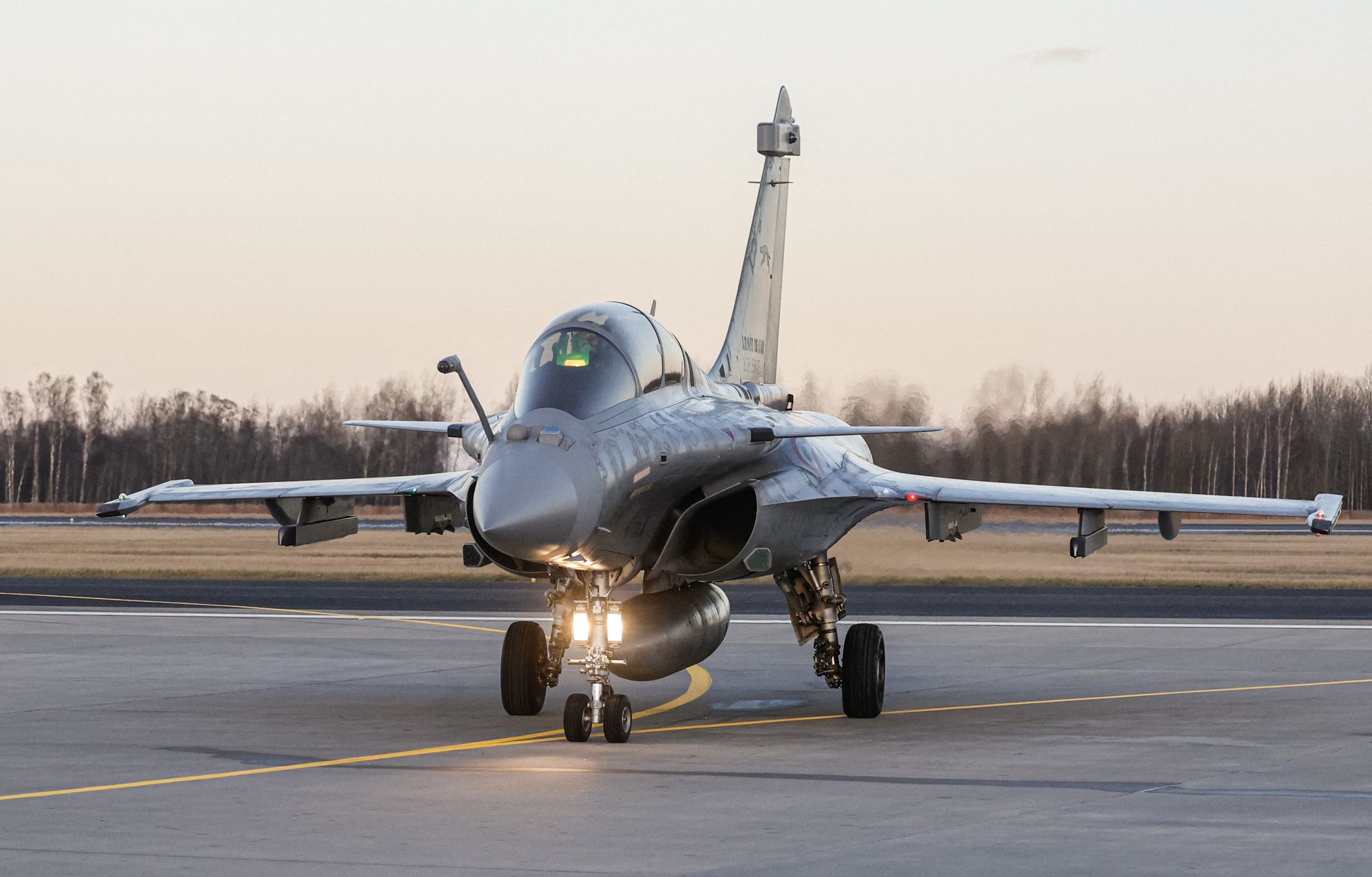
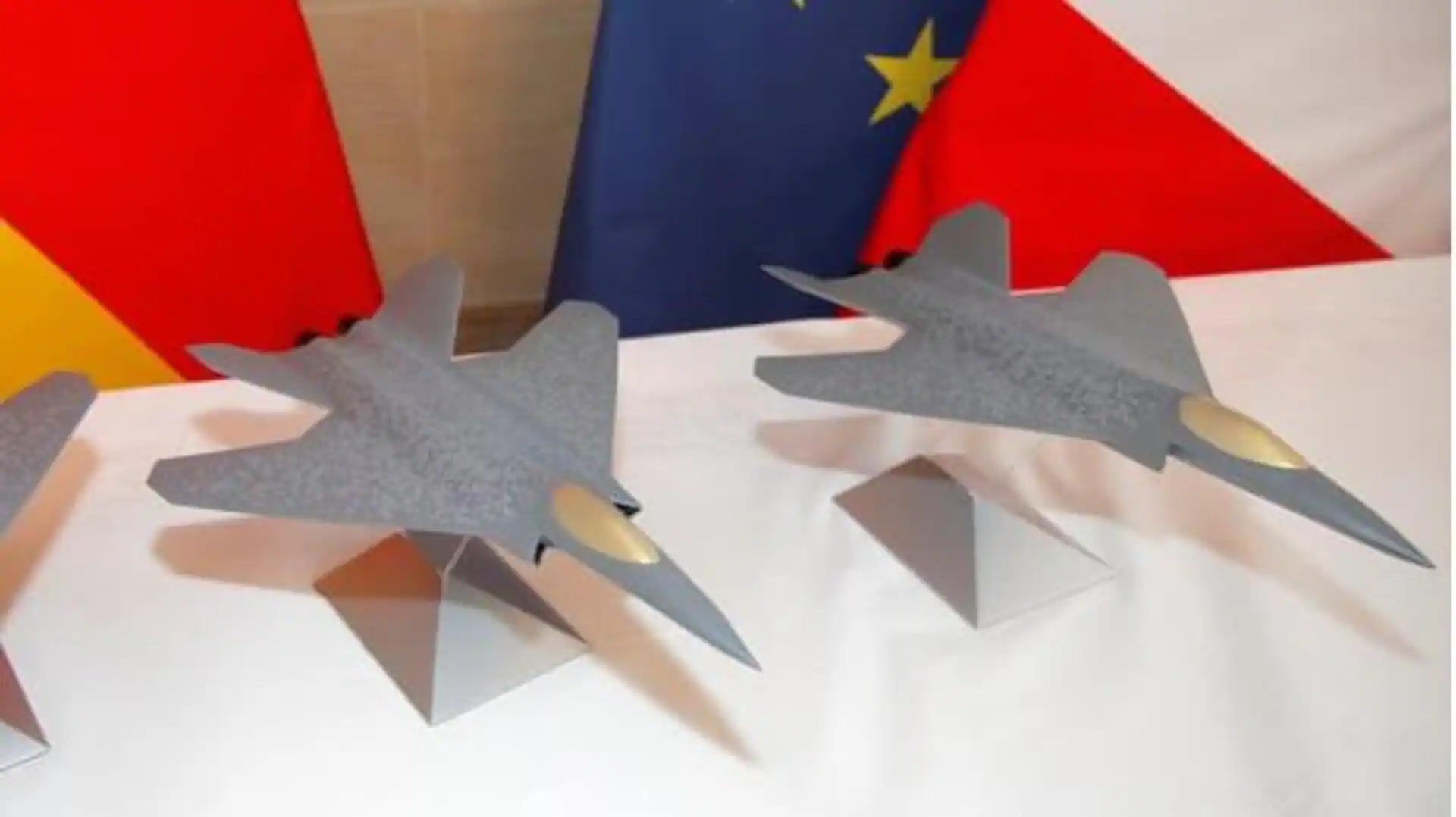
France and Germany on Monday said they had agreed to abandon a joint fighter jet program due to disagreements between the companies involved, in a blow to European efforts to boost defense cooperation. The Future Combat Air System (FCAS) program was launched in 2017 to replace France’s Rafale jets and the Eurofighter planes used by Germany and Spain. The project was seen as a key test of European efforts to work more closely on defense as they seek to present a united front in the face of a hostile Russia at a time of souring ties with the US. However, the multi-billion-dollar program was beset by disagreements between the firms involved — France’s Dassault Aviation and Airbus, which represents Germany and Spain.
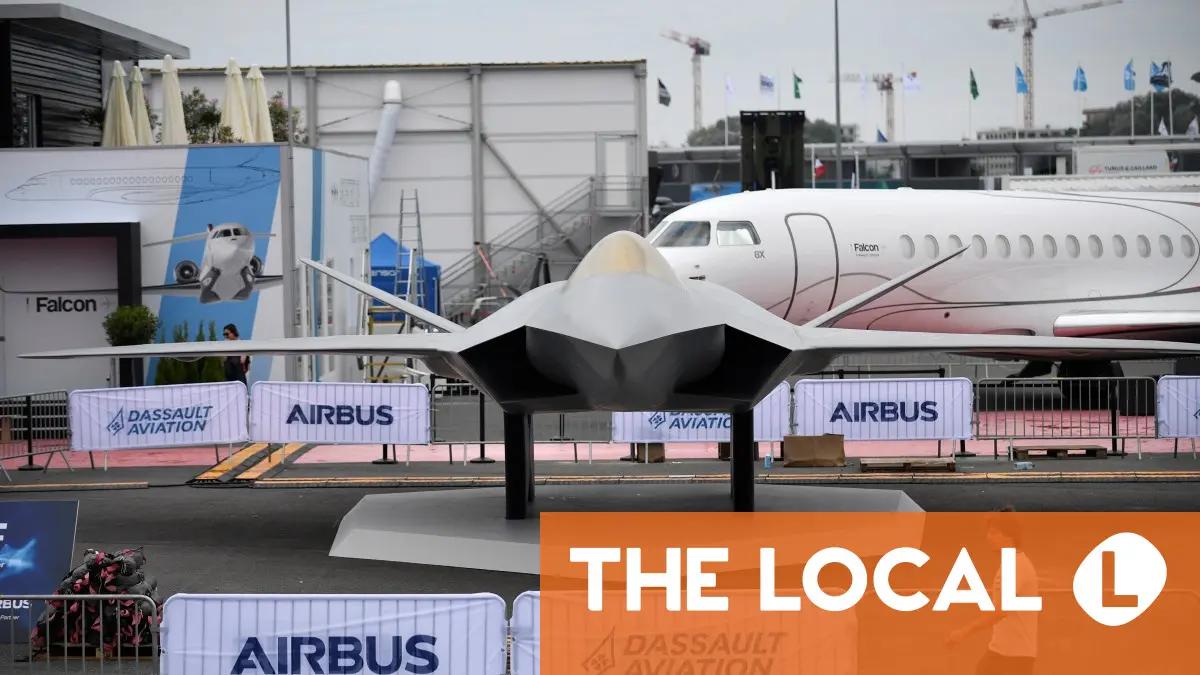
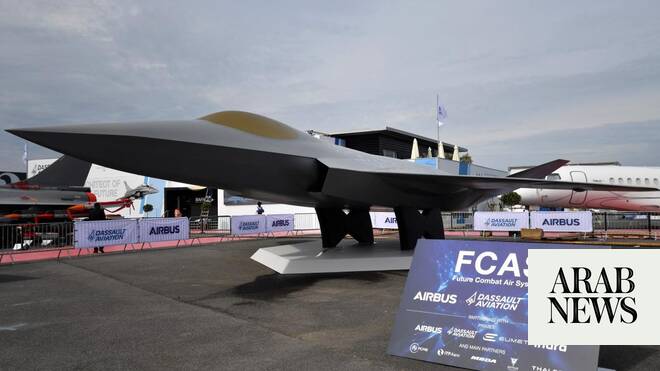
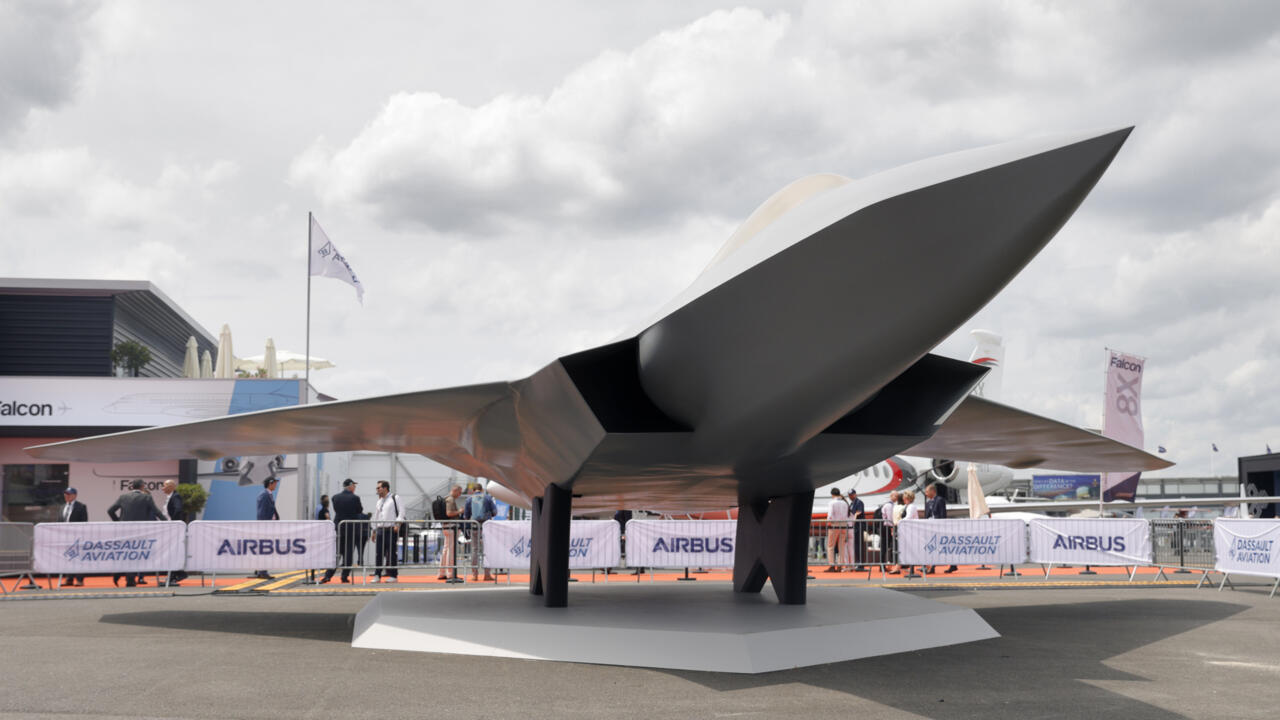
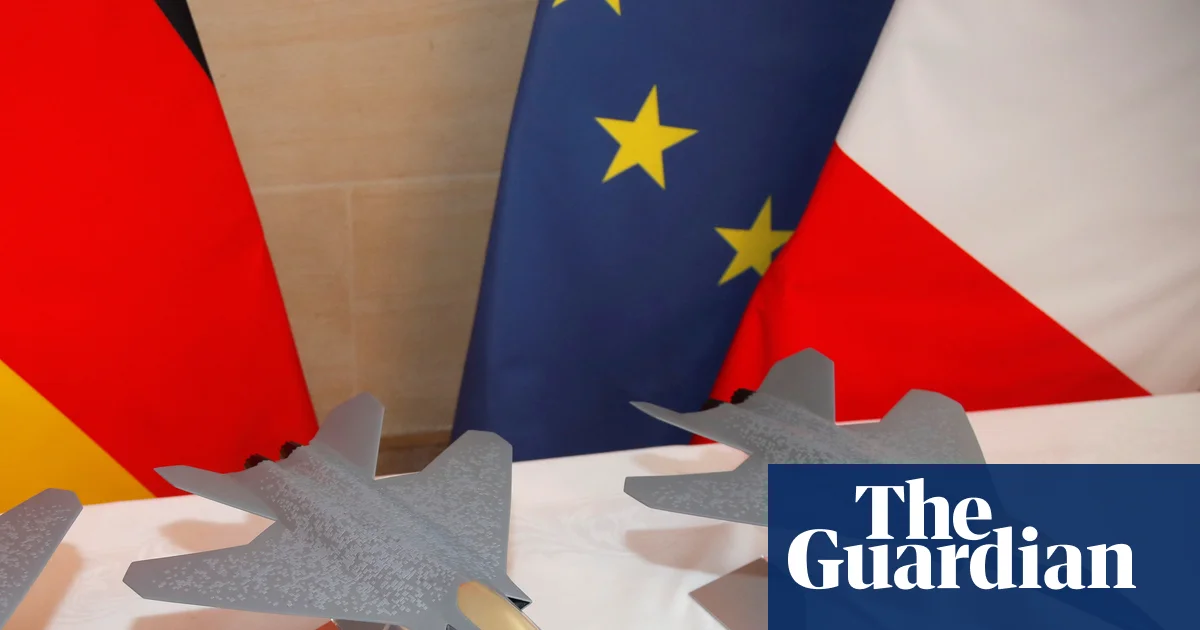
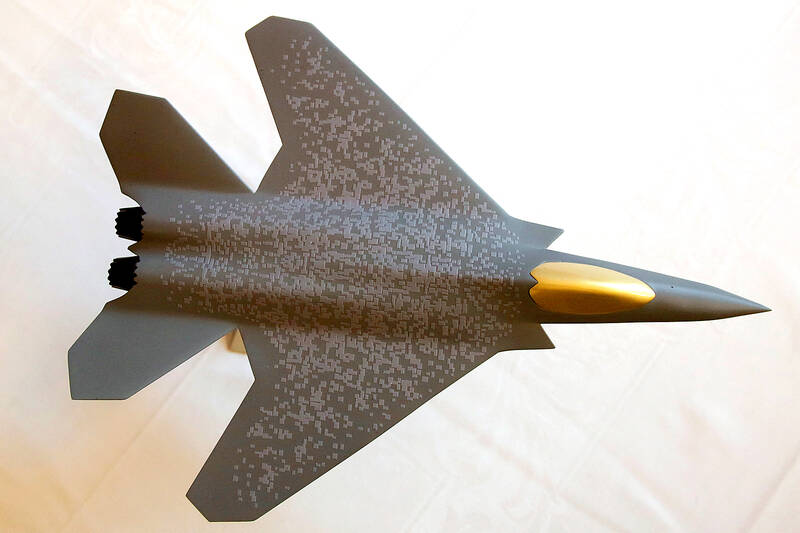
A scale model of the Future Combat Air System (FCAS), Europe’s next-generation fighter jet, is pictured in Paris on Feb. 20, 2020.
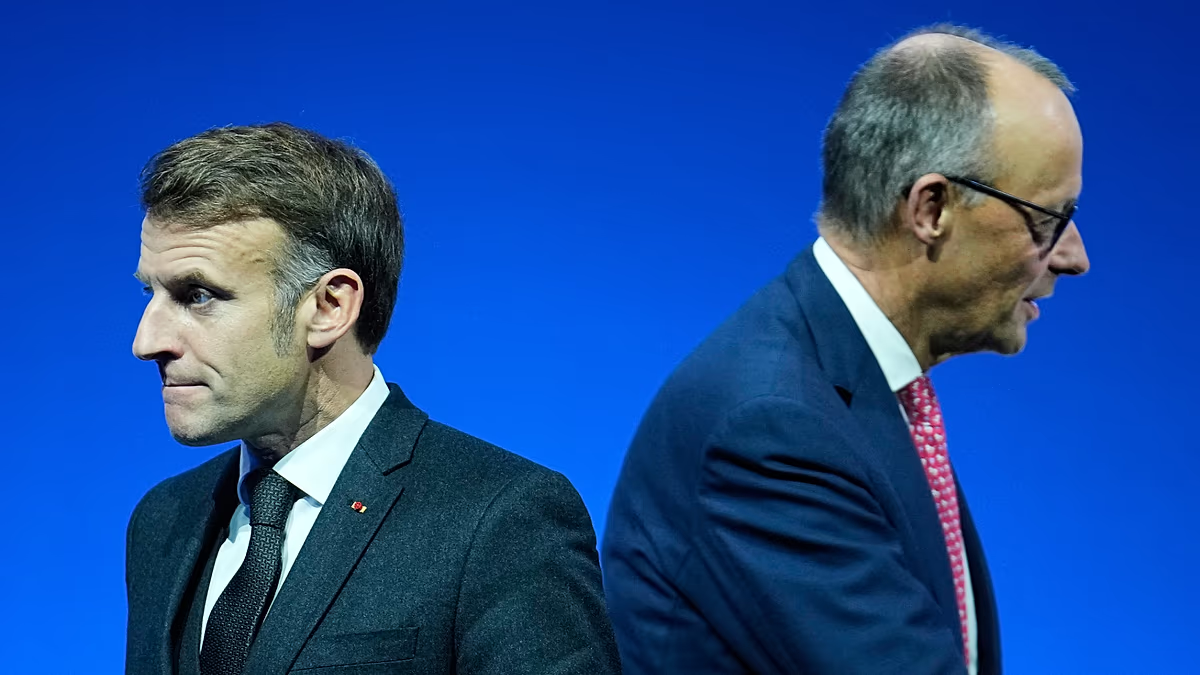
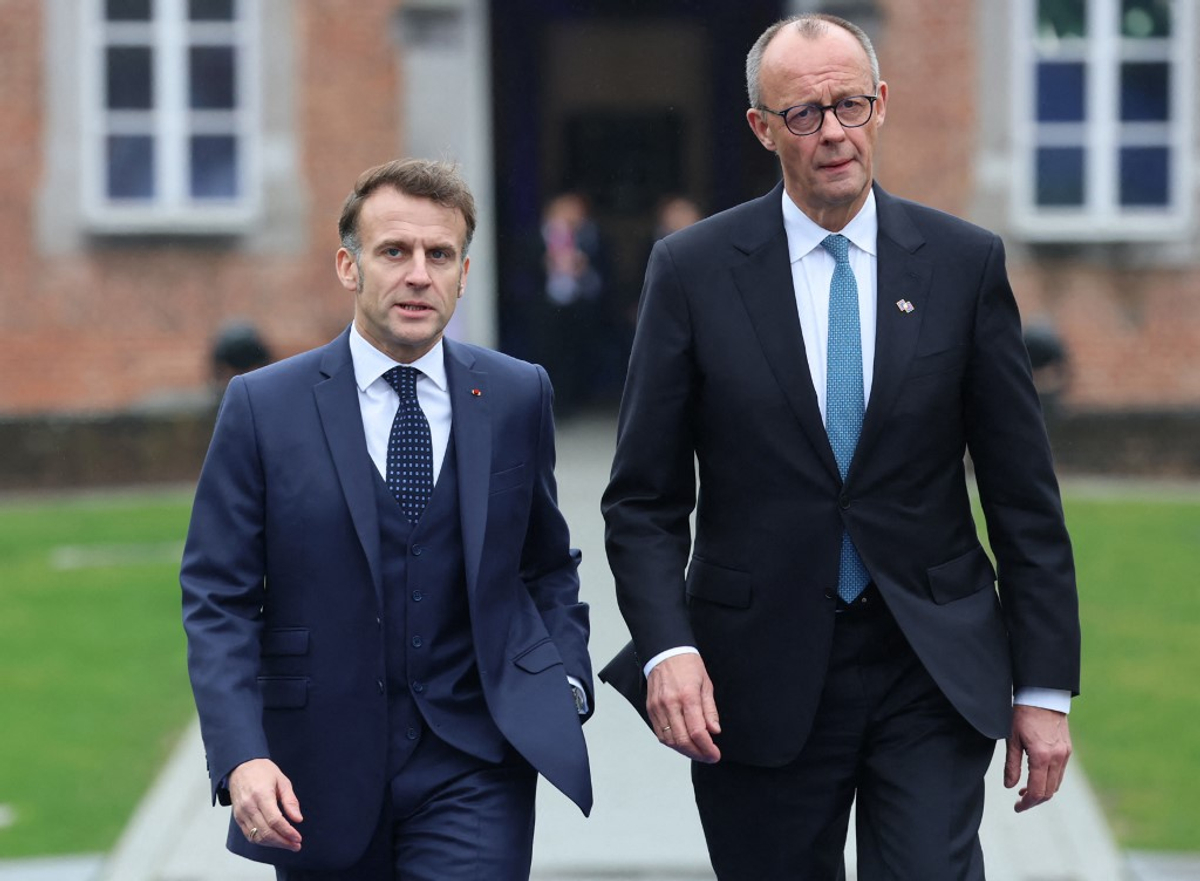
A German government official said that German Chancellor Friedrich Merz and French President Emmanuel Macron had “reached the shared assessment that the companies will not be able to come together on building a joint combat aircraft.” “They acknowledge this reality,” the official said.
However, they said other parts of the wide-ranging project will continue. “The actual core of FCAS is to be continued as a European system,” the official said, describing it as a “nervous system that networks aircraft, drones and other components into an integrated whole.” The French and German defense ministries are set to draw up a plan for defense cooperation “focused on a few realistic and relevant projects” at a forthcoming meeting, the official added. In Paris, am Elysee official confirmed Berlin’s announcement. Macron and Merz “held lengthy and frequent discussions on ways to advance this project, which is important for European defense,” the official said, speaking on condition of anonymity. “They each expressed regret over the inability of the industrial partners to reach an agreement on continuing the project,” the official added. The Elysee official said France believed that defense and security cooperation between the two countries was necessary. “The French authorities will continue to encourage our companies and our armed forces to seek out the ways and means to pursue ambitious European projects that are consistent with our national security interests.” Cedric Perrin, chief of the foreign affairs and defence committee at the French Senate, said that Macron “was the only one who still believed in the survival of FCAS.” “The sooner the decision is made, the less time we will waste moving on to the next phase,” he said. Airbus and Dassault were not immediately available for comment.