Bloomberg
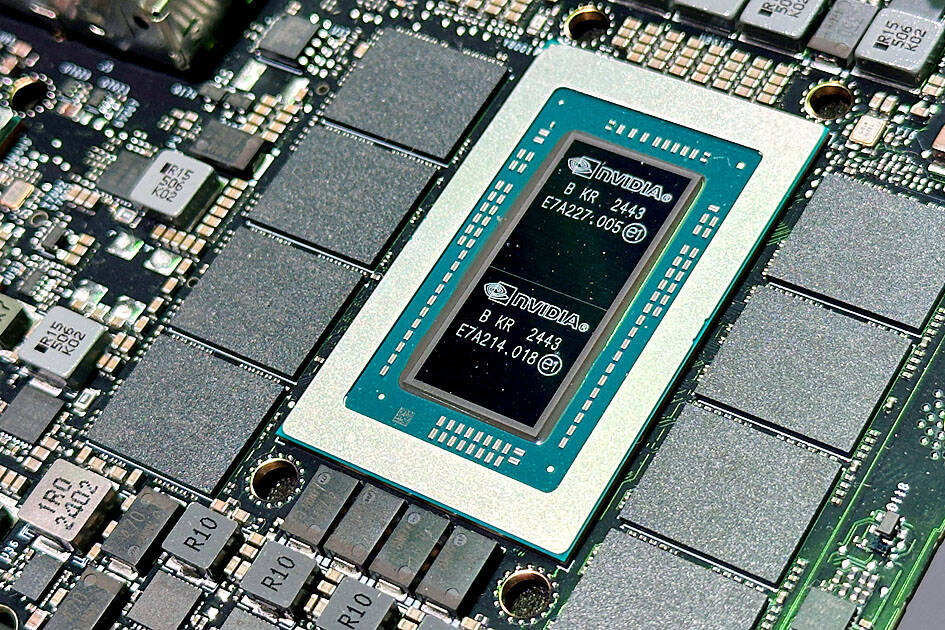
Taiwanese authorities are considering much stricter export controls on artificial intelligence (AI) chip sales to China to further align with US measures, according to people familiar with the matter, an effort to address semiconductor smuggling that risks drawing a rebuke from Beijing.The idea is to give authorities more legal tools to address diversion of advanced hardware, like AI servers with Nvidia Corp chips, from Taiwan to China. Such sales are already banned under US regulations unless companies get Washington’s permission, per curbs the US first imposed in 2022 to prevent Beijing from using advanced Nvidia processors to gain a military edge.Taiwan, however, doesn’t consider unauthorized AI chip exports to China to be a crime. While Taiwanese authorities do warn the potential sellers that they may be breaking US rules should they proceed, the only legal recourse through the island’s courts is to charge suspected smugglers with violations of other, existing local laws.
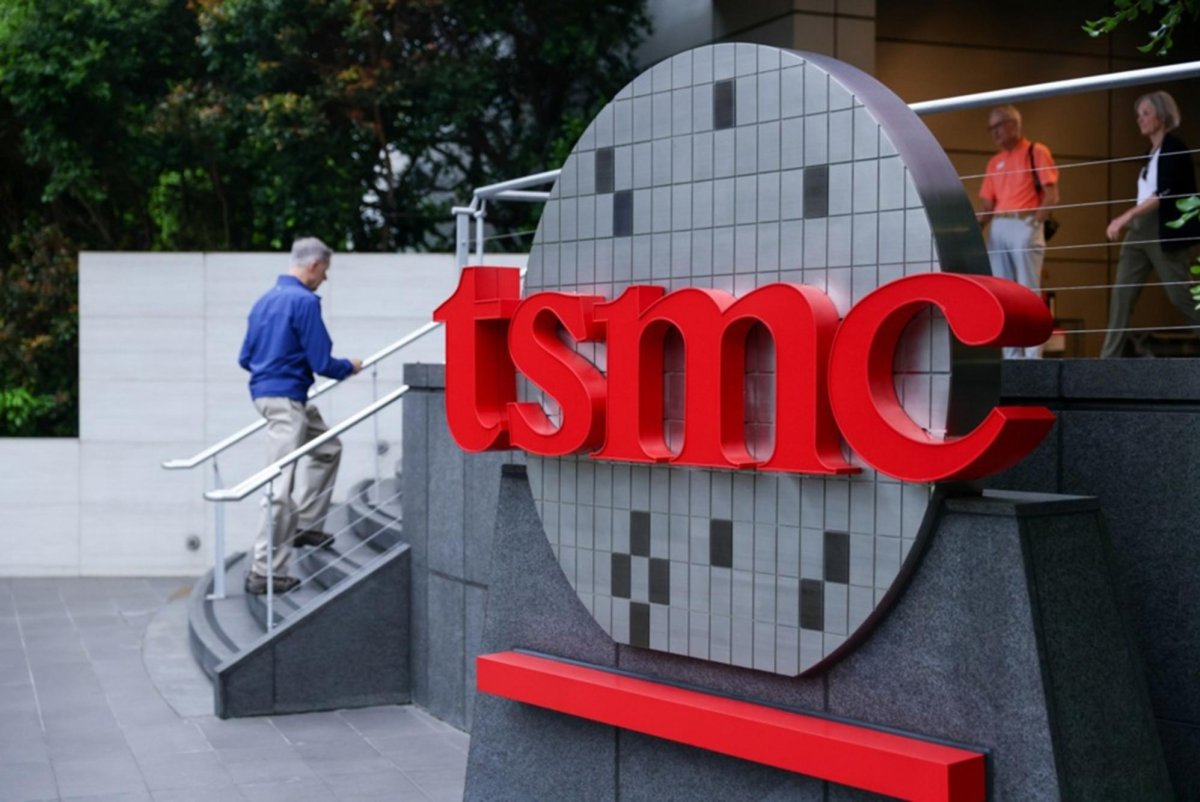
An image of an electronic wafer is displayed at the Taiwan Semiconductor Manufacturing Co’s Museum of Innovation in Hsinchu City on Nov. 21, 2024.
This can be a harder bar to meet, narrowing the scope of cases Taiwan can currently pursue. Taiwanese authorities made their first known detentions of alleged chip smugglers last month, on charges of falsifying documents.But now, as part of ongoing trade talks with the US, Taipei officials are considering imposing much stronger AI chip controls that would restrict sales to all customers in China, not just specific companies on an export blacklist that includes the likes of Huawei Technologies Co (華為), said the people, who requested anonymity to discuss a sensitive matter. That would enable Taiwan to prosecute AI chip smuggling to China as a criminal violation for the first time.