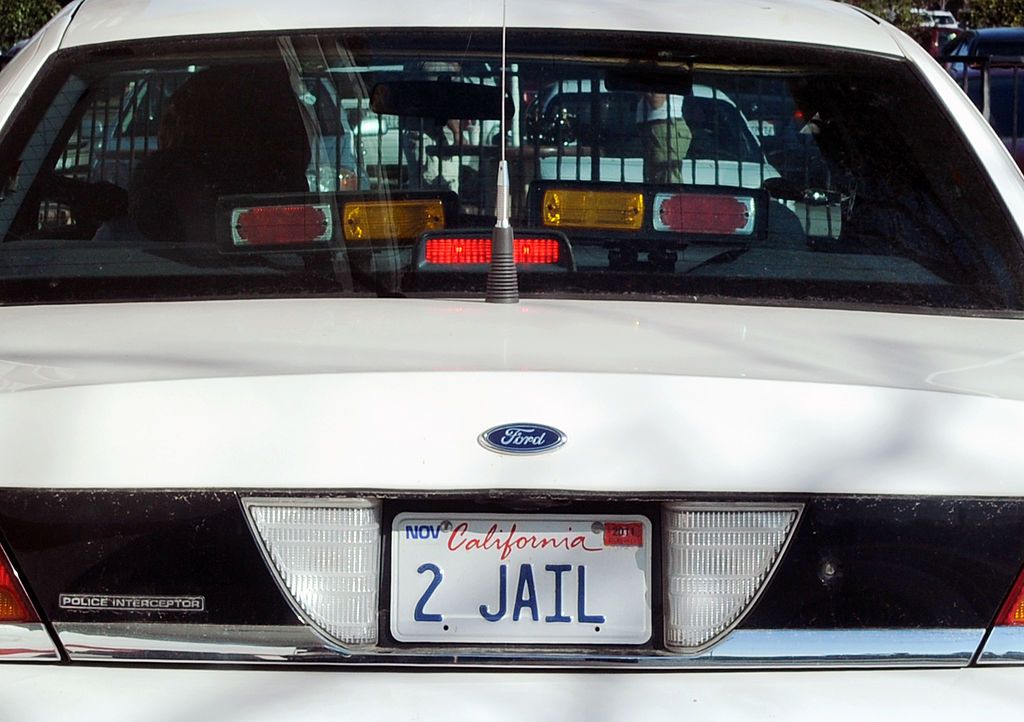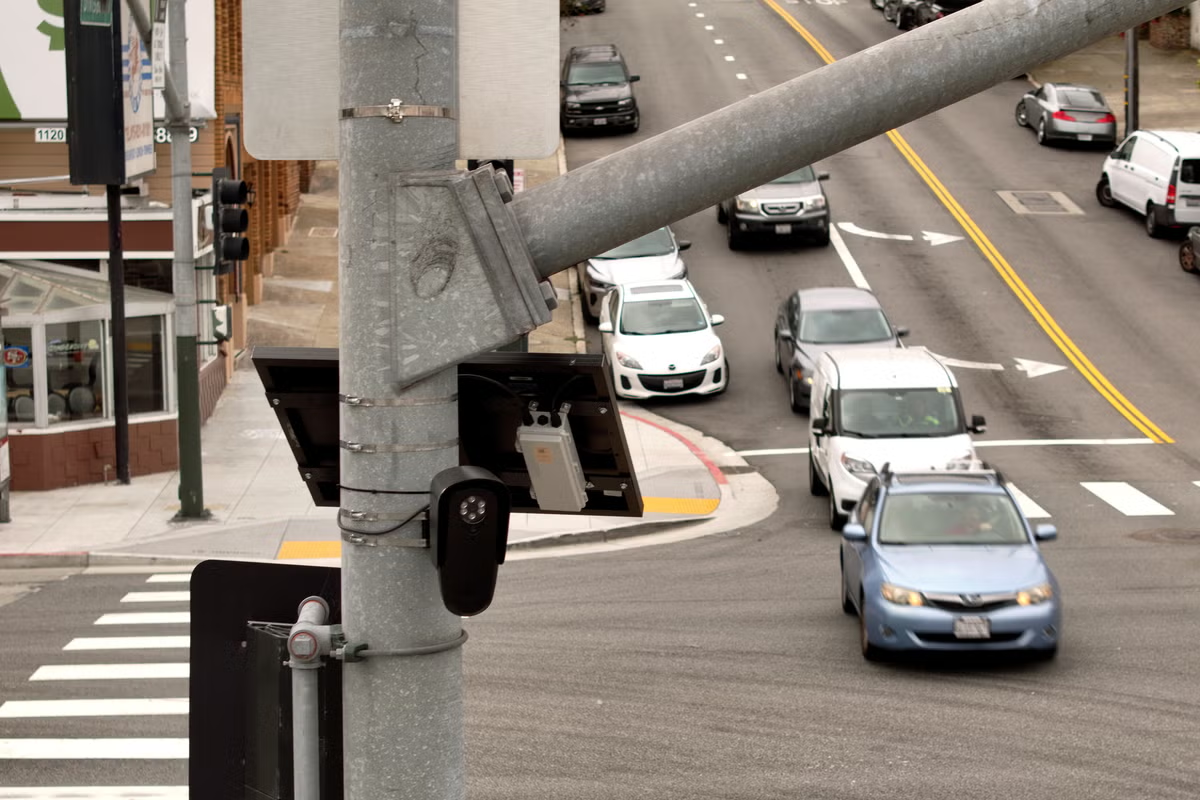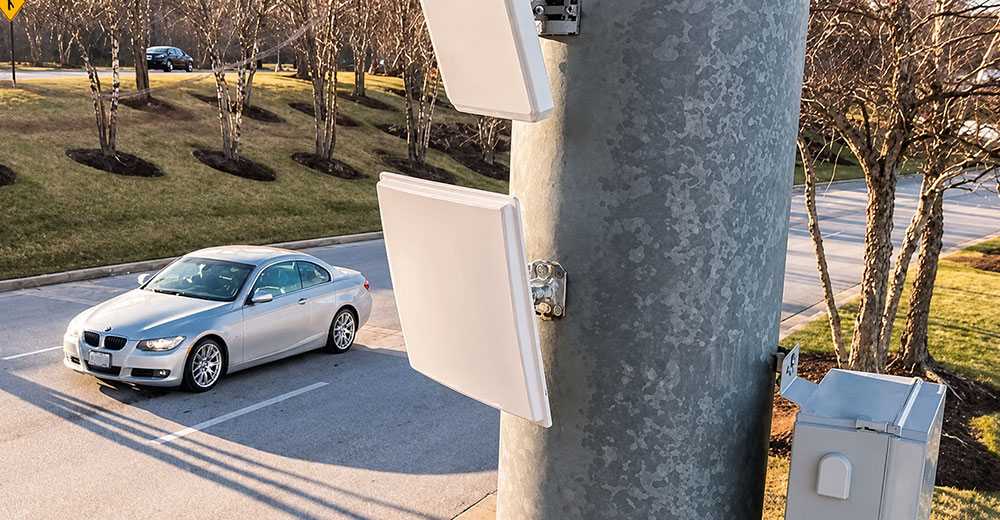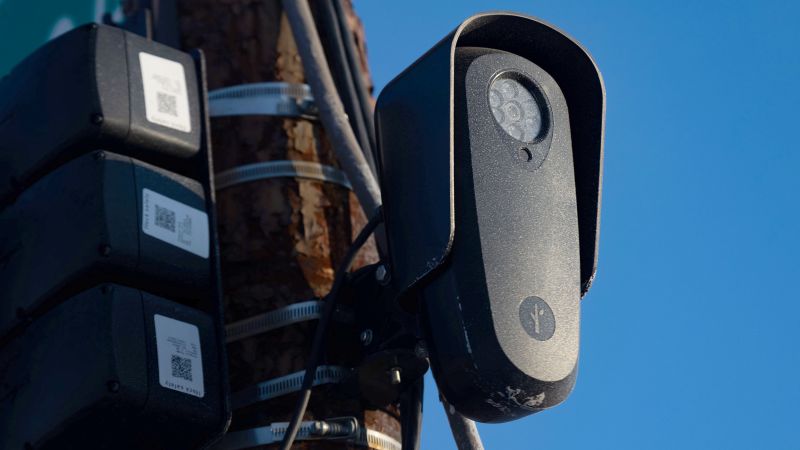
Once the use of a surveillance technology is permitted for emergency purposes only, it is only a matter of time before it is used for purposes that fall well outside any rational definition of an emergency.Take automatic license plate readers, or ALPRs, for instance. All across the country, these surveillance cameras capture time-stamped data for passing vehicles (e.g., license plate number, location, color, bumper stickers, items in the back seat), then transfer that information to a searchable nationwide database. Subsequently, law enforcement can then track the movements of individuals or vehicles suspected of being involved in a crime. Yet, given how the technology works, the day-to-day movements of millions of innocent, law-abiding citizens are also captured and stored, which may sound trivial until you realize this entails not only when you went to the grocery store but also what doctors or attorneys you see, what churches or political protests you attend, and when you last visited the home of a romantic partner.
Law enforcement, when pressed to defend the technology at town halls or by local media, generally downplays perceived threats to privacy, assures concerned citizens that officers won’t be looking into their day-to-day habits unless they’re criminals, and insists ALPRs are a helpful, if not essential, tool for responding to emergency situations and solving serious crimes.