This Reading Room is a collaboration between MedPage Today® and:
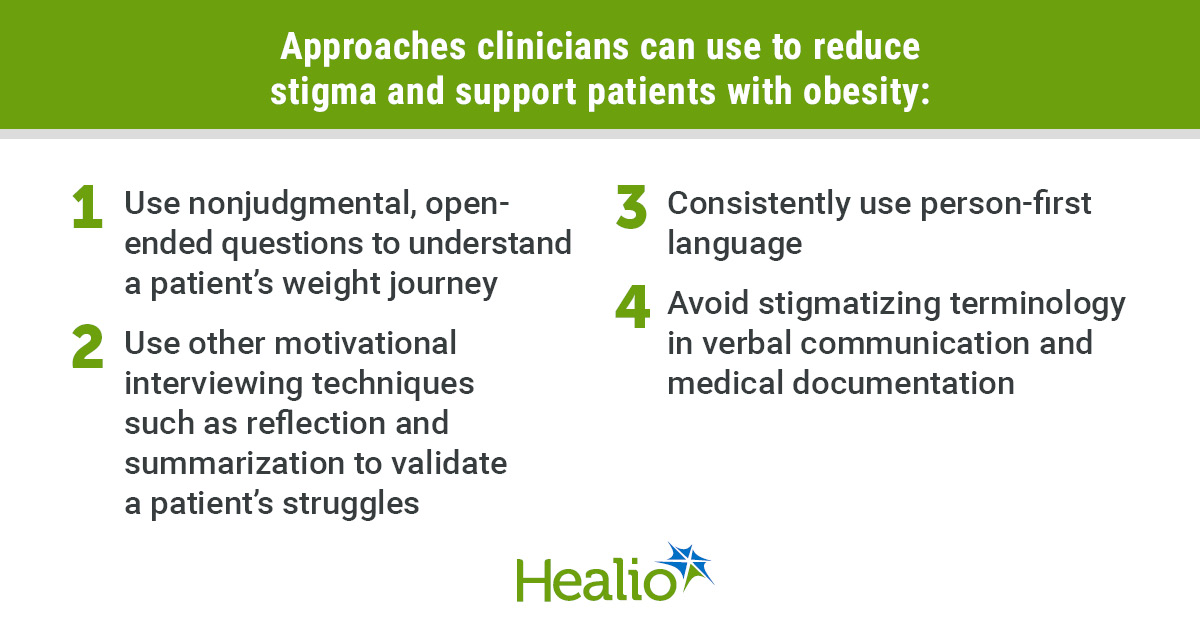
Weight bias continues to be pervasive and associated with a wide range of suboptimal outcomes, including misdiagnosis, delays or avoidance in seeking healthcare, and even denial of services.
In a recent study in Obesity Pillars, Stephanie L. Albert, PhD, MPA, of NYU Grossman School of Medicine in New York City, and colleagues explored the influence in individuals with overweight and obesity and the clinicians they turn to for help. "Addressing weight bias in healthcare is a public health priority as it is associated with the quality of care and outcomes for individuals living in larger bodies," the researchers concluded.
Moreover, interventions to address weight bias may further the adoption of health-promoting behaviors, including better use of healthcare without fear of bias and judgement, and ultimately contribute to better population health and reduced health inequalities.
The study quantitatively described the relationship between experiences of weight bias and eating behaviors in patients in a lifestyle medicine program as well as healthcare providers' insights about weight bias. A total of 109 patients participated -- 67% of the total were women, mean age was 53, and 59 said they had experienced weight bias.