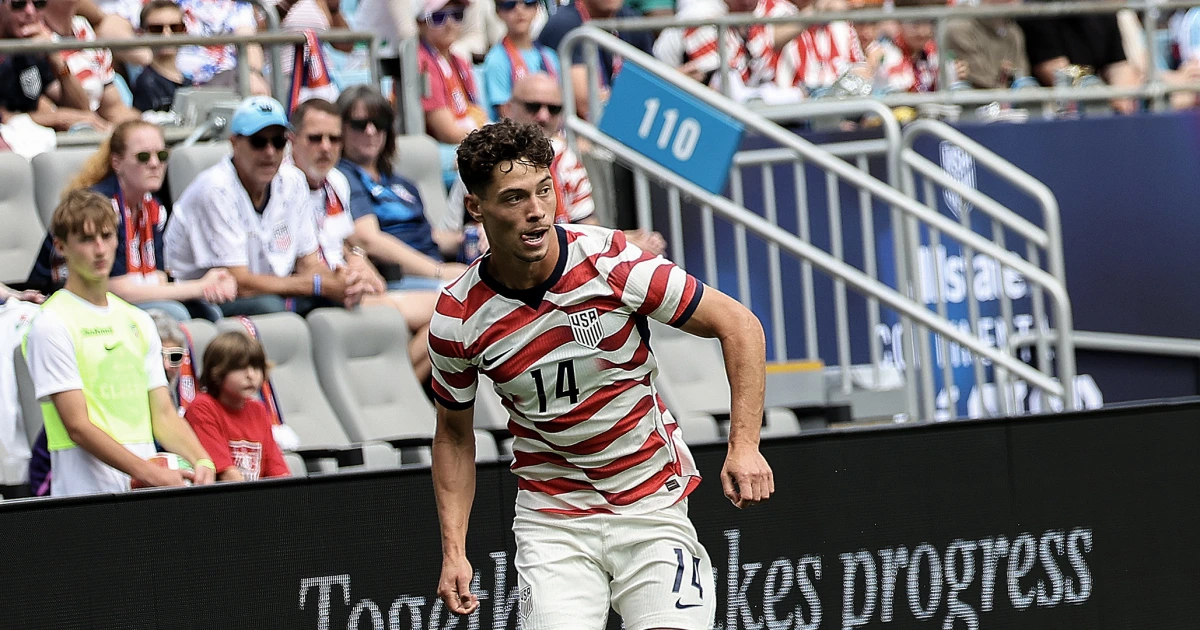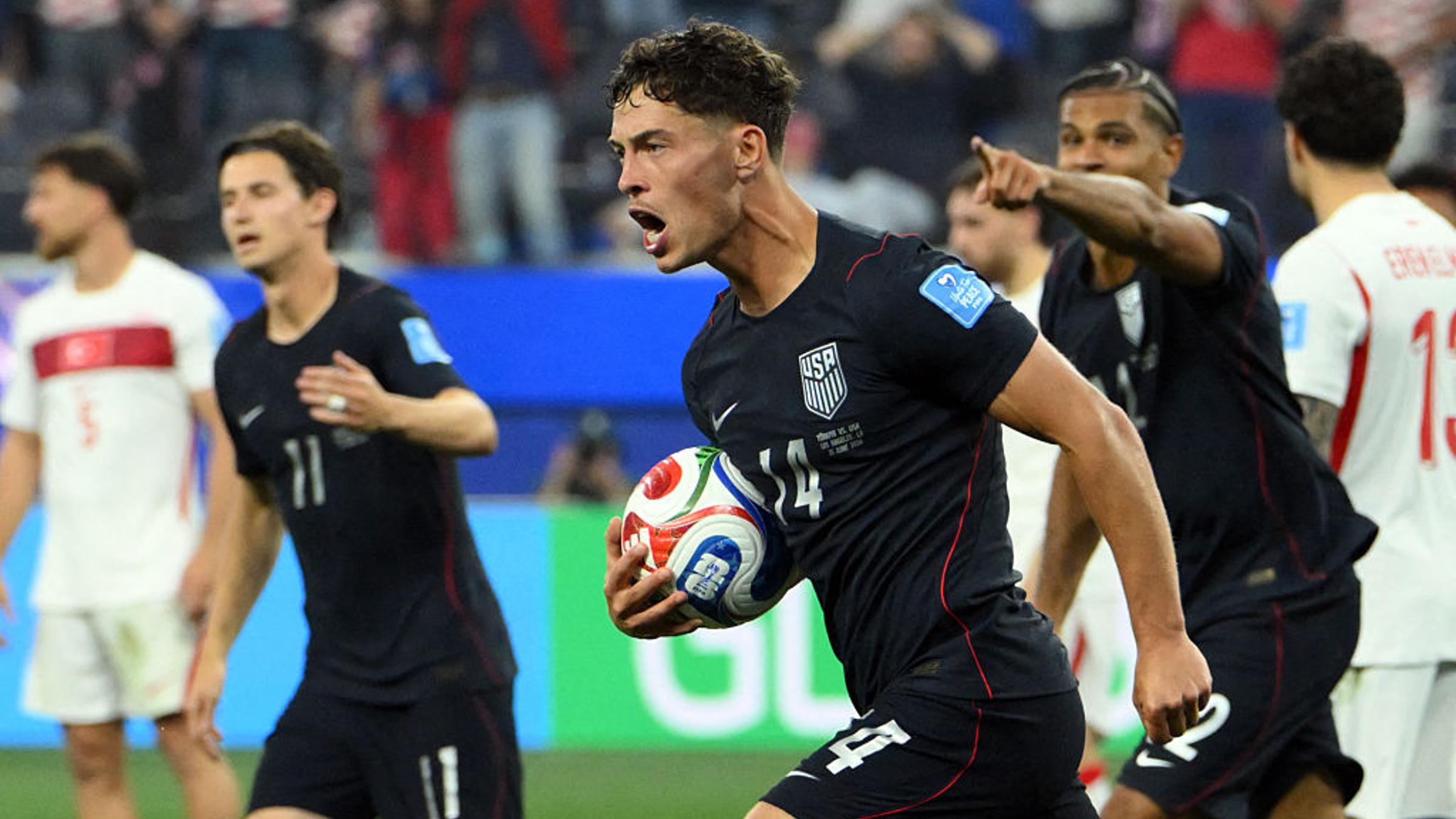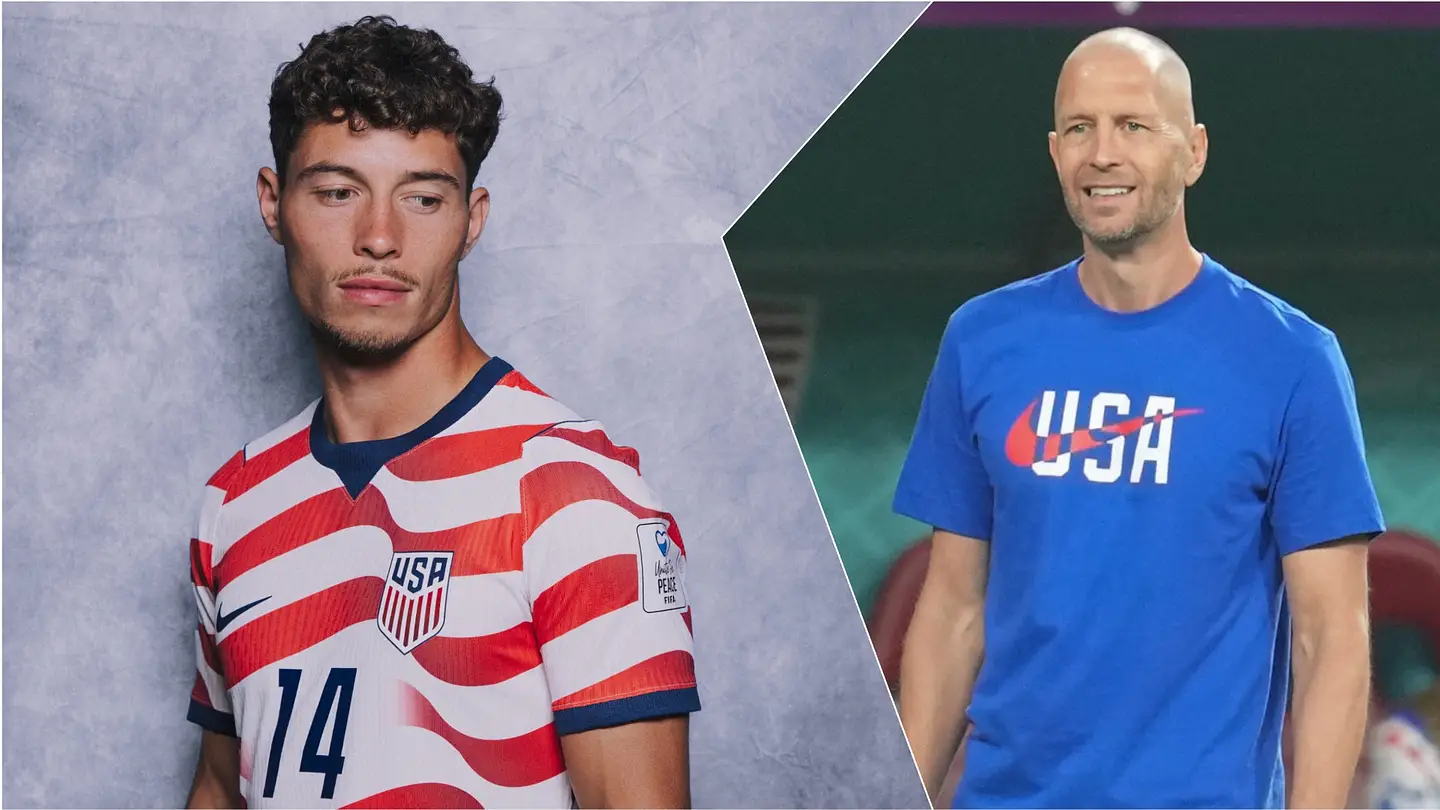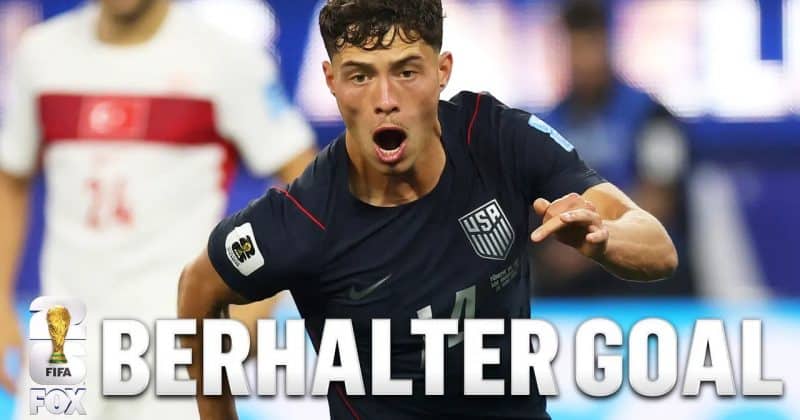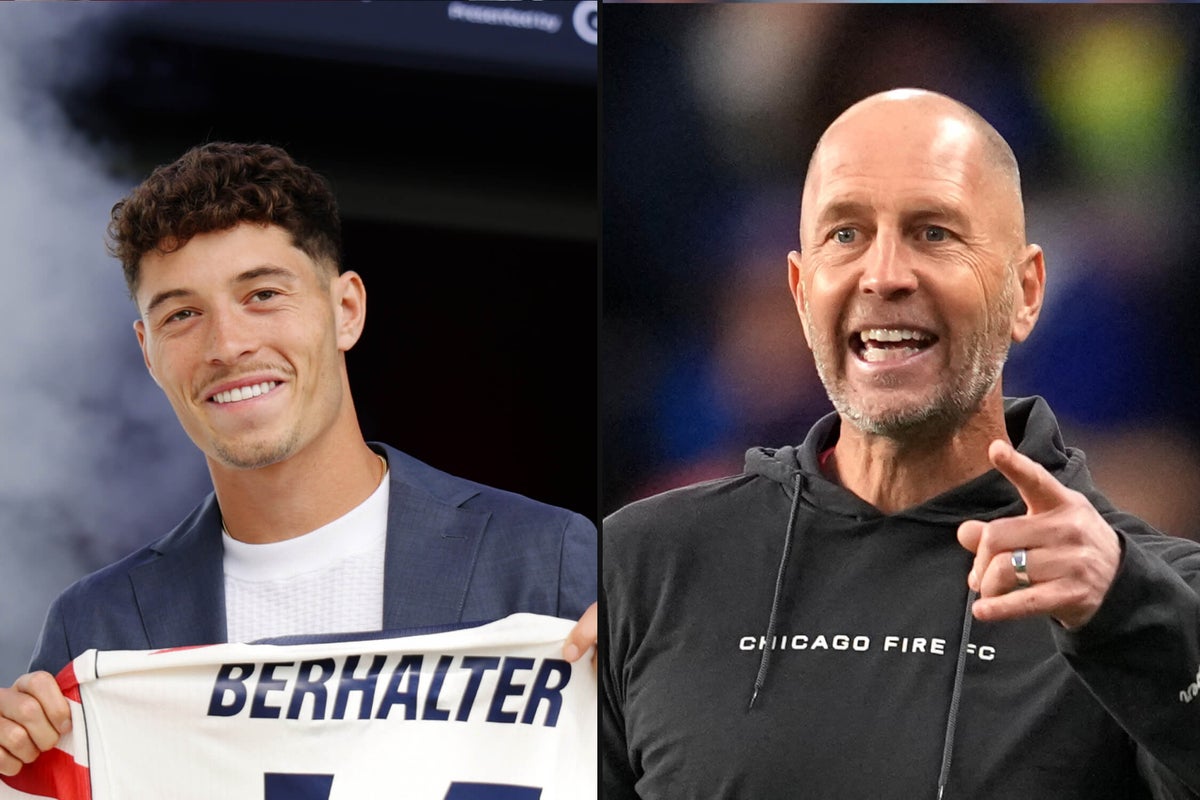
Get free access to the most comprehensive World Cup coverage in The Athletic app.Two years before his World Cup dream came true, Sebastian Berhalter’s dad told him he wasn’t good enough for the U.S. men’s national team.His dad was the national team coach, Gregg Berhalter. Before a January training camp in 2024, Sebastian asked Gregg if he had a chance to make the roster.“We had to have a real, honest conversation,” Gregg tells The Athletic. The national team for that particular camp, he explained to Sebastian, was “looking for the best of the best in MLS” and Sebastian, at the time, was merely a fringe starter for his club, the Vancouver Whitecaps.“So I had to tell him that,” Gregg says. “It’s not easy to tell your son, because you care for him so much. But part of my job is to give him the truth.”And it’s part of why this moment, Sebastian’s World Cup moment, is so special for both of them.In that moment back in 2024, Gregg saw Sebastian’s disappointment. But over the two years that followed, he saw it drive his eldest son to the top of MLS, to the USMNT, and now, remarkably, to the 2026 World Cup.When Sebastian learned he made the roster, Gregg — who was fired by U.S. Soccer in 2024 — was his first call. “My dad was just so proud,” Sebastian recalls. “He’s not the most emotional guy, but I could tell, he was so proud of me.” Moments later, he was on the phone with his mom, Rosalind, and both started crying.They were proud because Sebastian, as much as any other player, earned his place on this U.S. World Cup team, which opens Group D against Paraguay on Friday.He worked, grinded, and believed when nobody else believed him.Even when he was an MLS reserve, he believed he could get to soccer’s biggest stage, “and people kinda laughed at me,” Sebastian says. But he embraced the doubt.“Sometimes,” Sebastian says, “people need to call you crazy.”Sebastian was born into a soccer family, and that, of course, was his foundation.He grew up around the USMNT, a team that Gregg represented 44 times as a defender. He spent six of his early years in Germany, where Gregg played for two clubs. That, Sebastian said last week, “made me realize how important soccer was, and … how much they lived and breathed it. Going to those games, watching my pops play, seeing the passion of the fans, bred that intensity, that passion into me.”What Sebastian didn’t have, however, was precocious talent.At 16, he’d tell people he was going to go pro, but “I was probably 5-foot 10, 110 pounds,” he recalls, “and everyone else was already a lot bigger than me.”
Dad Gregg once said he wasn’t USMNT material. Sebastian Berhalter reached the World Cup anyway
The son of the former U.S. coach earned his place at the 2026 World Cup, driven by doubt — even some at home — and backed by work ethic
1,345 words~6 min read