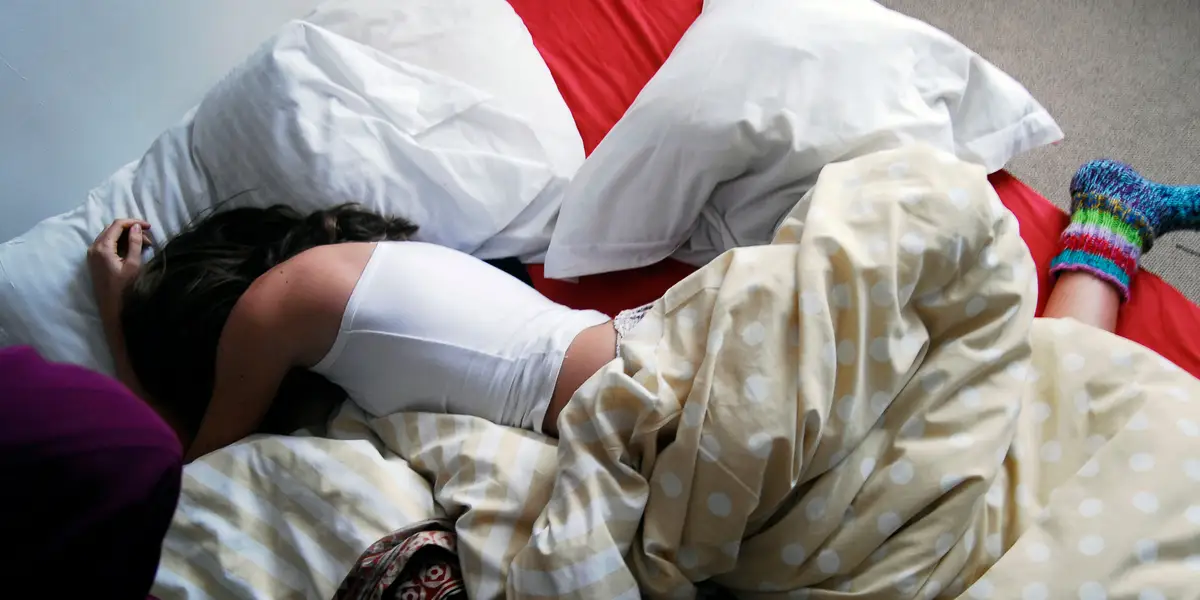
The author lets her daughter sleep in and sometimes arrives at school late.
BSIP/Universal Images Group via Getty Images
On a recent weekday morning, I was struggling to wake my 16-year-old so she wouldn't miss her first class.I had used all of my morning wake-up tricks, from nudging her to flipping on the lights and even summoning our dog to jump on the bed. At long last, my daughter was on her way to school, but not fast enough to avoid another tardy.On other mornings, I let her sleep in because I know she hasn't gotten enough hours of rest.Her school starts early in the morningI realize that waking up on time for school — which begins in our district at 7:25 a.m. — is my daughter's responsibility. But I also know that high school start times don't align well with adolescent circadian rhythms, which prompt teens to sleep and wake later.The American Academy of Pediatrics recommends that high schools start no earlier than 8:30 a.m. Still, across the country, the average class start time is 8 a.m.My daughter's high school has one "late start" day each month, during which school begins at 9:40 a.m. and classes are shortened.On those days, the world seems brighter: My teen wakes up rested and better prepared for class, and her fog of sleep deprivation lifts long enough for us to joke and laugh over breakfast.