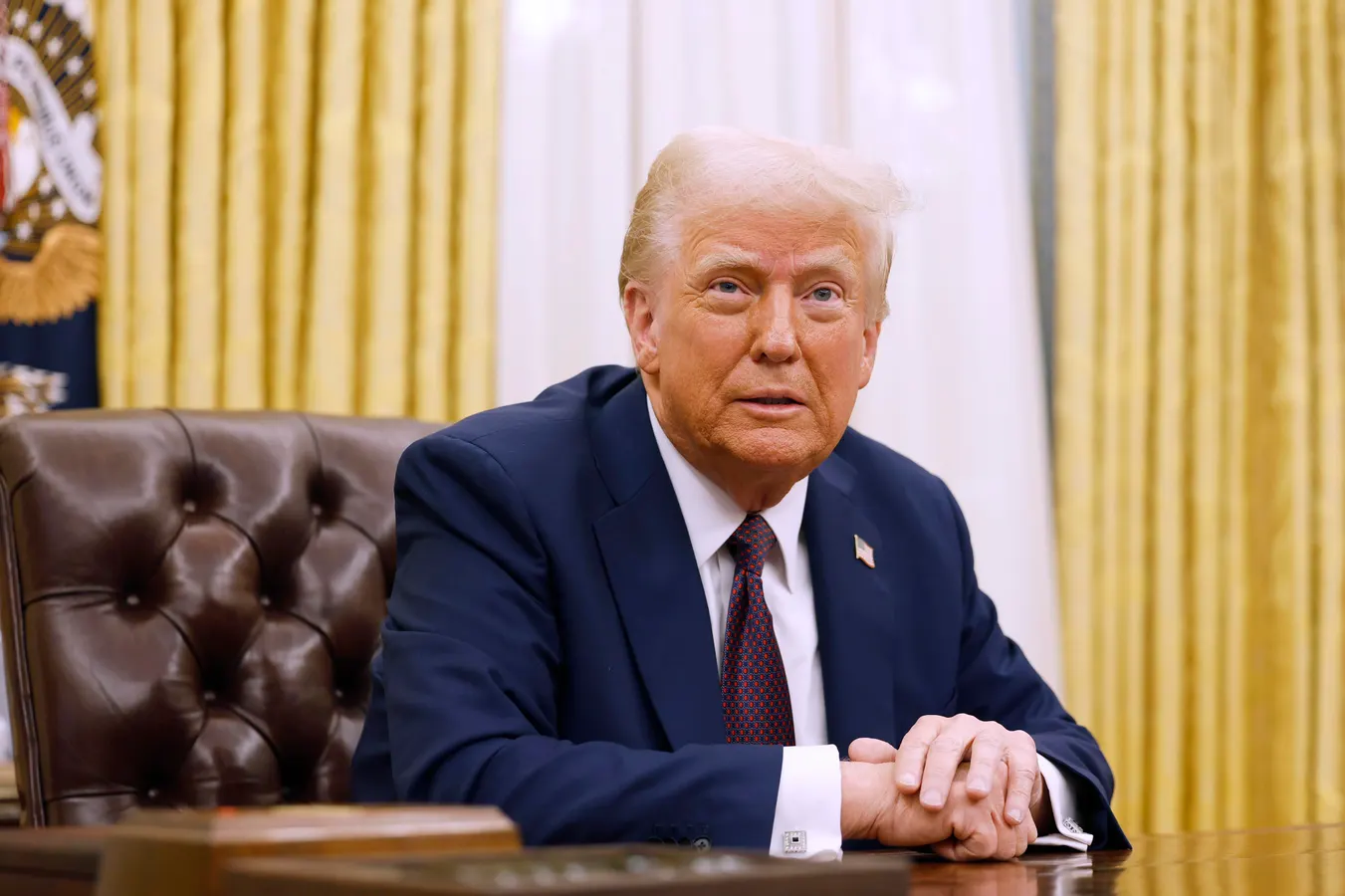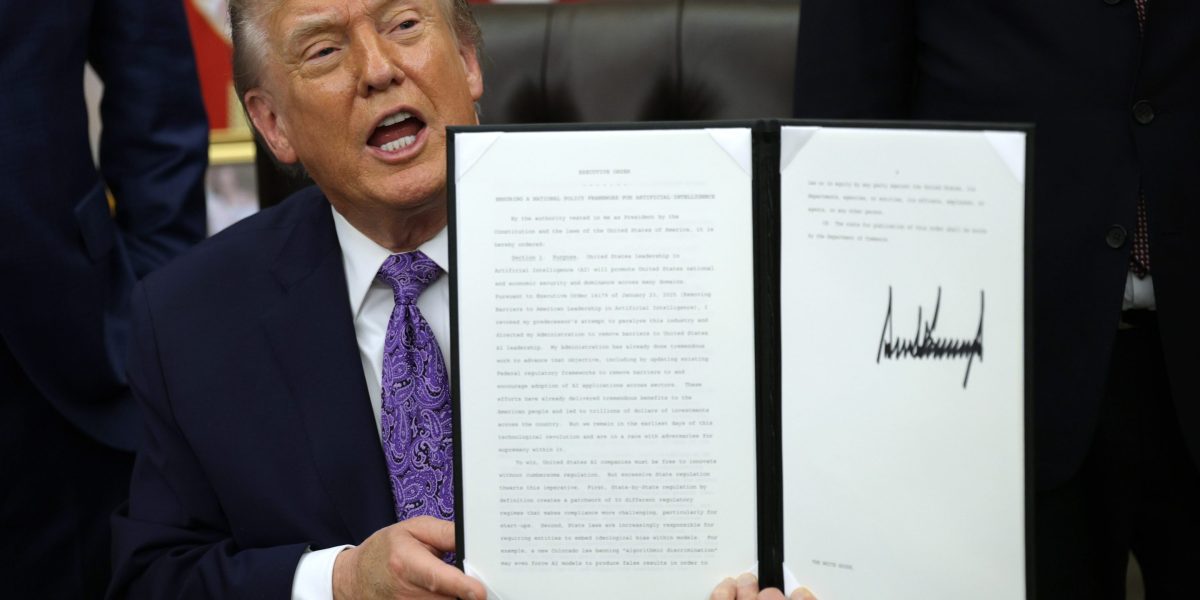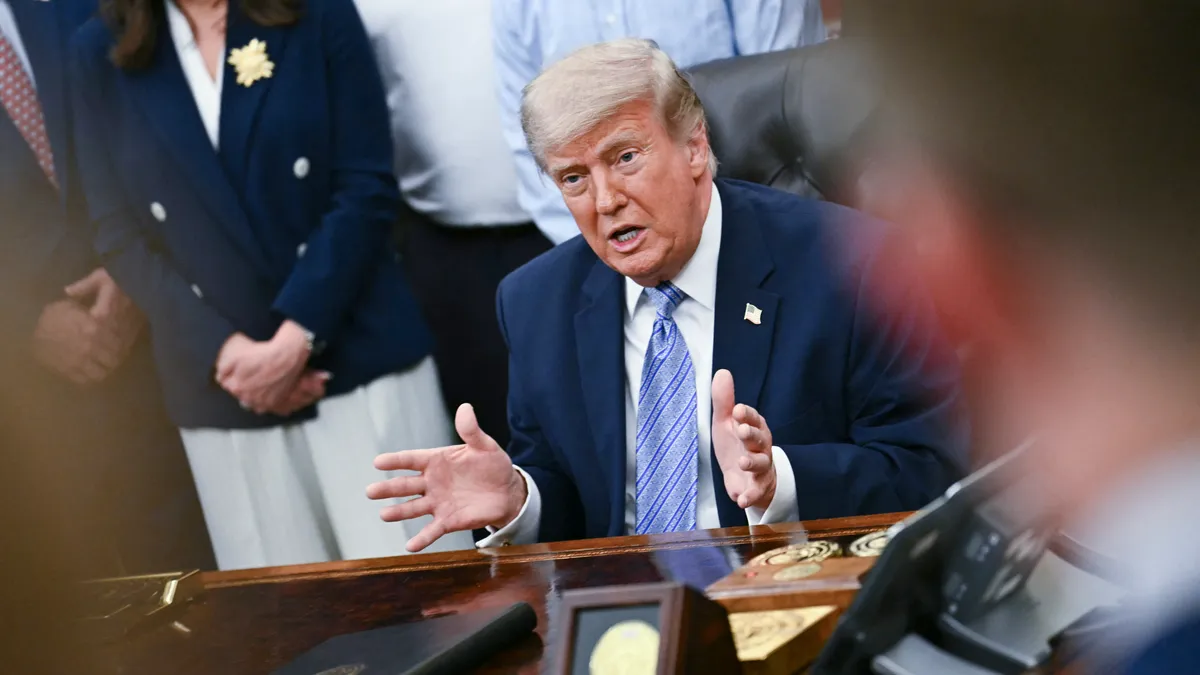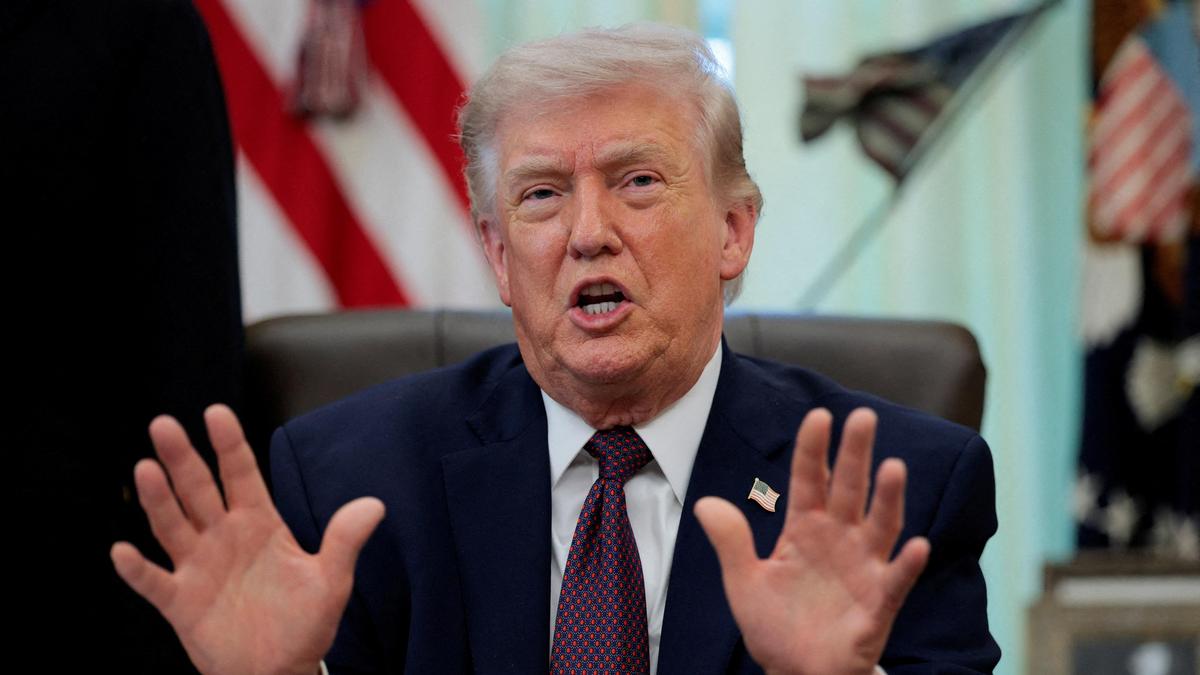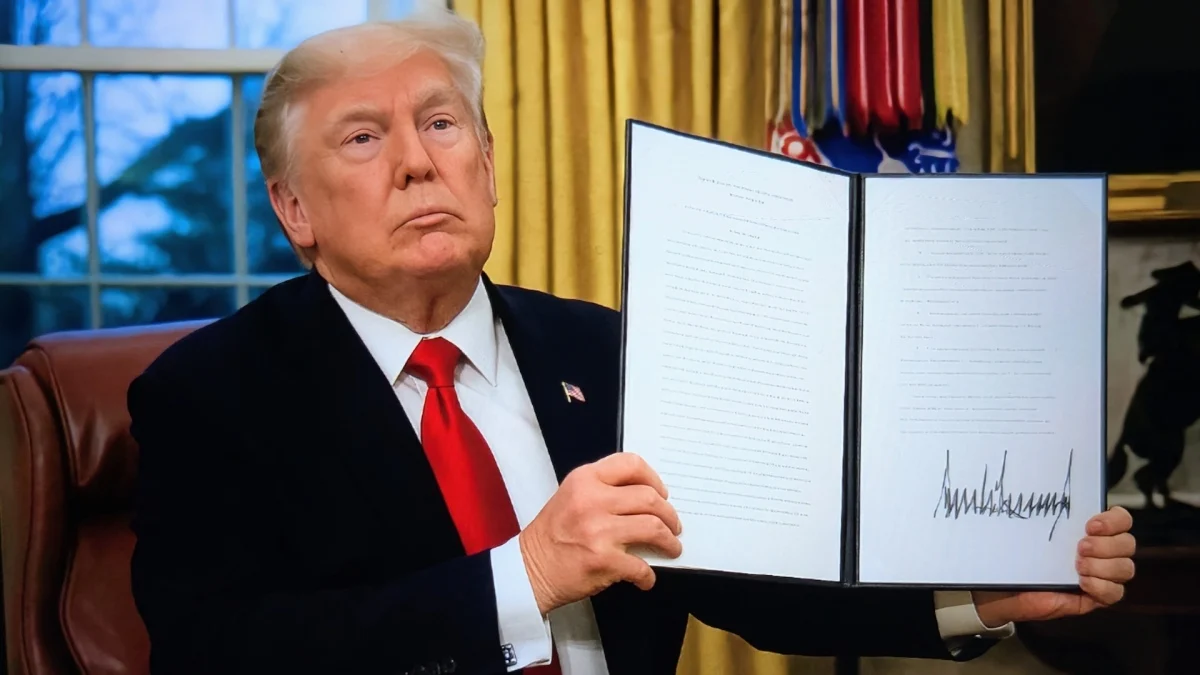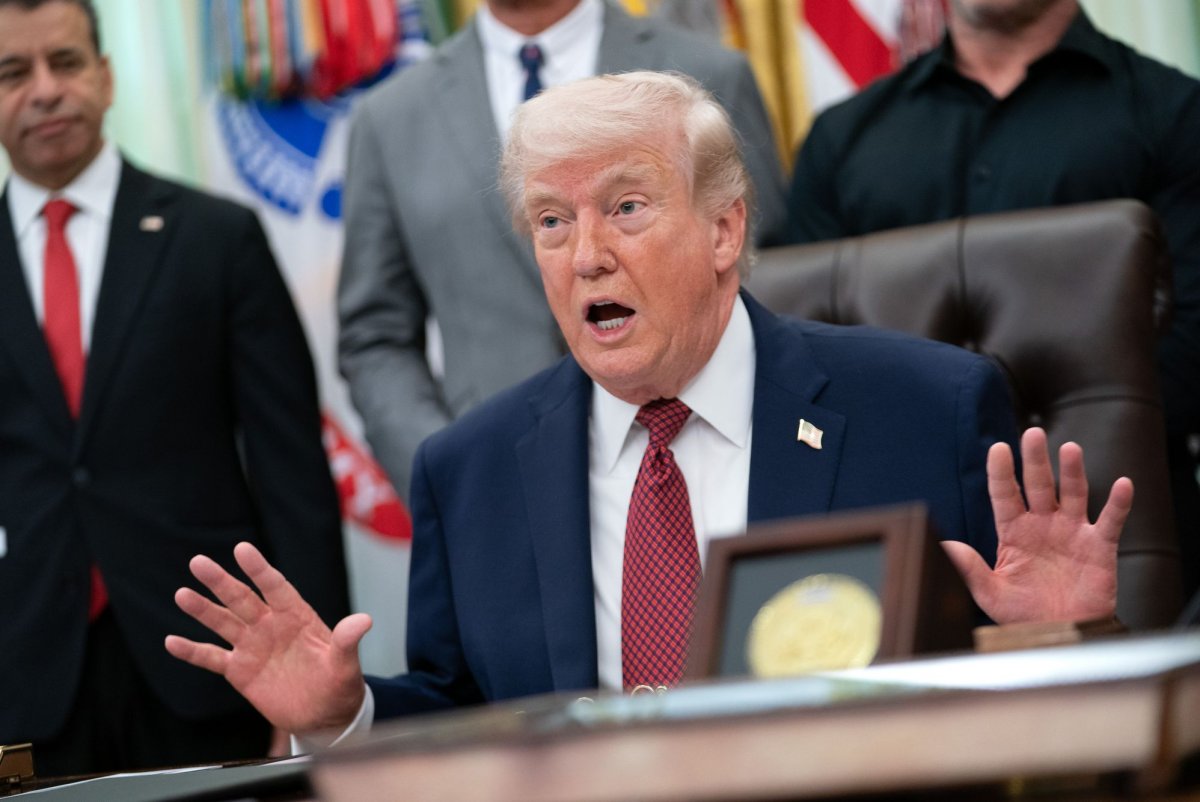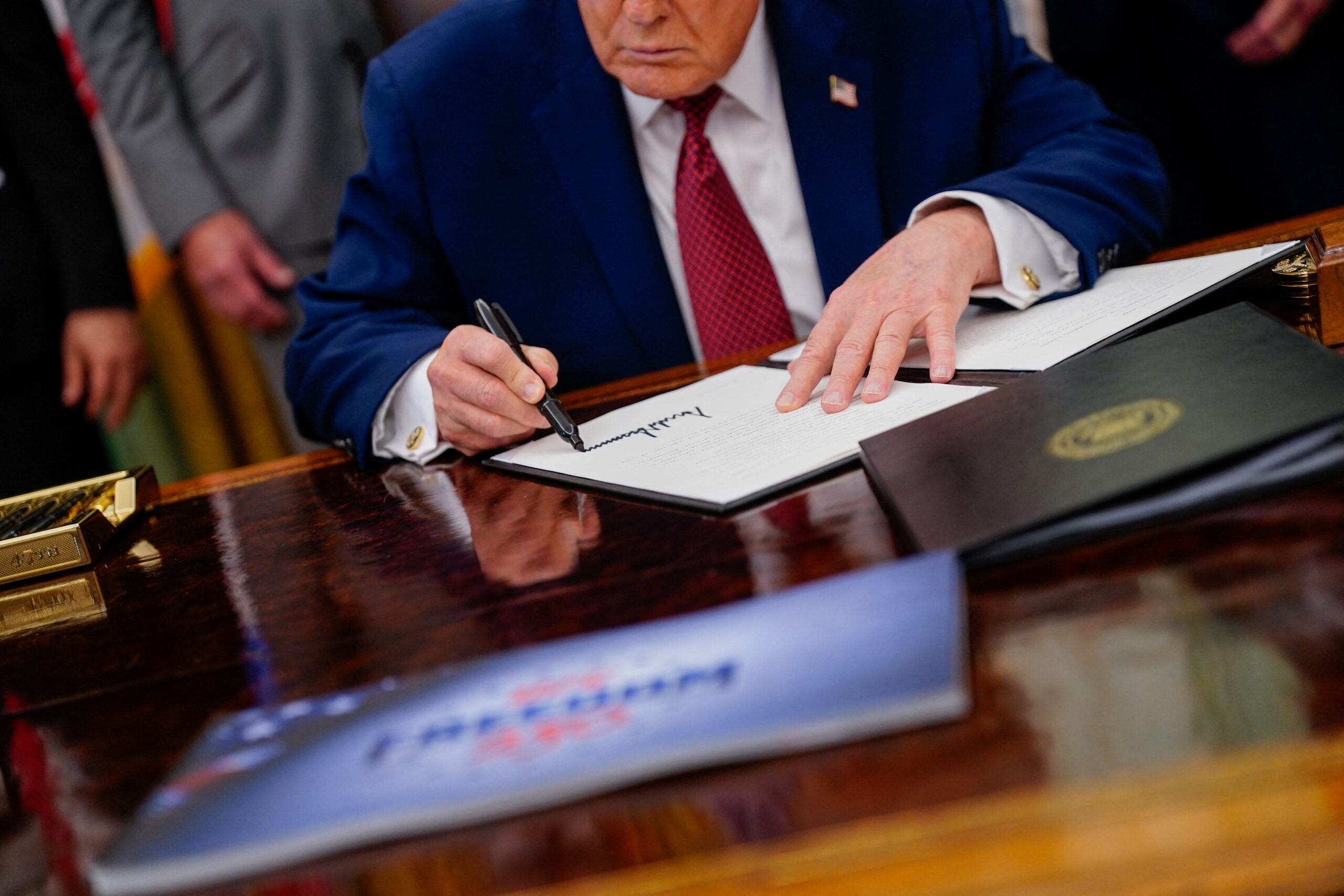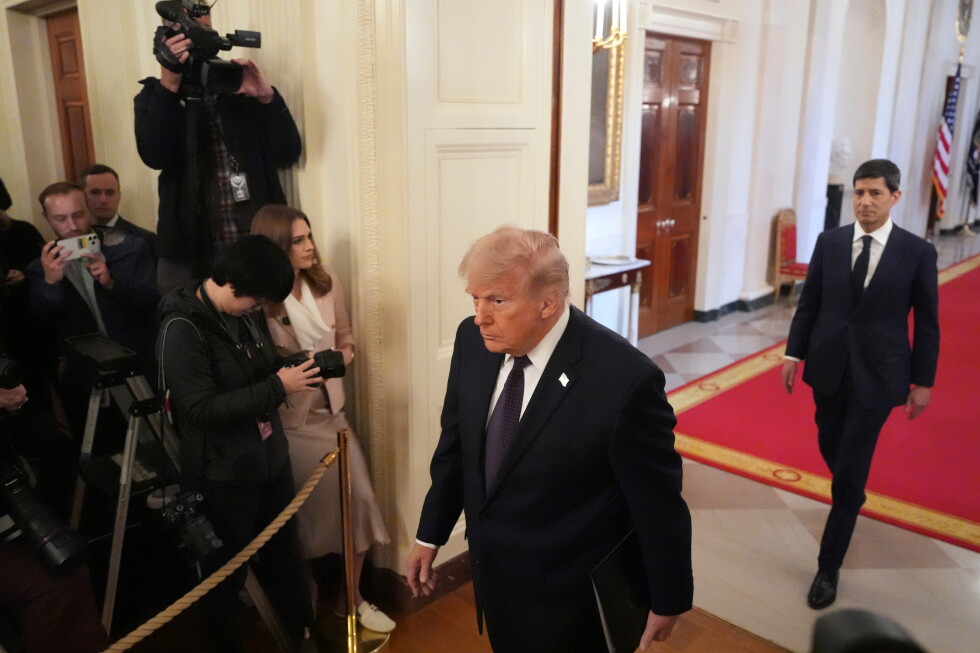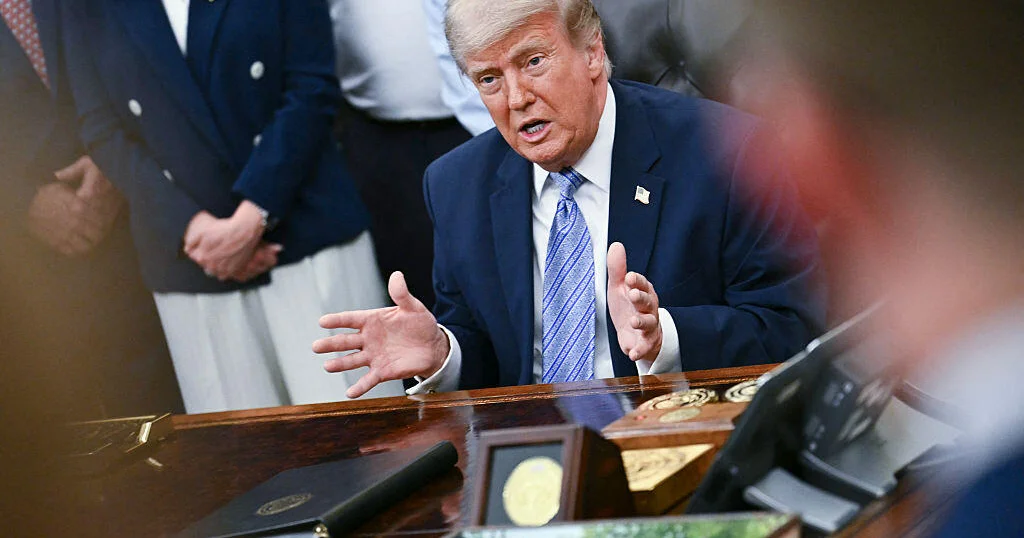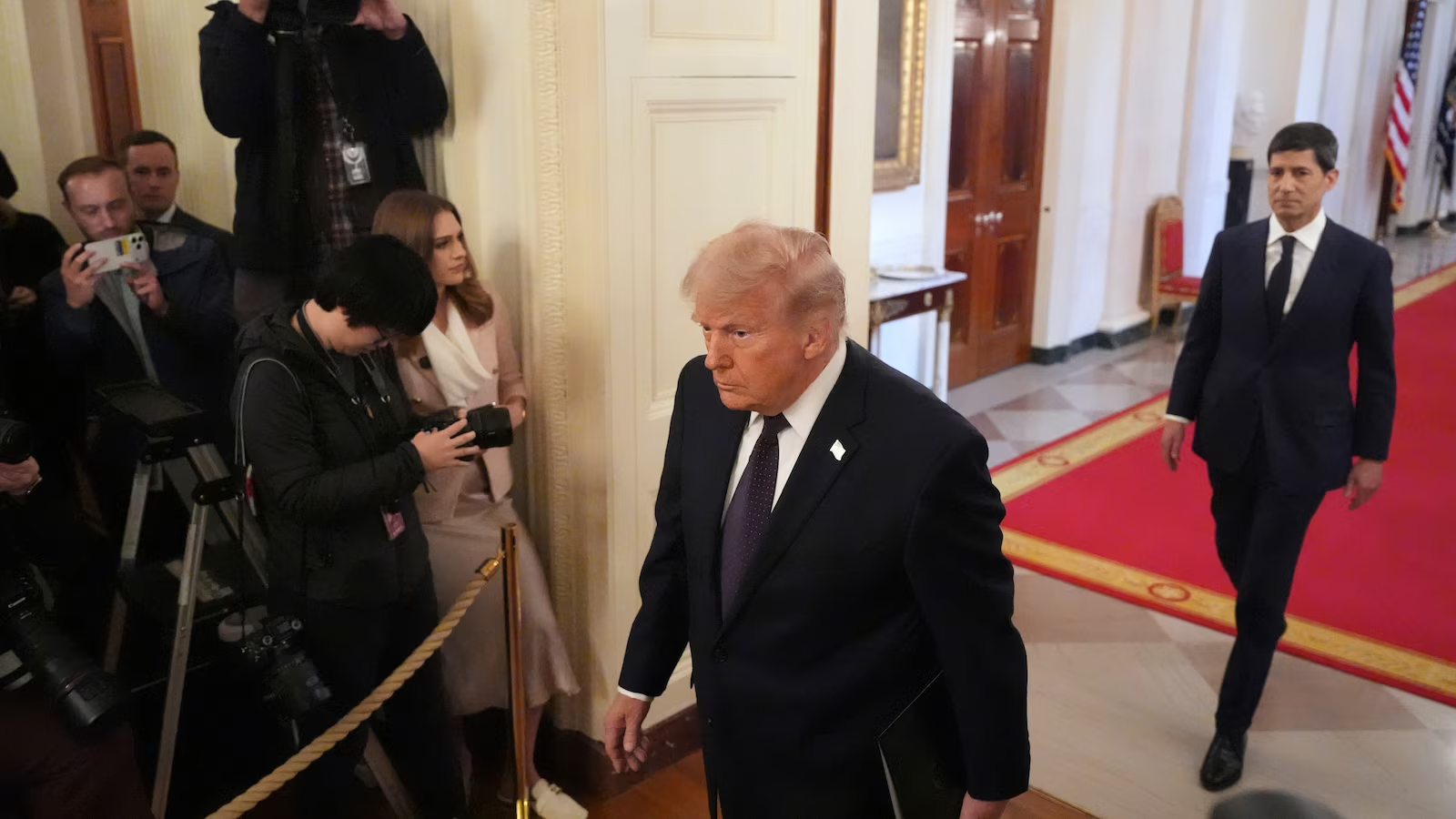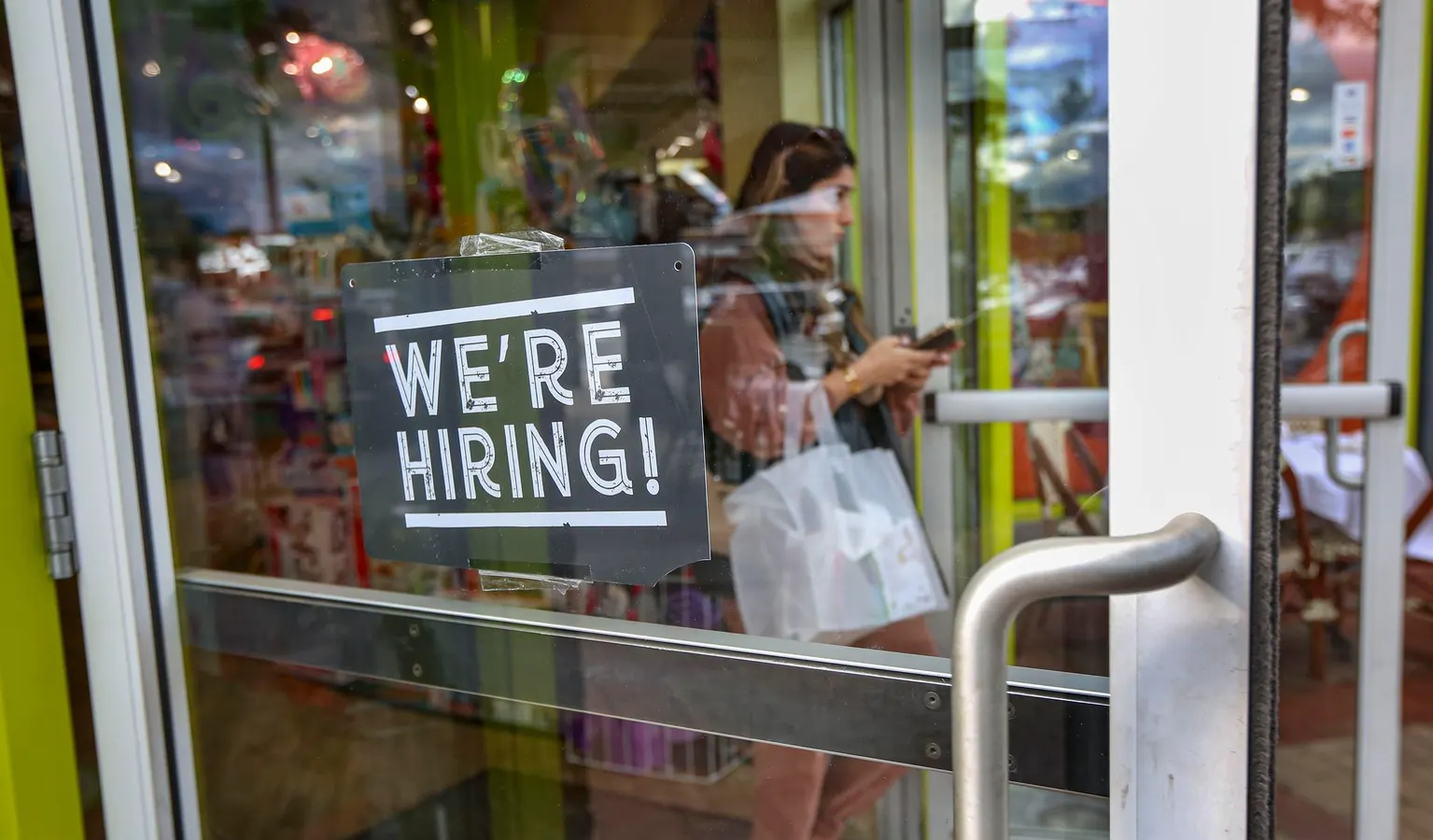
President Donald Trump’s executive order on artificial intelligence marks a shift in his approach to regulating the technology.Trump signed the highly anticipated order Tuesday that asks companies to allow federal oversight of new AI models up to 30 days before their public release. The Treasury Department will create an AI “cybersecurity clearinghouse” to review any potential security vulnerabilities.Trump had previously taken a more relaxed tone about regulating AI, though Anthropic’s dispute with the Pentagon this year seems to have shifted his stance.This is a published version of the Forbes Daily newsletter, you can sign-up to get Forbes Daily in your inbox here. First UpCBS News fired top “60 Minutes” correspondent Scott Pelley, and he accused CBS News and Paramount’s new leadership of harming the show’s reputation in a bid to curry favor with the Trump administration.TurboTax maker Intuit is now the S&P 500’s worst performing stock of 2026, with analysts predicting increased competition powered by AI.Oracle cofounder Larry Ellison catapulted into second place in the ranking of the world’s richest as the tech company’s shares have surged 28% over the last five days.A Surprising Turnaround in Job OpeningsNewsday via Getty ImagesAfter years of headlines about a sluggish labor market, the number of job openings jumped to 7.6 million in April, according to BLS data released Tuesday—the highest level in almost two years. But despite the surge in openings, the hiring rate declined to a historically low 3.2%.“What that really suggests is there is this disconnect between what employers are wanting on paper versus the actions that they're actually taking to hire these workers,” Sneha Puri, an economist at Indeed, tells Forbes Daily.It could take time for more job openings to translate into more hiring. Data from Indeed shows the amount of time between posting a role and making a hire has been climbing in recent years, and currently sits at a median of 25 days as of April. The BLS data shows that the increase in available roles was driven almost entirely by the professional and business services sector, and openings have risen the most over their pre-pandemic baseline for large employers, Indeed found. Some of that could be a result of demand for AI-related roles, which bigger firms are adopting more aggressively.“The larger employers typically are the ones that kind of lead structural changes in the labor market,” Puri says. Wealth + Entrepreneurshipbill ackman by taylor hill getty images; Michael Dell by Michael Prince for Forbes; Cari Tuna by Noah BergerThe world’s wealthiest are no longer just donating to their alma maters or other legacy institutions—many are applying a contrarian philosophy to charitable giving, evaluating what will yield the greatest long-term social and economic returns. For instance, MacKenzie Scott has distributed more than $26 billion in philanthropic gifts to more than 2,700 nonprofits, universities and community organizations—with little fanfare and no strings attached.Tech + InnovationThrive Holdings, a spinoff of Joshua Kushner’s venture capital firm Thrive Capital Management, is going all in on its “AI roll-up” strategy of purchasing local accounting firms and rewiring them with artificial intelligence. The company is committing $1 billion to acquire local brick-and-mortar accounting practices, and unlike traditional private equity buyouts, it plans to hold its stakes for long periods of time.Money + Politics The Washington Post via Getty ImagesPresident Donald Trump appointed Bill Pulte, the director of the Federal Housing Finance Agency, as the acting director of national intelligence, the second replacement for the role less than two weeks after Tulsi Gabbard resigned. The move was met with bipartisan criticism over his lack of experience, and concerns about his history of weaponizing government agencies to go after Trump’s enemies.The Office of the U.S. Trade Representative proposed new additional tariffs of at least 10% on 60 trading partners after an investigation into the handling and imports of goods allegedly made using forced labor. It’s the Trump administration’s latest bid to raise tariff rates after the president’s earlier “reciprocal tariffs” were struck down by the Supreme Court.Trends + ExplainersDollar General surpassed Wall Street’s expectations in its quarterly earnings as the company reported improvement on an industrywide problem: inventory shrink, or a mix of theft, damage and other losses. At its peak in 2024, merchandise losses at the discount retailer reached $928 million, or 84% of its $1.1 billion net income that year. But the company has taken steps to reduce losses from theft and damages, including removing self-checkout stands.DAILY COVER STORYCaryn Seidman Becker Bought Clear Out Of Bankruptcy. Now She’s A Billionaire.Guerin Blask for ForbesFor $209 a year—chump change for many frequent fliers—Clear allows travelers to cut the TSA line. That’s made the 16-year-old company a profitable terminal mainstay, raking in $900 million in revenue and $168 million in net income in 2025.“I think people continually underestimate how hard traveling is and how much people want help in travel,” says Clear CEO Caryn Seidman Becker, 53, who bought the company’s assets and 190,000 people’s fingerprints for $6 million when it went bankrupt during the financial crisis. Today you can use it at 60 airports across the U.S. The New York City-based firm, which went public in 2021, now has a market cap of $7.6 billion, translating into a more than 1,000% return for Seidman Becker and her initial investors. Her 14.5% stake is worth $1.1 billion, making her one of America’s 44 self-made female billionaires.But Clear has limits: There are only so many people in the U.S. who travel enough to justify paying for it. Its active airport memberships grew just 6% in 2025. And the business is predicated on government incompetence. The TSA could get privatized or, heaven forbid, better at moving people through the line.So Seidman Becker is now gunning to help any industry that needs people to verify that they indeed are who they say they are, from sports venues to its biggest new target—healthcare. Clear is now rolling out to hospitals across New York, New Jersey, Georgia and Louisiana, and even Medicare is on board.WHY IT MATTERS “With the disturbing growth of identity fraud, businesses increasingly need to make sure that both their customers and the people they hire aren’t out to scam them, and that the people logging into their work systems are actually employees,” says Forbes assistant managing editor Katharine Schwab. “Thanks to the trust it’s built from 16 years of checking IDs at the airport, Clear is now bringing its identity-verification tech to enterprises of all kinds, from hospitals and LinkedIn to T-Mobile and baseball stadiums.”MORE Forbes’ Ranking Of America’s Richest Self-Made Women 2026FACTS + COMMENTSAI-generated responses outperformed those written by law professors in a blind study from the Stanford Law School. Law professors were asked to compare thousands of anonymized answers to student contract questions:75%: How often the professors chose the AI-generated responses3.5% of the time: How often professors flagged AI answers as pedagogically misleading or harmful, compared to 12% for peer-written answers‘Blanket skepticism may be…unwarranted’: According to Stanford professor Julian NyarkoSTRATEGY + SUCCESSBeing constantly busy has become a signal of importance at many workplaces, but it’s not the same as being productive. When leaders reward visible effort, it creates a cultural incentive for employees to stay busy. Instead, it’s important to evaluate the types of work that produce the most value.QUIZA popular reality dating show returned this week despite recent controversy. Which show is it?A. “The Bachelor”B. “The Bachelorette”C. “Love Island USA” D. “Love Is Blind”Check your answer.Thanks for reading! This edition of Forbes Daily was edited by Sarah Whitmire and Chris Dobstaff.
Forbes Daily: Job Openings Surge To Highest Level In Almost Two Years
Today’s Forbes Daily newsletter covers Trump's executive order on AI, CBS News fires Scott Pelley, Larry Ellison's net worth gains, new tariffs proposed and more.
1,246 words~6 min read