Established by the UK Parliament in January 2023 and sponsored by the Department for Science, Innovation and Technology, ARIA is an R&D funding agency created to unlock technological breakthroughs that benefit everyone. Their Engineering Ecosystem Resilience opportunity space is exploring how combining high-resolution measurement with targeted, resilience-boosting interventions could help reverse biodiversity decline and prevent ecological collapse
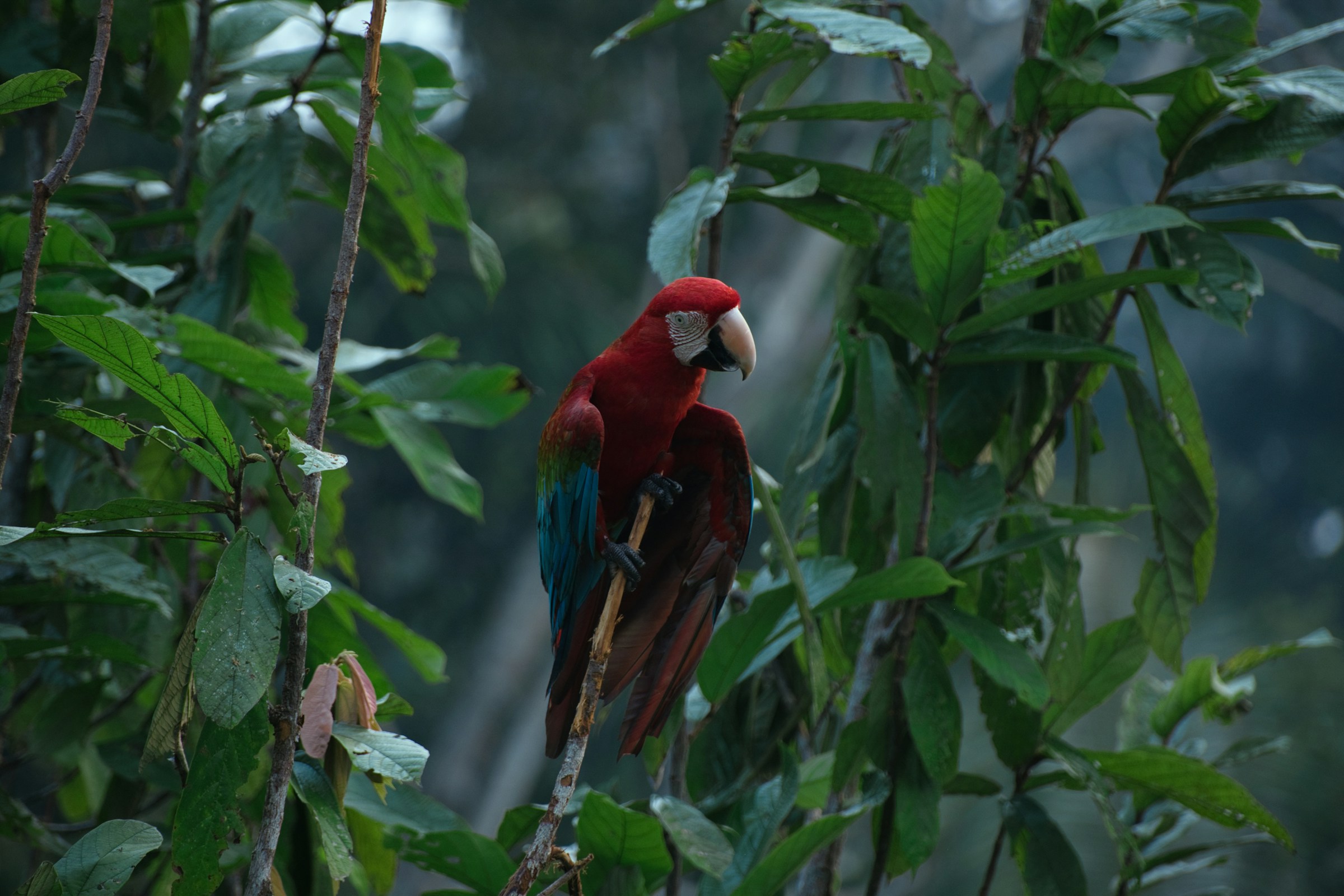
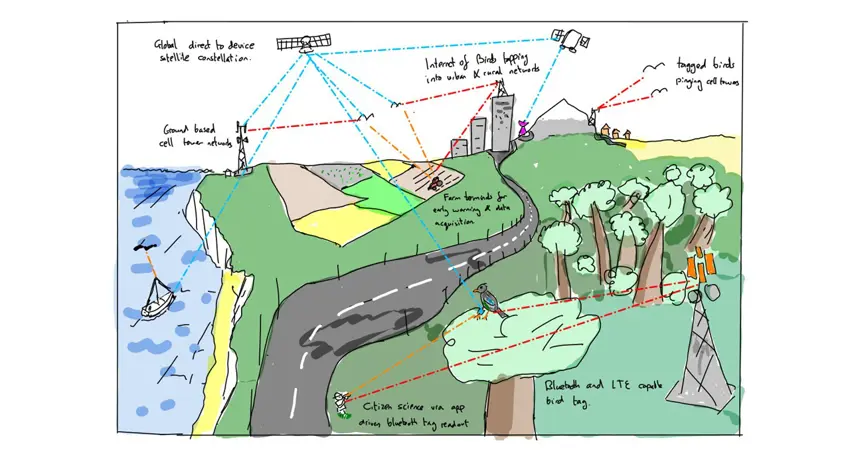
As part of this work, biologists and engineers at Oxford are to lead an interdisciplinary project to establish an ‘Internet of Birds'. This aims to develop improved bird monitoring technologies in order to utilise wild birds as free-roaming deployable sensors that actively sample their environment.
Birds are critically important in nutrient cycling, pollination, and seed dispersal, and also serve as valuable bioindicators for climate change, pollution, water quality and biodiversity. However, current bird monitoring methods have significant limitations in terms of spatio-temporal coverage, effort vs. data-return, and tag size, weight, cost and battery life.
The new project will develop bird leg-rings that are small, light, inexpensive, solar powered and continuously globally tracked. This approach will reduce species size or tag cost restrictions and data bias due to location or timing of bird movement. The data could inform individual species conservation, environmental impact mitigation for infrastructure, zoonotic disease modelling, and interventions to halt biodiversity loss and protect ecosystem functions.