Bihar must leverage its abundant human resources to power its economic growth
| Photo Credit:
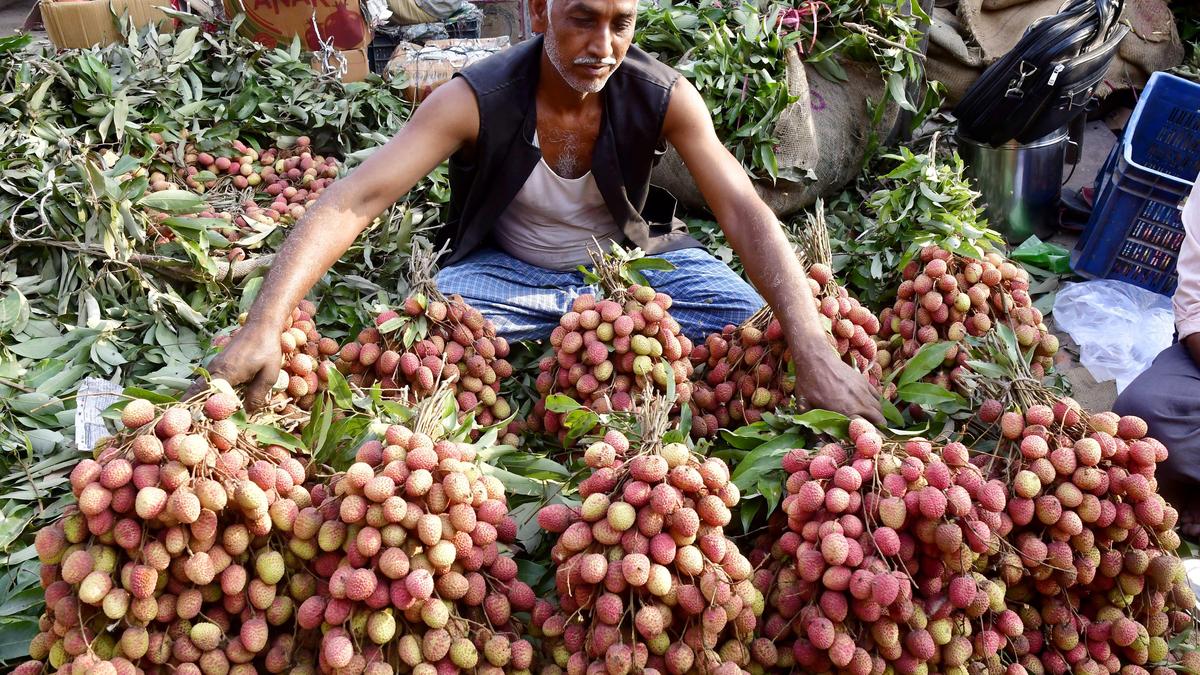
The freight equalisation policy and 15 years of jungle raj from 1990 can’t be the eternal argument to explain the current state of affairs of Bihar even after Nitish Kumar’s 20-year reign as Chief Minister. The valid counter argument has been — what good was the political heft that Bihar has always had and the bureaucratic muscle Biharis exercise all over the country, that Bihar couldn’t systematically convert it into sustained State-specific advantages.Let us move on and watch out for what the new leadership in the State plans to do. While industrialisation and urbanisation are the primary engines to resolve Bihar’s economic woes, here are some ideas how to go about it.Playing to strengthsThe State should play to its natural strengths and comparative advantages in choosing the right sectors around which it wants to build its economy. It should shun the glamourous sectors like semi-conductors and focus on sectors that leverage the factors of production abundantly available — land and labour.Food value chains and agro processing should be the top priority. Bihar is a leading producer of Maize, Litchi, Makhana, and vegetables along with high potential in freshwater fisheries production. These are not marginal opportunities; they are the State’s most immediate pathway to scale, value addition and rural income growth. The returns here are quicker, the risks lower, and the employment impact significant.Next, redouble efforts on labour-intensive manufacturing — textiles, apparel, leather, footwear, and even sports goods. These sectors demand modest capital, rely on skills Bihar’s workforce already possesses, and are dominated by SMEs. With the right policy push, Bihar can attract supply chains looking to diversify beyond traditional clusters— and even reverse the out-migration of skilled workers.With significantly improved road and rail infrastructure Bihar can aspire to be the logistic and warehousing hub for east India and Nepal.Easing biz rulesBecause investors, after assessing infrastructure and market size, ultimately decide on ease of doing business. This is where Bihar continues to fall short. Capital seeks certainty, speed, and trust — long before it seeks incentives.A single window for approval with single point of contact will enable single accountability. Dedicated relationship managers per investor will make one officer personally accountable for each project. Deemed approvals after fixed timelines will smoothen many processes.Additionally, investors fear policy reversals, local interference and hence the need for a political-bureaucratic alignment is important.Bihar is said to have not enough land allocated for industries and therefore land reform for industrial use will be essential. Sizeable plug-and-play industrial parks with available 24/7 power, water, last-mile connectivity and pre-approved environmental norms will be key markers for Bihar’s readiness.Attitudinal changeNow comes the hardest part and it will be the real differentiator — Will the decision makers be able to effect an attitudinal change? Can they move from a control mindset to facilitation mindset? Can the bureaucrats stop acting as gatekeepers and start acting as deal-makers? Can they hunt for the deal and not wait for it land at their desk?Attitudinal change will also be catalysed by getting the right talent. Bihar should build a crack team of ‘hunters’ and ‘farmers’. Hunters will chase deals, sell the idea, and midwife a transaction. This team should be a mix of external talent — from the private sector and officers on deputation from other states with relevant experience. This team will focus on specific industry segments.‘Farmers’ will own investor aftercare (delayed approvals, local disputes, utility bottlenecks etc) responsibilities, and nurture the investor to enable cross industry segment opportunities. This team too should have a good mix of external talent. These teams should have outcome based KPIs and should be evaluated on investment realised (not MoUs signed), jobs created, project timelines met.Bihar should get closer to the investors. A “Invest Bihar” desk in major cities to begin with, and eventually in global hubs like Singapore, will enable permanent investor outreach and shift from “waiting for investors” to “hunting investors”. Bihar’s diaspora is an under-leveraged asset in this effort.The State must also extract greater value from the Centre. Central schemes and public sector investments should be leveraged more aggressively. Informal networks — batchmates, colleagues, institutional linkages — can and should be mobilised to secure tangible gains.Competition mindsetFinally, leadership must instil urgency and competition. They should build a competition mindset just as States like Gujarat, Andhra Pradesh and Telangana actively compete for each project. It will be important to track which State it lost a deal to — and why.Narrative matters because capital follows confidence. Bihar must consciously rewrite its story — from a “backward State” to the country’s most improved investment destination. That shift will not come from slogans, but from visible, compounding success.Bihar’s economic transformation is both a moral imperative and a strategic necessity. India’s rise will remain incomplete without it. The vision of Viksit Bharat by 2047 will not be realised in Bengaluru and Mumbai alone, but equally in Patna and Bhagalpur.The road to 2047 runs through every district. Bihar may well be its most consequential stretch.The writer is a public policy and start-up advisorPublished on June 9, 2026