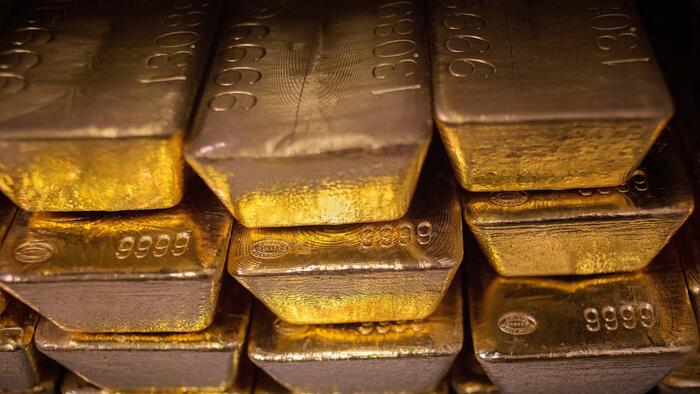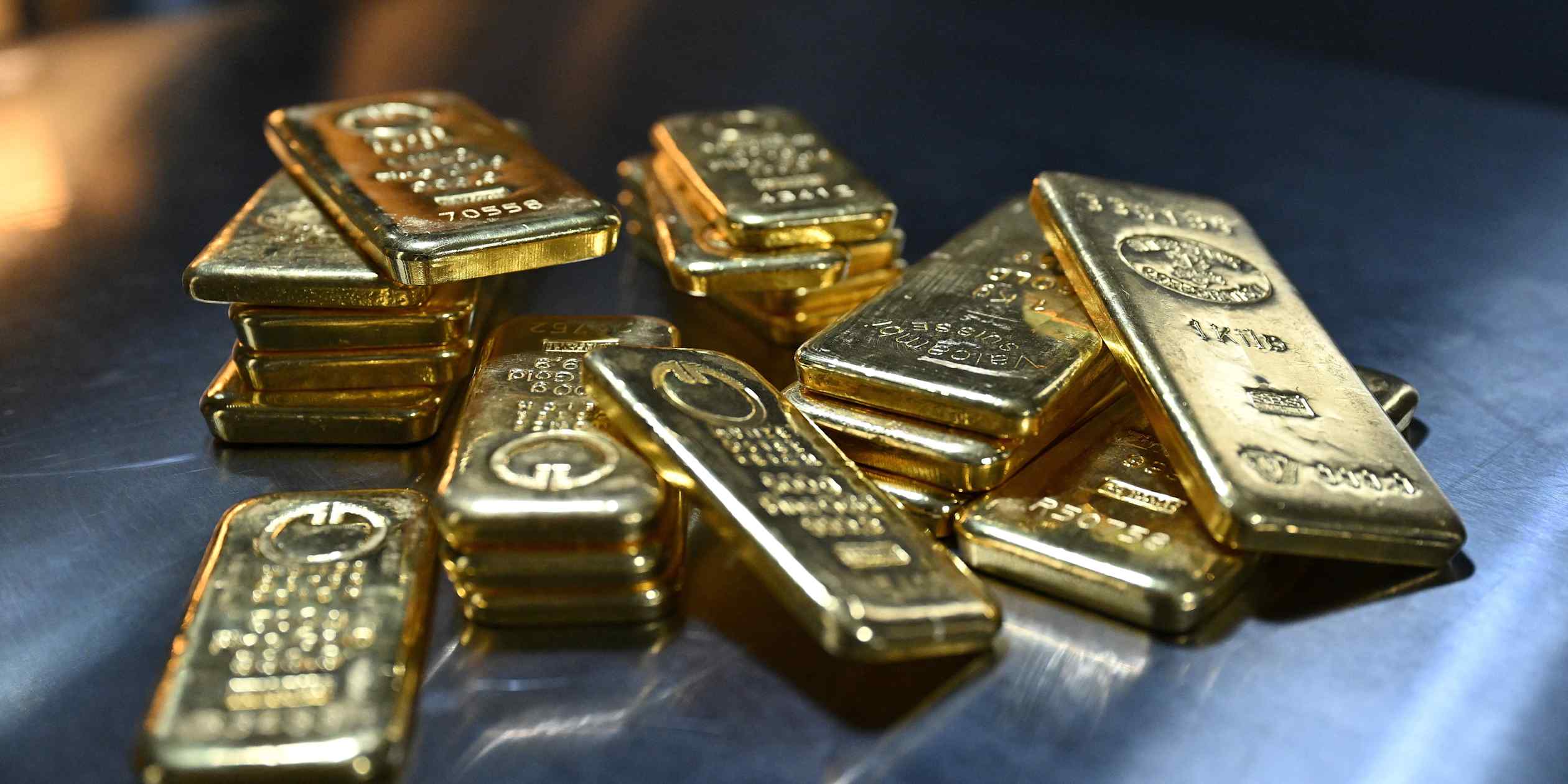
Skip to Content News Archives Economy Energy Oil & Gas Renewables Electric Vehicles Mining Commodities Agriculture Real Estate Mortgages Mortgage Rates Finance Banking Insurance Fintech Cryptocurrency Work Wealth Smart Money Wealth Management Investor Personal Finance Family Finance Retirement Taxes High Net Worth FP Comment Executive Women Puzzmo Newsletters Financial Times Business Essentials More Innovation Information Technology FP500 Podcasts Small Business Lives Told Tails Told Shopping Financial Post Store Obituaries Place a Notice Advertising Advertising With Us Advertising Solutions Postmedia Ad Manager Sponsorship Requests Classifieds Place a Classifieds ad Working Profile Settings My Subscriptions Saved Articles My Offers Newsletters Customer Service FAQ News Economy Energy Mining Real Estate Finance Work Wealth Investor FP Comment Executive Women Puzzmo Newsletters Financial Times Business Essentials HomeNewsPosthaste: Sorry Uncle Sam, U.S. Treasuries just got toppled from the world's foreign reserve throneGold now the top reserve asset as value soars and central banks seek alternatives to the U.S. dollarLast updated 1 hour ago You can save this article by registering for free here. Or sign-in if you have an account.The move away from Treasuries may reflect an attempt by countries to seek alternatives to the U.S. dollar. Photo by Andrew Harrer/BloombergSubscribe now to read the latest news in your city and across Canada.Exclusive articles from Barbara Shecter, Joe O'Connor, Gabriel Friedman, and others.Daily content from Financial Times, the world's leading global business publication.Unlimited online access to read articles from Financial Post, National Post and 15 news sites across Canada with one account.National Post ePaper, an electronic replica of the print edition to view on any device, share and comment on.Daily puzzles, including the New York Times Crossword.Subscribe now to read the latest news in your city and across Canada.Exclusive articles from Barbara Shecter, Joe O'Connor, Gabriel Friedman and others.Daily content from Financial Times, the world's leading global business publication.Unlimited online access to read articles from Financial Post, National Post and 15 news sites across Canada with one account.National Post ePaper, an electronic replica of the print edition to view on any device, share and comment on.Daily puzzles, including the New York Times Crossword.Create an account or sign in to continue with your reading experience.Access articles from across Canada with one account.Share your thoughts and join the conversation in the comments.Enjoy additional articles per month.Get email updates from your favourite authors.Create an account or sign in to continue with your reading experience.Access articles from across Canada with one accountShare your thoughts and join the conversation in the commentsEnjoy additional articles per monthGet email updates from your favourite authorsSign In or Create an AccountorWho are the biggest gold bugs of them all? Central banks apparently.Bullion has now overtaken U.S. Treasuries as the largest share of foreign reserves held by central banks, the European Central Bank recently confirmed.The yellow metal’s share in official reserves rose to 27 per cent at the end of 2025, while U.S. Treasuries fell from 25 per cent to 22 per cent.This shift in dominance says much about the state of the world. Central banks have bulked up on gold, not only for diversification, but also as a hedge against geopolitical risk, said the ECB. The move away from Treasuries may also reflect that countries are seeking an alternative to the U.S. dollar.Breaking business news, incisive views, must-reads and market signals. Weekdays by 9 a.m.By signing up you consent to receive the above newsletter from Postmedia Network Inc.A welcome email is on its way. If you don't see it, please check your junk folder.The next issue of Posthaste will soon be in your inbox.We encountered an issue signing you up. Please try again“Geopolitical tensions continue to drive strong central bank demand for gold,” wrote ECB president Christine Lagarde in the report. Much of gold’s ascent has to do with its “epic surge” in price over the past two years, said Kieran Tompkins, an economist with Capital Economics.Gold prices rose 30 per cent in 2024 and 60 per cent in 2025, hitting a high of US$5,500 this past January. Without that price increase, the share of bullion in central bank reserves would have been about the same as the euro and below Treasuries.But that’s not to diminish central banks’ voracious appetite, which has in great part fuelled gold’s rally in recent years, said Tompkins.Central banks bought more than 1,000 tonnes a year between 2022 and 2024. Purchases have since eased to about 850 tonnes as soaring prices and the rising value of holdings curbed demand, but they still remain above historic levels, said the ECB.The world’s central banks now hold more than 36,000 tonnes of gold, almost as much as during the peak of the Bretton Woods era, when the U.S. dollar was pegged to the metal, said the Financial Times. Tompkins said one of the important signals of the ECB report is that central bank’s demand for gold is likely to stay strong.“Survey evidence shows that geopolitical risks remain a key concern for many central banks and buying has been particularly concentrated among those located in regions with higher threats of conflict,” he said.Poland topped the official sector purchases in 2025, buying about 100 tonnes, followed by Kazakhstan, Brazil, China and Turkey.The second signal is that gold prices could fall further in the short term. The ECB report says that private investment demand for gold hit almost 2,200 tonnes in 2025 — almost double the amount the year before.This was mostly fuelled by a record US$89 billion inflows into gold-backed exchange traded funds (ETFs), which snapped up about 800 tonnes of gold last year.But that speculative fury is starting to unwind, said Tompkins, with gold prices falling 15 per cent since the start of the Iran war. Capital expects them to drop further from US$4,450 to US$3,500 an ounce by the end of this year.Sign up here to get Posthaste delivered straight to your inbox.Nothing moves Canadian bond markets quite like jobs data, says National Bank of Canada.Its strategists argue that the Bank of Canada should add an unemployment rate forecast to its quarterly monetary policy report like many of its central bank peers.Their chart shows how Statistics Canada’s labour force survey is the most impactful on Canadian bond yields, even more so than Bank of Canada’s rate decisions.U.S. jobs data is often released the same day as Canada’s and employment readings tend to be more volatile than other indicators, which both play a role, said Taylor Schleich and Warren Lovely — but fundamentally, labour markets and inflation are “inextricably linked.”While the consumer price index tells us where inflation has been, the trajectory of the job market helps tell us where it is going, they said.The Global Energy Show kick offs in Calgary. Natural Resources Minister Tim Hodgson is among featured speakers.Today’s Data: April trade numbers for Canada and the United States, U.S. existing home sales, NFIB small business optimism for MayEarnings: The JM Smucker Co., Casey’s General Stores Inc.SpaceX‘s US$1.78 trillion IPO scheduled for this week and last week’s tech selloff have many investors wondering if we’ve reached the top of the technology-driven market bubble of the past several years.Markets will always blow off steam at some point, writes the Financial Times’ Rana Foroohar.But she argues that when you consider that not only artificial intelligence, but other sectors like energy, defence and manufacturing are growing around the world and require greater capital infusions, that maybe we are at the beginning, rather than the end, of a new investment super-cycle. Read moreInterested in energy? The subscriber-only FP West: Energy Insider newsletter brings you exclusive reporting and in-depth analysis on one of the country’s most important sectors.Are you worried about having enough for retirement? Do you need to adjust your portfolio? Are you starting out or making a change and wondering how to build wealth? Are you trying to make ends meet? Drop us a line at wealth@postmedia.com with your contact info and the gist of your problem and we’ll find some experts to help you out while writing a Family Finance story about it (we’ll keep your name out of it, of course).Want to learn more about mortgages? Mortgage strategist Robert McLister’s Financial Post column can help navigate the complex sector, from the latest trends to financing opportunities you won’t want to miss. Plus check his mortgage rate page for Canada’s lowest national mortgage rates, updated daily.Visit the Financial Post’s YouTube channel for interviews with Canada’s leading experts in business, economics, housing, the energy sector and more.Today’s Posthaste was written by Pamela Heaven with additional reporting from Financial Post staff and Bloomberg.Have a story idea, pitch, embargoed report, or a suggestion for this newsletter? Email us at posthaste@postmedia.com.Bookmark our website and support our journalism: Don’t miss the business news you need to know — add financialpost.com to your bookmarks and sign up for our newsletters here Join the Conversation This website uses cookies to personalize your content (including ads), and allows us to analyze our traffic. Read more about cookies here. By continuing to use our site, you agree to our Terms of Use and Privacy Policy.
Posthaste: Sorry Uncle Sam, U.S. Treasuries just got toppled from the world's foreign reserve throne
Gold has overtaken U.S. Treasuries as the largest share of foreign reserves held by central banks, the ECB recently confirmed. Read more
1,502 words~7 min read