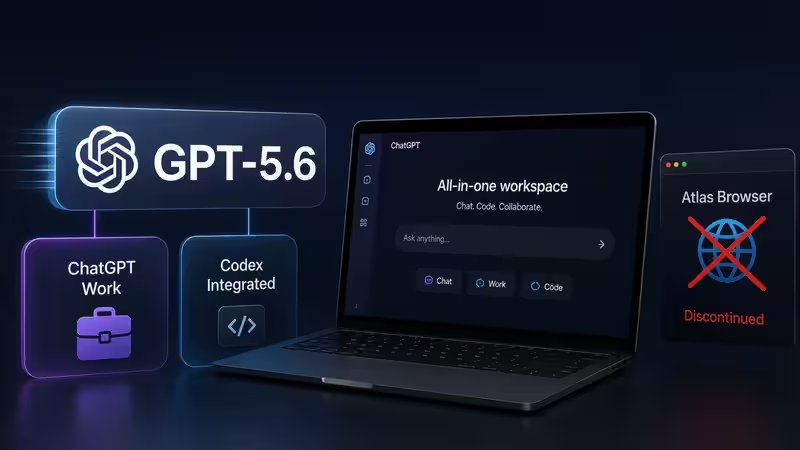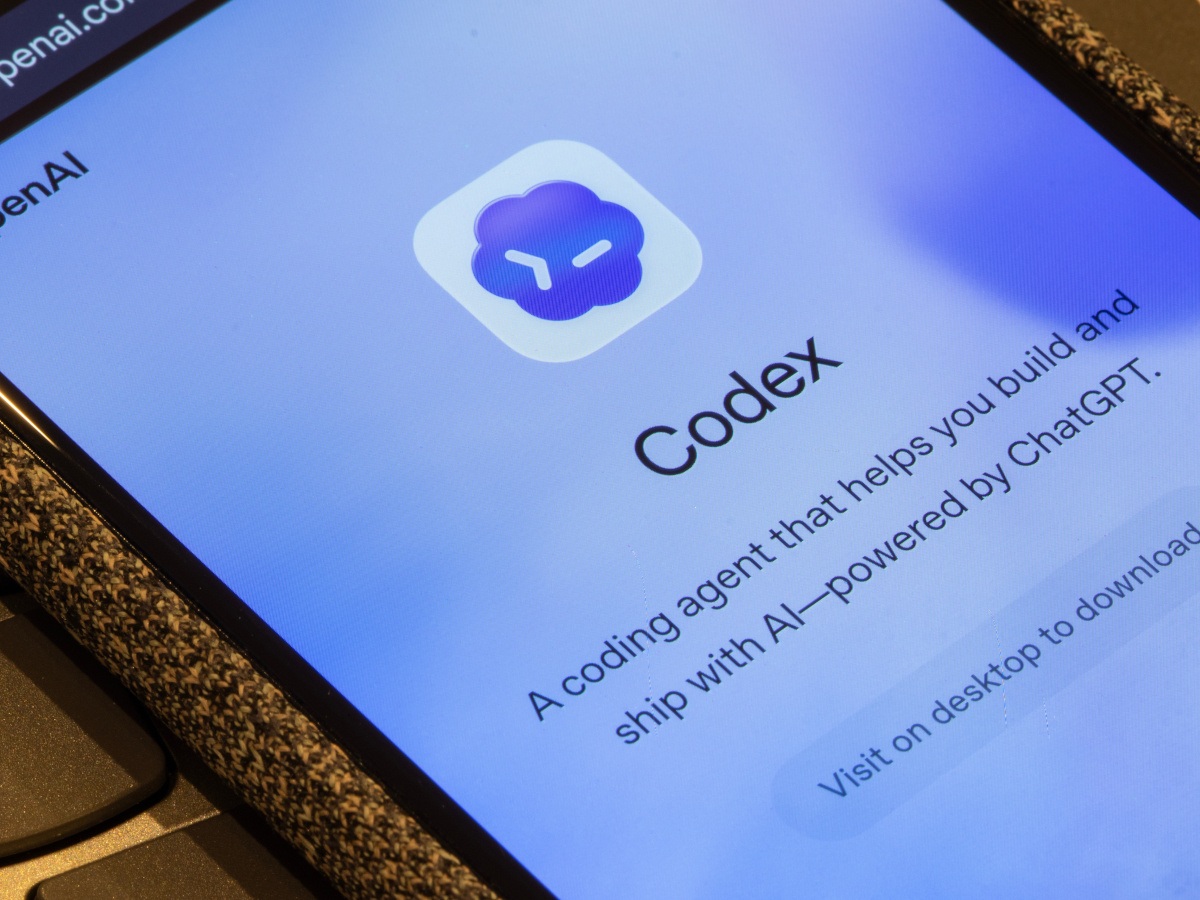
OpenAI has shipped more developer-facing infrastructure in the first half of 2026 than in the prior two years combined. GPT-5.5 is live. The Agents SDK is production-ready. Codex hit 5 million weekly active users. And yet most of the coverage is about ChatGPT's chat UX. Let's skip that and talk about what actually matters: ChatGPT's biggest upgrade ever and what developers actually need to know in June 2026. What changed at the API layer, which features are production-grade versus demo-ware, and whether it's finally time to move workloads back from Claude or Gemini.
I spent the last two weeks migrating an internal agent pipeline from the Chat Completions API to the new Responses API. The difference is not subtle. This isn't a model bump with a new blog post. It's a platform rearchitecture.
ChatGPT's Biggest Upgrade: The Responses API Changes Everything
Forget GPT-5.5 for a second. The single most important change for developers building on OpenAI is the Responses API.
If you've been building with Chat Completions, you know the drill: you manage conversation history client-side, pass the full message array on every request, and bolt on your own tool-calling orchestration. The Responses API eliminates most of that.