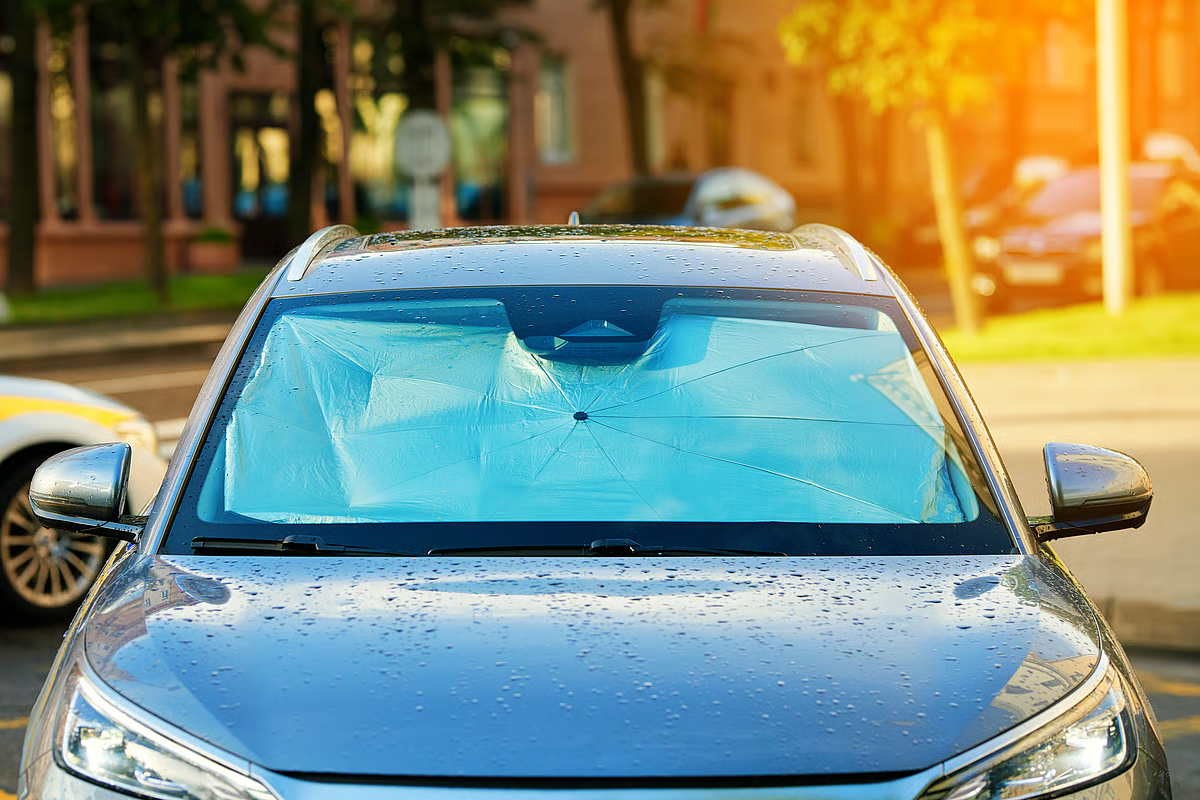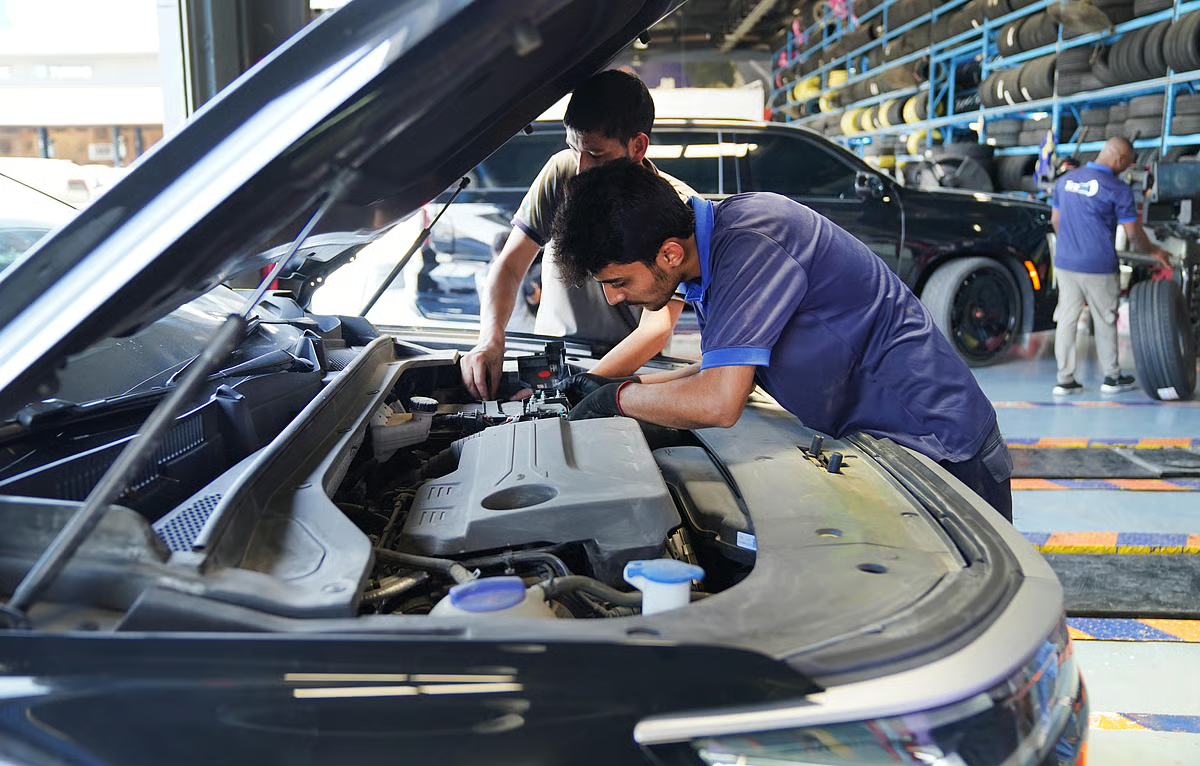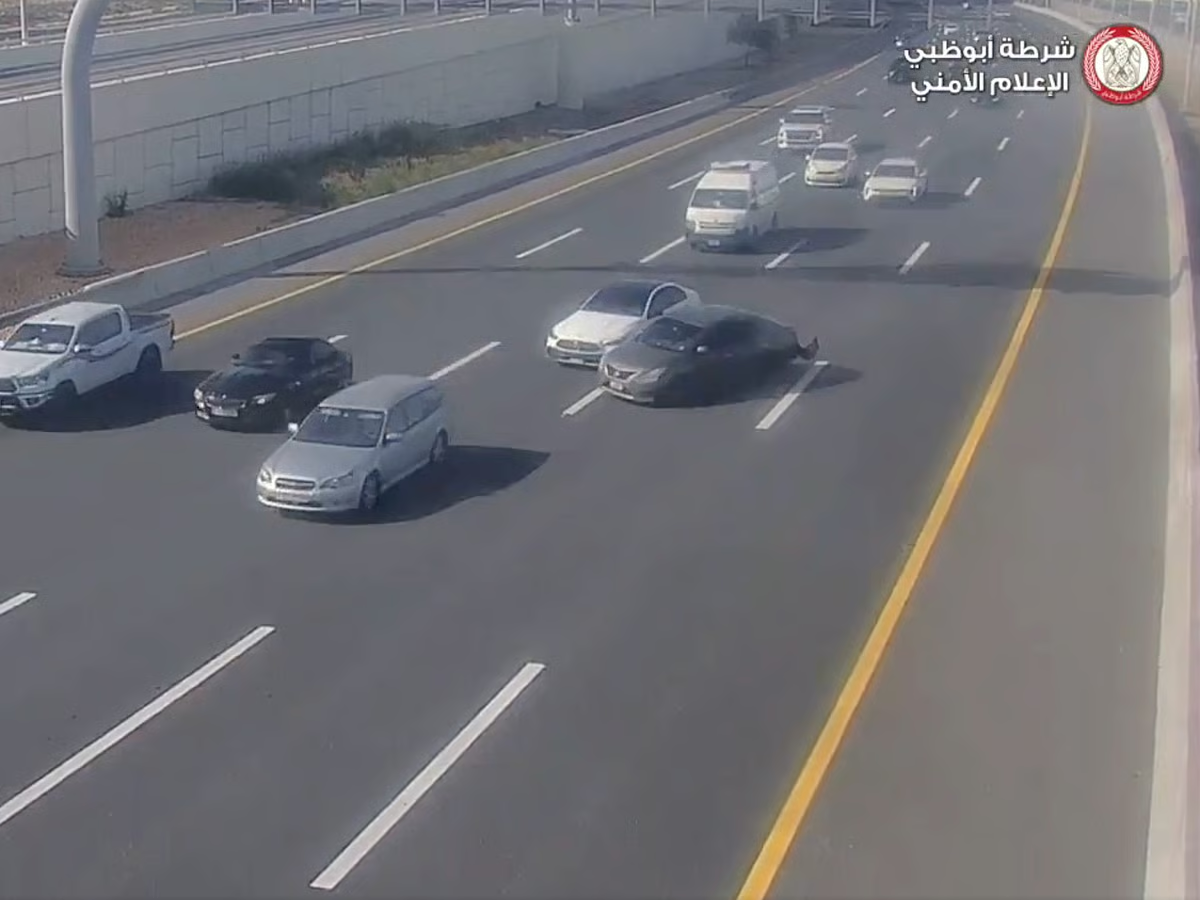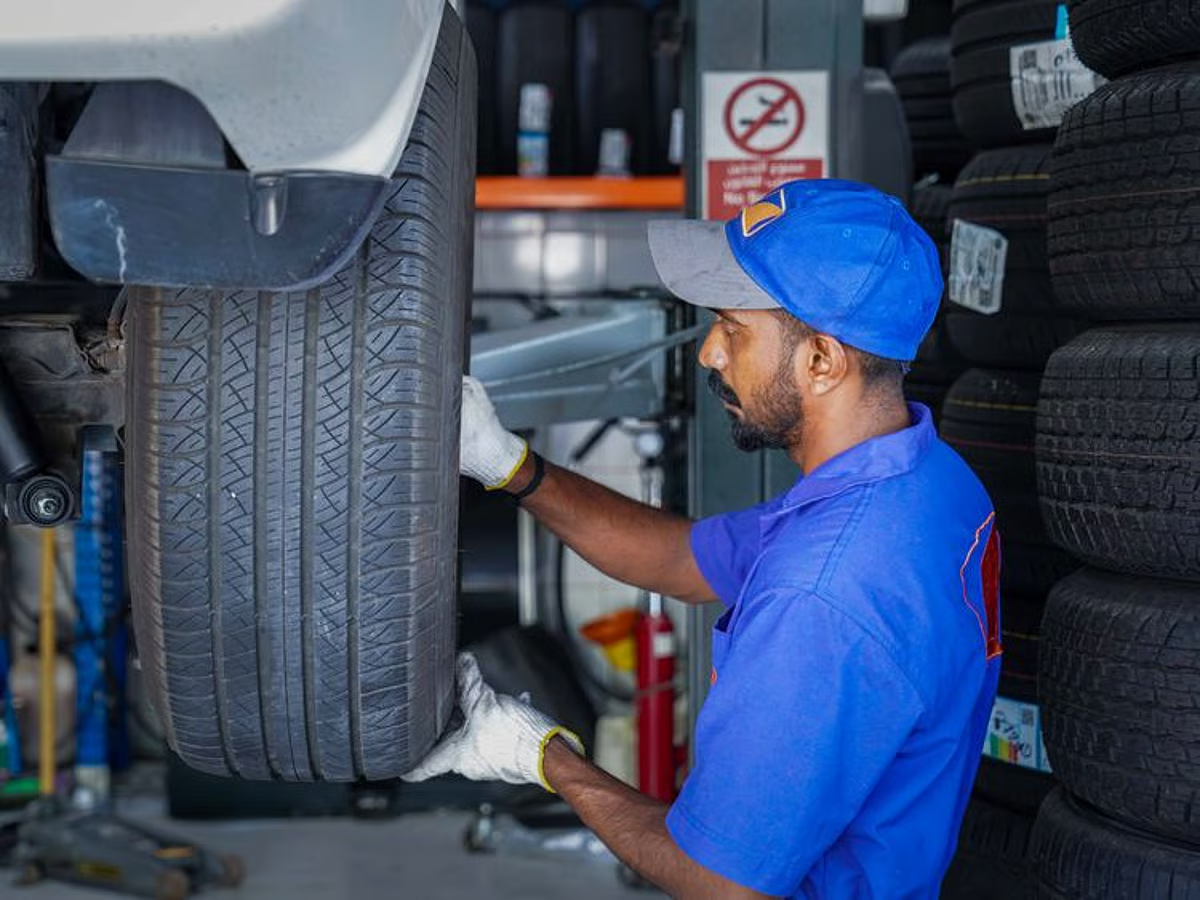
Dubai: As temperatures soar across the UAE, motorists face more than just discomfort behind the wheel, extreme summer heat can take a serious toll on your tyres and engine performance. Auto experts warn that drivers should pay closer attention to tyre care and smart driving habits to stay safe and save money during the hottest months.Hot roads, worn tyres, and higher fuel billsHarkesh Jaggi, vice-president of Michelin Middle East and North Africa explained that when road surfaces heat up, the friction between tyres and asphalt increases. This added resistance means your vehicle has to work harder to move forward, burning more fuel in the process and accelerating tyre wear.“Extra summer weight, whether it’s luggage for a road trip or gear for beach weekends, adds to the load and further increases energy demand,” said an auto expert. “That means higher fuel consumption and faster tyre degradation,” Jaggi said.Tyre pressure and heat: A delicate balanceTyre pressure is especially critical in extreme heat. High temperatures cause the air inside tyres to expand, leading to over-inflation—something that can reduce grip, cause uneven wear, and affect vehicle handling.“Drivers often overlook how the region’s climate can drastically affect tyre performance,” he added. “In countries where temperatures regularly exceed 40°C, it’s essential to use tyres built for heat and to monitor pressure frequently.”Under-inflated tyres are equally problematic. “They increase rolling resistance, which forces the engine to work harder and consume more fuel. The key is to keep tyre pressure at manufacturer-recommended levels and check it regularly, ideally once a month and when tyres are cold, as heat can create temporary pressure spikes,” Jaggi noted.Aerodynamics plays a role too. "While modern cars are designed to cut through air efficiently, roof boxes and bike racks create drag and reduce fuel efficiency. Removing them when not in use can have a noticeable impact," he explained. Maintenance tips for the summer seasonAccording to Sanjeev Goel, aftersales brand lead for Toyota & Lexus, in addition to checking pressure, drivers should inspect tyres for cracks, uneven wear, and tread depth. Don’t forget to check the spare tyre too, it could be a lifesaver in an emergency. Goel recommended the following tips:Lightening the load: Remove unnecessary items from your boot to reduce fuel consumption.Using AC wisely: Switch to the recirculate function instead of fresh air mode for better cooling efficiency.Driving smart: Avoid aggressive acceleration and heavy braking, and use cruise control on highways to maintain a steady speed.What to do if your car overheatsIf your engine begins to overheat, pull over to a safe location as soon as possible. “Continuing to drive can lead to permanent engine damage. Turn off the engine and open the hood to help the system cool. Check that the radiator is clear of debris, and be cautious, hot coolant or steam may escape unexpectedly, he said.This article was published on May 13, 2025 and has been updated since.
The surprising reason your car is burning more fuel this summer (and how to fix it)
Discover how UAE summer heat damages tyres, raises fuel consumption and affects engine performance, plus expert tips to stay safe and save money on the road.
479 words~2 min read