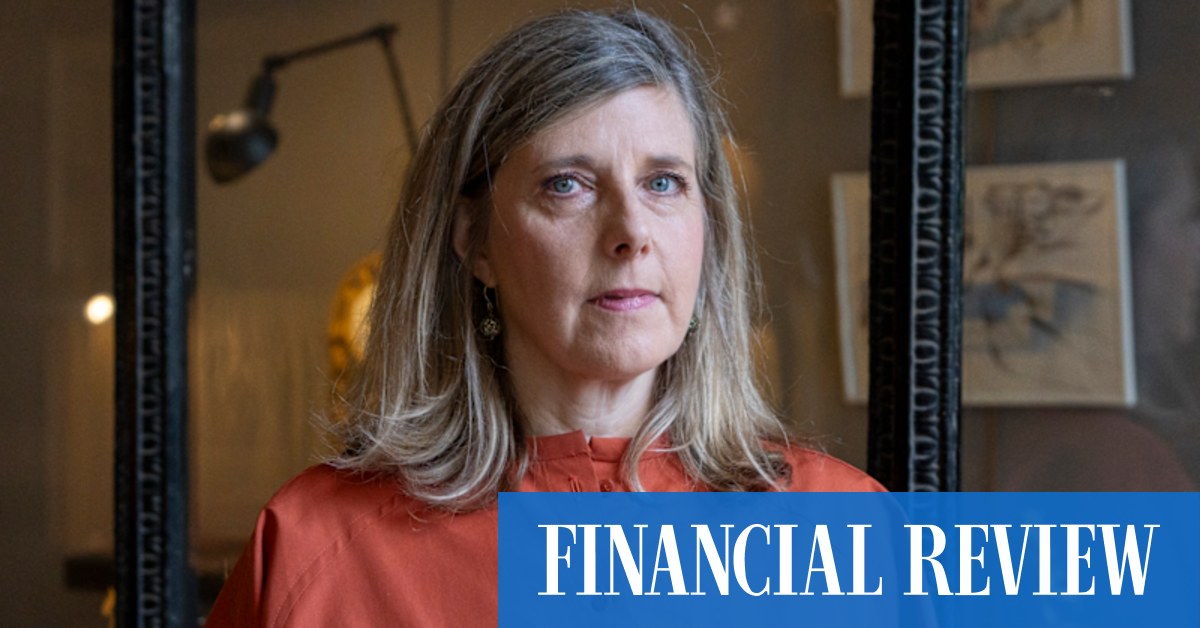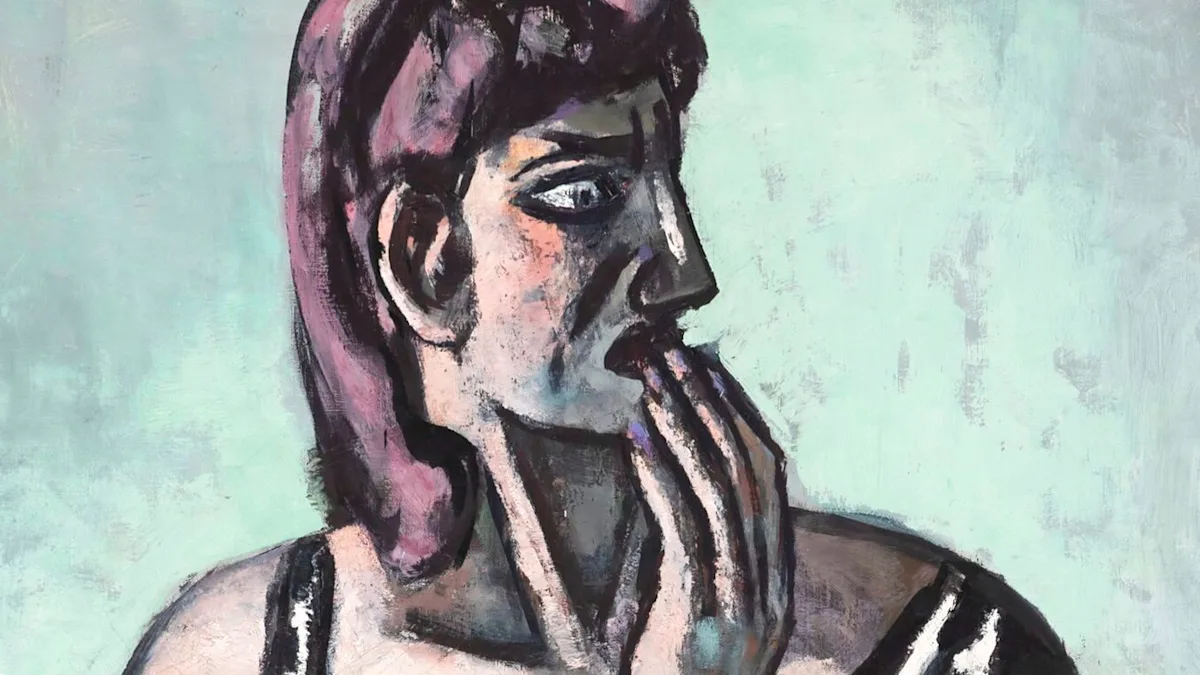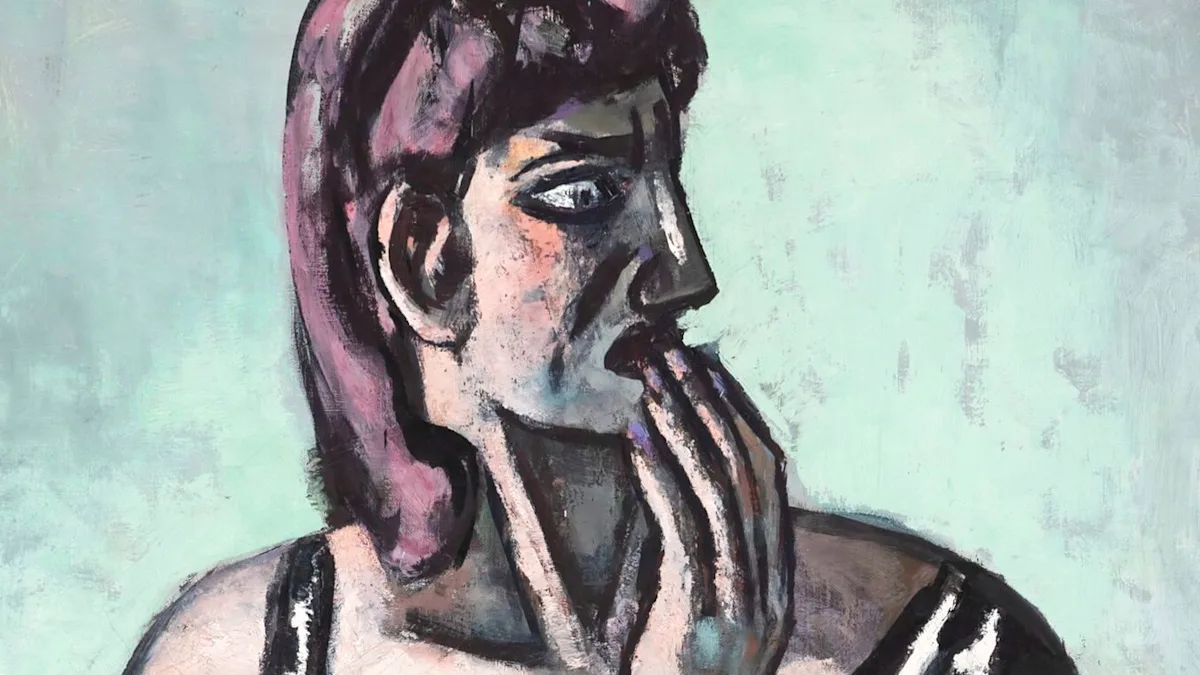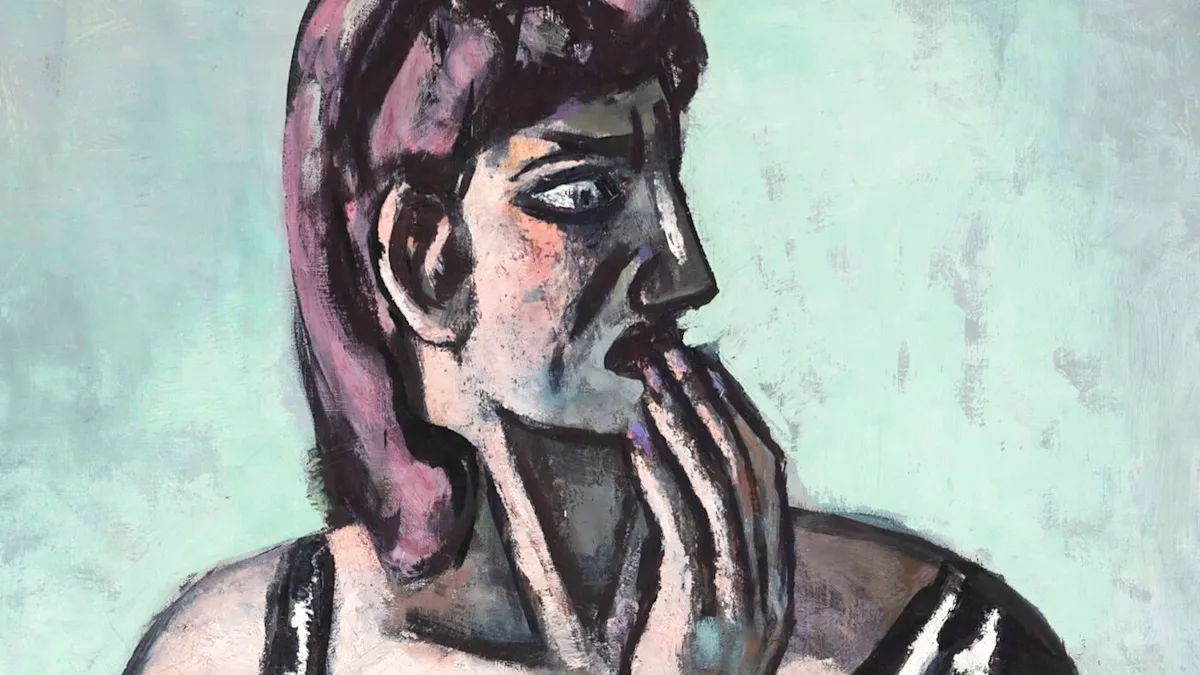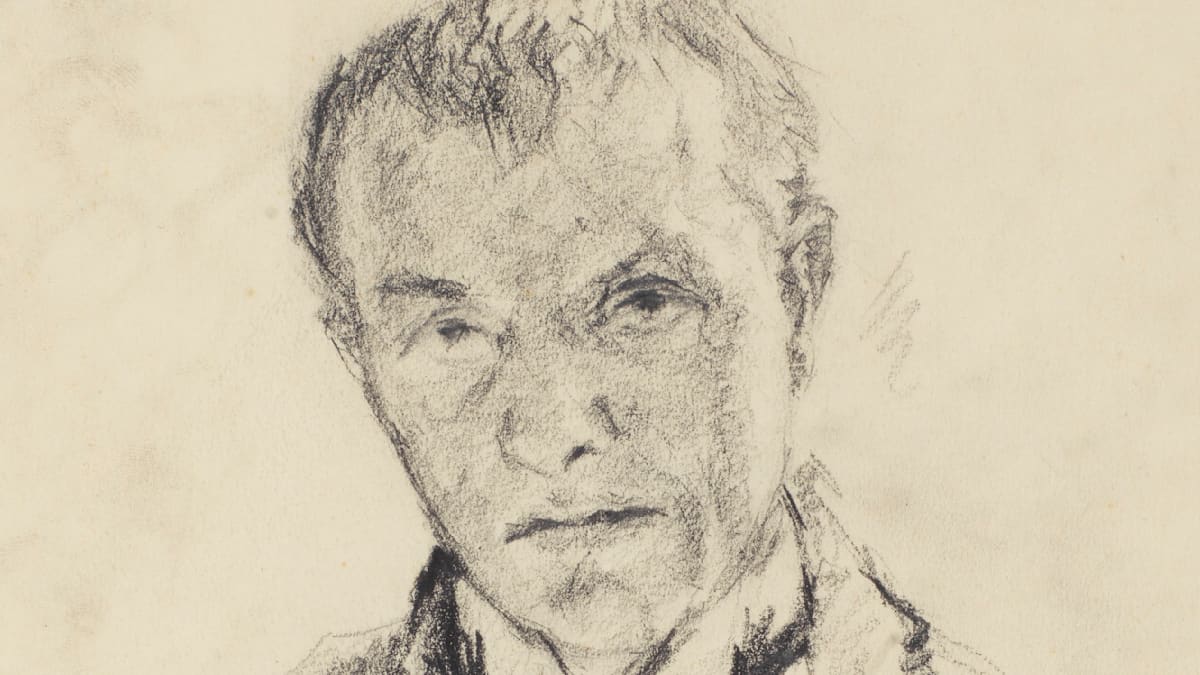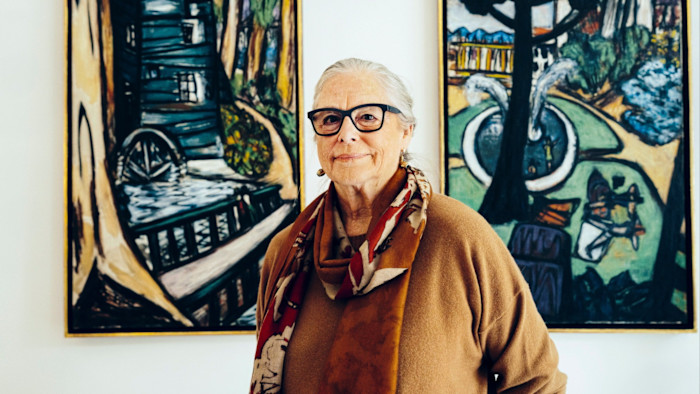
Mayen Beckmann was only two when her grandfather Max Beckmann, known as the German Picasso, died in New York City in 1950. But his legacy suffuses her entire life, and the need to share it feels more urgent than ever. Ahead of this year’s Art Basel fair, Mayen, an art restorer and in charge of Beckmann’s estate, has collaborated with Hauser & Wirth Basel on an intimate survey of her grandfather’s career, from a fanciful teenage self-portrait to one of his allegorical “Varieté” scenes about societal decay under the Weimar Republic.
‘Variété’ (Variety Show) (1927) by Max Beckmann © Courtesy Private Collection, USA
An intense expressionist (though opposed to the label), Beckmann left a vast body of work that spans both world wars. His nightmarish paintings were included in the Nazis’ 1937 Entartete Kunst (“Degenerate Art”) exhibition that infamously gathered artists the party found un-German and immoral. Greeting millions in the show’s entry gallery hung Beckmann’s “Descent from the Cross” (1917), envisioning Jesus as an angular, malnourished corpse. It draws on Beckmann’s own experience as a medical orderly during the first world war, after which he suffered a nervous breakdown.
Shortly before the exhibition opened, Hitler declared modernist art a national threat, pledging to purge the Reich of its influences. Within days, Beckmann and his wife Quappi had fled to exile in Amsterdam. In 1947, he finally immigrated to the United States to take up a professorship of fine arts at Washington University, St Louis.