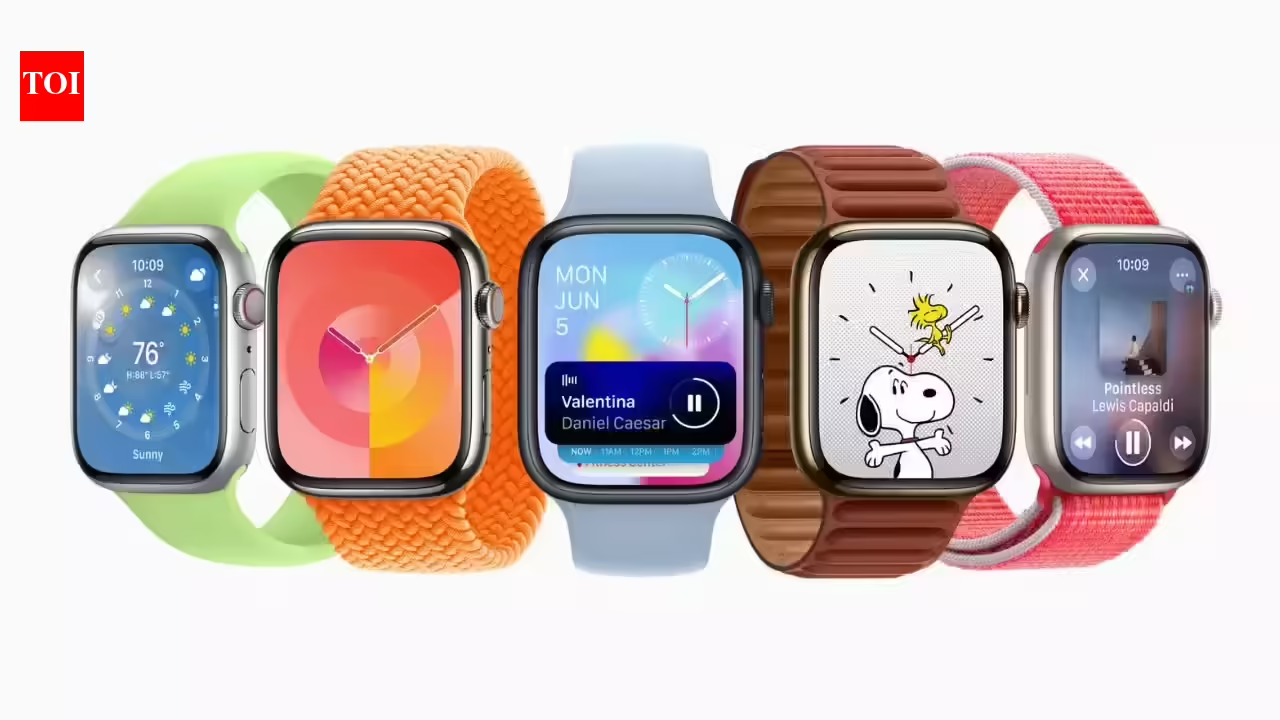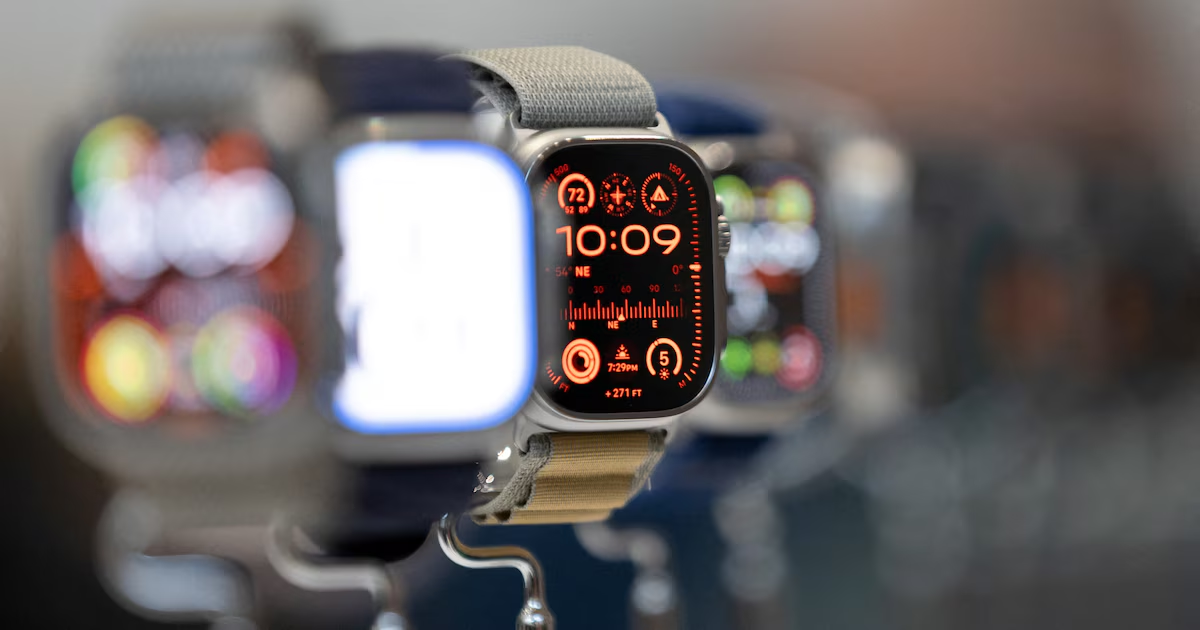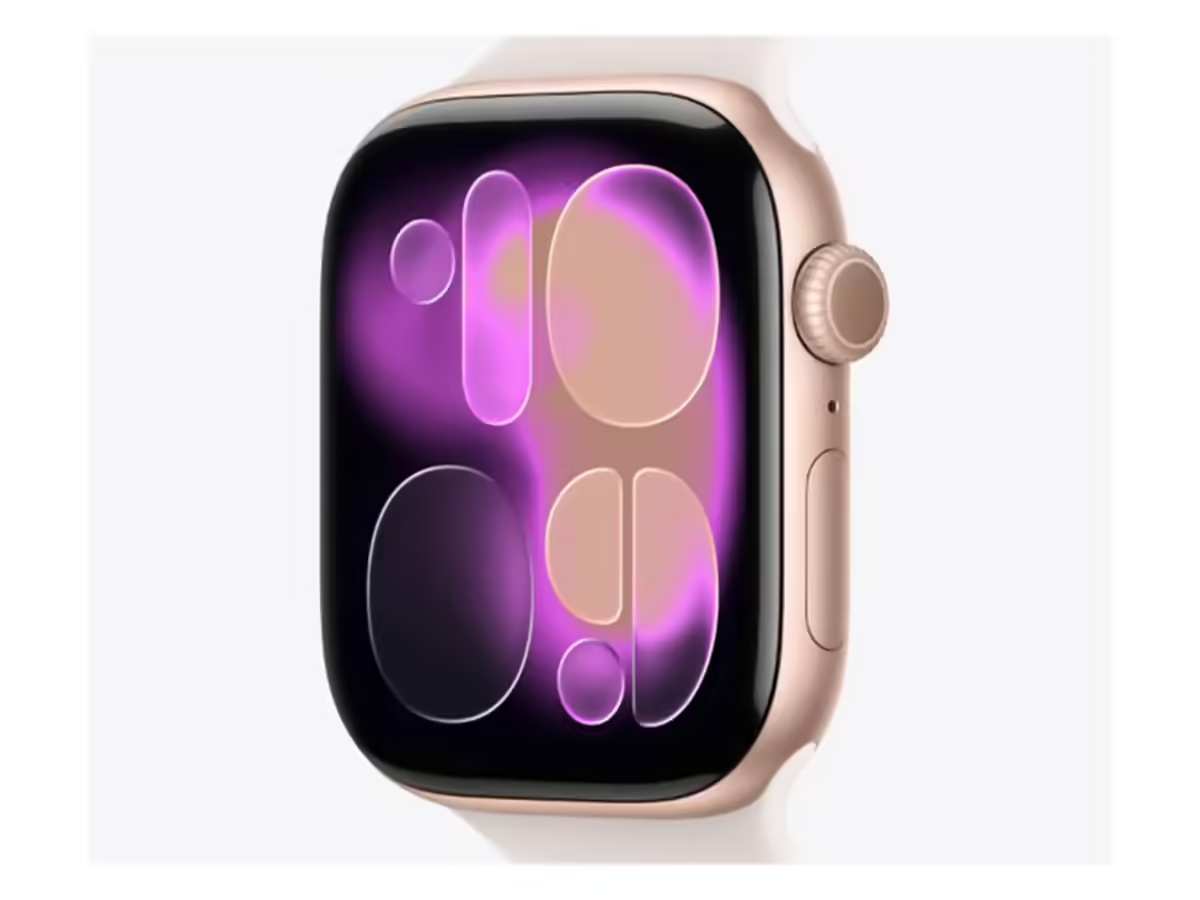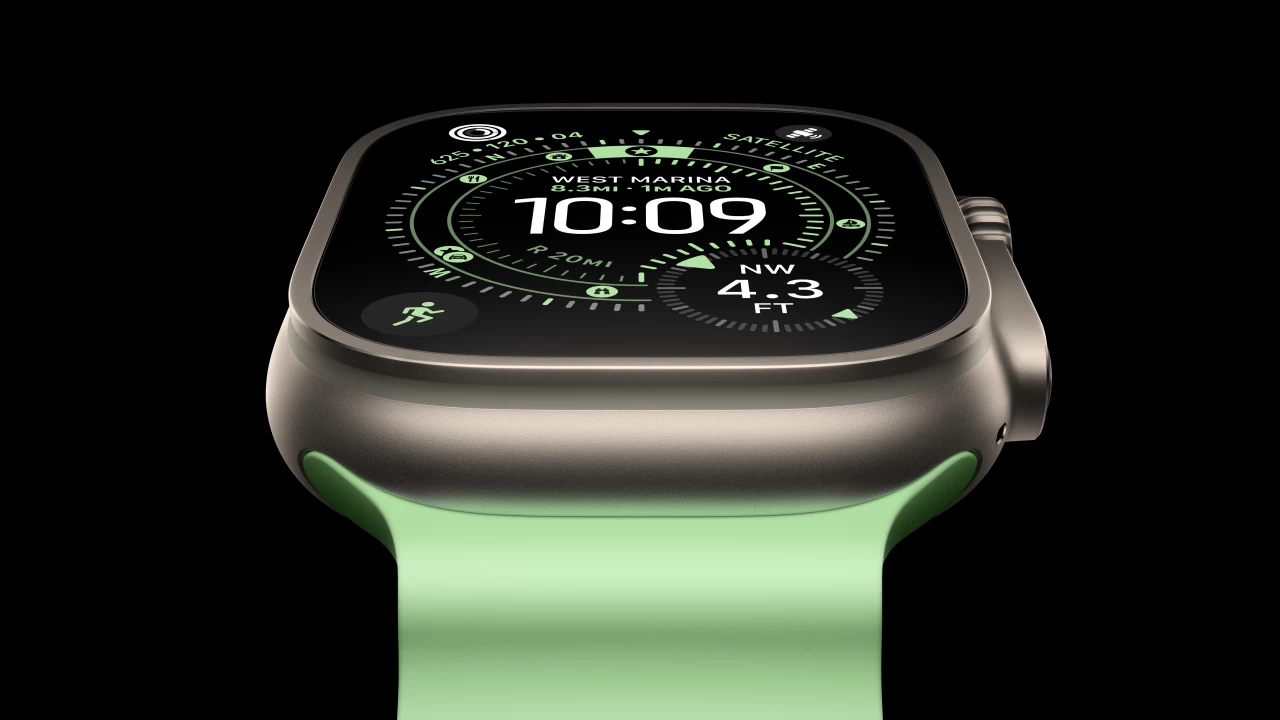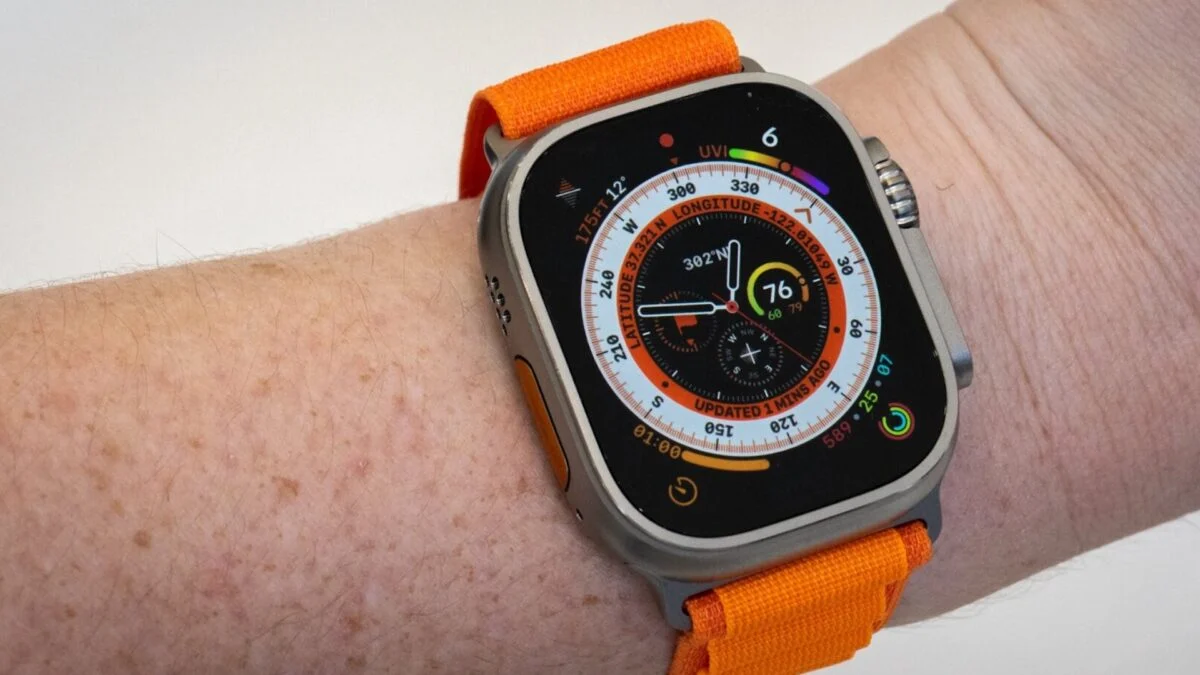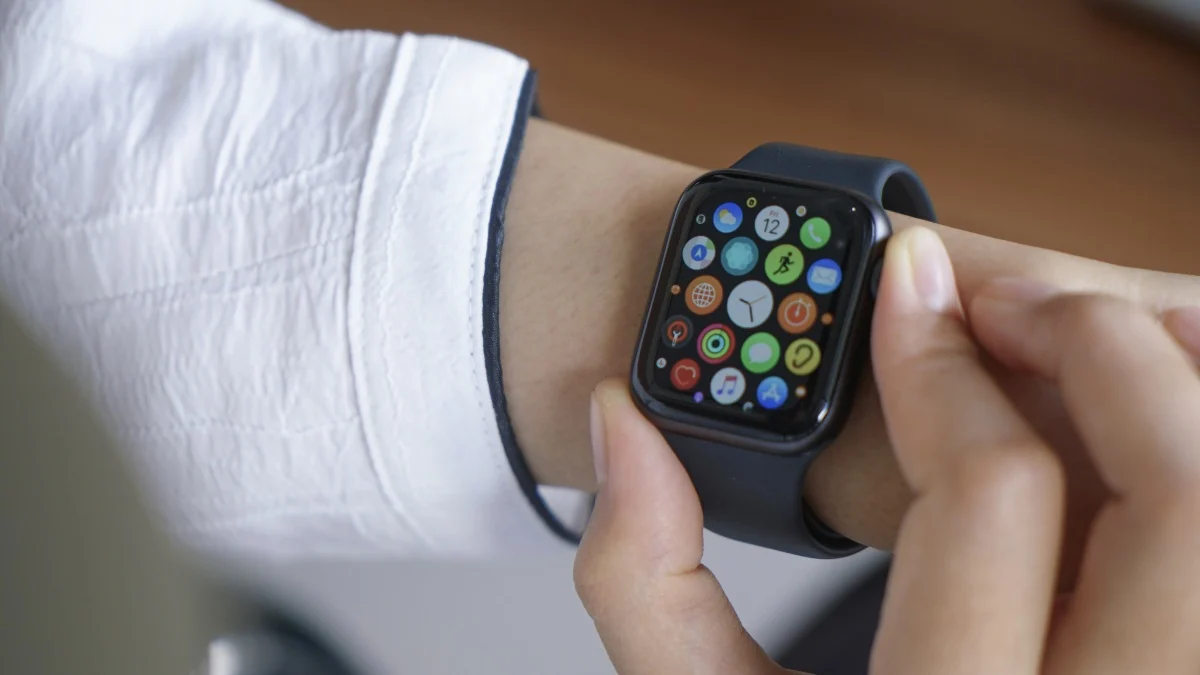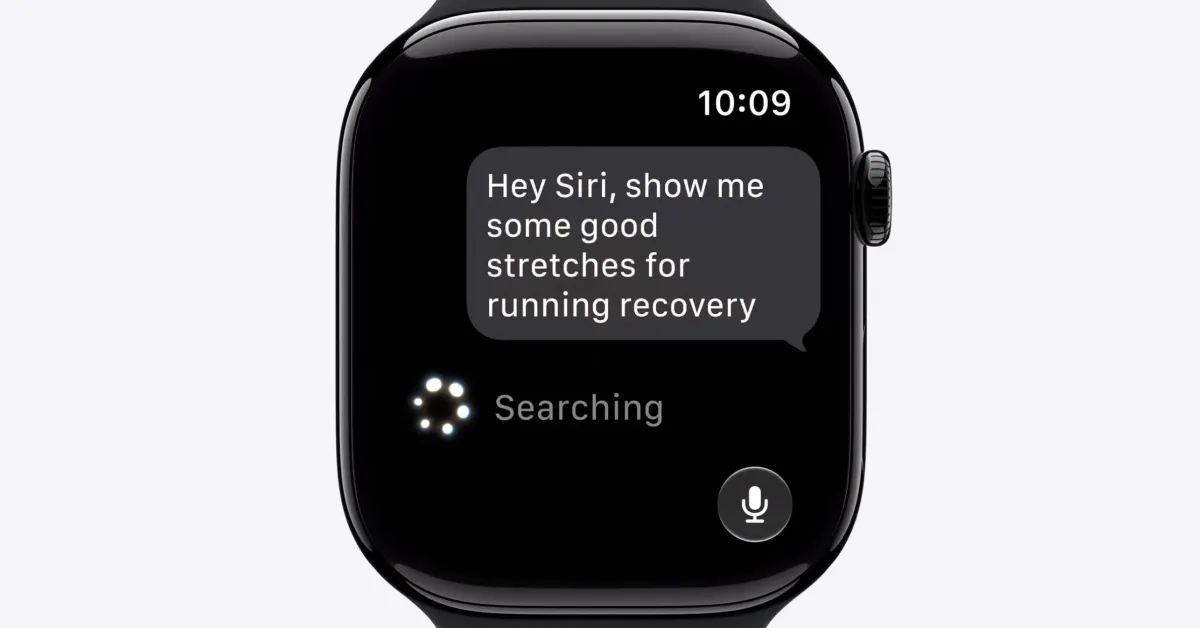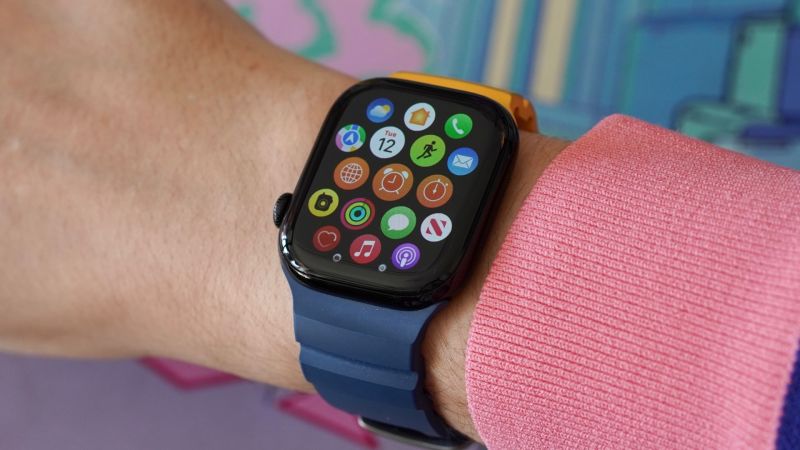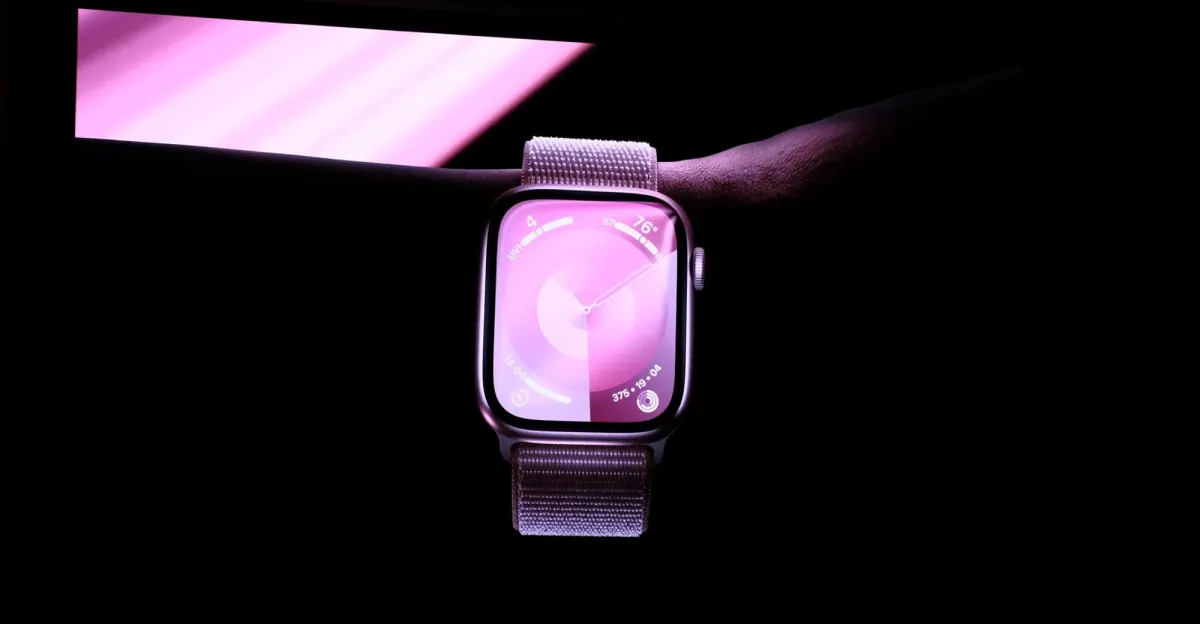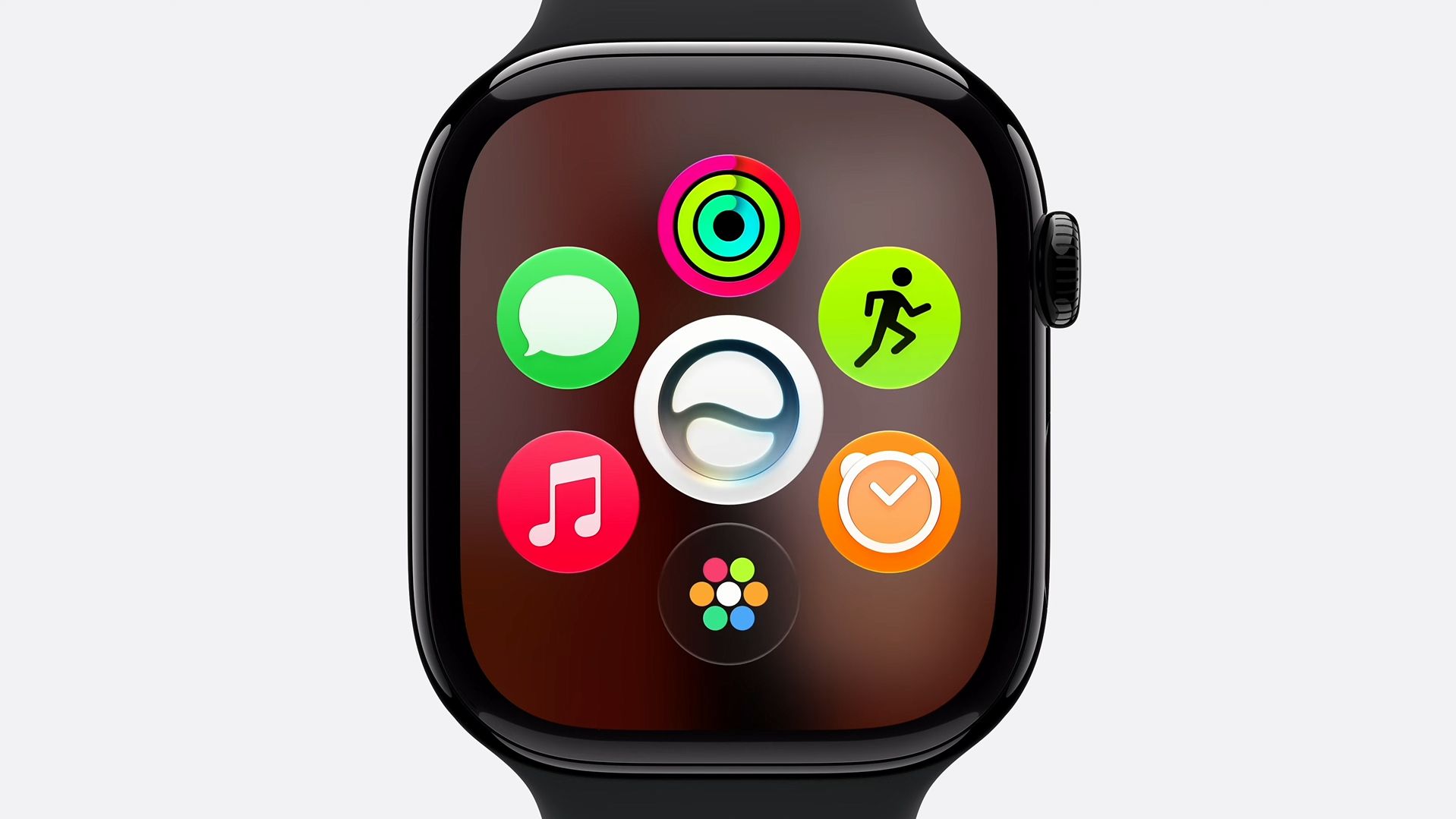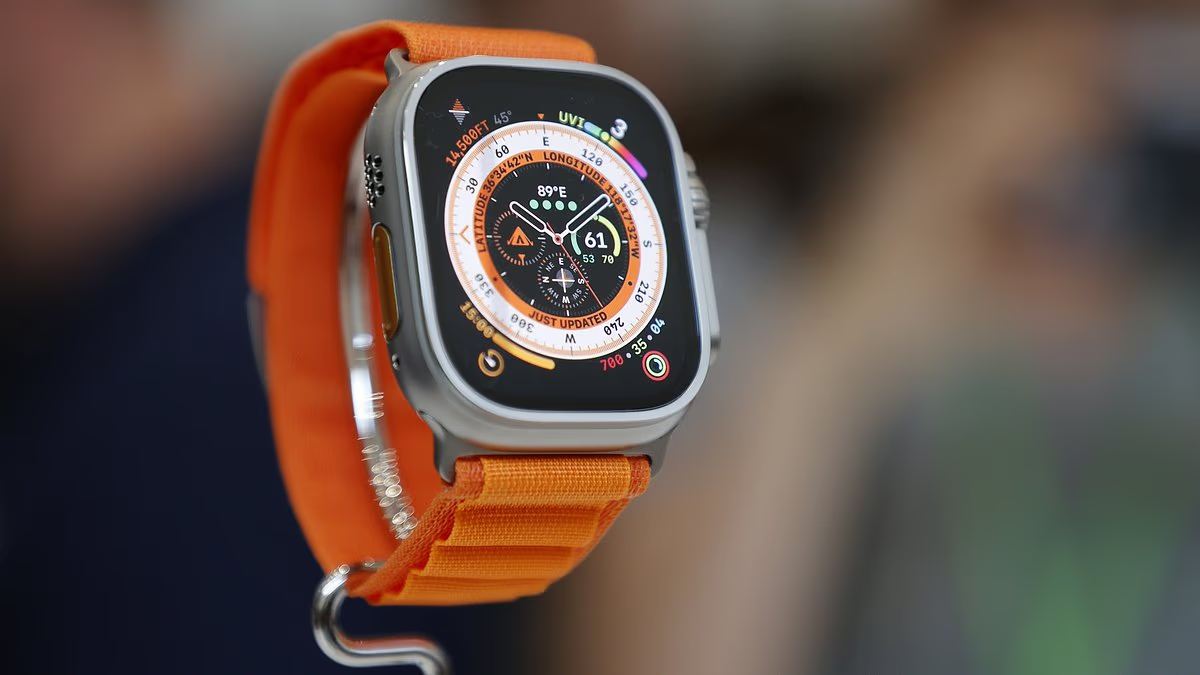
Apple unveiled its latest software updates at its Worldwide Developers Conference (WWDC) last night – but the news will leave some tech fans disappointed.The tech giant quietly dropped support for five popular Apple Watch models, rendering these popular gadgets obsolete.Without access to the latest software, users will be left without support if something goes wrong and won't be able to enjoy Apple's new features.To make matters even worse, some of these expensive Apple Watches were only released four years ago.These massive changes are due to the announcement of watchOS 27, the latest AI–centred operating system for Apple Watches.This update brings the newly improved Siri AI, support for hand gesture tracking, an AI 'Workout Buddy', and a new app for perimenopause and menopause support.However, likely due to the intense demands of these new features, models featuring older chips won't be able to update to the new software.So, has your Apple Watch suddenly become obsolete? Apple has quietly dropped support for five popular Apple Watch models, including the four–year–old Apple Watch Ultra (pictured) After Apple released the previous generation operating system, watchOS 26, last year, 11 Apple Watches could work with the new software.However, an Apple spokesperson confirmed that only six watches will now be compatible with watchOS 27.Those are the Apple Watch Ultra 3, Apple Watch Ultra 2, Apple Watch Series 11, Apple Watch Series 10, Apple Watch Series 9, and Apple Watch SE 3.The situation has been made even more stressful for Apple fans as the official website initially claimed that the three–year–old Apple Watch Series 9 would not be compatible.This error has since been corrected after users found they could still download a test version of watchOS 27 on their supposedly defunct watches.That leaves five watches that will no longer be supported by Apple's most up–to–date software.Those are the Apple Watch SE (2nd gen), Apple Watch Series 6, Apple Watch Series 7, Apple Watch Series 8, and Apple Watch Ultra.In the past, Apple has supported Apple Watches with the latest software for six years after their release. The issue stems from the release of watchOS 27 (pictured), the latest Apple Watch operating system, which has AI features that are too demanding for older models Which Apple Watches will not be supported for watchOS 27? Apple Watch SE (2nd gen) Apple Watch Series 6 Apple Watch Series 7 Apple Watch Series 8 Apple Watch UltraUpdating to watchOS 27 also requires iPhone 11 or later or iPhone SE (2nd generation or later) with iOS 27 For example, watchOS 26 worked fine on the Apple Watch Series 6, which was released in 2020.This news will come as a big blow to owners of the Apple Watch Series 8 or Apple Watch SE (2nd gen), which were only launched in 2022.However, the biggest shock will be for fans of the first–generation Apple Watch Ultra.This premium smart watch was released as a top–of–the–line product at a staggering cost of £849 ($799 US price) in September 2022, giving users less than four years of support.The extremely recent cutoff likely stems from the fact that none of these models features the powerful S9 chip needed for AI tasks.The S9 chip was released in 2024 with the launch of the Apple Watch Series 9 and Apple Watch Ultra 2, the oldest watches that are still compatible.While Apple did not comment on the reason for the change, it is likely that the watchOS 27 is too demanding to run on any less powerful chips.Core features will still work on unsupported watches, but there could be issues further down the line. Only six Apple Watch models will be compatible with the new software, all of which have the newer S9 or S10 chips The news will be a blow to owners of the Apple Watch SE (2), which was released less than four years ago Users may find that some apps can no longer be updated in the future if they rely on features that can only work in the latest operating system.Apple did not comment on whether the devices would continue to receive security updates and support.However, this service is usually offered for around five to seven years after an Apple device is released.The decision to ditch these relatively new devices has sparked outrage on social media, with some fans calling it a 'slaughter.'On X, one commenter wrote: 'My Apple Watch Ultra 1st Gen is still perfectly fine. It so could support watchOS 27. Apple please reconsider this slaughter.''If they want to force people to upgrade and not support older tech, I’ll go somewhere that does,' added another.While one furious commenter vented: 'Hopefully we see a lawsuit behind this terrible consumer decision.'THE TRILLION DOLLAR RISE OF APPLE1976: Founders Steve Jobs, Steve Wozniak and Ronald Wayne created the company on April 1, 1976, as they set about selling computer kits to hobbyists, each of which was built by Wozniak.The first product was the Apple I. 1977: Apple released the Apple II in June, which was the first PC made for the mass market. Steve Jobs unveils Apple Computer Corporation's new Macintosh in California on February 6, 19841981: Jobs became chairman. 1984: The Macintosh was introduced during an ad break for the Super Bowl and later officially unveiled during a launch event. It was discontinued a year later and Jobs left the firm.1987: Apple released the Macintosh II, the first colour Mac.1997: Apple announces it will acquire NeXT software in a $400 million deal that involves Jobs returning to Apple as interim CEO. He officially took the role in 2000. Steve Jobs, then-chief executive officer of Apple, with the iPhone2001: Apple introduced iTunes, OS X and the first-generation iPod.The first iPod MP3 music player was released on October 23, 2001, at an event in Cupertino and was able to hold up to 1,000 songs.2007: Apple unveils the iPhone. 2010: The first iPad was unveiled.2011: Jobs resigned in 2011 due to illness, handing the CEO title to Tim Cook. Jobs died in October from pancreatic cancer.2014: Apple unveiled the Apple Watch. It also unveiled its first larger iPhones - the 6 and 6 Plus. 2015: After purchasing Beats from Dr Dre, Apple launched Apple Music to compete with Spotify and other music streaming services. 2016: Apple returned to its roots and announced the 4-inch iPhone SE. Meanwhile, the firm is embroiled in a legal battle with the FBI, involving the agency demanding access to the locked phone used by Syed Farook, who died in a shootout after carrying out a deadly December attack in San Bernardino, California, with his wife. The court order was dropped on March 28 after the FBI said a third party was able to unlock the device. 2017: Apple introduces the iPhone X, which removes the home button to make way for a futuristic edge-to-edge screen design and a new FaceID system that uses advanced sensors and lasers to unlock phones with just the owner's face. Jobs at an Apple event at the company's headquarters in Cupertino, California2018: In a first for the company, Apple introduces new features in its latest operating system, iOS 12, that encourage users to manage and spend less time on their devices. The move was spawned by a strongly worded letter from shareholders that urged the firm to address the growing problem of smartphone addiction among kids and teenagers. 2019: In January, Apple reports its first decline in revenues and profits in a decade. CEO Tim Cook partly blamed steep declines in revenue from China.2020: In March, Apple closes all its brick-and-mortar retail stores outside of China in response to coronavirus. 2021: In an online virtual event in April, CEO Tim Cook declares Apple's goal of becoming carbon neutral for Earth Day. Later in the year, the iPhone 13 was announced. 2022: In September, the iPhone 14 was announced. One of the new features included a new sensor to detect if a user had been in a car crash, as well as an improved camera system. 2023: Apple brings back its 'Home Pod' after the first generation was discontinued. The 'Home Pod' can be seen as an alternative to Amazon's Alexa or Google Home, as it is powered by voice commands. 2024: Apple makes its first steps into artificial intelligence with the release of Apple Intelligence. The features are not all released at once, with many delayed until the following year. 2026: Apple announces a leadership shakeup. After 15 years leading the company, Tim Cook steps aside from his position as CEO to become executive chairman. John Ternus, 51, Apple's widely respected hardware chief, will take over as CEO on September 1.
Apple just made five popular Apple Watches 'obsolete'
After Apple unveiled its latest software updates at the Worldwide Developers Conference (WWDC), some tech fans are in for an unexpected disappointment.
1,430 words~7 min read