Oliver Van Camp is Product Director at Barco Clickshare, where he enables IT and business leaders to drive effortless hybrid collaboration.gettyHybrid work has transformed IT from a back-office function into a driver of employee experience. Today’s IT leaders are keeping systems running, while also orchestrating how teams connect, collaborate and thrive across locations.At the same time, rising expectations, fragmented toolsets and mounting workloads are stretching IT teams thin. While AI is often dismissed as an added layer of complexity, its most immediate value shows up in a space IT already manages daily: the meeting room, one of the most difficult environments to standardize across distributed offices.Intelligent meeting spaces offer a clear, near-term opportunity for AI to reduce friction, bringing consistency to collaboration and visibility into what happens inside the room. As physical spaces become more connected, meeting rooms are emerging as a foundation for both easing IT’s burden and enhancing the workplace experience.The Hidden Weight Of Hybrid Work Hybrid work has introduced new volatility to the meeting room, making consistency challenging to sustain. Attendance fluctuates, devices differ and teams rely on various collaboration platforms. The result is an unpredictable environment where performance issues lead to delays, disruptions and a growing volume of support requests.Post-pandemic, many IT teams have shifted to centralized operations and support multiple offices remotely. While this structure increases efficiency, it also magnifies the complexity of managing room performance without having eyes on every space.Limited visibility only makes the challenge harder. IT teams are often alerted to room failures after the fact, and diagnosing issues can be a time sink that pulls focus from strategic priorities. So, it’s not surprising that 60% of IT leaders report feeling burned out, with nearly 67% citing unmanageable workloads as a primary cause, according to a Gartner Peer Community poll. Many organizations have piloted AI tools to improve meetings (e.g., features like transcription, summaries and scheduling), but these efforts often remain disconnected from the physical meeting room.To reduce IT strain and bring consistency to collaboration, intelligence needs to be built into the meeting environment itself to ease management burdens. Without it, collaboration remains unpredictable, and IT remains overextended. From Guesswork To Insight: AI That Reduces IT OverheadAI in the meeting room restores the control and visibility that hybrid work has made harder to maintain. For centralized IT teams managing distributed spaces, this level of insight can mean the difference between proactive oversight and constant firefighting. Instead of reacting to issues, teams can design and manage environments that perform reliably, reducing operational noise and laying the groundwork for long-term transformation.1. Bringing Predictability To An Unpredictable WorkspaceIntelligent rooms continuously generate data on space usage, highlighting patterns like recurring delays, friction-prone setups and peak demand hours. With these insights, IT teams can shift from reactive support to proactive planning. That level of predictability is critical for managing complex, distributed workspaces, especially for centralized teams overseeing dozens of locations.AI-enabled rooms also automate updates and perform routine system checks, ensuring spaces stay meeting-ready without the manual oversight IT teams have historically shouldered. This reliability minimizes daily disruptions and reinforces trust that the room will perform when it matters.2. Providing Real-Time Visibility Without The Ticket BacklogIT support is largely reactive. Issues surface only after a meeting goes off the rails. AI changes that. With sensors and intelligent diagnostics, performance problems like lagging audio or faulty connections are detected in real time, enabling teams to address them before they disrupt collaboration.This proactive visibility significantly lightens the support burden. Instead of relying on anecdotal complaints, IT leaders can monitor room health across their footprint and allocate resources more strategically.3. Reducing Fragmentation Across The WorkplaceHybrid work has introduced fragmentation (i.e., the use of different devices, platforms and meeting habits across teams). AI brings order to that complexity by dynamically adapting each room to the needs of the moment.From adjusting lighting and audio to syncing displays and launching platforms with minimal input, AI streamlines the technical choreography that too often disrupts meeting flow. For end users, that means fewer barriers to engagement. For IT, it means less firefighting and more consistency across the board.By minimizing friction at the point of collaboration, AI reduces both the cognitive load on employees and the operational load on IT teams.4. Supporting A More Strategic IT FunctionAs intelligent meeting rooms handle more day-to-day support (automating updates, monitoring system health and flagging issues early), IT teams regain the capacity to focus on higher-value workplace strategy.Data from AI-enabled environments sheds light on how teams engage, where collaboration breaks down and which setups drive meaningful interaction. These insights drive smarter decisions about hybrid schedules, space utilization and workplace culture, transforming the meeting room from a technical asset into a source of strategic advantage.Instead of reacting to problems, IT leaders use this visibility to guide the workplace’s evolution and foster a more intentional approach to collaboration that aligns technology with how people truly work.Designing Technology That Works For PeopleAI-enabled meeting spaces prove that automation can reduce complexity and give IT greater control over the environments they support. When intelligence is built into physical spaces, technology shifts from a source of disruption to a driver of stability.Organizations that embed intelligence at the room level give IT the ability to work more efficiently, respond with greater precision and contribute more strategically. For IT leaders managing the complexity of distributed offices from a central hub, easing the burden starts with intelligent spaces. Embedding AI where work happens, inside the room, creates a foundation for both reliability and resilience.Forbes Technology Council is an invitation-only community for world-class CIOs, CTOs and technology executives. Do I qualify?
How AI-Enabled Meeting Spaces Are Step One In Easing IT’s Burden
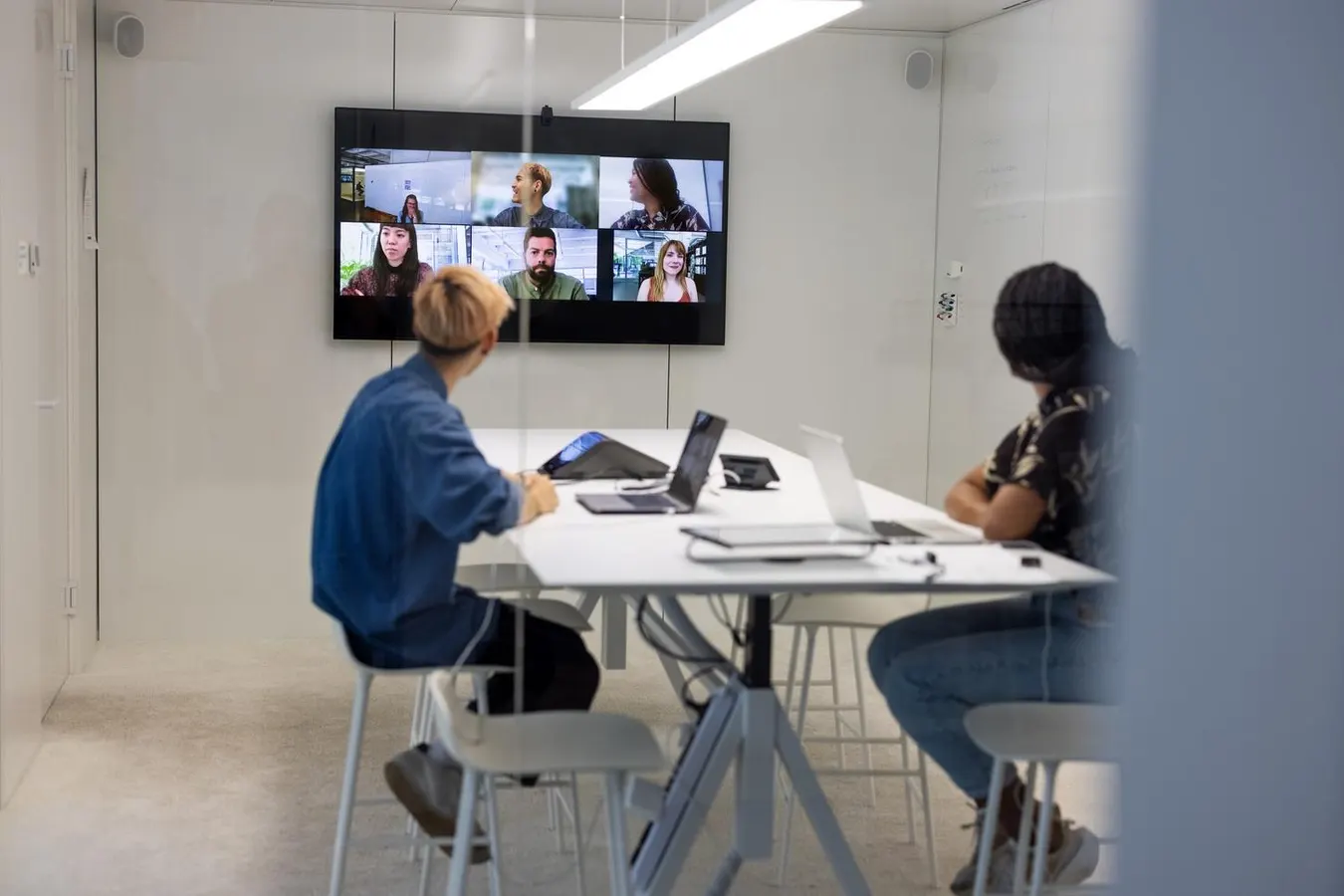
As physical spaces become more connected, meeting rooms are emerging as a foundation for both easing IT’s burden and enhancing the workplace experience.
930 words~4 min read