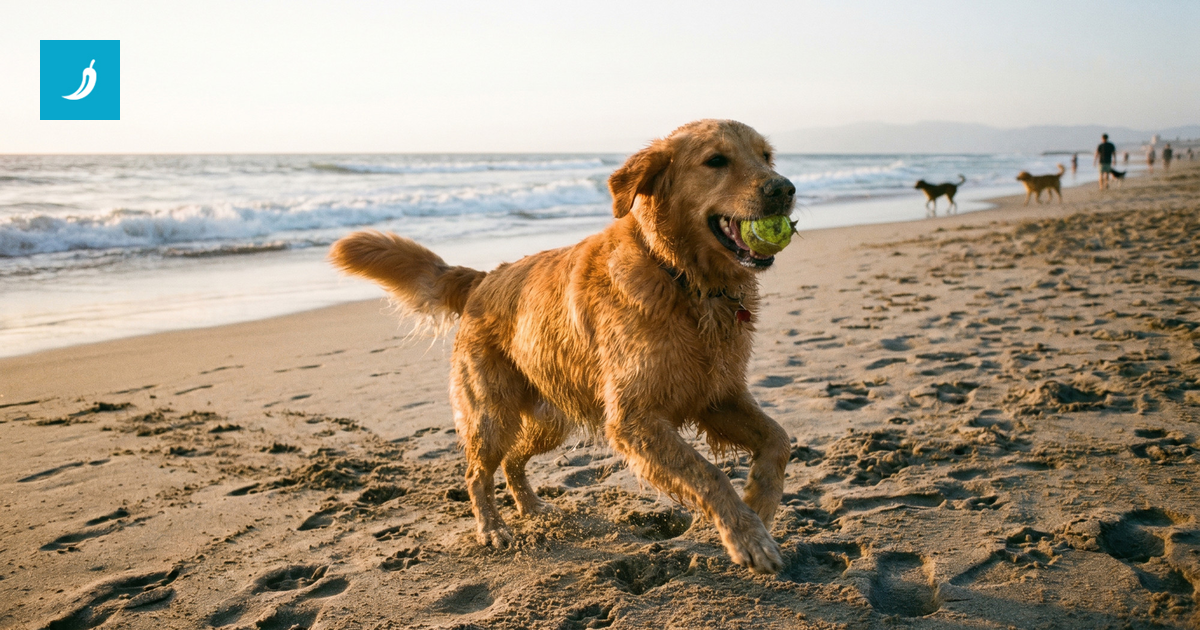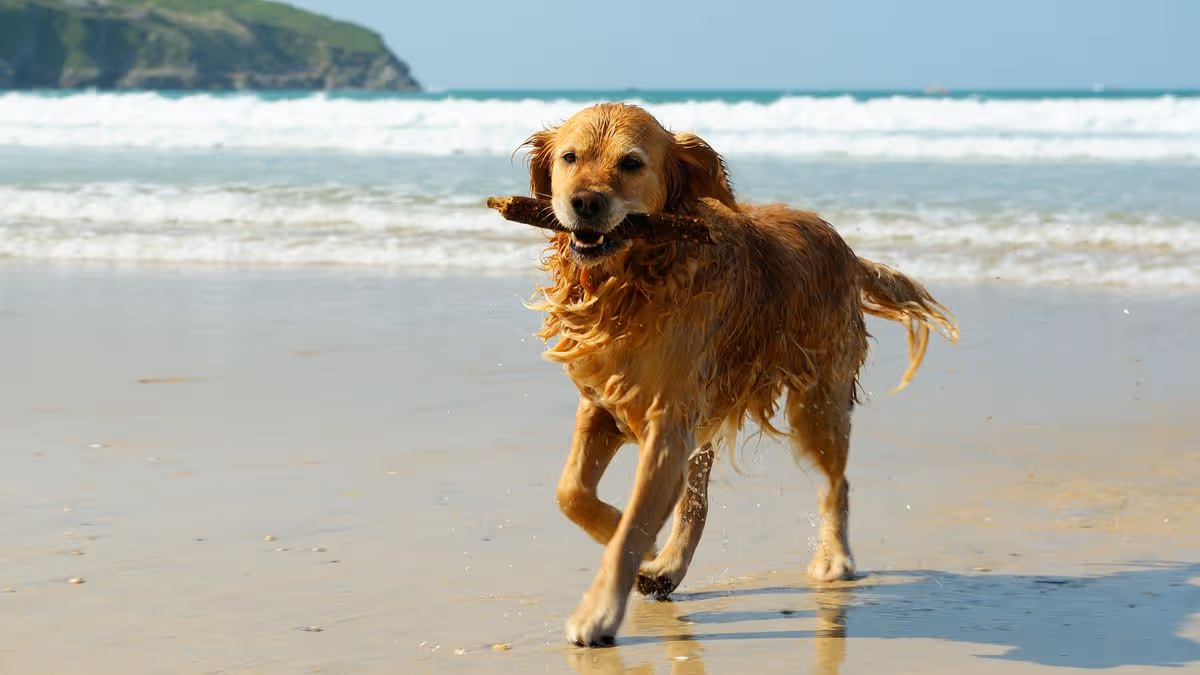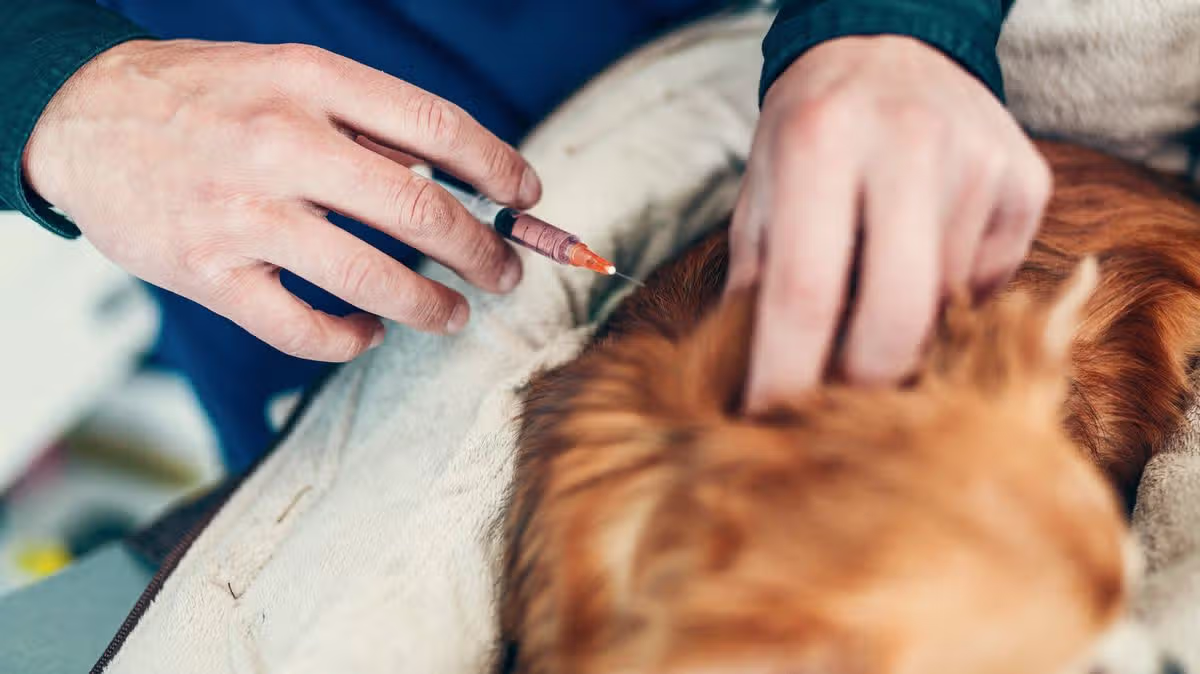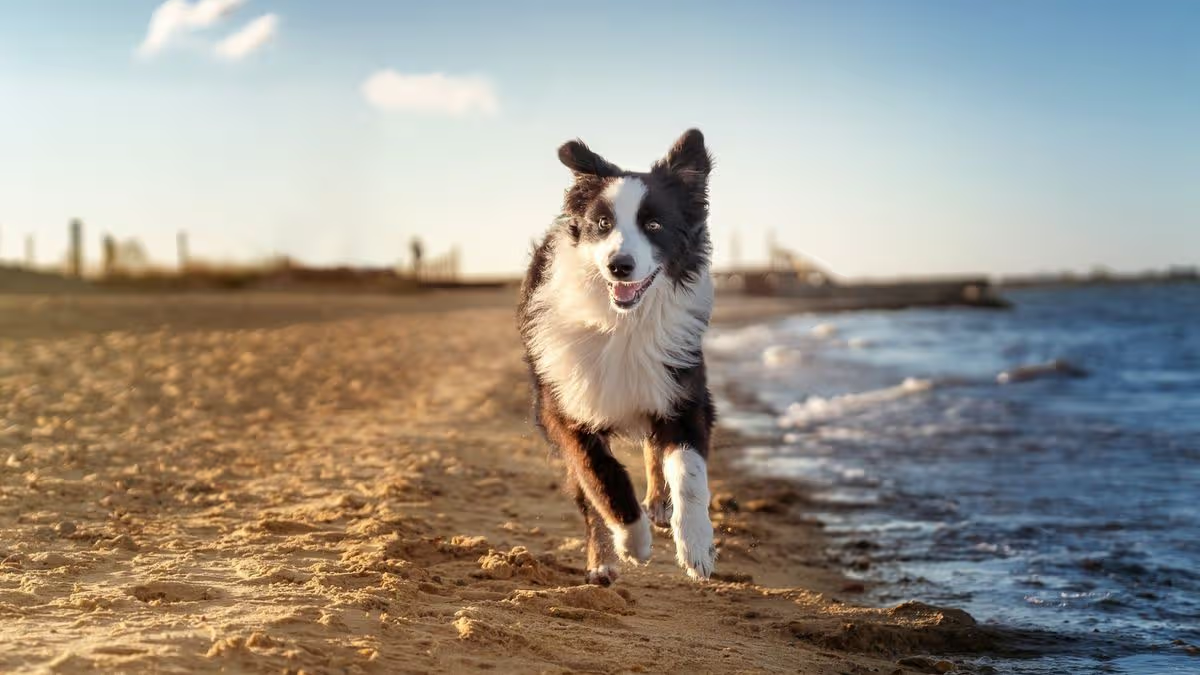
Sarah Rose, who established her own dog training school has issued a warning as we head towards summer over a 'silent killer' in canines that often occurs after visiting the beach11:45, 09 Jun 2026A dog trainer has issued a stark warning over a "silent killer" she claims many people with a four-legged friend aren't aware of.Sarah Rose, whose training school is based in Cornwall, said she wants to raise awareness of the problem in a TikTok video, and it's one that occurs more frequently in the warmer months of the year."I've not spoken about this before and I have never heard other dog trainers talk about it either," she began in a video. "So we need to make sure every owner has an understanding about it because I'm sure it's something we all think we know, but we just don't think about."So, what is the ailment Sarah is referring to? She explained: "Sand impaction. I've always known about this living most of my life close to the beach, but I have never known a dog become ill with it - until the last half term [May 2026) when two dogs here on their holidays got very poorly."Sarah continued: "Make no bones about it – sand impaction can kill your dog."Content cannot be displayed without consentAccording to the trainer there are two activities that canines enjoy most on the sand that you ought to be wary of."That's to play ball and to dig holes," she elaborated. "And both are very good reasons your dog might suffer sand impaction."Sarah's advice during the former activity is to "throw away all your tennis balls" and instead use smooth balls that sand can't attach to in the "fuzzy bits". In addition, always ensure your pet takes plenty of breaks whilst playing with a ball."Within those breaks you should ensure you wash your ball in a rockpool or from any water you may have with you," Sarah added. "Don't keep giving them a sandy ball and make sure they drink from a bowl where there's no risk of sandy water because clean water can actually flush any sand away as it goes into the mouth."As for digging holes, Sarah said she sees this activity so often with dogs' heads facing down towards the sand while their owners relax in the sunshine, unaware of any danger."Unfortunately, this is probably one of the most dangerous ways to get sand ingested because they kick it into the back of their throats," she cautioned. "So please, if your dog is a digger on the beach, make sure that you stop them from doing this."Change their behaviour and shape a new one, or if they're not willing to do that, put them on a lead and have them sit with you and chill out and have a break while providing fresh water."When it comes to the impact of the sand, Sarah pointed out that it enters the dogs' moist system, stomach and intestines - where clumps form and cause blockages."This is what can kill your dog," she closed.The advice is supported by Animal Friends Pet Insurance, who list the symptoms of sand impaction online. These include:Restlessness (e.g. panting, pacing, unsettled)Loss of appetiteVomitingDiarrhoeaSwollen tummyPainful tummyStraining while toiletingThe signs of sand impaction can take a few days to appear, but you should contact your vet immediately if you notice any of the symptoms.Article continues belowThey go on to advise: "The first steps the vet will take include checking your dog’s current condition and asking you for more details. Then, your dog will need a blood test and an x-ray, so the vet can decide whether the case is mild, moderate, or severe."For a mild case of sand impaction, the vet might give your dog medicine to ease discomfort and recommend a short stay at the vet practice for monitoring. In moderate cases of sand impaction, the vet will likely treat your dog using fluids and stronger medicines, which would require your dog to stay at the vet’s overnight."Severe cases of sand impaction, that don’t respond well to treatment, might lead to your dog needing surgery to remove the impacted sand."
Dog trainer's stark advice about 'silent killer' that many owners don't realise
Sarah Rose, who established her own dog training school has issued a warning as we head towards summer over a 'silent killer' in canines that often occurs after visiting the beach
687 words~3 min read