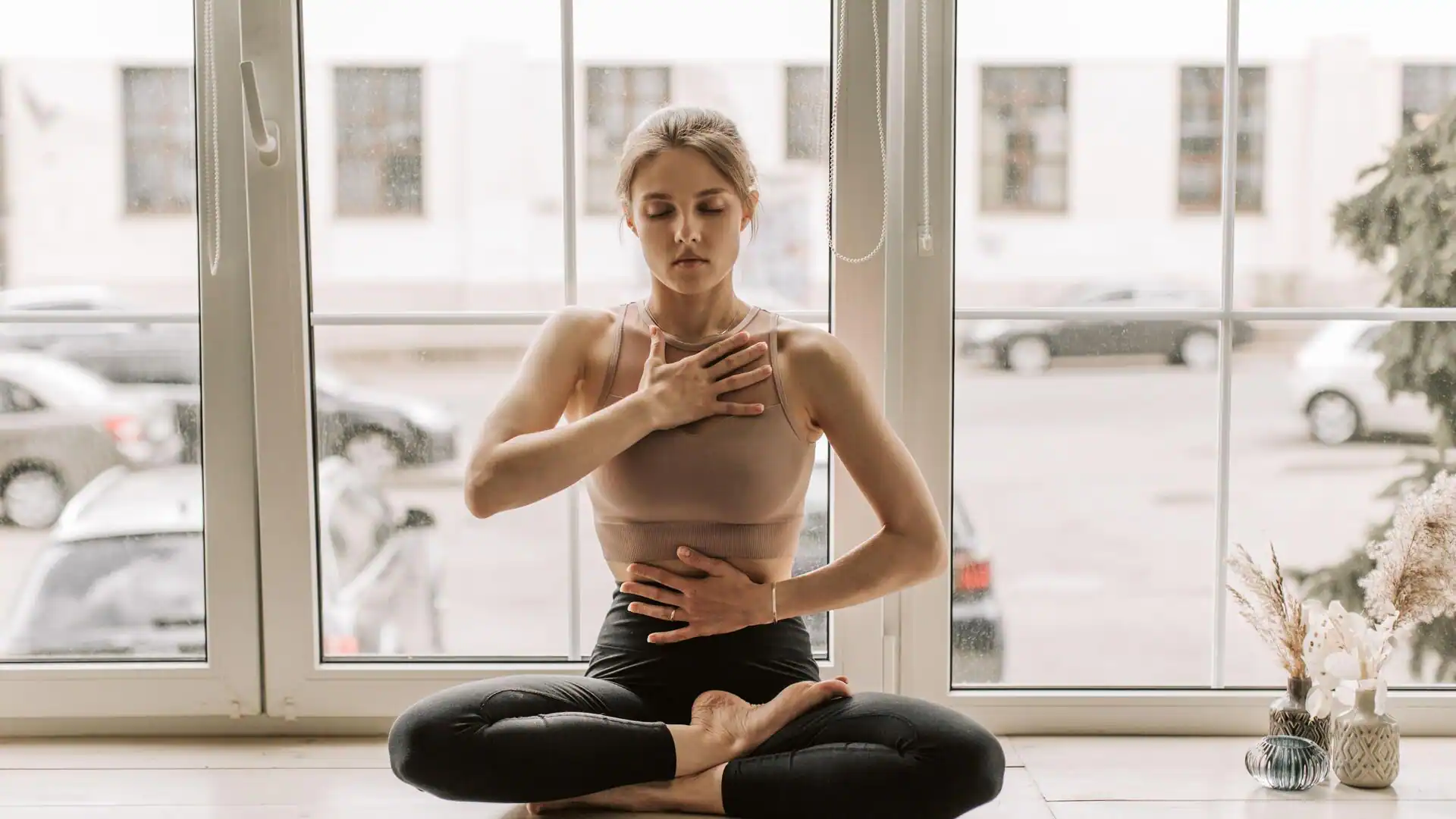
Similar to the popular 4-7-8 breathing technique used in meditation and yoga practices, the 4-4-8 exercise helps relax your nervous system and calm yourself. Stress and anxiety have become a part of everyday life for people these days. No matter how hard you try to be peaceful, dealing with work pressure, personal challenges, or simply feeling overwhelmed by a busy schedule can quickly make your mind and body tense. During moments like these, breathing exercises can help you slow down and regain focus.Feeling anxious and stressed? Try the 4-4-8 breathing technique to calm yourself (Pinterest)One technique that is gaining attention for its calming effects is the 4-4-8 breathing method. Similar to the popular 4-7-8 breathing technique used in meditation and yoga practices, this exercise is designed to help relax your nervous system and bring a sense of calm. The key difference is that the breath-holding period is shorter, making it easier for many people to practice, especially beginners.ALSO READ: 3 breathing techniques that can help you relieve stressThe main goal of the 4-4-8 breathing technique is to calm the sympathetic nervous system, which controls your body's fight-or-flight response. Your breathing often becomes shallow and rapid when you are anxious. By slowing your breath and extending your exhale, you signal to your body that you are safe, helping reduce feelings of tension and anxiety.How to ractice the 4-4-8 Breathing TechniqueThe method is simple and can be done almost anywhere, whether you are sitting at your desk, relaxing at home, or preparing to sleep.Follow these steps:Breathe in through your nose while counting to four.Hold that breath for another count of four.Breathe out steadily through your mouth while counting to eight.While breathing out, allow your shoulders to relax and release any tension you may be holding in your body.Once your shoulders relax during the exhale, try to maintain that sense of ease as you inhale and hold your breath. Repeat the cycle several times, focusing only on the rhythm of your breathing.ALSO READ: Box breathing: How to calm your mind in 60 seconds using this meditation techniqueWhy the long exhale mattersThe most important part of this technique is the extended exhale. Breathing out for longer than you breathe in helps activate the vagus nerve, a key part of the body's relaxation response.When the vagus nerve is stimulated, your heart rate can slow down, your muscles may relax, and your mind often feels calmer. Think of it as a gentle reminder to your nervous system that there is no immediate danger. The longer and steadier the exhale, the more your body shifts away from stress mode and toward relaxation.If you are feeling anxious, overwhelmed, or unable to switch off racing thoughts, take a few minutes to practice the 4-4-8 breathing method. Sometimes, something as simple as slowing your breath can make a noticeable difference in how you feel.ALSO READ: 4 Pranamaya practices to help relieve anxietyDisclaimer: Breathing exercises can support relaxation and stress management, but they are not a substitute for professional medical or mental health care. If you experience persistent anxiety, panic attacks, or other mental health concerns, consult a qualified healthcare professional.Kanakanjali Roy is a journalist currently serving as Deputy Chief Content Producer at HT Digital Streams, where she writes about astrology, lifestyle, and psychology. Her work covers topics such as tarot readings, zodiac compatibility, and emotional well-being, helping readers understand their lives with clarity.
Feeling anxious and stressed? Try the 4-4-8 breathing technique to calm yourself
Similar to the popular 4-7-8 breathing technique used in meditation and yoga practices, the 4-4-8 exercise helps relax your nervous system and calm yourself.
767 words~3 min read