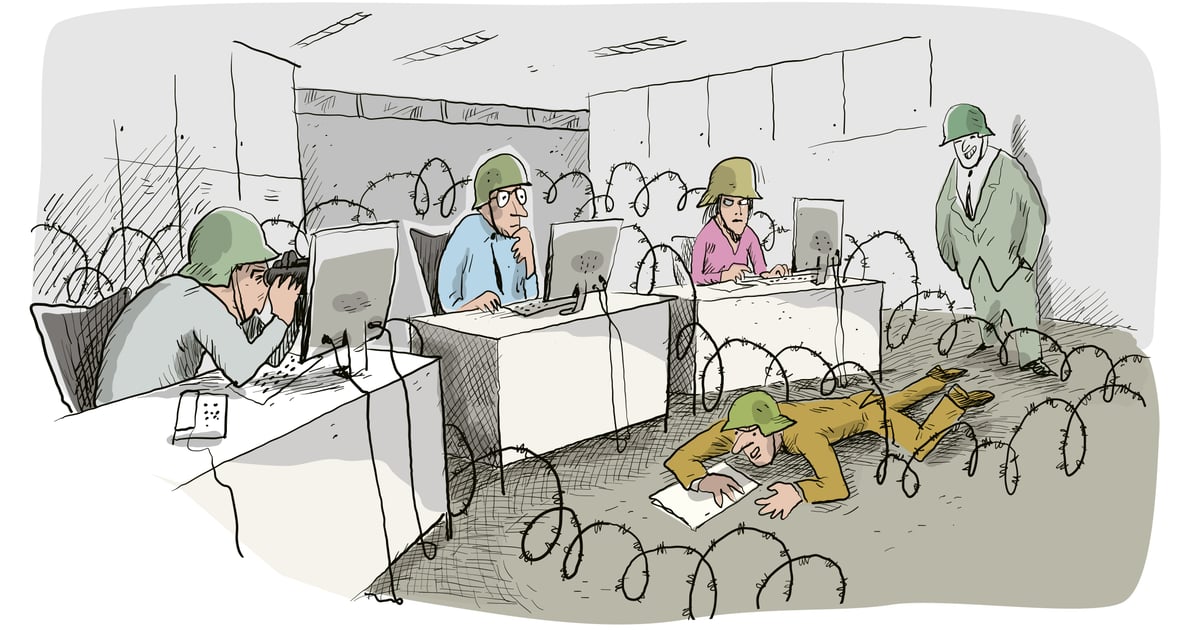
Geopolitical conflict is no longer confined to land, sea, or air, but unfolds silently across digital infrastructure too.
Today, it unfolds silently across networks, servers, and endpoints. Governments, critical infrastructure operators, and private enterprises are increasingly targeted by cyber operations that aim to disrupt services or extract sensitive data. For South African organisations, this has become a direct operational risk that affects uptime and service delivery, with customer trust following closely behind.
Unlike traditional warfare, cyber incidents do not require physical presence. Attacks can be launched remotely and at scale. A coordinated attack launched from anywhere in the world can disrupt supply chains, shut down utilities, or expose millions of customer records within minutes.
The real impact is felt through downtime, when banks cannot process transactions, telecom networks experience outages, or retailers are unable to operate digital platforms. The result is immediate revenue loss, operational disruption, and declining customer trust.
Recent findings from the INTERPOL Africa Cyberthreat Assessment Report 2025 highlight that cybercrime is escalating rapidly across the continent, with organised cybercrime networks increasingly targeting critical infrastructure, financial services and government-linked systems in Africa, including South Africa. The report notes that Africa is experiencing a sharp rise in ransomware, business email compromise (BEC), and data extortion campaigns, with these threats now forming a significant share of reported cyber incidents affecting enterprises.