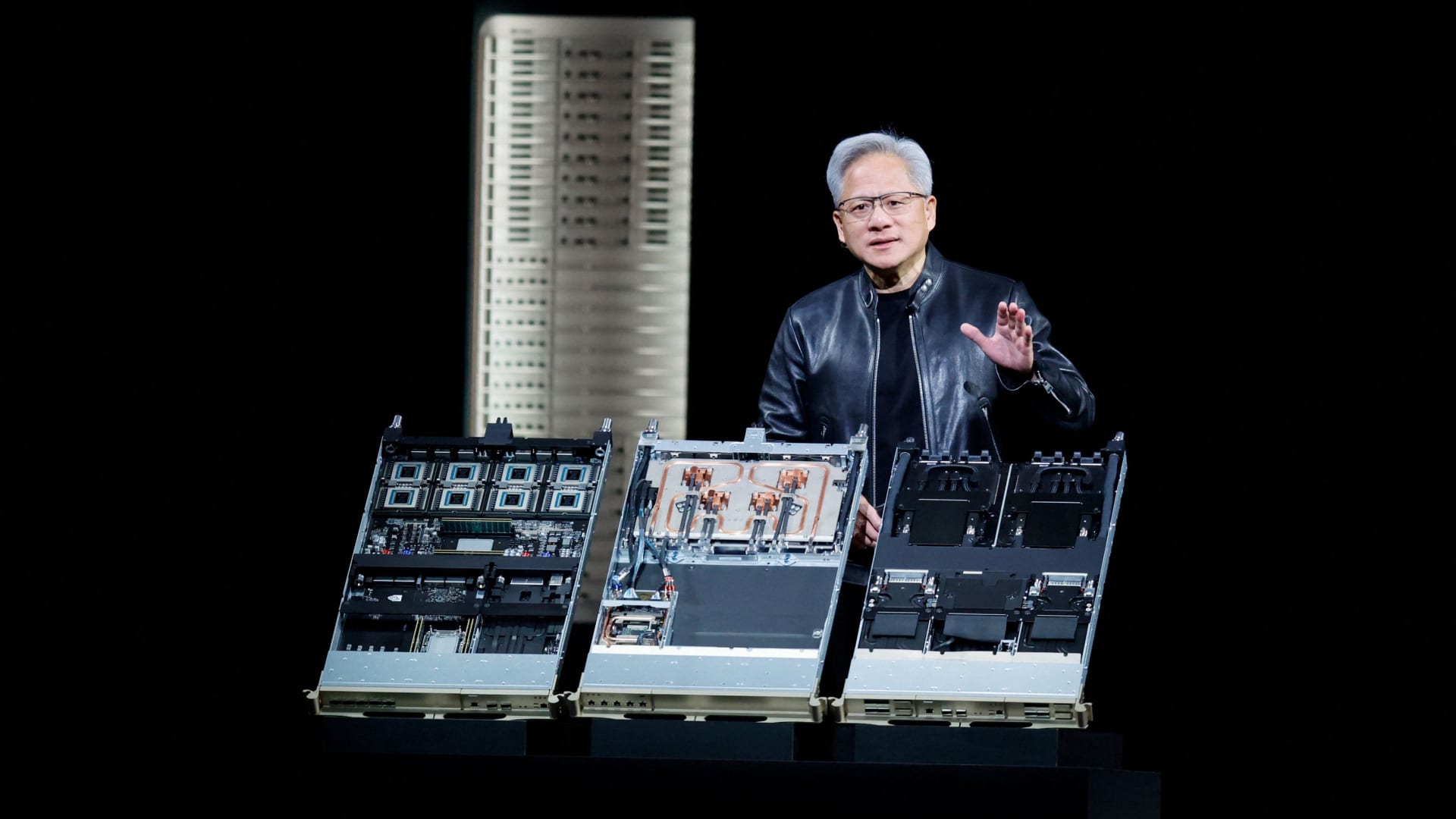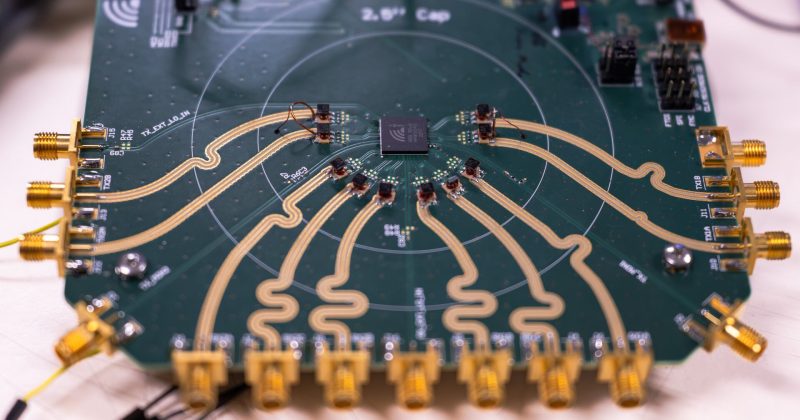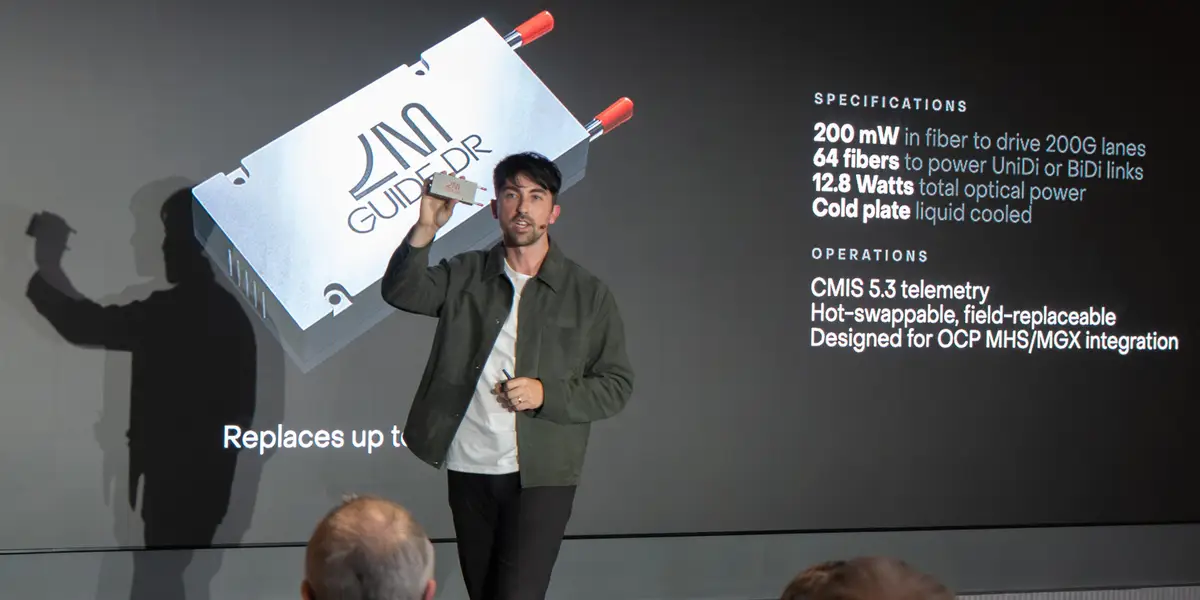
Nvidia’s decision to invest $6.5 billion in photonics may mark one of the most consequential inflection points in the evolution of artificial intelligence. By using light rather than copper wires to move data, photonics could dramatically reduce the energy, cooling, and networking constraints that limit large-scale AI systems. Nvidia CEO Jensen Huang has suggested this breakthrough could eventually enable “million-GPU AI factories,” expanding global computational capacity to a scale once thought impossible.This is not simply a hardware upgrade. It signals a structural shift in the economics of intelligence itself.The question is no longer whether this future arrives, but how quickly. And when it does, the consequences will extend far beyond faster computers. They will reshape how expertise is created, distributed, and valued across the global economy.
For much of modern history, expertise was scarce and expensive. Businesses paid premium costs for lawyers, analysts, engineers, and programmers because specialized knowledge required years of training and experience. That scarcity gave human expertise its economic value.
Generative AI is rapidly changing that equation. Tasks that once required hours of skilled labor can now be completed in seconds by systems trained on the vast body of human knowledge. What was once scarce is becoming abundant and, in many cases, effectively commoditized at the cost of a software subscription.