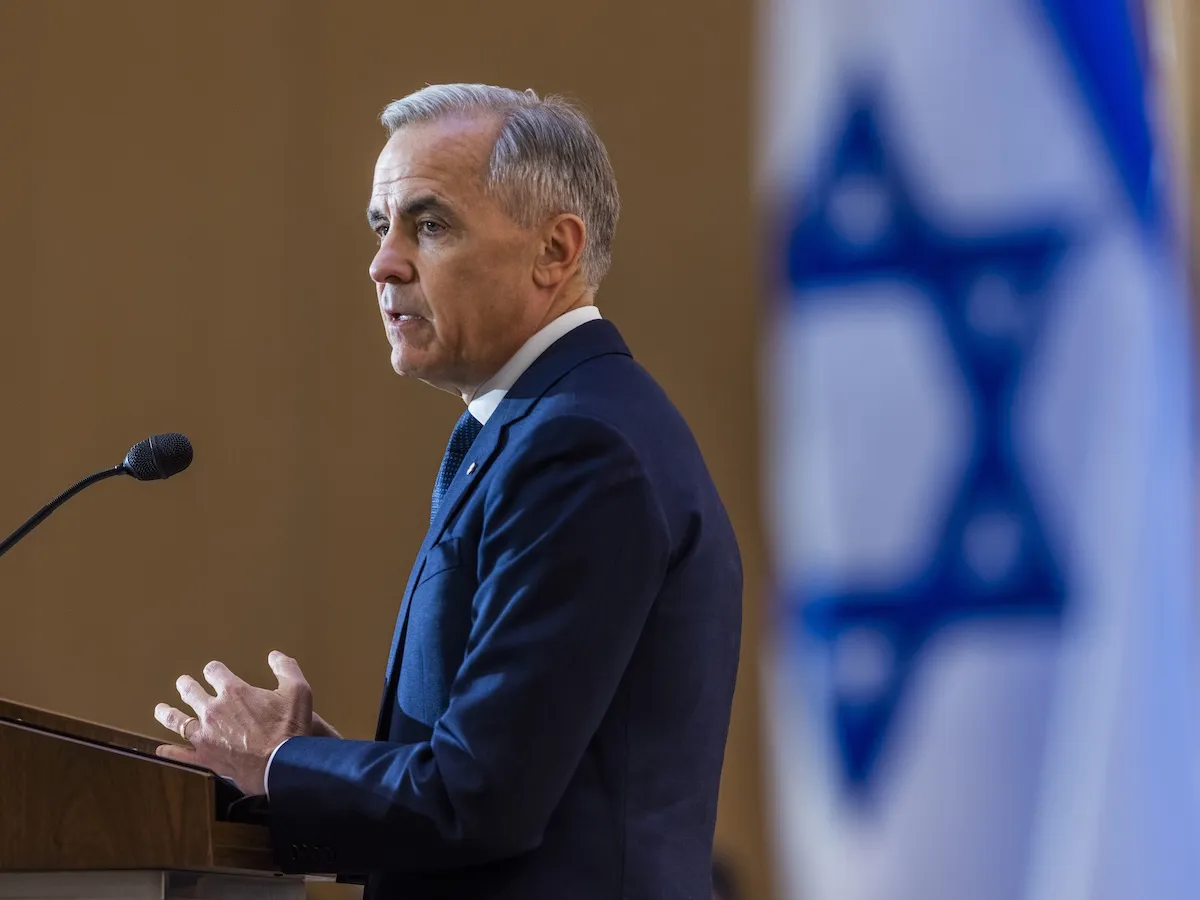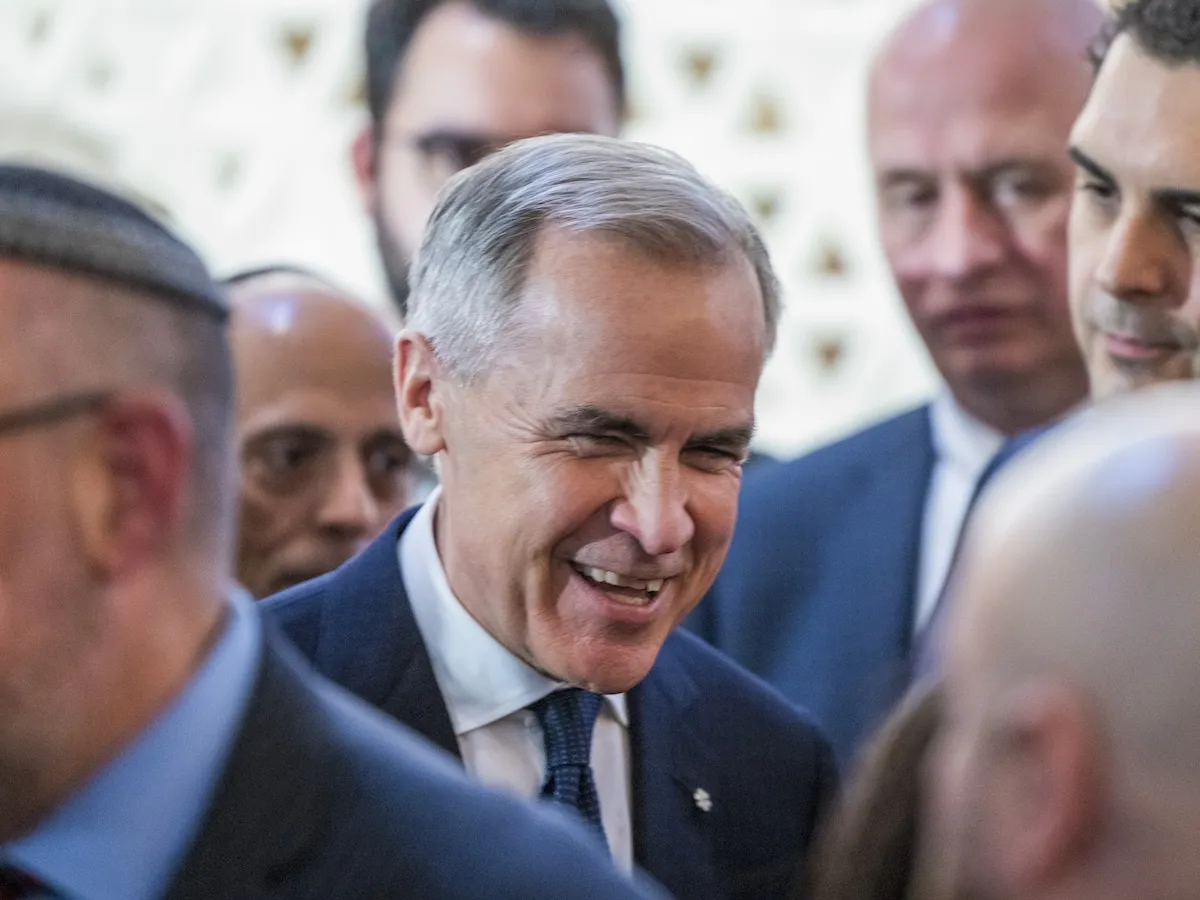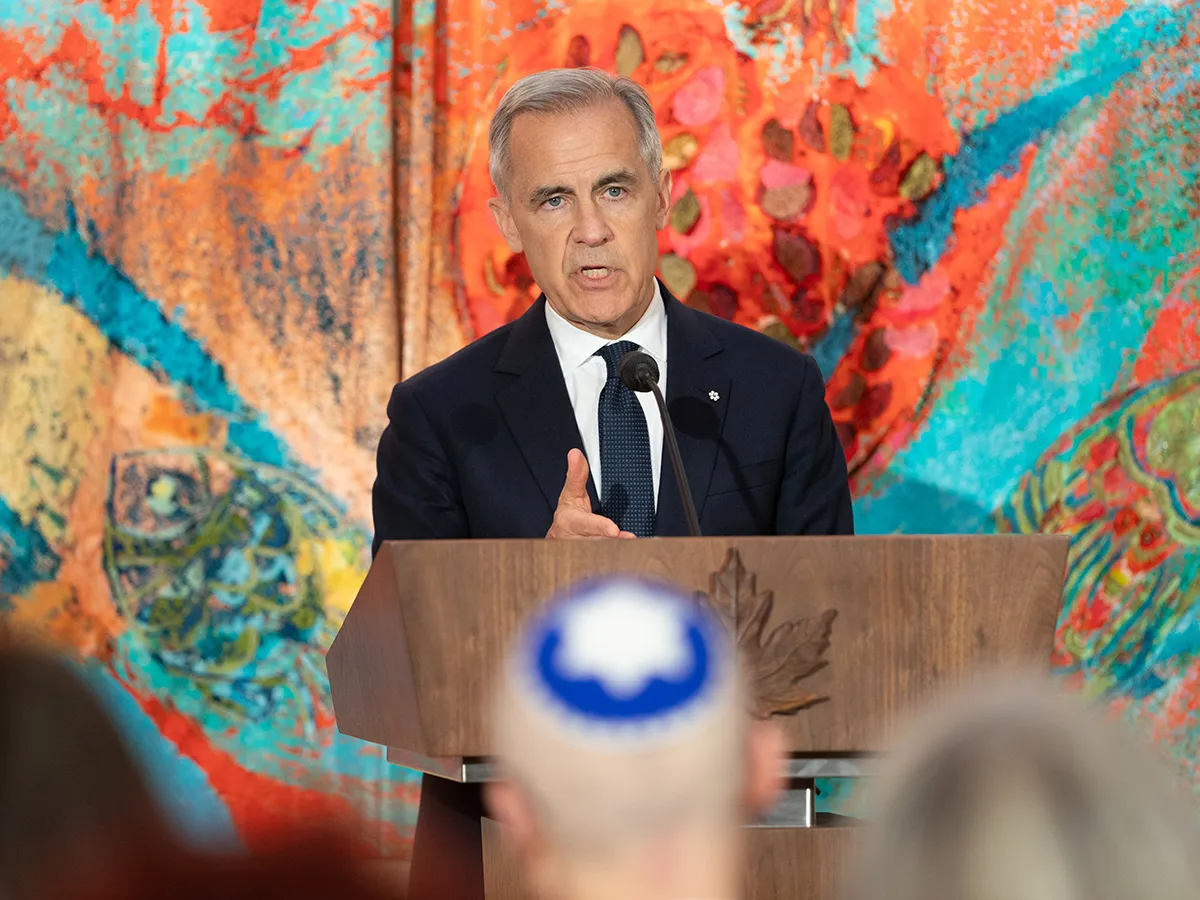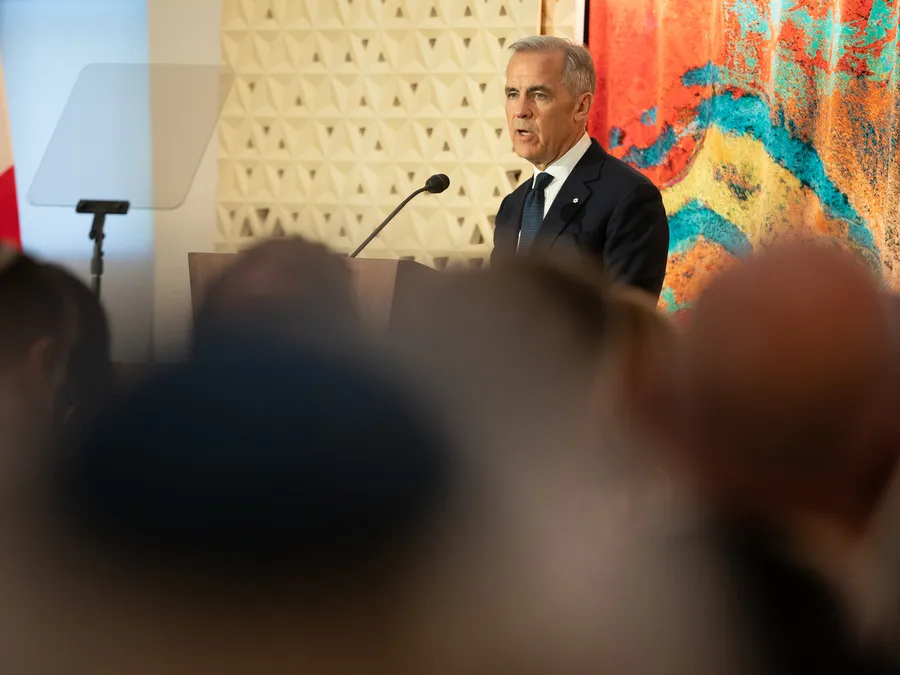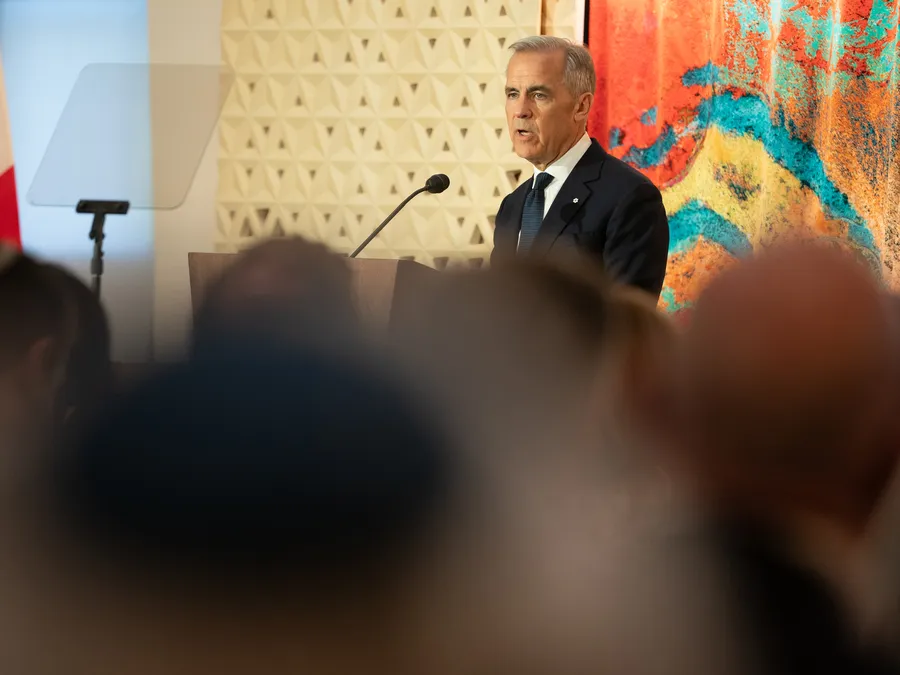
Skip to Content Subscribe Our Offers My Account Manage My Subscriptions FAQ Newsletters Canada Canadian True Crime Canadian Politics Health World Israel & Middle East Financial Post NP Comment Longreads Puzzmo Diversions Comics NP News Quiz New York Times Crossword Horoscopes Life Eating & Drinking Style Sponsored Play for Ontario Travel Travel Canada Travel USA Travel International Cruises Travel Essentials Culture Books Celebrity Movies Music Theatre Television Business Essentials Advice Lives Told Tails Told Shopping Buy Canadian Home Living Outdoor Living Kitchen & Dining Tech Style & Beauty Personal Care Entertainment & Hobbies Gift Guide Travel Guide Amazon Prime Day Deals Savings National Post Store More Sports Hockey Baseball Basketball Football Soccer Golf Tennis Driving Vehicle Research Reviews News Gear Guide Obituaries Place an Obituary Place an In Memoriam Classifieds Place an Ad Celebrations Working Business Ads Archives Healthing Epaper Manage Print Subscription Profile Settings My Subscriptions Saved Articles My Offers Newsletters Customer Service FAQ Newsletters Canada World Financial Post NP Comment Longreads Puzzmo Diversions Life Shopping Epaper Manage Print Subscription HomeNP CommentAlan Kessel: Carney’s 'covenant' on antisemitism rings hollowOne cannot fully explain the current antisemitism crisis while omitting October 7 and Islamist extremismLast updated 11 minutes ago You can save this article by registering for free here. Or sign-in if you have an account.Prime Minister Mark Carney speaks during a visit with members of the Jewish community and law enforcement leaders at Holy Blossom Temple in Toronto, Ontario on Monday, June 1, 2026. (Peter Power/Postmedia News)Prime Minister Mark Carney chose an ambitious theme for his major address on antisemitism at Toronto’s Holy Blossom Temple: he spoke of covenant.Enjoy the latest local, national and international news.Exclusive articles by Conrad Black, Barbara Kay and others. Plus, special edition NP Platformed and First Reading newsletters and virtual events.Unlimited online access to National Post.National Post ePaper, an electronic replica of the print edition to view on any device, share and comment on.Daily puzzles including the New York Times Crossword.Support local journalism.Enjoy the latest local, national and international news.Exclusive articles by Conrad Black, Barbara Kay and others. Plus, special edition NP Platformed and First Reading newsletters and virtual events.Unlimited online access to National Post.National Post ePaper, an electronic replica of the print edition to view on any device, share and comment on.Daily puzzles including the New York Times Crossword.Support local journalism.Create an account or sign in to continue with your reading experience.Access articles from across Canada with one account.Share your thoughts and join the conversation in the comments.Enjoy additional articles per month.Get email updates from your favourite authors.Create an account or sign in to continue with your reading experience.Access articles from across Canada with one accountShare your thoughts and join the conversation in the commentsEnjoy additional articles per monthGet email updates from your favourite authorsSign In or Create an AccountorNot policy. Not politics. Covenant.It was a thoughtful and, in many respects, moving framework. Carney argued that Canada rests upon a covenant among its citizens: a shared commitment to protect one another’s rights, dignity, and place within our national community. He said the explosion of antisemitism across Canada represents a breach.He was right.This newsletter from NP Comment tackles the topics you care about. (Subscriber-exclusive edition on Fridays)By signing up you consent to receive the above newsletter from Postmedia Network Inc.We encountered an issue signing you up. Please try againBut as I listened, I found myself thinking less about what the prime minister said and more about what this moment in Canadian history required him to say.I heard him. I did not feel him.For Jews, covenant is not merely a political metaphor. It is central to our identity as a people. For more than three millennia, the covenant between the Jewish people and God has defined not only our obligations, but our survival. It is the foundation of Jewish continuity, resilience and responsibility.When Carney invoked covenant, he touched upon something profound. Yet he never fully confronted the forces that have shattered it.The speech catalogued the manifestations of antisemitism that have become all too familiar: schools shot at, synagogues firebombed, students harassed, businesses targeted, Holocaust memorials desecrated, and Jewish Canadians increasingly fearful of displaying outward signs of their faith.The diagnosis was accurate. The treatment was less convincing.Most strikingly, Carney never mentioned October 7.He never mentioned Hamas. He never mentioned the Canadians murdered during the largest massacre of Jews since the Holocaust.That omission matters.October 7 is not a peripheral event in this story. It is the event that transformed antisemitism from a historical concern into an immediate and daily reality for Jewish communities around the world, including in Canada.The wave of hatred that has swept through our campuses, streets, and institutions did not emerge in a vacuum. It emerged in the aftermath of Hamas’ atrocities and the global campaign that followed to justify, rationalize or celebrate them.One cannot fully explain the current antisemitism crisis while omitting its catalyst.Equally troubling was the absence of any serious discussion of Islamist extremism.Across Europe, governments are increasingly confronting this reality. They have come to recognize that modern antisemitism comes from multiple sources: the far right, the far left, and increasingly from Islamist movements that have successfully imported Middle Eastern hatreds into Western democracies.Canada remains hesitant to have that conversation.The prime minister’s speech reflected this. He condemned antisemitism without naming many of its principal contemporary drivers. That may be politically prudent. But prudence and leadership are not always the same.The speech also reflected a broader weakness in Canada’s response: a long list of advisory councils, studies and institutional reviews.All have their place. But we already know what is happening. Canada is suffering from a shortage of consequences, not analysis.A covenant is sustained not by reports, but accountability.Yet Jewish day schools require armed security. Synagogues operate behind barriers. Jewish students conceal their identities. Community institutions spend millions protecting themselves from threats.At this moment, Canadians needed to hear something simpler and more direct: those who glorify terrorism, threaten citizens, or promote violence will face the full force of Canadian law.They needed to hear that citizenship carries responsibilities as well as rights.Indeed, the most powerful lines in the entire speech may have been these:“We welcome the peoples of the world and their diversity in all its splendour. We do not welcome the world’s hatreds.”There, in two sentences, was the speech that might have been.Imagine if the prime minister had built upon that proposition, and said that multiculturalism is not a licence to import ancient grievances. That those who come to Canada are free to bring their faith, culture, language, and traditions, but not sectarian hatred.That would have been a covenant speech.Most importantly, he could have spoken directly to Jewish Canadians.Not as one community among many, or a case study in diversity and inclusion. But a community confronting the most severe wave of antisemitism in modern Canadian history.He could have said plainly:“You are not imagining what is happening. Your fear is real. Your children should not require security guards to attend school. Your synagogues should not require police protection. Your citizenship is not conditional. Your place in Canada is not negotiable.”Those words would have resonated far beyond the walls of Holy Blossom Temple.To his credit, Carney acknowledged that Canada’s civic compact is failing Jewish Canadians. That admission was important.But an inflection point in history demands more than acknowledgement. It demands moral clarity.The prime minister offered reflection when the moment required resolve.A covenant is not renewed through words alone. It is renewed when citizens know that their government is prepared to defend it.That is the challenge before Canada today.National PostAlan Kessel is a former assistant deputy minister and legal adviser to the Government of Canada and a former deputy high commissioner of Canada to the United Kingdom. He is a senior fellow at the Macdonald-Laurier Institute. Join the Conversation This website uses cookies to personalize your content (including ads), and allows us to analyze our traffic. Read more about cookies here. By continuing to use our site, you agree to our Terms of Use and Privacy Policy.
Alan Kessel: Carney’s 'covenant' on antisemitism rings hollow
One cannot fully explain the current antisemitism crisis while omitting October 7 and Islamist extremism
1,329 words~6 min read