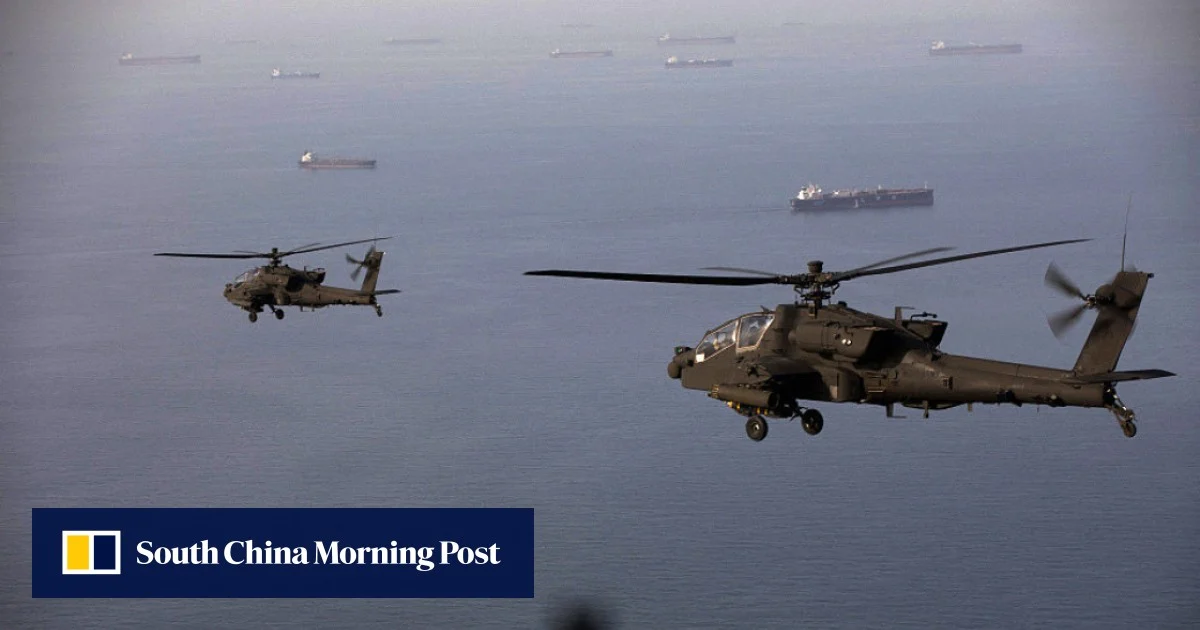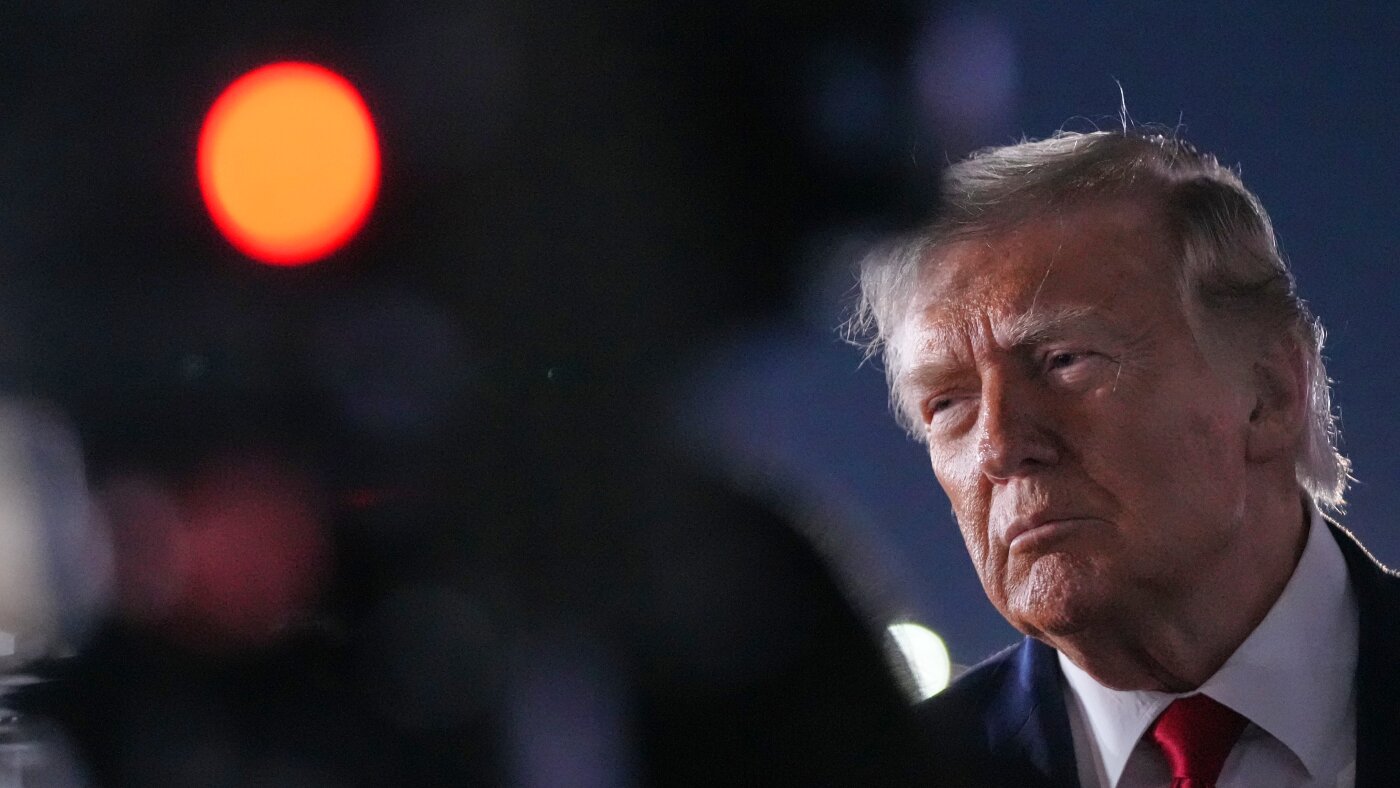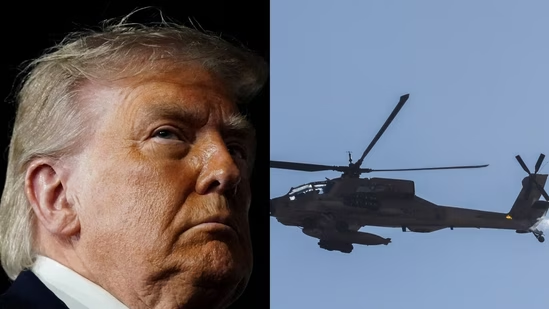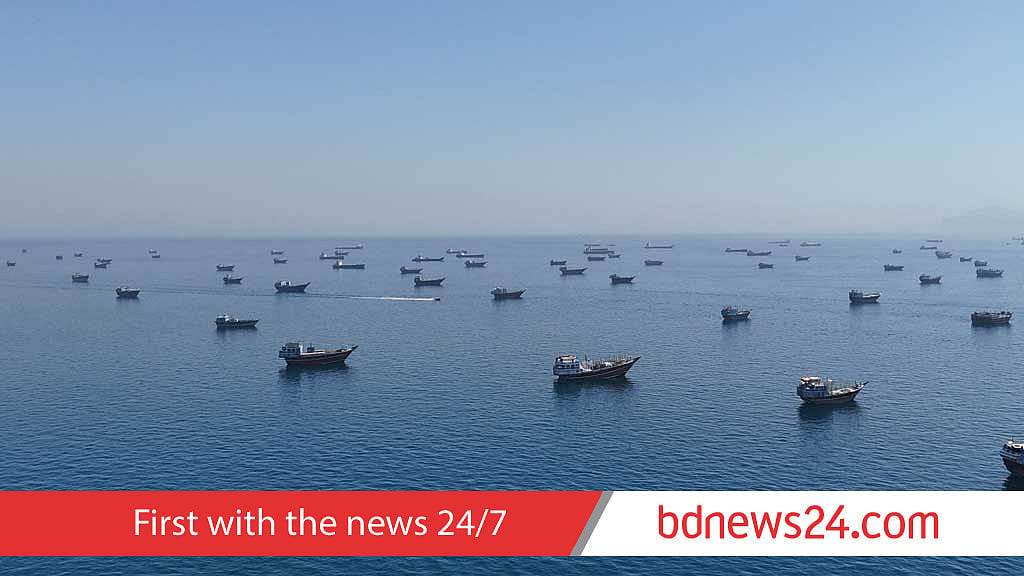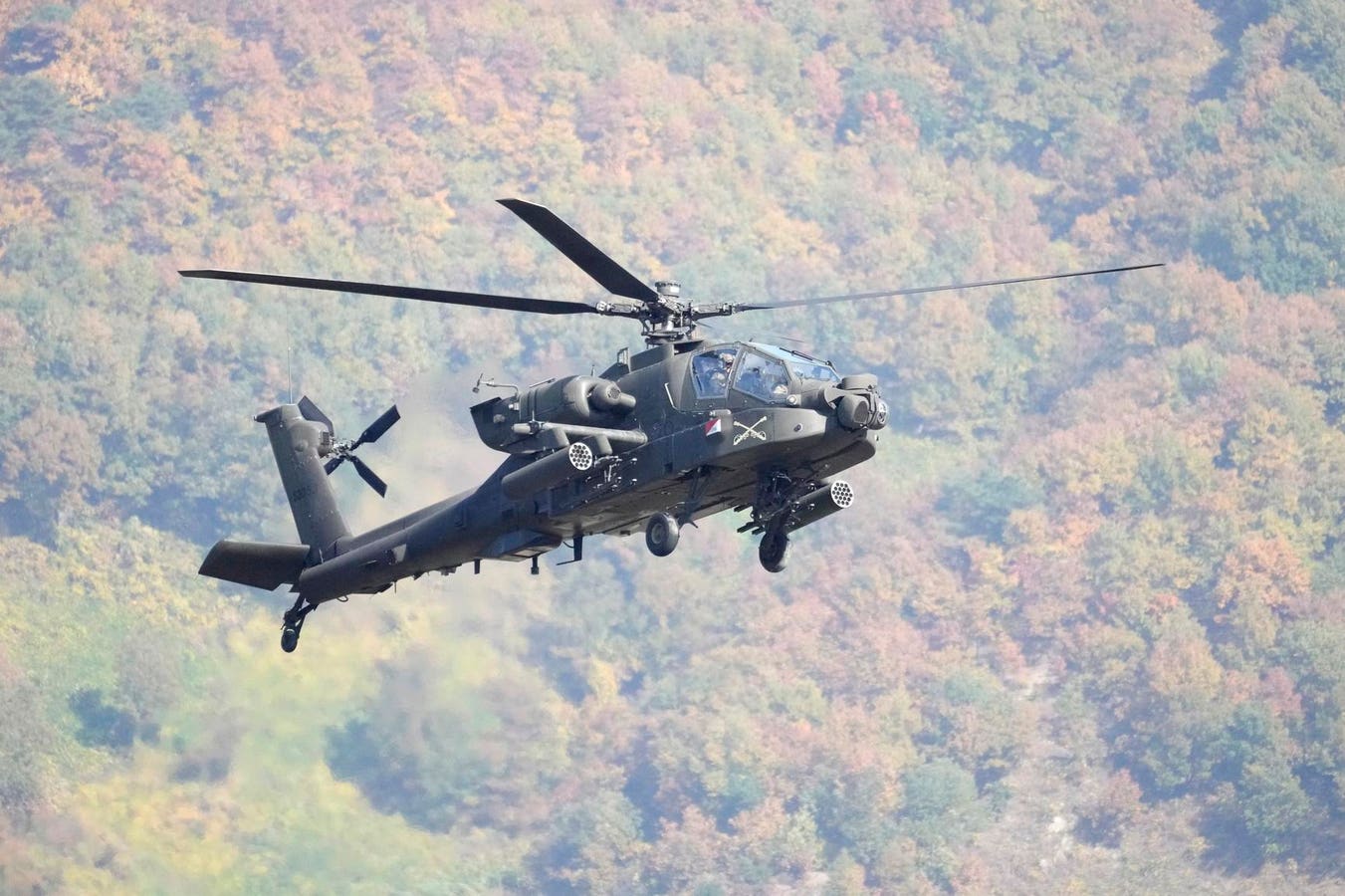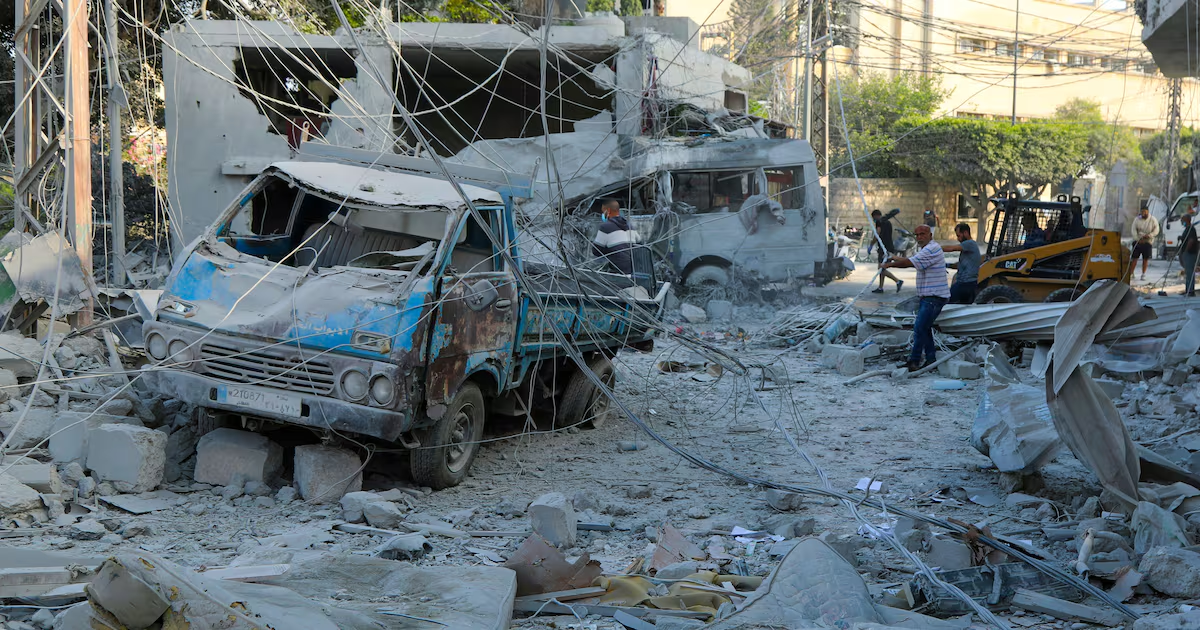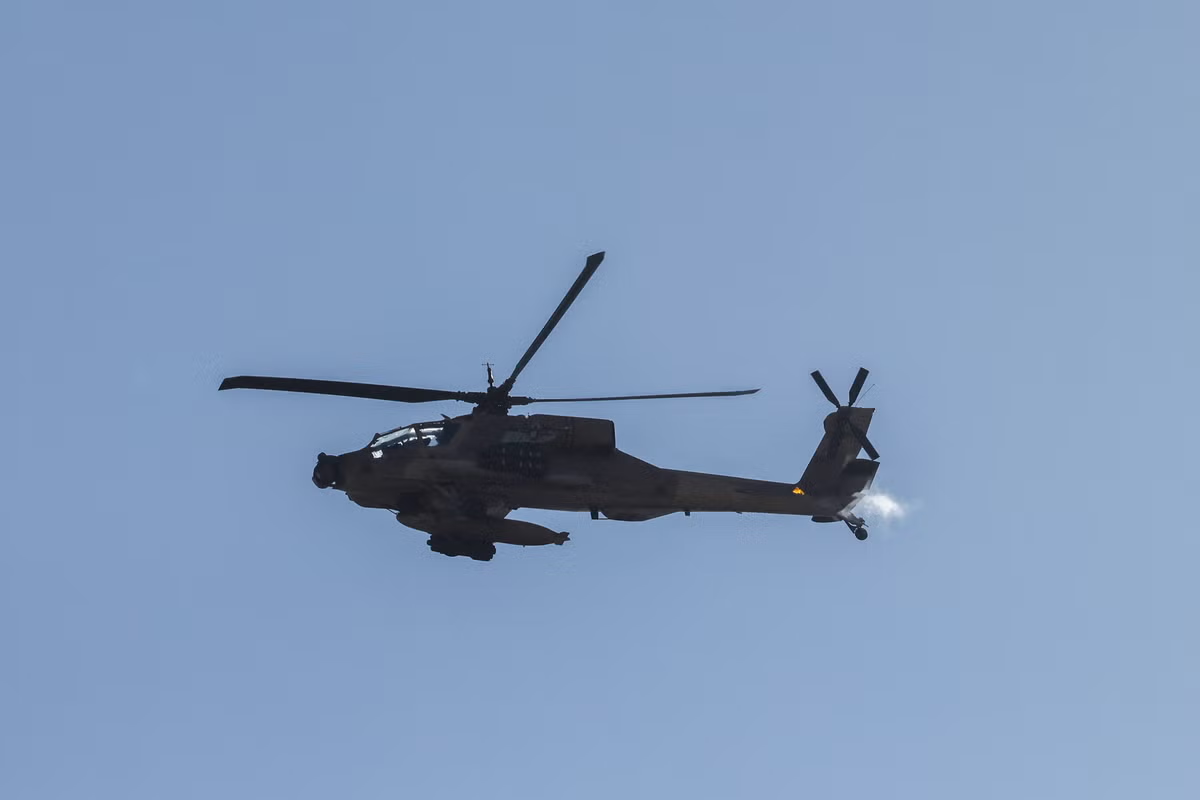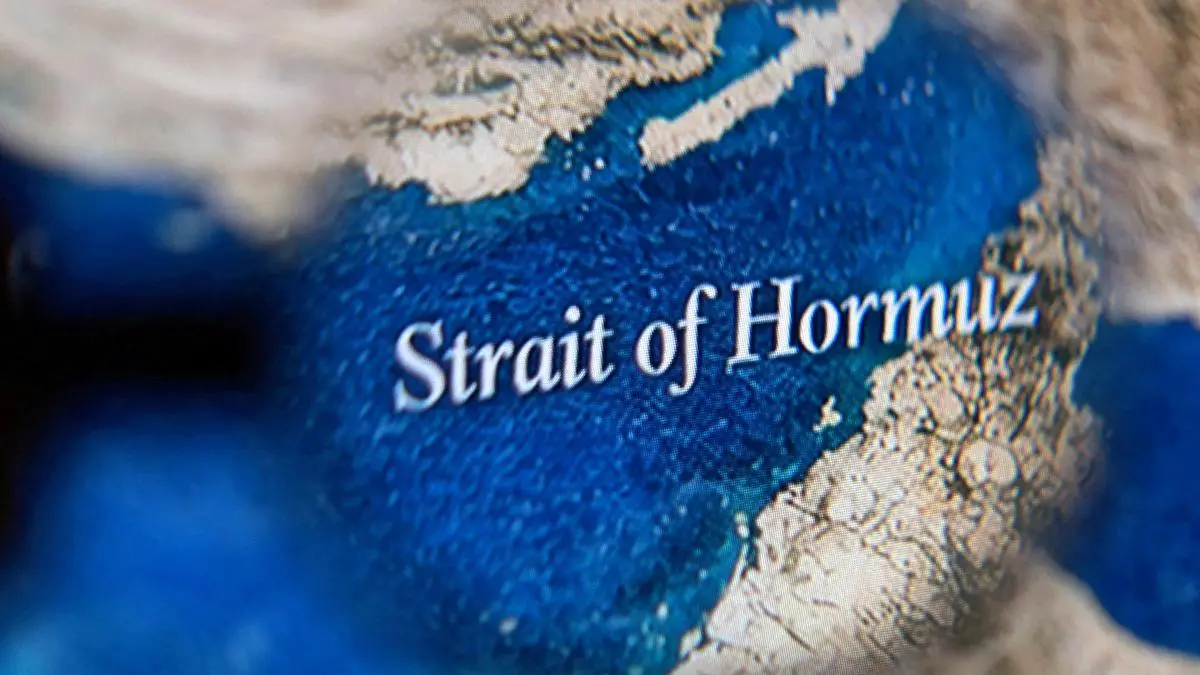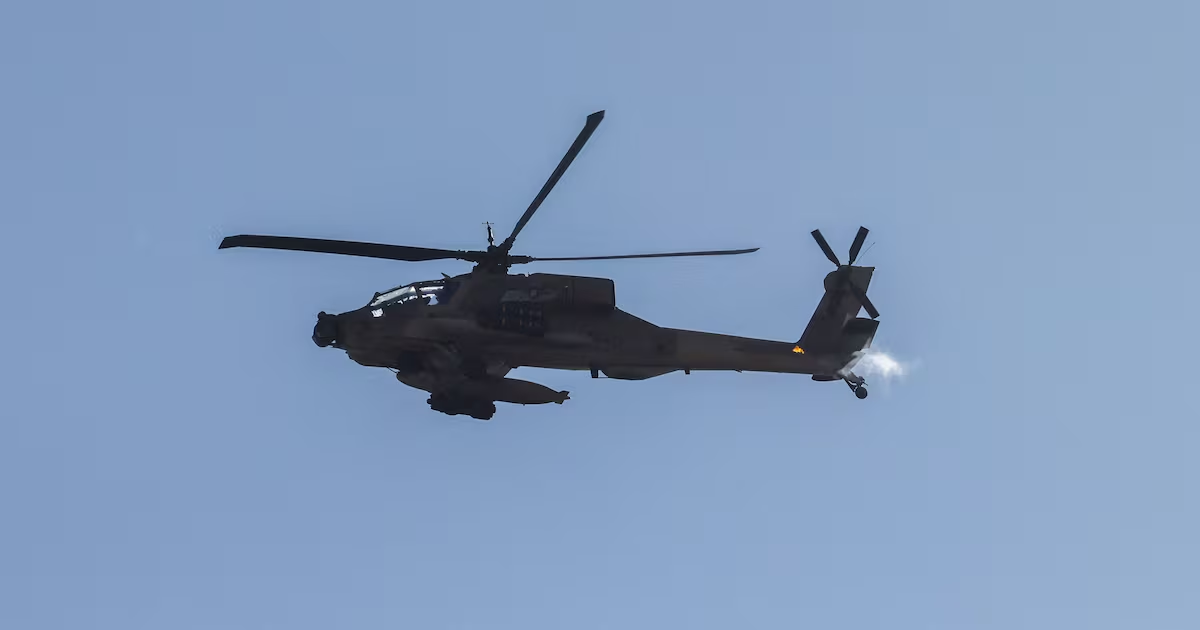
US President Donald Trump has acknowledged that an American military Apache helicopter went down near the Strait of Hormuz and said the two crew members on board were “fine”.Tensions remained high on Tuesday, a day after the most intense exchange of fire between Iran and Israel in months.Why the AH-64 Apache went down on Monday has not been determined. Investigators are still assessing whether it was caused by hostile fire, mechanical failure or another factor.“The pilots are fine,” Mr Trump said late on Monday, after being asked if he knew what brought the helicopter down. “Nobody injured. We are going to issue a report tomorrow.”The helicopter was part of an expanded US military presence in the area, operating alongside drones and fighter jets. It is the first Apache lost since the conflict began.Violence has continued on multiple fronts between Iran and Israel since an April 8 ceasefire, and competing pressures – diplomatic, military and economic – are bearing down on all parties simultaneously.The latest flare-up came 100 days into a war that began with US and Israeli strikes on Iran on February 28. Thousands of people have been killed in the conflict, with millions displaced and global energy markets rattled.Mr Trump also said he could have “an idea” for an Iran deal within a few days, without elaborating. The US President, struggling with record low approval ratings before midterm elections in November, has often hinted at an imminent deal with Tehran, but nothing has materialised.Iran's ambassador to the UN, Amir Saeid Iravani, echoed his cautious optimism, expressing hope that talks could conclude by the end of the month.“We hope so. We hope so,” he told AP, adding that any ceasefire understanding would be “comprehensive” and apply across the region, including Lebanon.Lebanon fault lineLebanon remains the conflict's most combustible fault line that threatens to unravel any ceasefire. It is the flashpoint that reignited this week's exchanges and the issue over which Washington and its allies remain most sharply divided.Mr Trump was blunt about the alternative to a deal. “If we go and bomb – which we could do very easily if we want – and we spend another two or three weeks bombing, they'll have nothing left whatsoever. But you won't have the strait open for months.”Violence continued elsewhere across the region. At least 14 people were killed in Israeli strikes on Lebanon overnight, according to the country's health ministry. Israel said it intercepted a drone launched from Yemen towards the Eilat area after air raid alerts were triggered.The commander of Iran's Quds Force, Esmail Qaani, praised Yemen's Houthi rebels for their decision to impose restrictions on Israeli-linked shipping in the Red Sea, describing it as part of a “new security belt of resistance” across key waterways.The Houthi threat to the Bab Al Mandeb strait would deepen an energy crisis caused by the Iranian and US blockade of the Strait of Hormuz.US Vice President JD Vance acknowledged a degree of divergence between America and Israel, particularly over Iran's nuclear programme. “Israel may like that, they may not like that,” he said. “But fundamentally, we think this is in the best interest of the United States of America.”The crisis is playing out days before the Fifa World Cup kicks off across the US, Mexico and Canada. The Trump administration will be keen not to see the international sporting showcase overshadowed by a widening Middle East conflict.Tehran also has its own reasons to seek a period of calm. Iranian officials have announced plans for a vast funeral procession for Ayatollah Ali Khamenei, the supreme leader killed in the opening wave of US-Israeli strikes on Tehran on February 28.The ceremony will be held "after the first 10 days of Moharram", the body responsible for organising his funeral said on Tuesday, in reference to the Islamic month that begins on about June 17. The 10th day of the month of Moharram falls on around June 26 this year.
Trump says US Army helicopter crew 'fine' after crash near Strait of Hormuz | The National
US President and Iran's UN ambassador express optimism on comprehensive ceasefire deal
653 words~3 min read