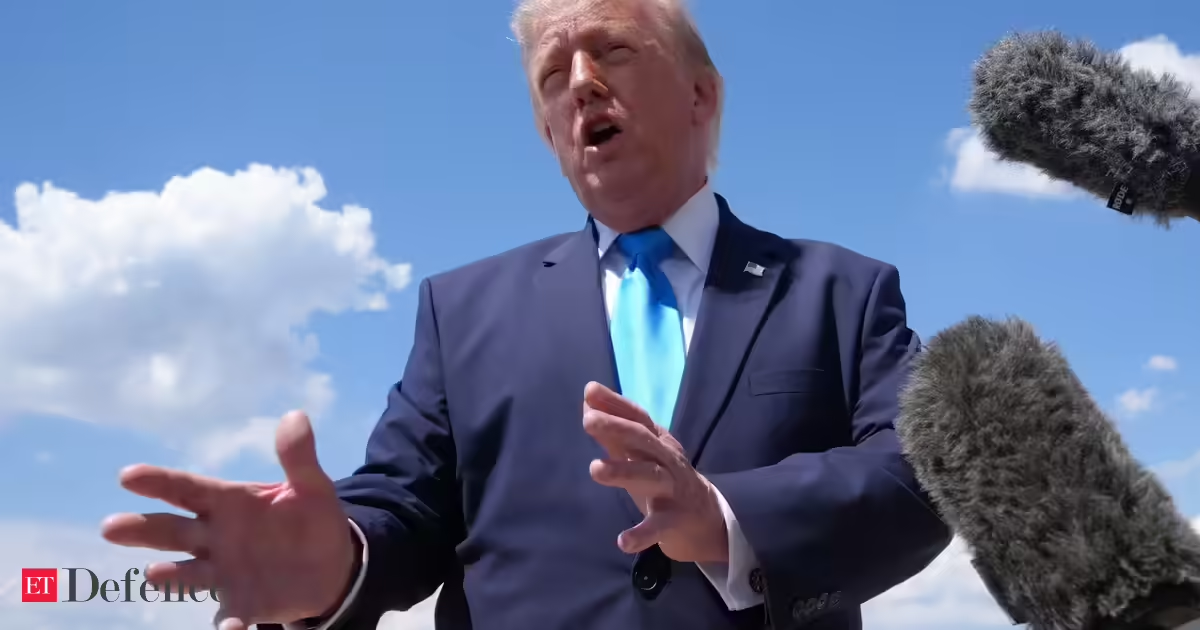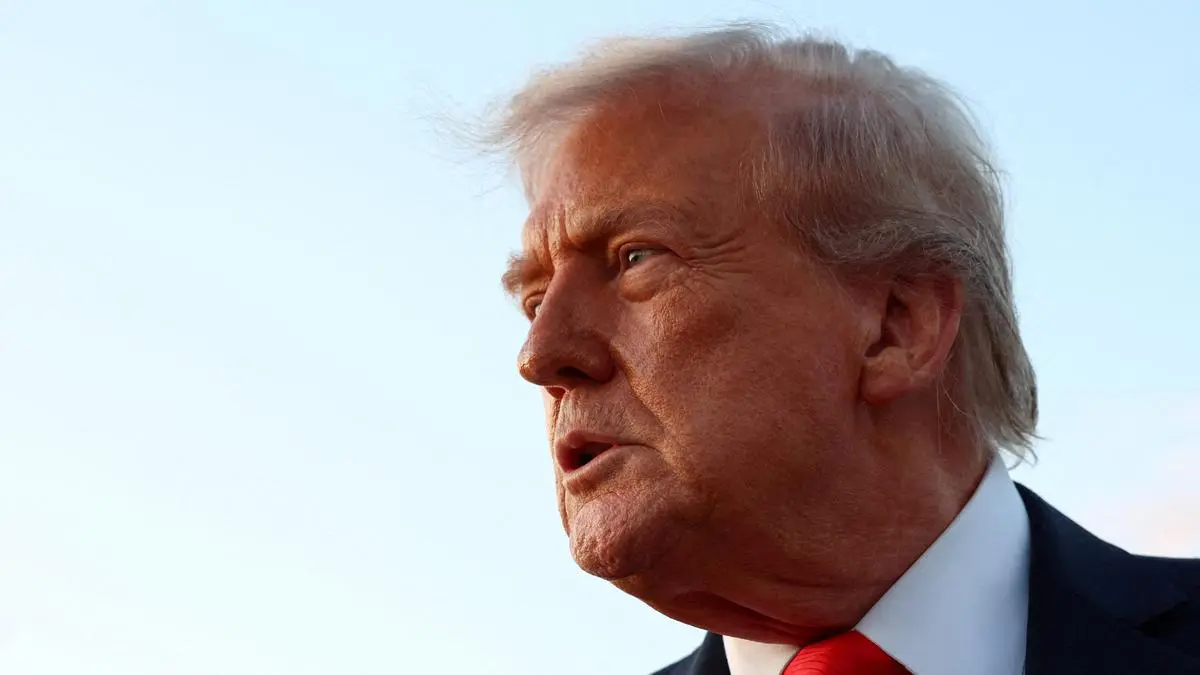
File picture of US President Donald Trump
| Photo Credit:
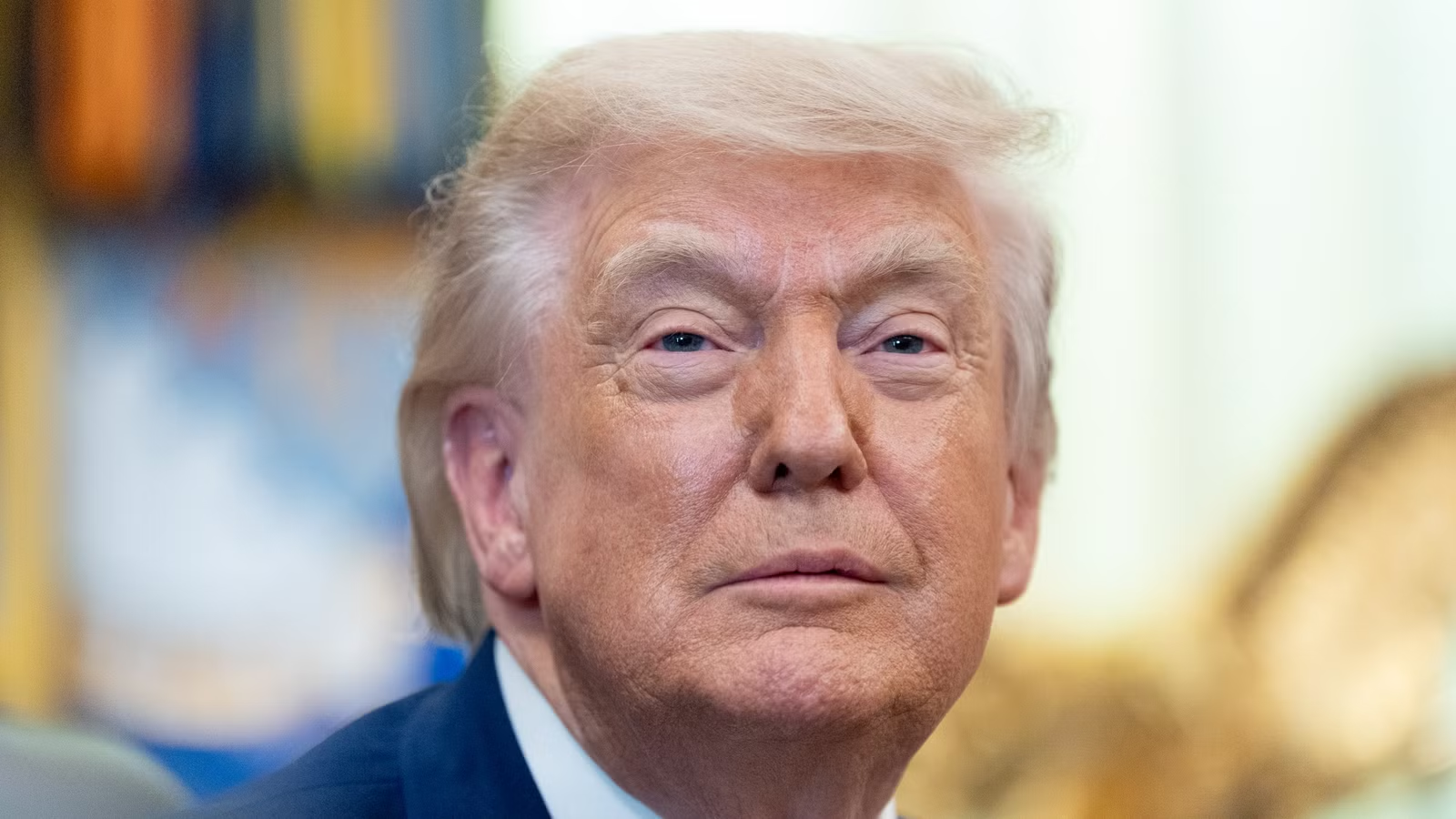
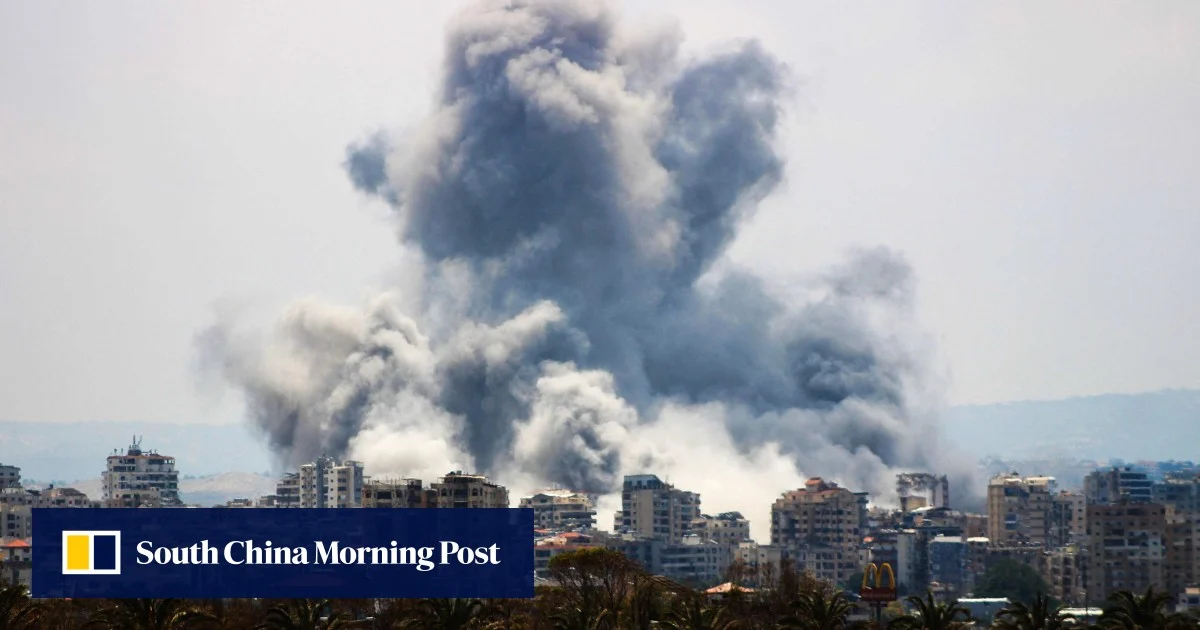
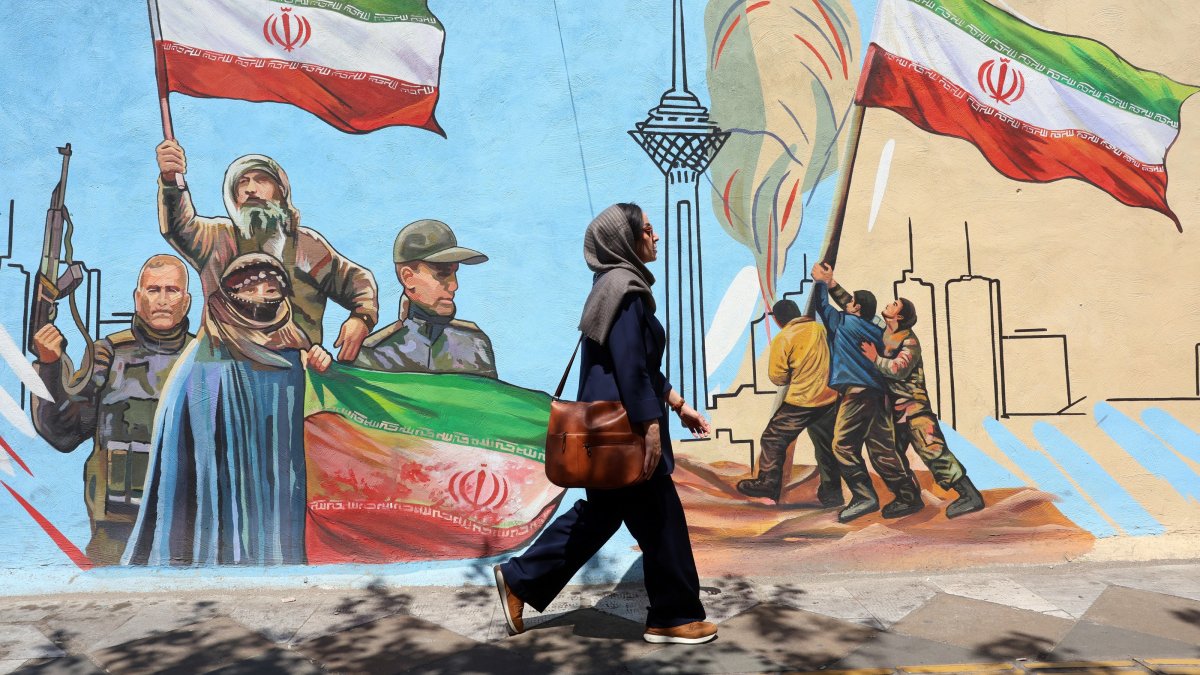
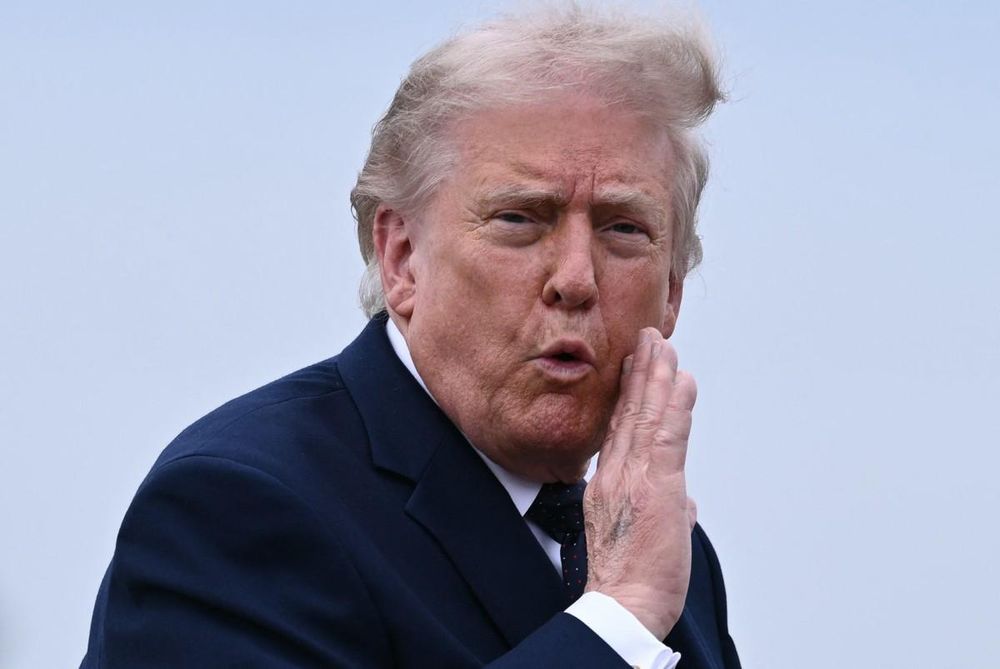
US President Donald Trump renewed his claims of momentum toward ending the conflict with Iran, after brokering a halt to hostilities between Israel and the Islamic Republic and easing tensions that had threatened to derail broader peace efforts.“We’re in the final throes of what will be a very, very good deal,” Trump told reporters in New York on Tuesday. “We could have at least an idea one or two days from now.”The US president spoke hours after Iran and Israel agreed to halt strikes on each other following a flare-up that saw both countries launch waves of ballistic missiles. He has repeatedly spoken of an interim agreement to end the war that began when the US and Israel started bombing Iran in February. A ceasefire has been in place for about two months, but sporadic fighting among the US, Iran and Israel has continued, underscoring the risk of a return to full-scale war in the absence of a lasting peace deal.Israel’s Prime Minister Benjamin Netanyahu said in a televised statement on Monday that he would hold fire on Iran for now but would respond should Tehran attack again. Earlier, local TV station N12 reported that strikes in south Lebanon, where Israel is fighting Iran-backed Hezbollah militants, would continue at full force. Iran also announced an end to its military operations against Israel. But its central military command warned that if Israel continued to attack, including in southern Lebanon, “much harsher and more crushing actions than before will be on the way,” the semi-official Fars news agency reported, citing a statement. Even as the clashes seemed to subside, a US Army Apache helicopter went down near the Strait of Hormuz and it wasn’t clear if the aircraft suffered mechanical troubles or had been shot down by Iran, the New York Times reported. Asked about the episode, Trump said the pilots were fine and that a report would be released later Tuesday.Highlighting the tenuous nature of the pullback, Iranian President Masoud Pezeshkian said in a post that his country had neither abandoned the battlefield nor the negotiating table.During a tele-rally for South Carolina Republicans on Monday evening, Trump predicted a swift end to the war and a subsequent fall in oil prices.Global energy costs spiked after the conflict began and Iran blocked the Strait of Hormuz, through which around a fifth of the world’s oil and liquefied natural gas typically transited. Brent crude, the global benchmark, fell 1.3 per cent to around $93 a barrel, paring its gains since the beginning of the war to just under 29 per cent. A Bloomberg gauge of the dollar also edged lower.Attention remains focused on whether energy flows through Hormuz will recover significantly. A trickle of commercial shipping returned to the waterway over the weekend, even as the risks prompted some vessels to travel with their digital transponders switched off.Offering another potential front of escalation, the Iran-backed Houthis in Yemen said they had launched a missile barrage on Israel and would be imposing a “complete and total ban on maritime navigation for the Israeli enemy in the Red Sea,” according to a statement on their Telegram channel on Monday.On Monday night, the Israel Defense Forces reported that a “suspicious aerial target” from Yemen was intercepted after sirens sounded in the area of Eilat.The most reecnt bout of fighting between Iran and Israel began on Sunday. Israel intercepted Iran’s barrages while striking targets in Tehran and the Karun petrochemical company in Mahshahr. Tehran warned it would target all oil and gas facilities linked to Israel, the US and their allies in the region if attacks on its own energy infrastructure continued, according to Fars.Iran began its offensive after Israeli strikes on the Lebanese capital Beirut, marking a rare example of Tehran coming to the defence of Hezbollah. The clashes posed the most serious challenge yet to the fragile ceasefire that took hold on April 8. The conflict has left thousands of people dead across West Asia, disrupted global energy flows and spurred a rally in oil prices that’s stoking fears of a surge in global inflation.Israel has insisted that any US-Iran agreement won’t cover its conflict with Hezbollah. Iran has sought to keep Hezbollah under its security umbrella, while Trump has prioritised securing a deal.More stories like this are available on bloomberg.com©2026 Bloomberg L.P.Published on June 9, 2026