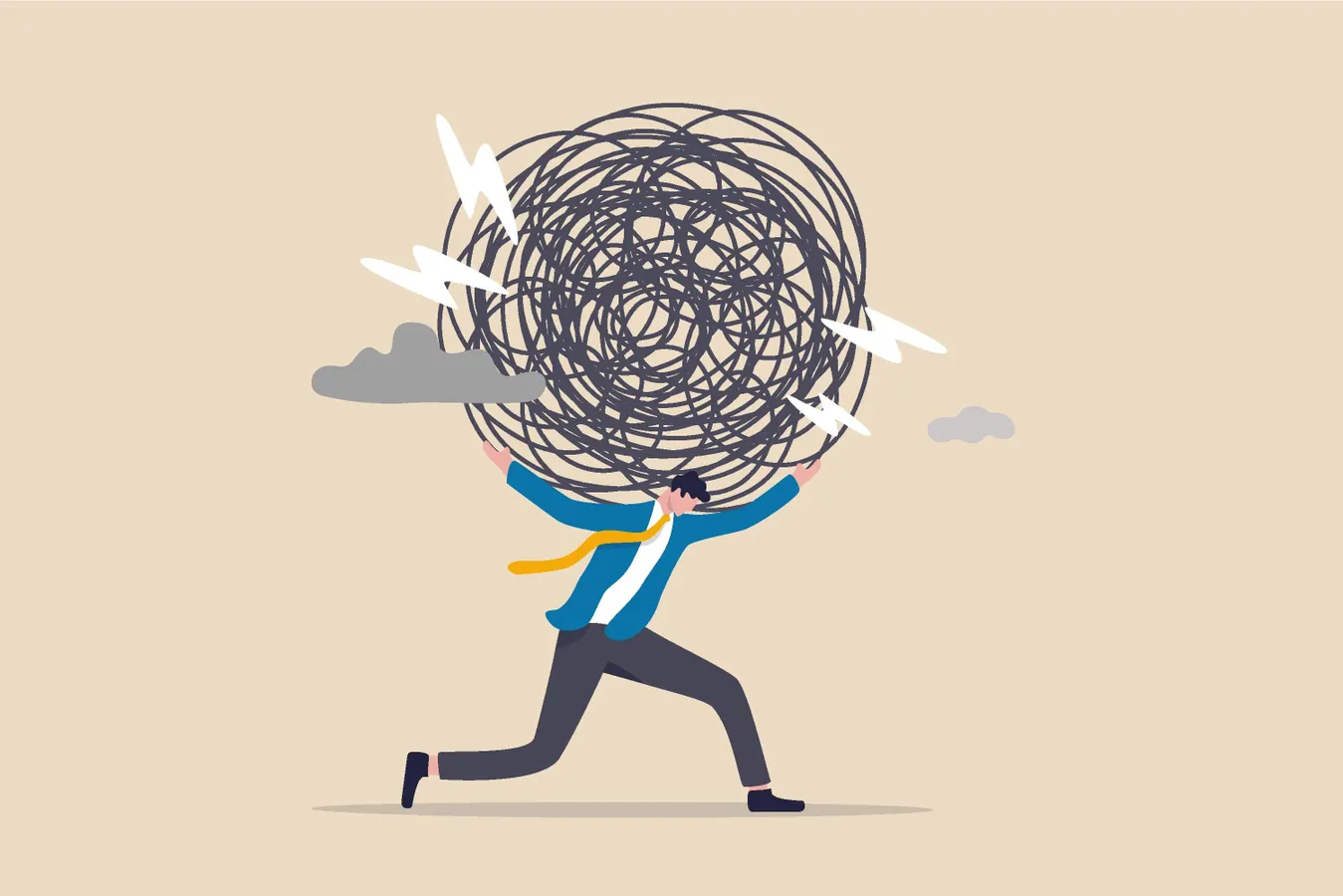
Establish strict time limits for decision making, like taking only 15 minutes to go through it (Photo: iStock)
You send out an email to a client and two hours later, with no reply, you begin to construct elaborate scenarios regarding your professional competence. Alternatively, you could be that person who obsesses over a minor, awkward comment made in passing during a family dinner and can’t stop replaying the dialogue to a point where the original context is entirely lost.
These are common manifestations of over-analysis, a mental habit where the brain becomes trapped in a cycle of rumination. It attempts to solve problems that may not actually exist or to predict fundamentally unknowable outcomes.
While thoughtful consideration is a common human trait, excessive analysis works differently. It strips you of your peace and converts simple decisions into sources of profound psychological exhaustion. And as you would expect, the mental health toll of this behaviour is significant. Constant rumination keeps the nervous system in a state of sustained alertness, which leads to chronic fatigue, sleep disruption and increased levels of anxiety.
The truth is, over-analysis is rarely, if ever, productive. It attempts to achieve certainty in an inherently uncertain world. When the brain spends its resources analysing past errors or future risks, it loses the capacity to engage effectively with the present. This bad habit creates a feedback loop where you feel like you must analyse more to solve the anxiety, which in turn fuels further analysis, leaving you in a state of mental gridlock.