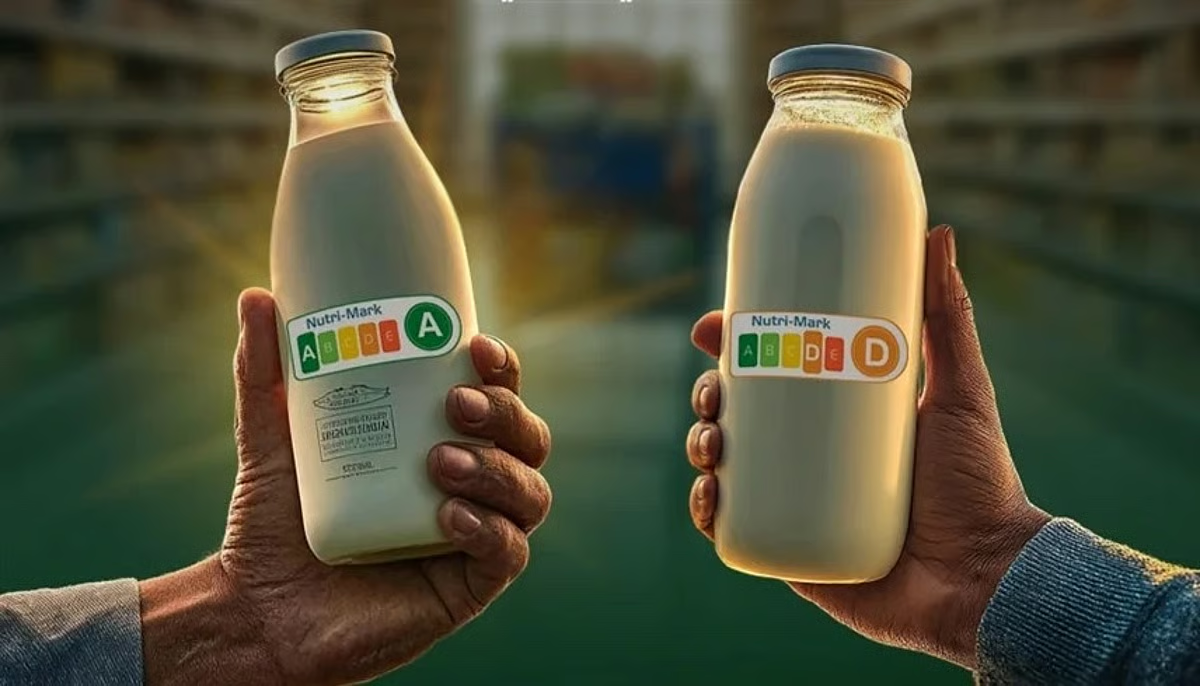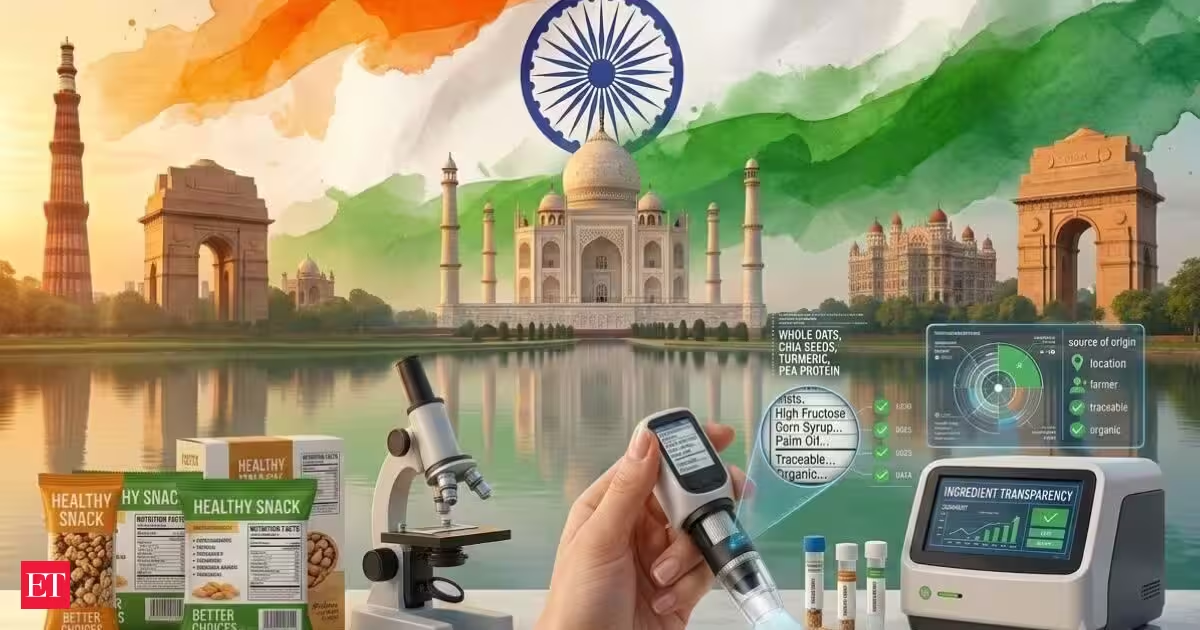
The Consumer Brands Association, the largest trade association for food and beverage makers, is ramping up its promotion of initiatives like front-of-package labeling, QR codes for detailed nutritional information, and publicly accessible websites and registries for commonly used artificial ingredients.Support for these types of transparency initiatives stands in contrast to more hard-line approaches from some MAHA advocates, who have asked the Food and Drug Administration to ban certain ingredients in the name of product safety.
Melissa Hockstad, president and CEO of the CBA, told the Washington Examiner in an exclusive interview that companies voluntarily increasing the amount of information about ingredients in products is a step forward in achieving the goals of the MAHA movement, without sacrificing personal autonomy.
“I think having access to the information helps people really assess what it is that [they] personally need,” Hockstad said. “I always think about it: ‘My cupboard, my choice.’”
CBA represents many large players in the broader consumer packaged goods industry, ranging from food makers like Kraft Heinz, PepsiCo, Tyson, and Nestle to retailers like Target and Amazon.
The broader consumer packaged goods industry, including brands affiliated with CBA, contributed $2.5 trillion to the U.S. gross domestic product last year. Roughly 1 in 10 American jobs are created by CBA companies, to the tune of $1.5 trillion in wages and salaries.