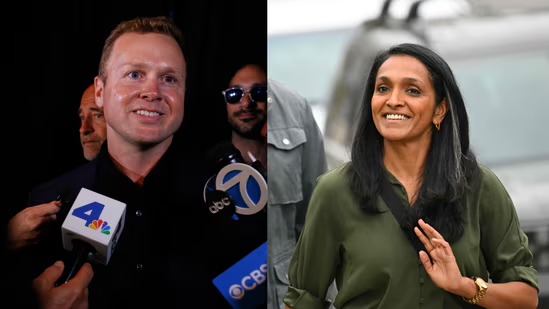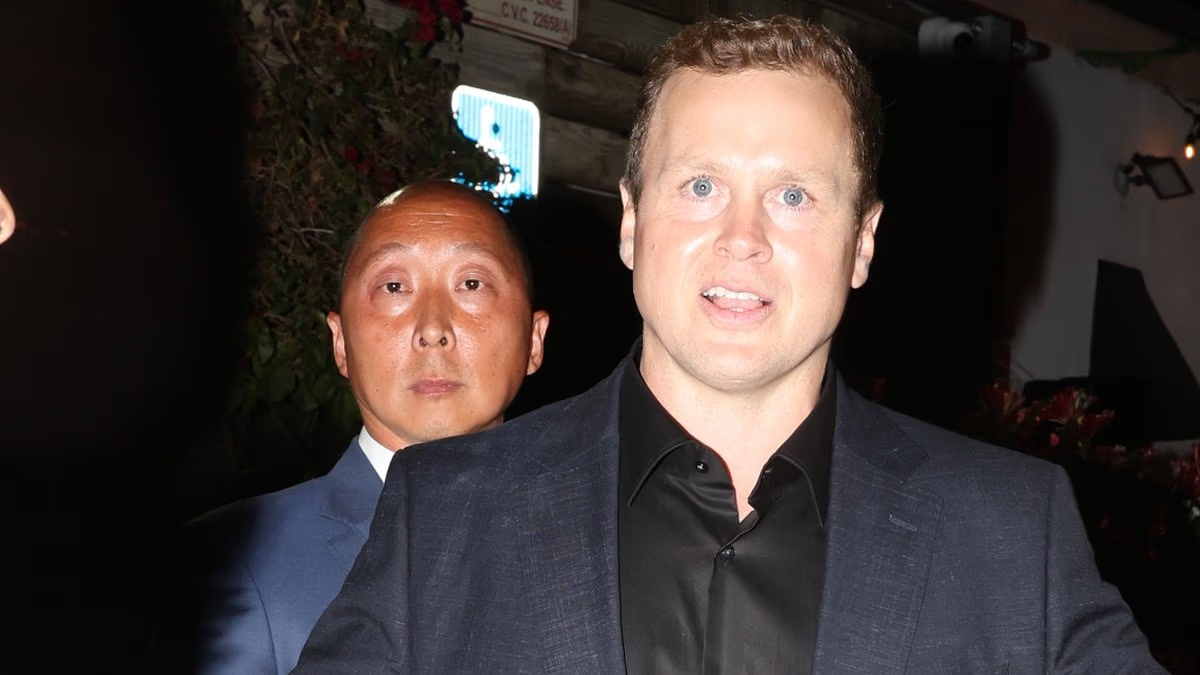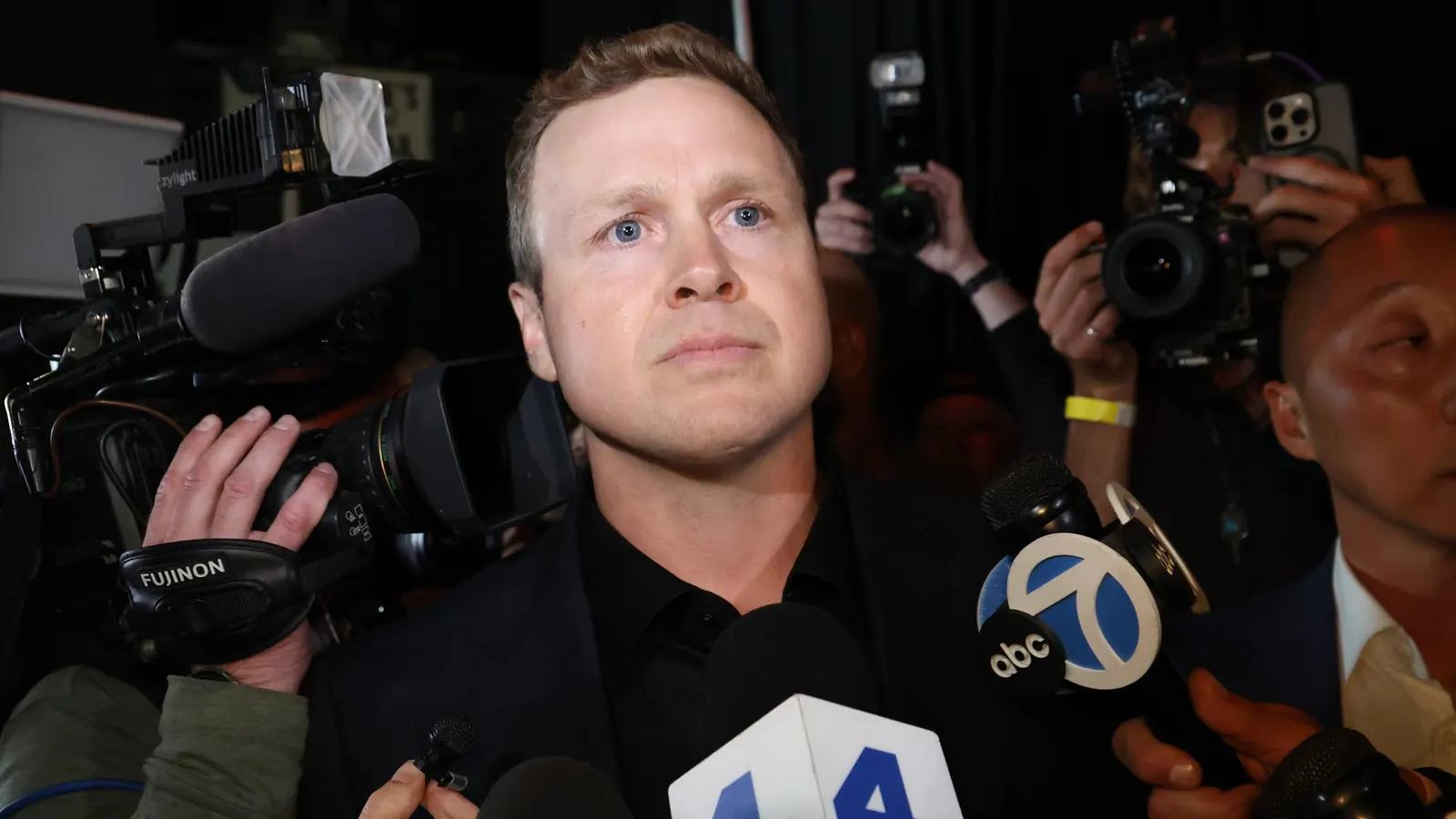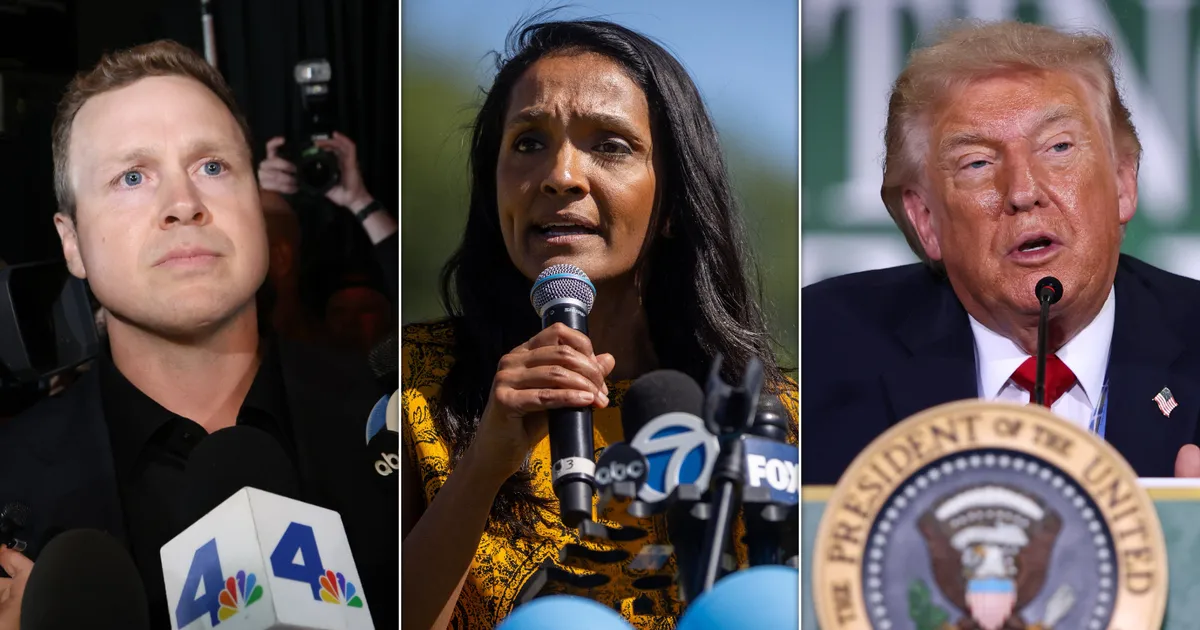
Republican candidate Spencer Pratt was never going to be the next mayor of Los Angeles, a city where 70% of voters chose Vice President Kamala Harris over President Donald Trump in 2024. But Pratt did have a shot at beating Trump’s 26.5% of the vote, an accomplishment which would have secured him one of the top two spots and pushed him into the general election. On election night, it seemed as though Pratt had done just that, collecting 30% of the vote compared to Mayor Karen Bass’s 35% and City Councilwoman Nithya Raman’s 22%. But California does not have an election day, it has an election month. As more and more mail-in ballots were counted, Raman caught up and passed Pratt, 27.1% to 26.7%. What was a 40,000-vote Pratt lead on Wednesday morning turned into a 3,000 Raman advantage by Sunday night. And by Monday night, Raman’s lead expanded to over 20,000 votes, ending Pratt’s campaign.“On Election Night, we will have a good picture of the outcome of most contests,” Sec. of State Shirley Weber said before election day, “but it will take weeks to know the final results. This is normal.”
No, it is not normal. Not normal in other states or other countries. Just the dreadful norm in dysfunctional California. California is a unique global outlier in its inability to deliver fast and fair election results, and it is not a matter of incompetence. The state has specifically designed its voting system to both take nearly forever to count votes and make it easier at every step of the way for bad actors to influence vote totals.