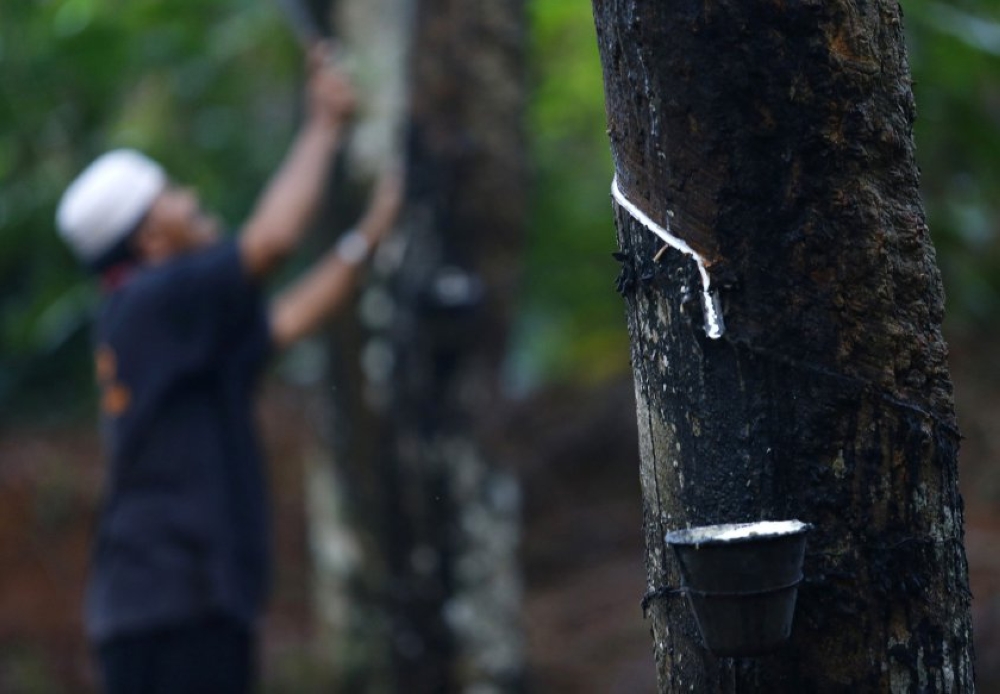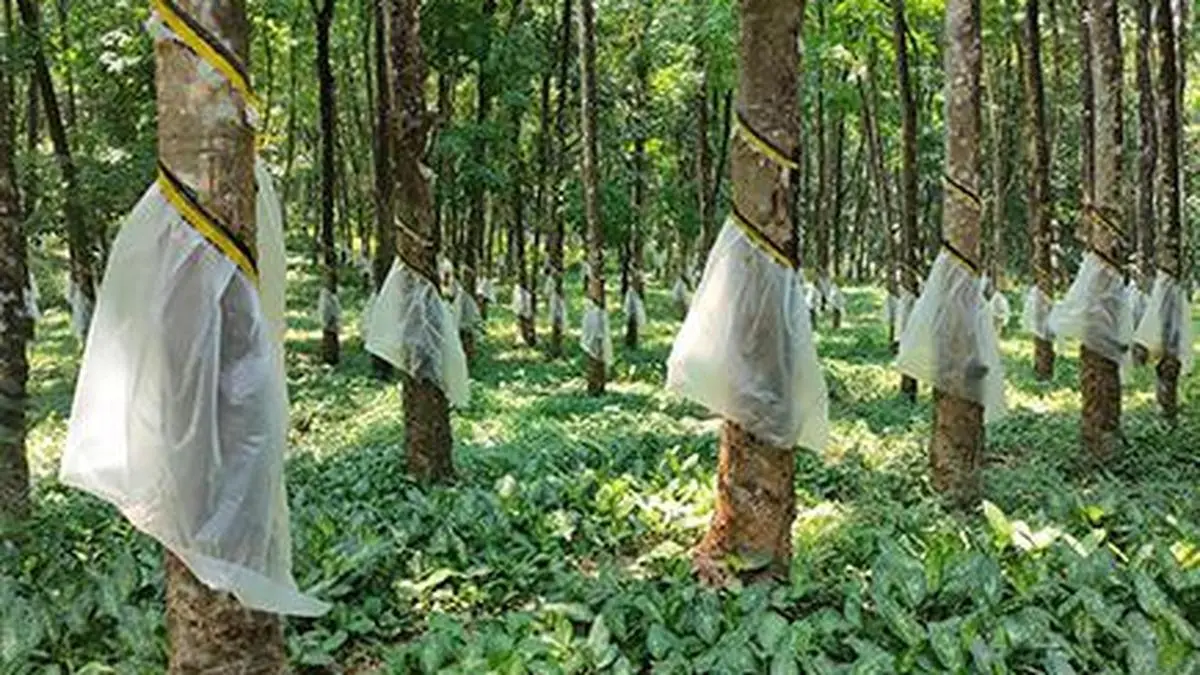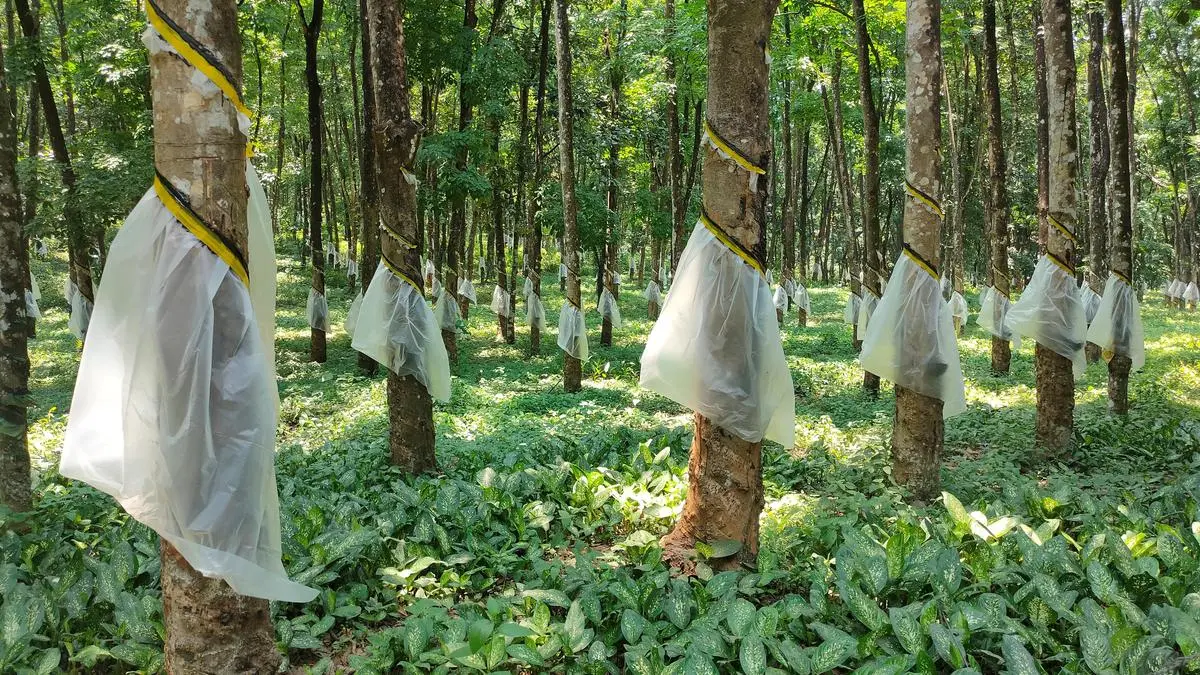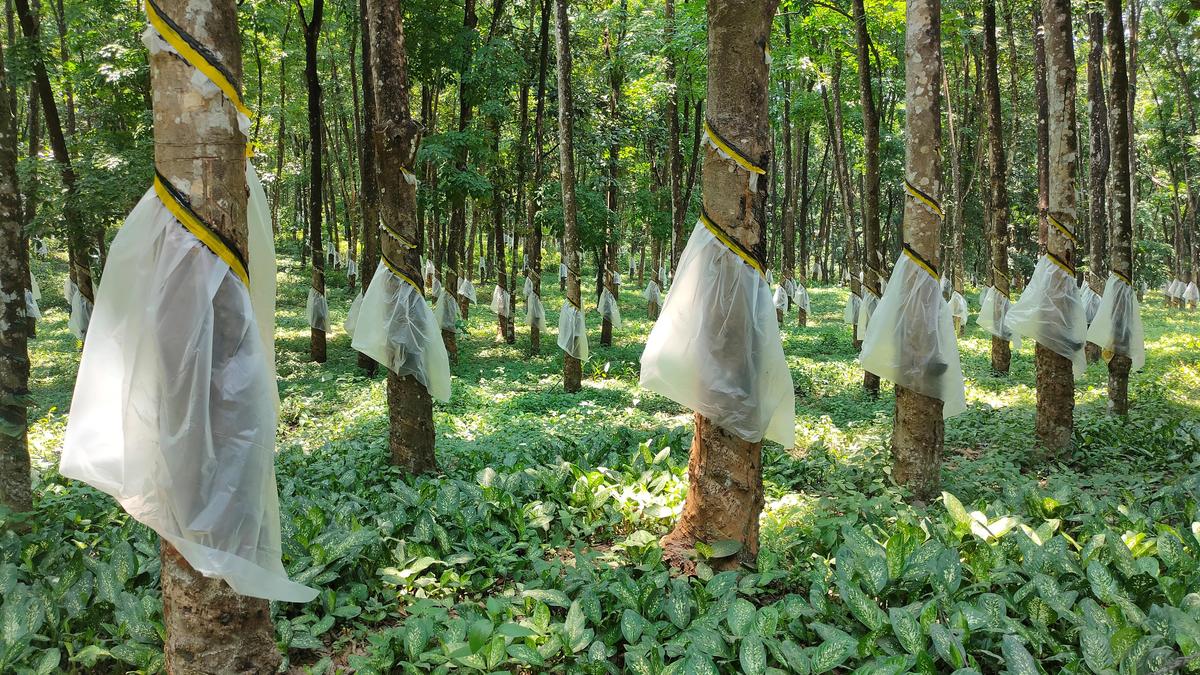
Riding on the strength of surging international rates, natural rubber prices in the domestic market have moved north, reaching an all-time high of ₹267 per kg. At the beginning of the year, the commodity was trading at ₹185 per kg.Traders said there were reports of transactions in Kottayam at ₹269 per kg. The year 2026 has witnessed a steady rise in rubber prices across major international markets. RSS-3 rubber prices in the Bangkok market, which stood at ₹191.85 per kg at the start of the year, have now climbed to ₹304.62 per kg.According to George Valy, president of the Indian Rubber Dealers Federation, the upward trend is driven by supply shortages caused by rains, rising international prices, disruptions linked to the West Asian crisis, and raw material shortages.Encouraging to growersThe onset of the monsoon and persistent rainfall in major production centres have disrupted tapping operations, resulting in lower arrivals of rubber sheets. The quantities reaching the market are largely from stocks held by dealers and farmers. Meanwhile, consuming industries continue to purchase rubber at prevailing prices to meet their production requirements, he said.Official sources said that the current price levels could encourage growers to resume tapping in abandoned plantations, thereby improving the availability of raw material in the market.Major rubber-producing countries in Southeast Asia have also been affected by adverse weather conditions. Heavy rains, coupled with the annual wintering phase, have reduced tapping days and latex yields, leading to lower supplies and higher prices.EV segment’s supportHigher crude oil prices, driven by tensions in conflict-hit West Asia, have disrupted trade and logistics and pushed up the prices of synthetic rubber, a petroleum-based product. As a result, manufacturers are increasingly shifting to natural rubber, boosting demand and contributing to the price rise.Robust demand from the automotive industry, including the rapidly expanding electric vehicle segment, has also supported the upward price trajectory.Over the years, the gap between production and consumption has continued to widen, with consumption consistently exceeding production. According to the latest statistical report of the Association of Natural Rubber Producing Countries (ANRPC), global natural rubber production is expected to increase by 2.2 per cent in 2026 to an estimated 15.32 million tonnes. However, global consumption is projected to grow by 1.4 per cent to approximately 15.60 million tonnes, indicating a continuing supply deficit..Published on June 9, 2026
Natural rubber prices soar to a record high of ₹267 per kg on global cues, supply woes
Riding on the strength of surging international rates, natural rubber prices in the domestic market have moved north, reaching an all-time high of ₹267 per kg. At the beginning of the year, the commodity was trading at ₹185 per kg.
386 words~2 min read