Story audio is generated using AI
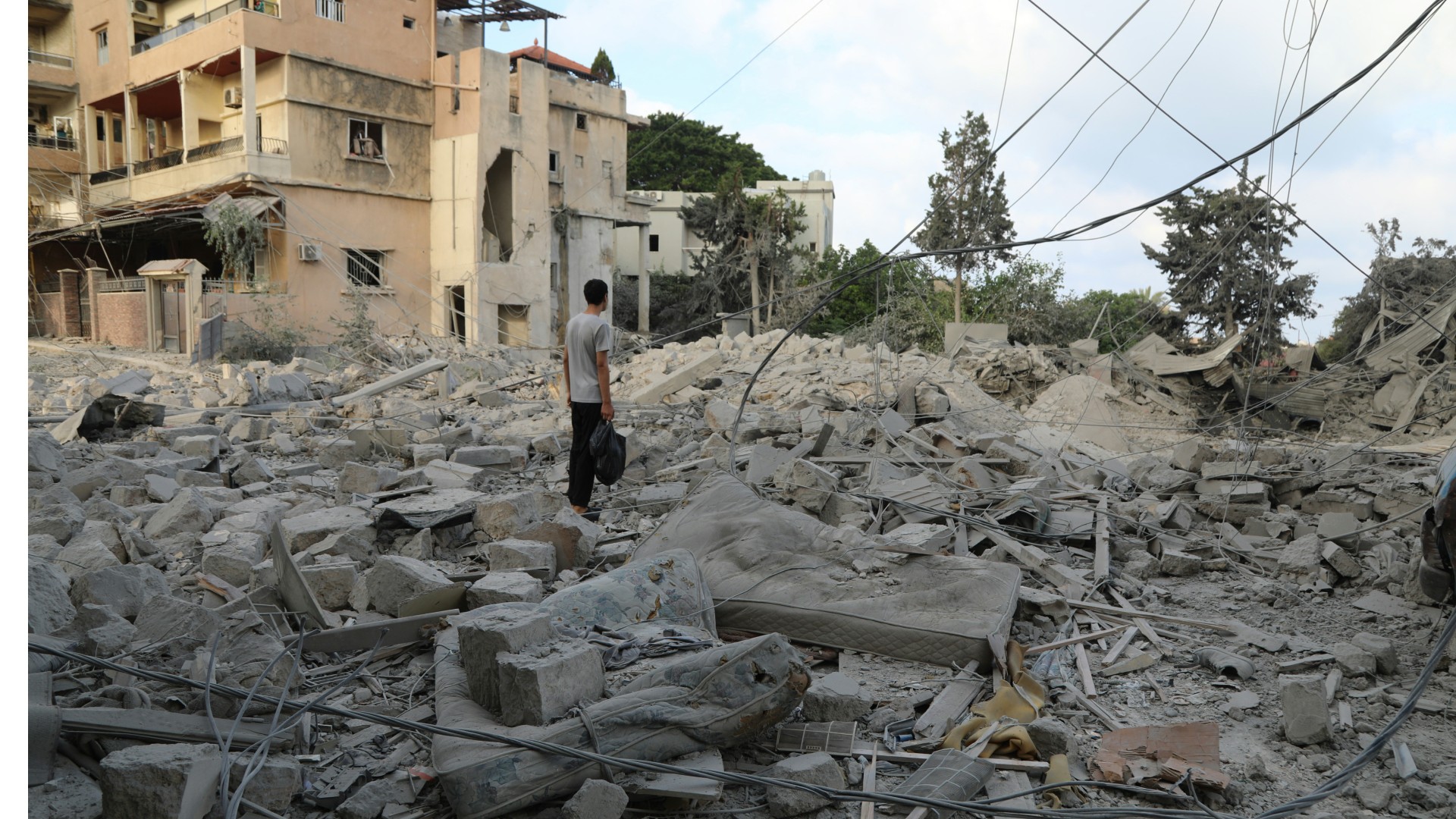
Oil prices fell on Tuesday, erasing most of the previous session’s gains, after Iran and Israel said they had halted attacks on each other following an appeal from US President Donald Trump, though both sides warned they could resume hostilities.Brent crude futures were down $1.14, or 1.2%, at $93.11 a barrel at 6.30am GMT, while US West Texas Intermediate (WTI) declined $1.3, or 1.4%, at $90.00 a barrel.Prices climbed 5% in the previous session after renewed Israeli strikes on Iran and attacks in Lebanon reduced the hope of an imminent end to the wider war but pared gains after Iran’s armed forces announced the end of military operations against Israel.While this helped stop the situation snowballing, the geopolitical backdrop remains tense, and a lasting peace deal remains elusive.— Market analyst at IG, Tony Sycamore“While there is some relief from the latest pause in direct strikes, investors are not convinced the truce will hold,” said Tim Waterer, chief market analyst at KCM Trade.Iran and Israel said they had halted attacks on each other after an appeal from President Trump that they immediately “stop shooting”, though Tehran said it would resume strikes if Israel continued to hit Hezbollah in Lebanon.“While this helped stop the situation snowballing, the geopolitical backdrop remains tense and a lasting peace deal remains elusive,” said Tony Sycamore, market analyst at IG.Israeli Prime Minister Benjamin Netanyahu said in a video carried by Israeli TV that Israel would respond with force if Iran attacked again.Trump told Axios in an interview published on Monday that he warned Netanyahu that he might find himself fighting alone if he went back to war with Iran.“The key question is whether current de-escalation efforts can finally translate into a longer-lasting resolution, or if we’re simply in another temporary lull,” Waterer said.One of the key issues Washington is pressing Tehran for in peace talks is the reopening of the Strait of Hormuz, through which about a fifth of the world’s supply of oil passed before the US and Israel launched airstrikes on Iran at the end of February.The key question is whether current de-escalation efforts can finally translate into a longer-lasting resolution, or if we’re simply in another temporary lull.— Tim Waterer, chief market analyst at KCM TradeOn Monday, US forces disabled an unladen oil tanker in the Gulf of Oman after it attempted to sail to an Iranian port in violation of the ongoing blockade against Iran, the US military said.Reuters