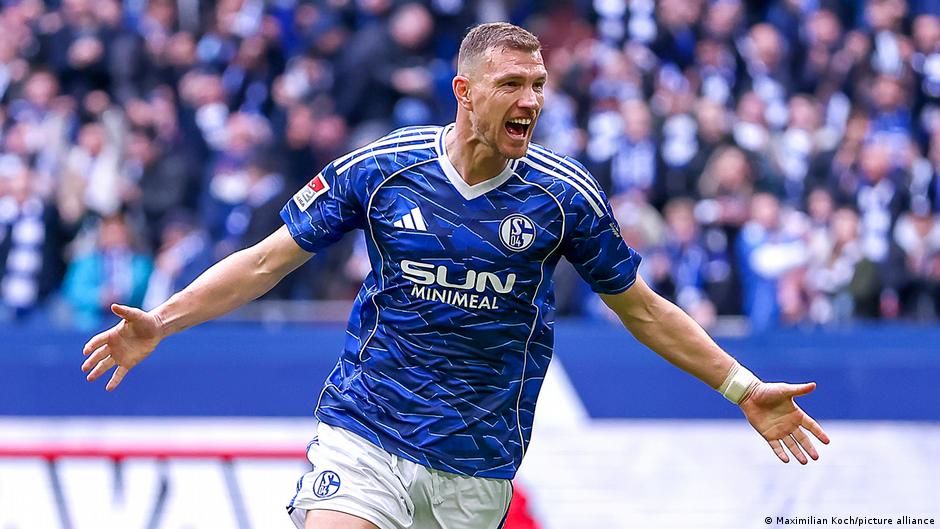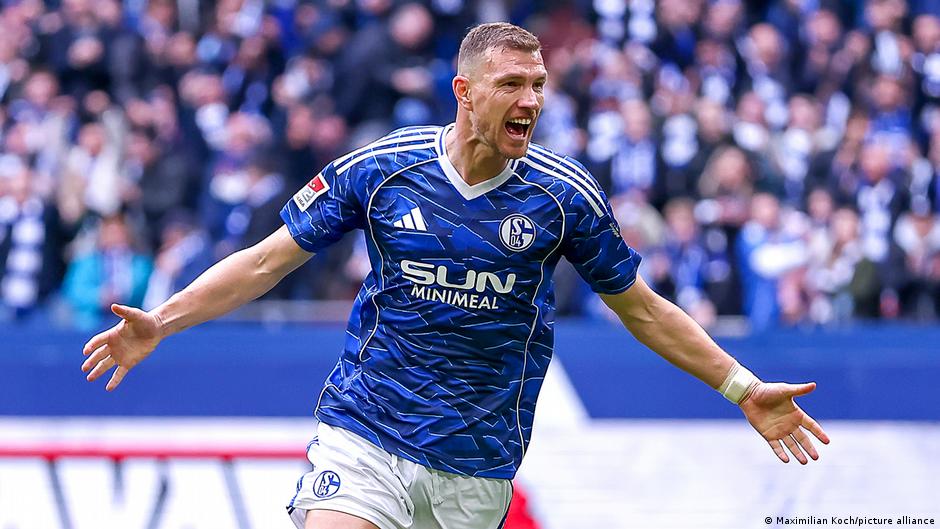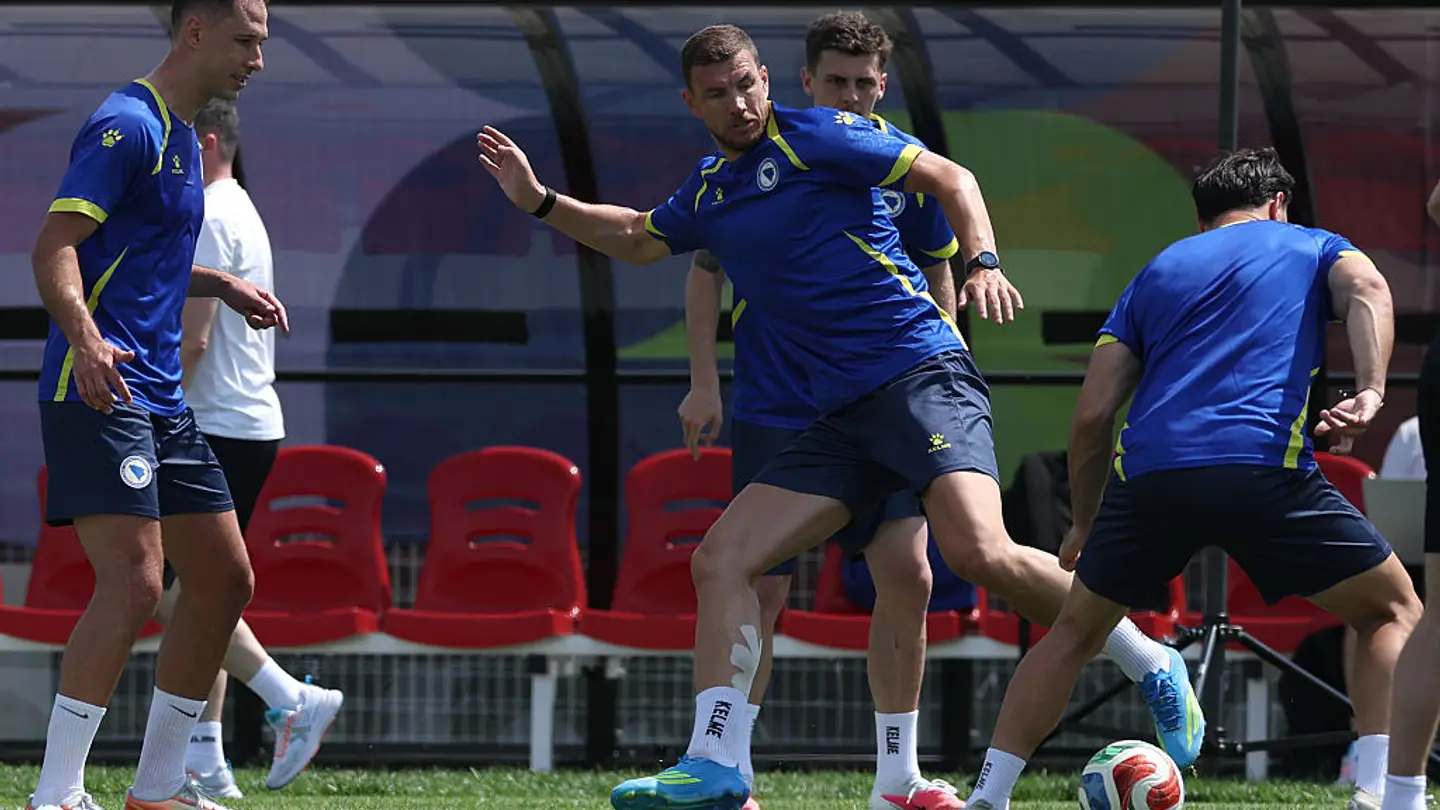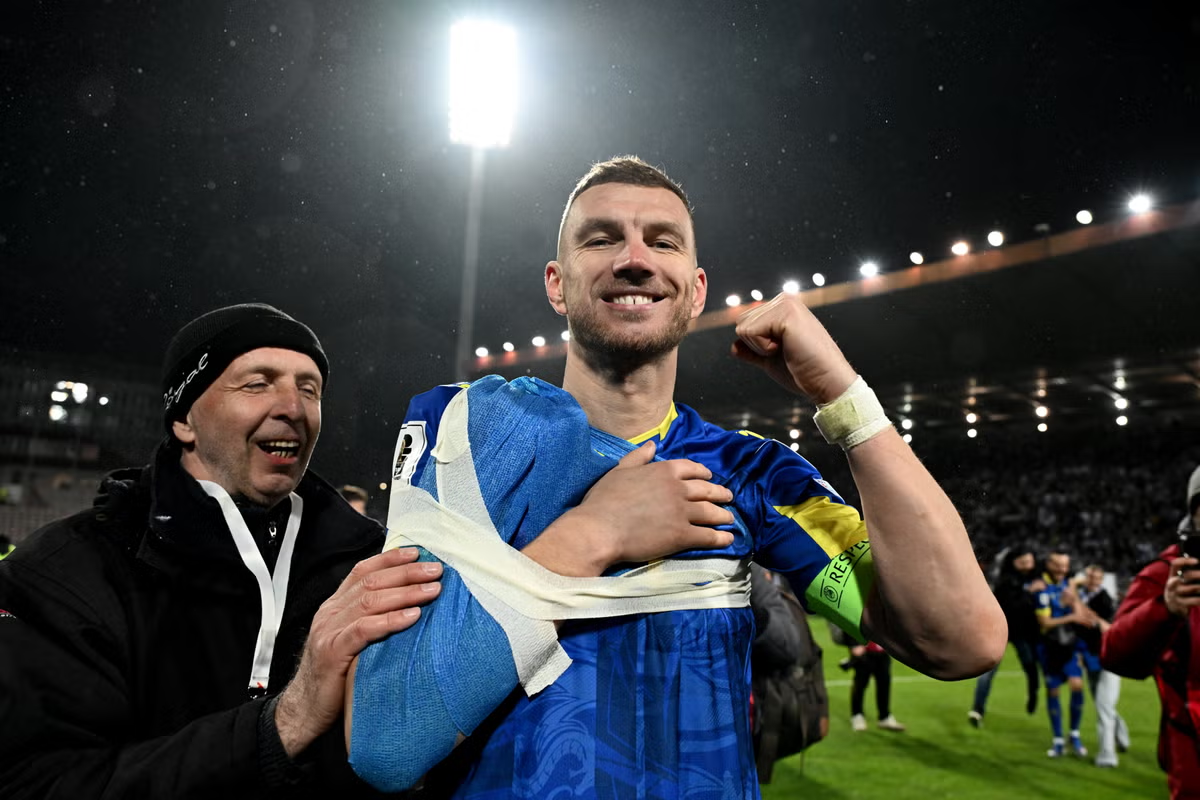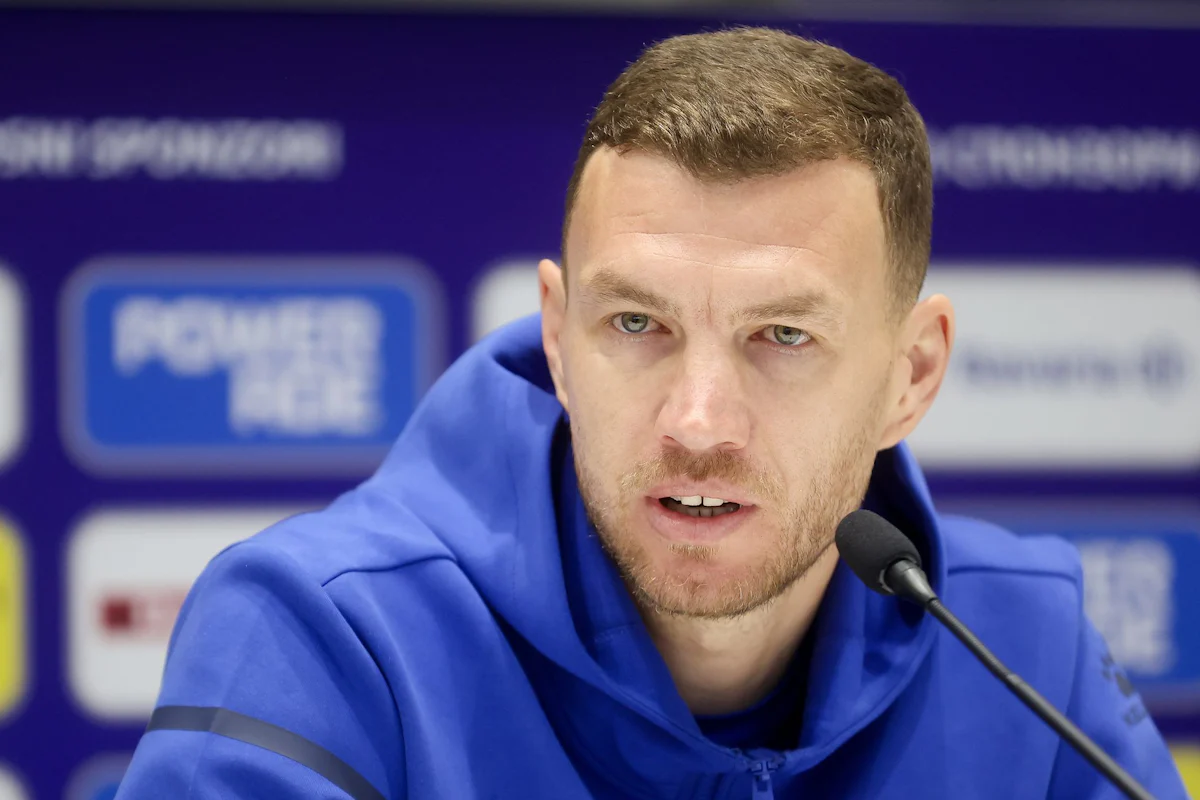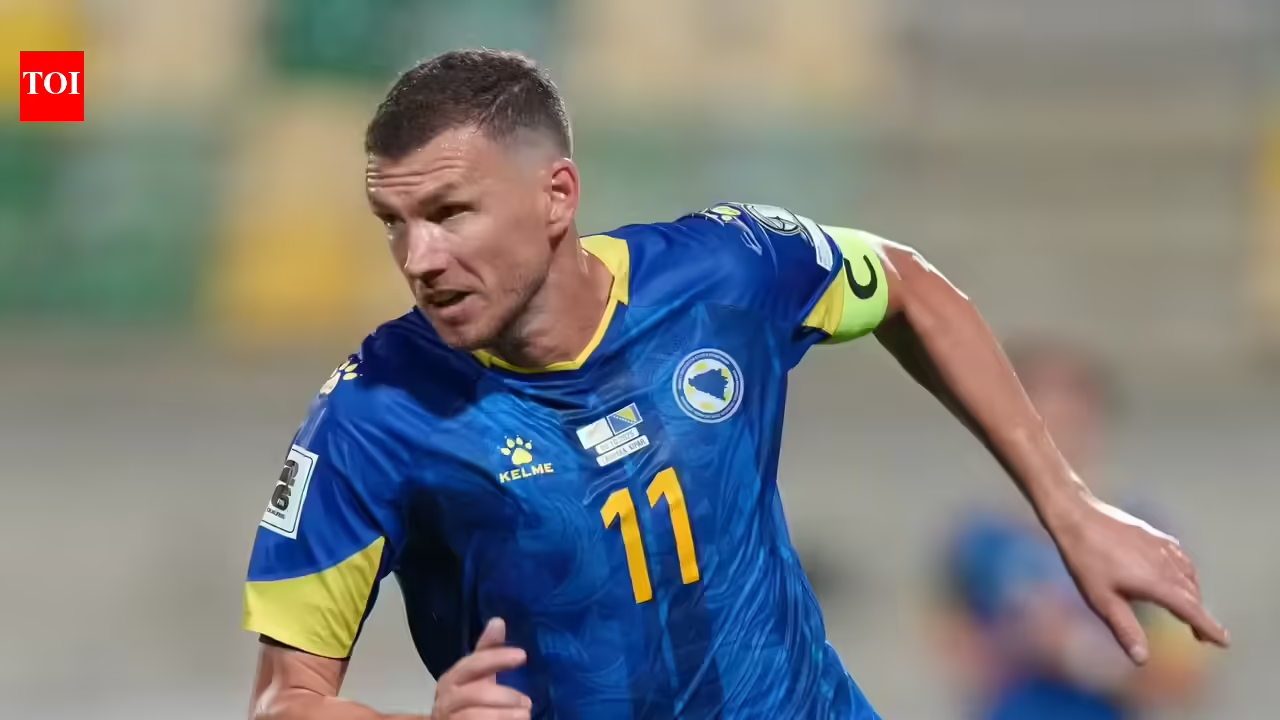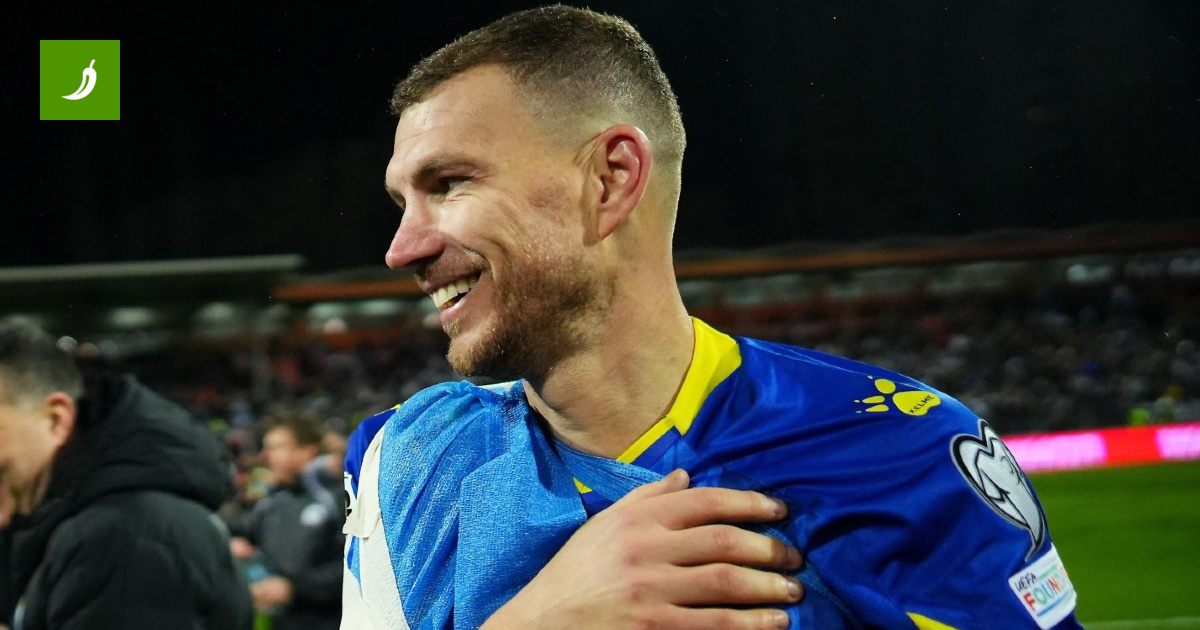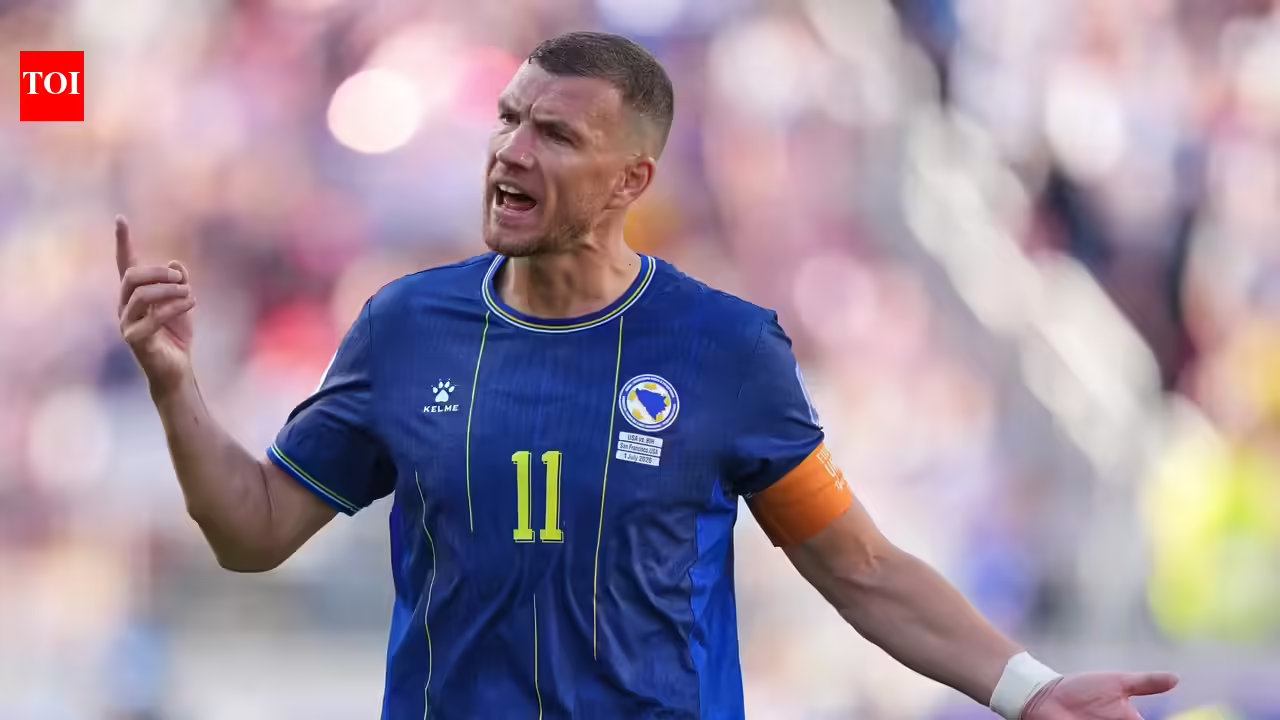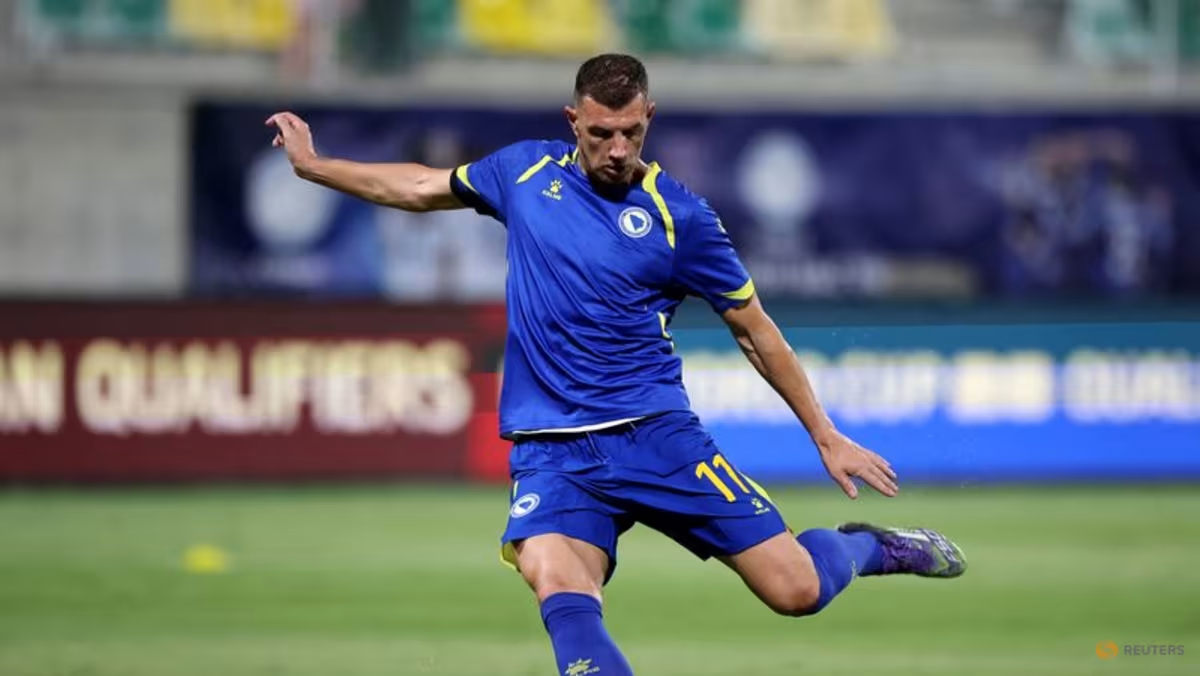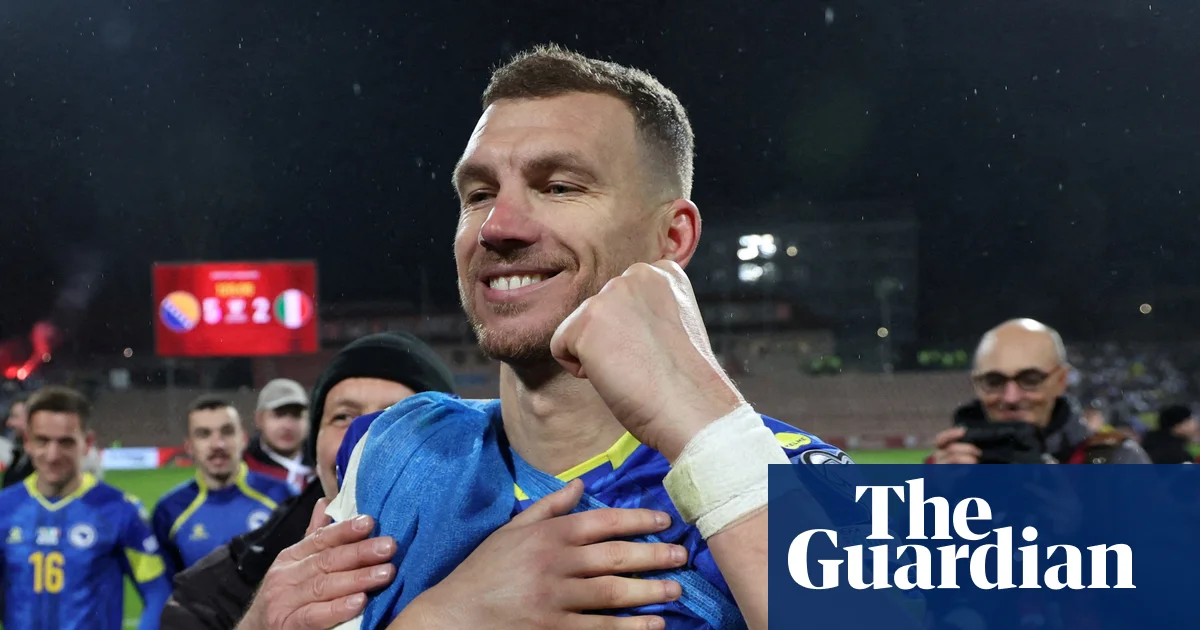
“Sometimes there is an end for all of us, maybe mine is coming soon,” says Edin Dzeko, though first there is the small matter of captaining Bosnia and Herzegovina at only their second World Cup, lessons learned. “When I was 17, 18, people were telling me: ‘Experience is something you get by playing for so many years,’” he says, screwing up his face a little, “when you think like a 17-year-old.” A smile unravels on Dzeko’s face. “But when you arrive at this age you know experience is fundamental.”When he was sold by the Sarajevo-based Zeljeznicar to the Czech team Teplice as a teenager, few envisaged him forging an elite career that has taken him to Europe’s best leagues and the biggest stages in the game. He is one of seven fortysomethings who could feature at the tournament this summer, along with Cristiano Ronaldo and Luka Modric and, just like those two, inevitably much of the intrigue in Dzeko is rooted in longevity. To cut to the chase, what are the secrets to his success?“I didn’t think I would be playing at 40,” he says. “If you asked me 10 years ago, I would have said ‘no’, but I’m listening to my body and doing a lot of work before and after training to help my body because I’m not the youngest any more and I need to take care of my legs, my body. I’m still feeling good and I still feel that I can help the team when I’m playing, which I did in the last four months at Schalke and the national team.“Maybe when you’re young, you don’t think a lot about coming earlier to training and staying 30-45 minutes before training in the gym, doing the prevention work and then also staying after the training, like 30-45 minutes, or one hour, and doing some other prevention works. Maybe as a young player, when you’re 20, you say: ‘I don’t have time for this. I want to go out for coffee or something with friends or lunch.’ When you get older, you realise your body needs, your legs need, something like this if you want to compete at the best level and stay so long in football.”After an unusually fruitless six months at Fiorentina, whom he joined last summer, he signed for Schalke in January until the end of the season. “They just needed another push, let’s put it like this,” he says of returning to Germany, where he first established himself as a prolific goalscorer at Wolfsburg. He replicated that form across the continent, winning two Premier League titles – including 2012 – and an FA Cup with Manchester City and proved a big hit in Serie A with Roma and Inter, before breezing into double figures in both of his seasons at Fenerbahce.Edin Dzeko equalises against Wales in their playoff in Cardiff and Bosnia and Herzegovina went on to win on penalties. Photograph: Warren Little/Getty ImagesHe soon got to work at Schalke, too, scoring 20 minutes into his debut, one of six goals that ultimately helped fire the club back to the Bundesliga after three years away. Miron Muslic, who fled genocide in Bosnia as a boy, was his manager. For Dzeko, it proved an inspired move and one that prevented him coming into March’s World Cup playoffs from a standing start. It was Dzeko’s headed equaliser against Wales in Cardiff, his most recent goal, that put Bosnia and Herzegovina on the path to this point. “Ah, sorry, Welshman,” Dzeko says, putting his thumbs up by way of an apology to the Welsh employee facilitating this interview on behalf of the Bundesliga.A few days later they triumphed on penalties against Italy in Zenica, sparking scenes of jubilation, flares and fireworks, on the streets of Sarajevo and beyond. Dzeko believes Bosnia and Herzegovina’s performance got lost in the wreckage of Italy’s latest failure. “I think that in those days there was a lot of talk about our stadium, how small the field is, the balconies around, that Italy might not go to a third consecutive World Cup,” he says. “Almost no one talked about us as a team, that we truly are an excellent team with many young players who then also demonstrated their value against Italy.”Edin DzekoHis first World Cup was in Brazil in 2014, Lionel Messi scoring what proved to be the winner for Argentina on Bosnia and Herzegovina’s debut in Rio de Janeiro. The memories, including his disallowed opening goal in a defeat against Nigeria that culminated in elimination, invariably linger. “I wish I could have enjoyed [it] even more because playing games, you cannot enjoy the beautiful country so much,” he says. “For us, it was the first big competition and to play it in Brazil, in the country of football, was amazing. And then having to play the first game at Maracanã against Argentina, even more so. The only thing that was missing was to go through to the next round.”Dzeko and the nation, led by a former forward in Sergej Barbarez, hope for a different story this summer. They are in Group B alongside co-hosts Canada, who they face in their opener on Friday, then Qatar and Switzerland. “Oh, I love the Swiss mountains,” says Dzeko. “When I was playing at Inter, from Milan it was so close and I was often there with my wife and with my kids … I will definitely go back. Switzerland are definitely the favourites in our group because they have so many good players, a very experienced team and the team that always plays big competitions. And obviously then the other teams would think maybe a little bit more about second and third place.”For now, Dzeko, who grew up playing football between war-torn buildings and shelters in Sarajevo, is determined to savour his latest adventure. Questions about how long he will continue can wait.“First, I have to talk with Schalke to see what their plans are, and then we’ll decide,” he says of his future. “This is a great club with great fans and I can see already they have so much love for me as well. I have to say everything that happened in the last four months was even better than expected.”
‘I didn’t think I’d be playing at 40’: Edin Dzeko on defying age to lead his country at the World Cup
After helping to shock Italy in the playoffs, the Bosnia and Herzegovina captain is out to upset co-hosts Canada in their opening match on Friday
1,041 words~5 min read