June 9, 2026
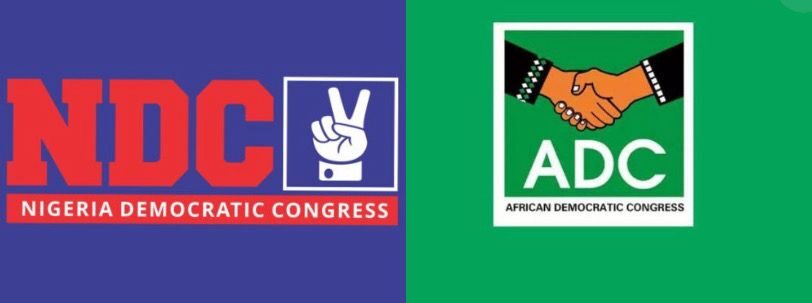
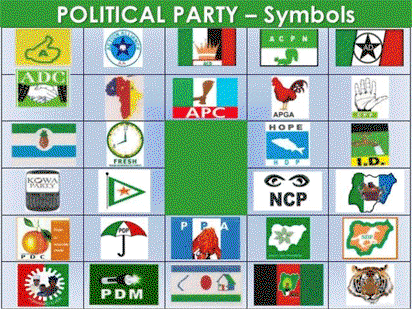
Logo of some political parties in Nigeria
With the conclusion of party primaries ahead of the forthcoming elections, Nigeria’s political conversation has predictably centred on winners and losers, defections, grievances and celebrations. But beyond the immediate theatre of contests lies a deeper question: are our political parties becoming democratic institutions or do they remain vehicles for powerful individuals and vested interests?
The primaries suggest the latter. Across party lines familiar problems resurfaced: allegations of candidate imposition, manipulated delegate lists, opaque procedures, internal disputes and the excessive monetisation of politics. These recurring complaints cast a long shadow over the credibility of candidate selection and, by extension, the legitimacy of the electoral process.
Of particular concern is the rising cost of political participation. Many aspirants were required to pay enormous sums for nomination and expression-of-interest forms. Such financial barriers exclude competent and visionary citizens who lack deep pockets or reject corruptive politics but possess the capacity and commitment to serve. Politics should not be the preserve of the wealthy. Democracy flourishes when opportunities are open to all qualified citizens.