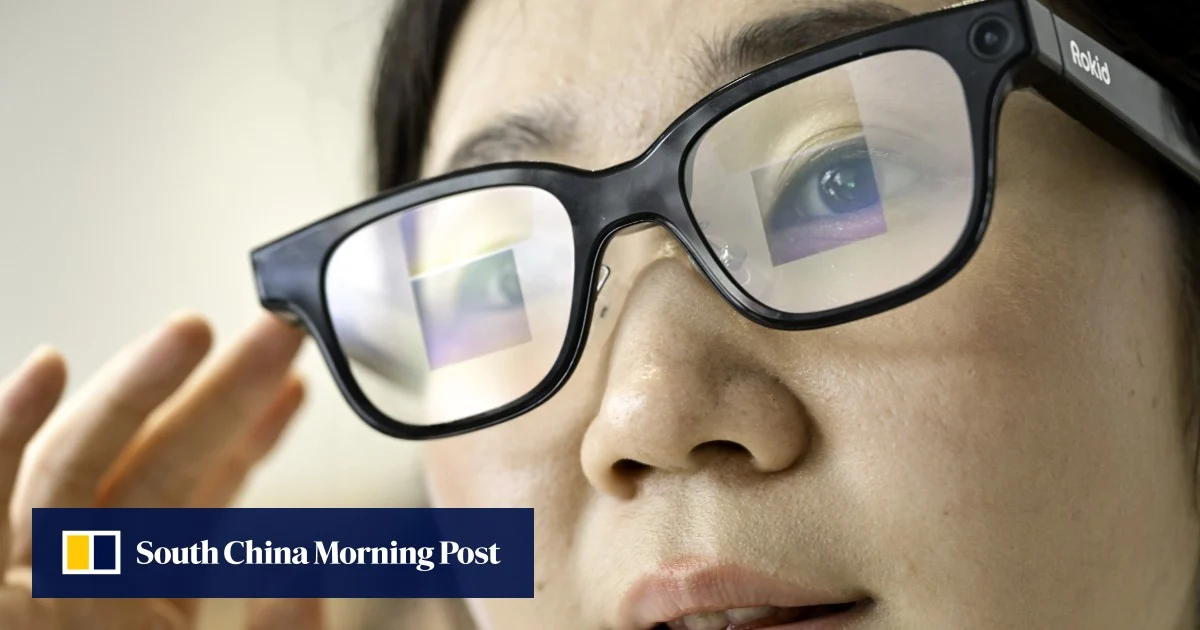
A pair of seemingly ordinary glasses can be turned into a covert recording device with nothing more than a low-cost light-blocking sticker. This is no longer a science fiction scenario, but a real-world challenge emerging as AI-powered smart glasses gain wider adoption in China in 2026.
This week, the topic “Are smart glasses becoming a tool for covert filming? Rokid launches an urgent rectification plan” trended on Weibo. The controversy was triggered by a growing number of videos posted in the Rokid community showing flight attendants and pedestrians being recorded without their knowledge, according to Jiemian.
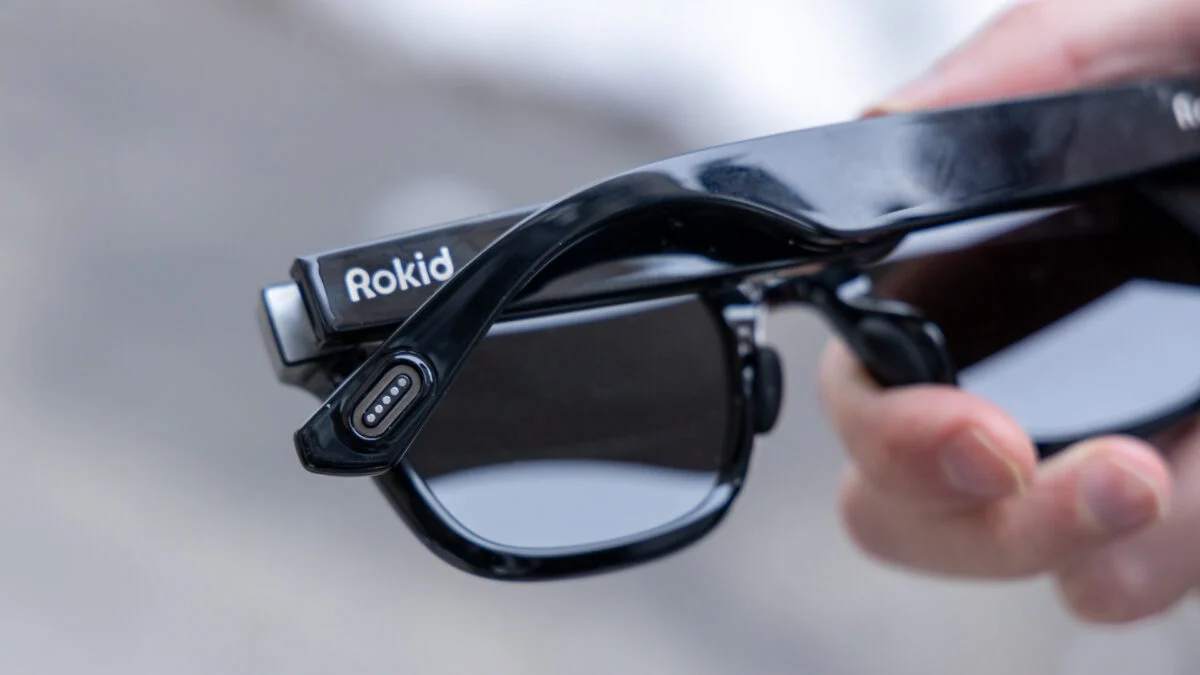
Meanwhile, e-commerce platforms have reported sales of more than 5,000 units of stickers designed specifically to cover recording indicator lights. Once such stickers are applied, recording activity becomes difficult for bystanders to detect. Audio alerts can only be heard by the wearer, leaving those nearby unable to determine whether the device is recording.
This is not merely a question of user behavior. It also shows shortcomings in the privacy protection mechanisms built into smart wearable devices.
Some products place recording indicator lights on the inside of the glasses’ temples, where they are less visible, and the indicators may illuminate only briefly. Audio notifications often have limited range, while privacy-related information is frequently buried in product documentation rather than prominently disclosed during the purchasing and onboarding process.