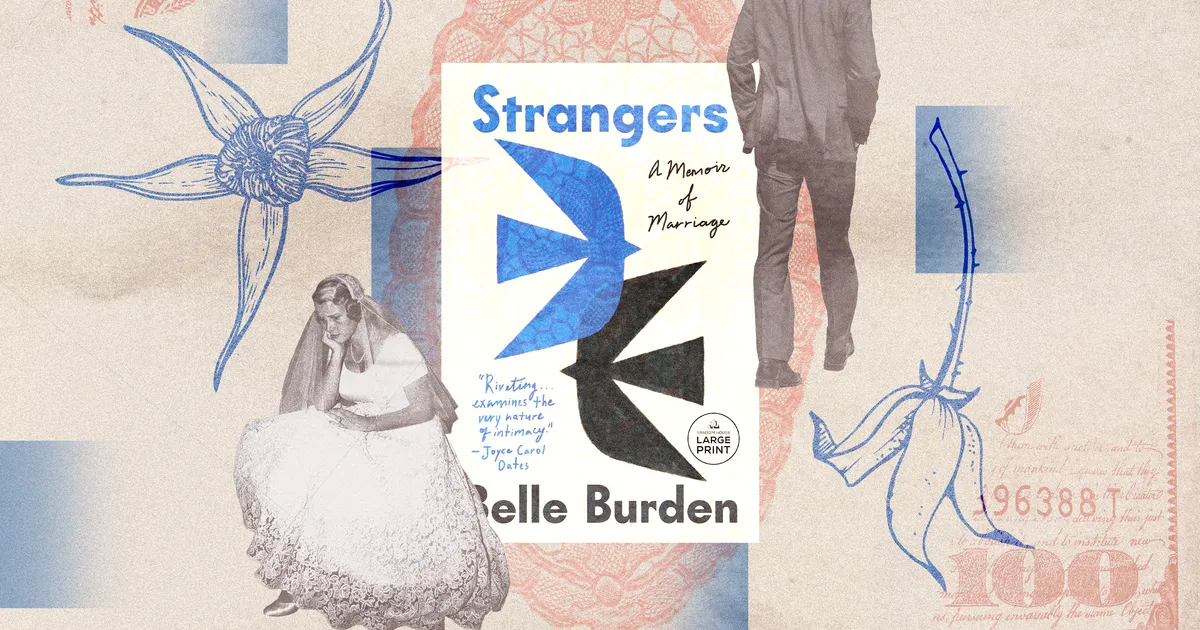
Sir, – Jennifer O’Connell’s piece on Belle Burden’s divorce memoir raises a question worth turning on its head: never mind whether the memoir tells the whole truth about a marriage; does marriage tell the whole truth about what it asks of women? (“Does it matter if Belle Burden’s controversial divorce memoir doesn’t tell the whole truth?”, Opinion, June 7th).Women have good reason to be sceptical of the institution. The philosopher Clare Chambers has argued that marriage rewards only those who organise their lives in one particular and legally recognised way. Why should the State privilege this configuration above others? The answer has historically had less to do with love than with property, inheritance and the control of women’s bodies and labour. Marriage has played a significant role in maintaining the wider regime of gender inequality, used to consolidate legal and economic oppression by confining women to a private sphere in which they remain disadvantaged. Perhaps no formulation captures this more sharply than that of feminist Sheila Cronan: “The marriage contract is the only important legal contract in which the terms are not listed.” Those unwritten terms? A full-time (unpaid) job: caring, cooking, cleaning. Not to mention the mental load of remembering, reminding, checking and scheduling that women, and mothers in particular, know all too well. The practical disadvantages are not relics. Women who reduce hours or leave the workforce to raise children – and Irish women still do this at far higher rates than men – incur lasting earnings penalties, pension deficits and financial dependency. The “marriage bonus” economists identify largely accrues to men; the marriage penalty falls on women. None of this means marriages cannot be loving and freely chosen. But the institution is not reducible to its best instances.It’s possible that Irish women are starting to understand this. Almost one in five couples now cohabit. The marriage rate has fallen more than 20 per cent in a decade, to 3.8 marriages per 1,000 people in 2024, down from 4.8 in 2014. These are not the numbers of a society that enthusiastically endorses marriage. They’re the numbers of a society quietly voting with its feet. – Yours, etc,MAEDBH KING,Dún Laoghaire, Co Dublin.
Belle Burden’s divorce memoir and the reality of marriage
Women have good reason to be sceptical about an institution that leaves them worse off in many ways
363 words~2 min read