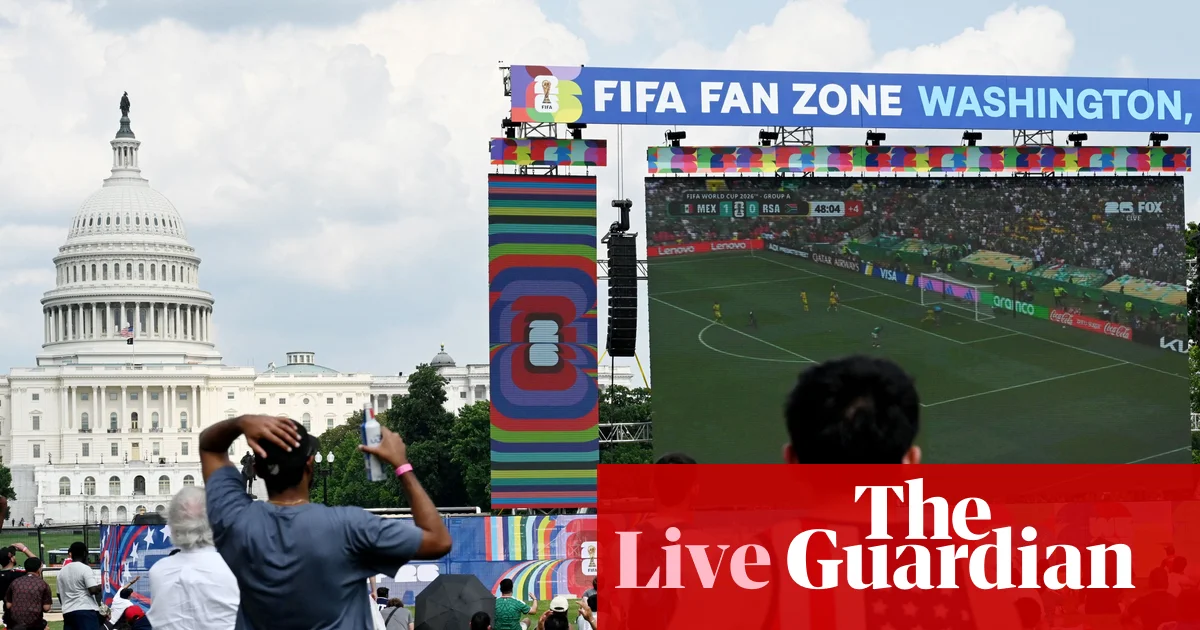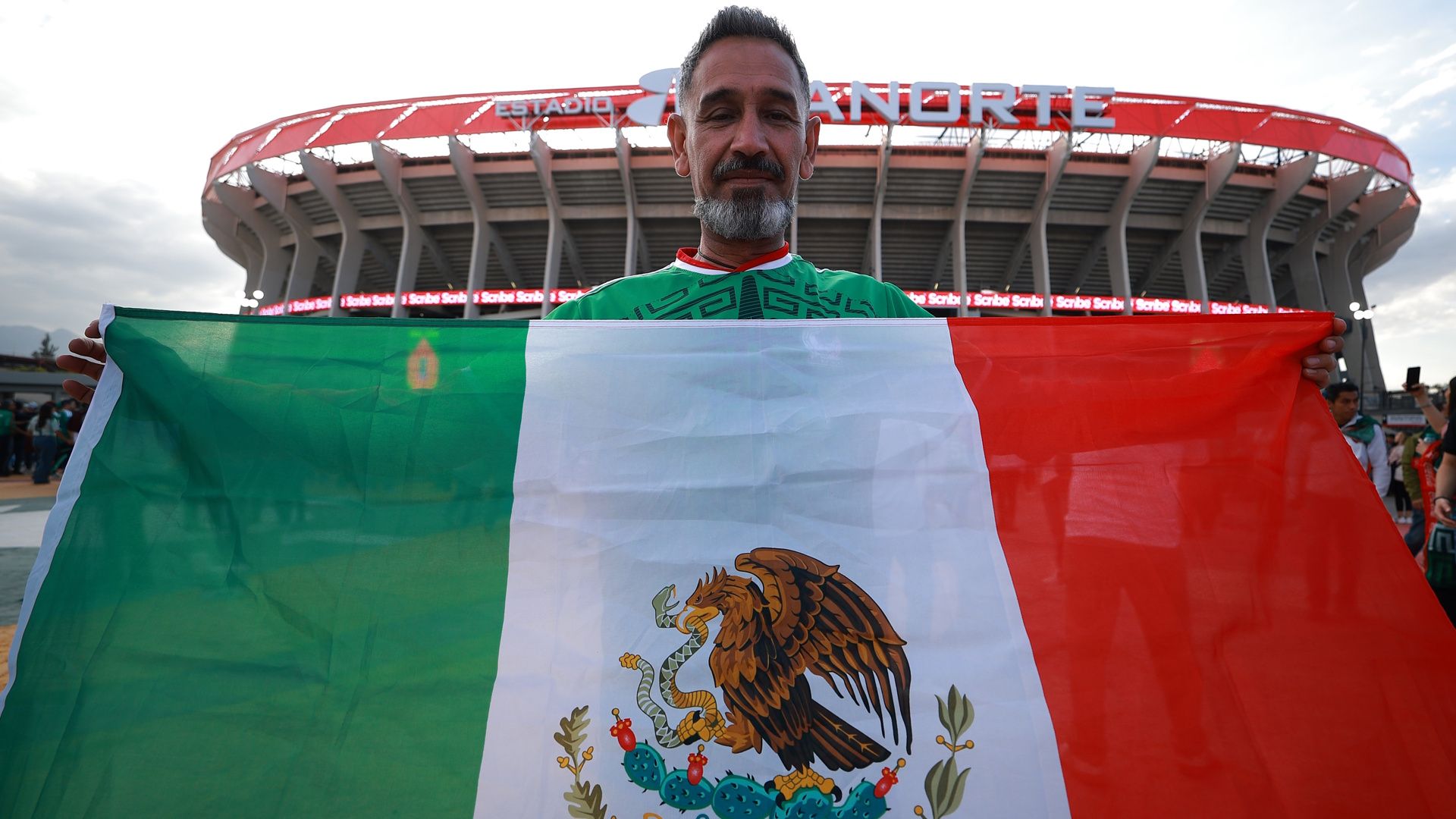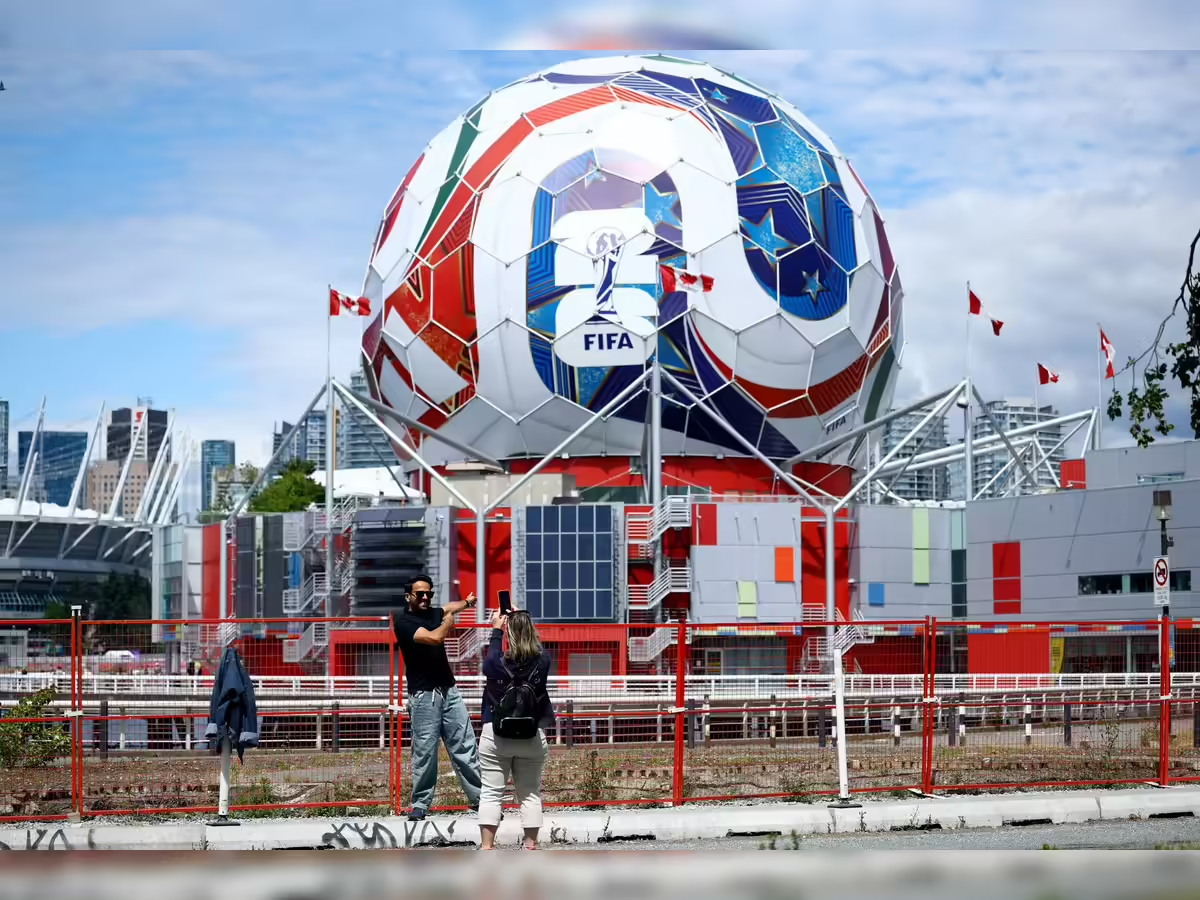
With just a couple of days to go until the first match kicks off at the Estadio Azteca in Mexico City, it has been a strangely muted run-in to the 2026 World Cup. Media muscle memory has kicked in, with the usual dutiful assembly line of familiar furniture: fixture lists, stadium descriptions and predictions of who will soar and who might flop. But alongside all that has run a consistent thread of scepticism, cynicism and occasionally outright contempt.The sceptics are themselves met with scepticism by those who point to examples of pre-tournament sourness that dissipated as soon as the football started. But there is no doubt that a bad smell hangs over a World Cup which so far has been dominated by the unlovely figures of Donald Trump and Gianni Infantino rather than by Lamine Yamal or Kylian Mbappé.Another source of unease is the gigantism which now afflicts the whole thing. When Ireland went crazy for Italia 90 and USA 94, the finals involved 24 teams playing 52 matches. When the field was expanded to 32 teams at France 98, viewers settled into an easy-to-understand format – two teams qualify from each group – that held for seven consecutive tournaments. Now 48 countries will be in contention across 104 matches over 39 days. Where once the group stages featured dramatic upsets and feats of giant-killing, most of the jeopardy has been removed. This super-sizing seems likely to generate the football equivalent of AI slop.There will be no Italia 90-style fever in Ireland this summer, given our failure to qualify. But RTÉ is trumpeting the fact that it will be broadcasting or streaming every single one of those 104 matches free-to-air. Across Europe, that’s becoming unusual.In France, the rights are split between M6, which shows 54 matches free, and beIN Sports, the Qatari-owned pay-TV service, which holds rights to the full tournament. French viewers wanting to follow a nation other than their own through the knockout rounds face a paywall. In Germany, ARD and ZDF are showing 60 matches between them for free, but the remaining 44 – including a significant tranche of knockout ties – are exclusive to Deutsche Telekom’s MagentaTV subscription service. In Spain, DAZN holds exclusive pay-TV rights to all 104 matches, with the public broadcaster RTVE offering free coverage of one high-profile match per day, including Spain’s own games, the semi-finals and the final. For a Spanish viewer wanting to follow Brazil or England through the last 16, the price of admission is a DAZN subscription.The Netherlands offers a closer parallel to Ireland. NOS, the Dutch public broadcaster, secured all the games free-to-air in a deal agreed with Fifa in 2024, extending rights through to the 2030 World Cup. In the Nordic countries, the model is generally a split between a free public broadcaster and a pay partner. In the UK, meanwhile, the BBC and ITV still offer all matches free-to-air.Fifa treats all territory rights fees as confidential and RTÉ has not disclosed what it has paid. That may yet become politically contentious. For context, we know that Spain’s public service broadcaster paid €55 million for its World Cup rights.Spain is a market of 47 million people with a team among the favourites to lift the trophy. Ireland’s fee will be a fraction of that. Even so, in a small market with no team in the competition, will what RTÉ describes as its most extensive World Cup coverage to date be justified by the audience figures?The 2022 Qatar tournament offers some indication of the nation’s appetite. The Argentina-France final drew 783,700 television viewers, with a further 490,000 streaming it on the RTÉ Player – the highest streaming figure for any event on the platform that year. But the group stage was a more mixed picture: an early Morocco-Croatia tie drew just 59,000 television viewers, while matches involving big nations drew between 280,000 and 520,000.[ The World Cup is a deathless carnival of garbage, a dictators’ masquerade ball. Can’t wait for itOpens in new window ]Qatar took place in the run-up to Christmas, a peak time for TV viewing and advertising revenue. Time zone differentials meant many matches took place during the working day in Ireland, which may partly account for the impressive streaming numbers. The 2026 World Cup presents a more challenging viewing landscape. Almost half of the games will kick off after midnight Irish time, with some starting as late as 5am. The biggest matches have been deliberately scheduled by Fifa to fall in eastern US time zones, giving European audiences the largest possible prime-time window.Some may take the view that the tournament proper really begins on June 28th in Los Angeles, when the first knockout match kicks off. That still leaves 32 teams and 32 fixtures to enjoy over three weeks. It is not a view the rights holders are keen to encourage.The tectonic plates of sports broadcasting continue to shift. Two weeks ago, the Champions League final disappeared behind a paywall in the UK for the first time, with TNT Sports declining to make it free despite political pressure from Keir Starmer’s government. Sports rights are heading in one direction: an overabundance of content, a fragmentation of providers, and the supplanting of the old public-funded or advertising-supported model by subscription services which many people are unwilling or unable to pay for. Virgin Media Television’s announcement in April that it is walking away from Champions League rights from 2027, citing costs that are “no longer sustainable” for a free-to-air commercial broadcaster, was another straw in the wind. If the World Cup goes further down that road, the real winners of future tournaments may be the purveyors of dodgy boxes. In the meantime, as you settle down to enjoy the 72 games devoted to the elimination of 16 teams, appreciate it while you can.
Hugh Linehan: The World Cup is still free to watch in Ireland, but for how much longer?
More and more sports broadcast rights are moving to subscription services and that is likely to continue
968 words~4 min read