Richard Crampton Platt
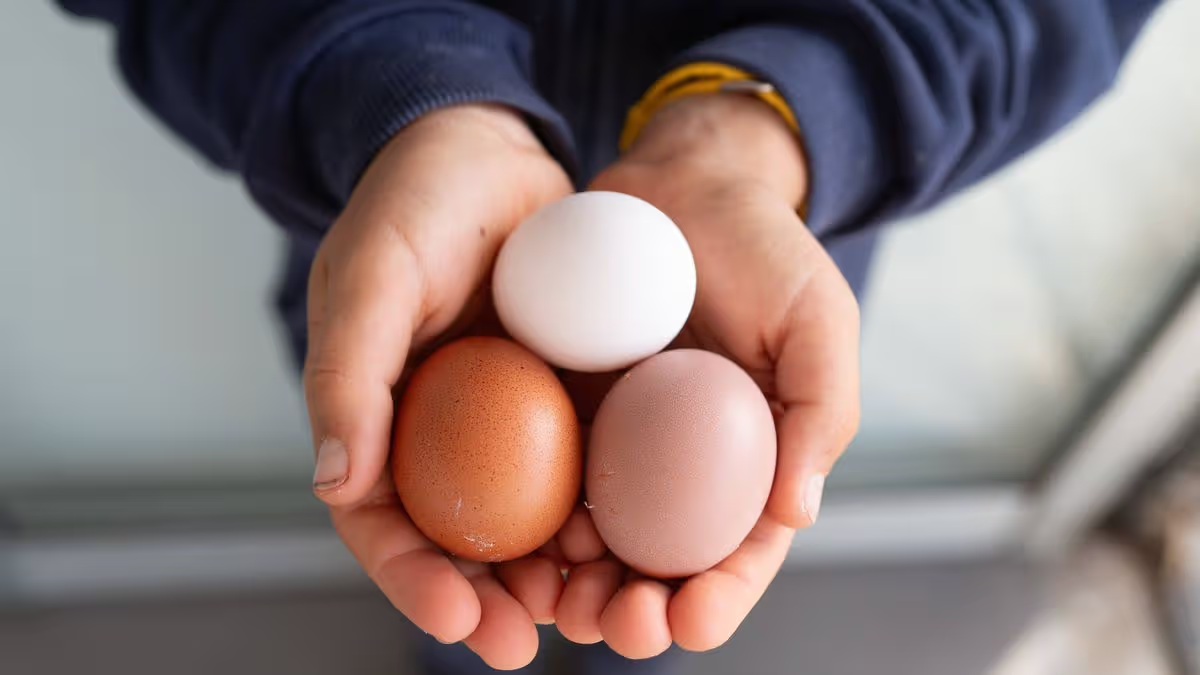
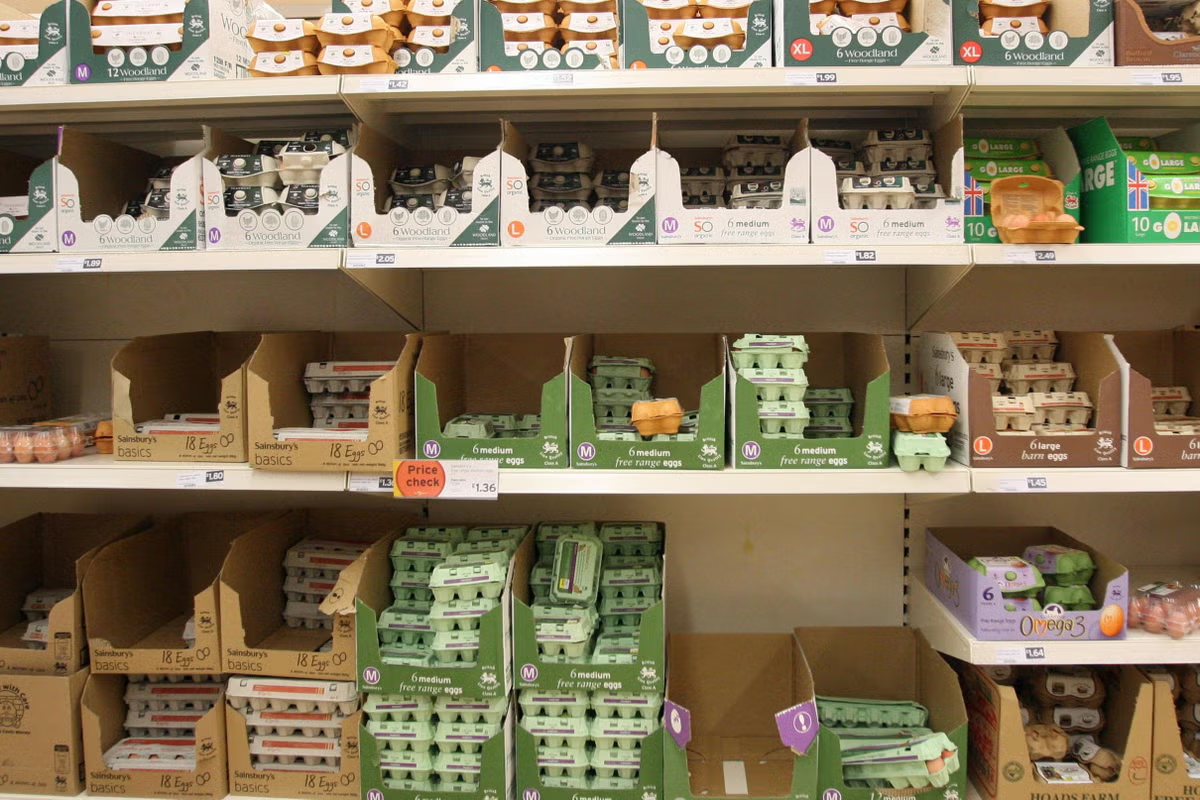
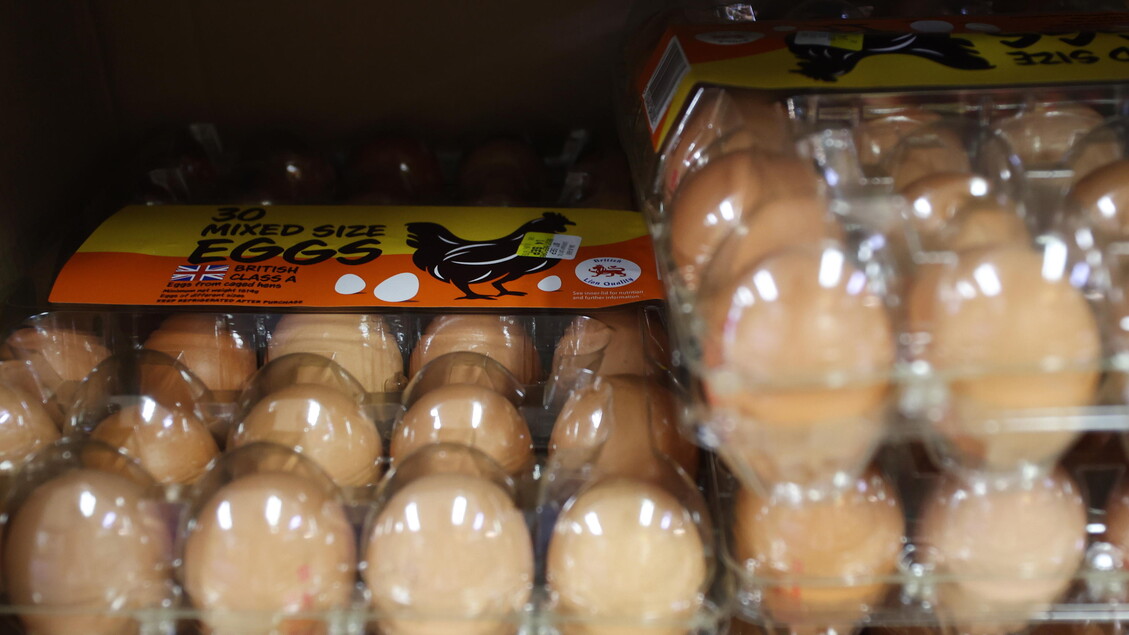
This past week has shown that, when discussing the colour of eggshells, we need to walk on them. Sainsbury’s has announced that it is phasing out brown eggs in favour of white because the latter have a 12.7 per cent lower carbon footprint. As suspiciously precise as that figure is, it caused some commentators to rant that net zero madness is just a cover for cost-cutting. White hens lay white eggs and eat less feed, which in turn reduces emissions, so what’s everyone getting scrambled up over?
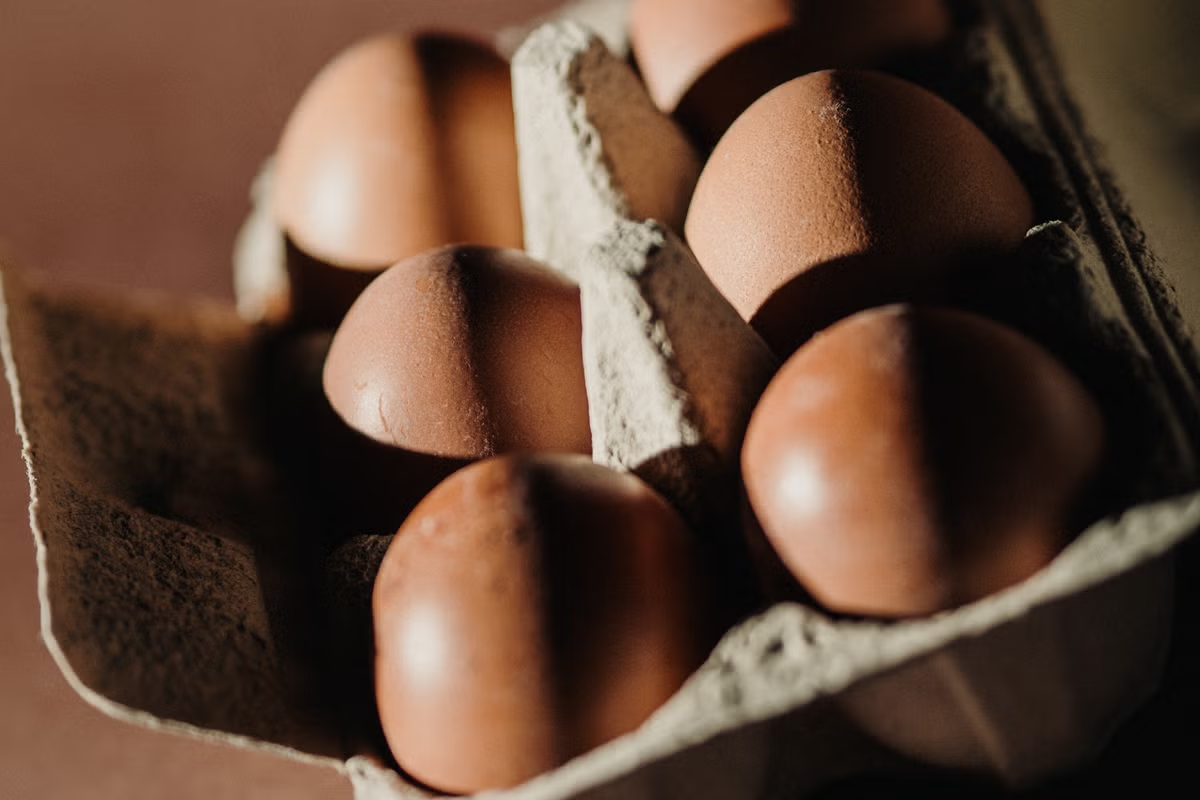
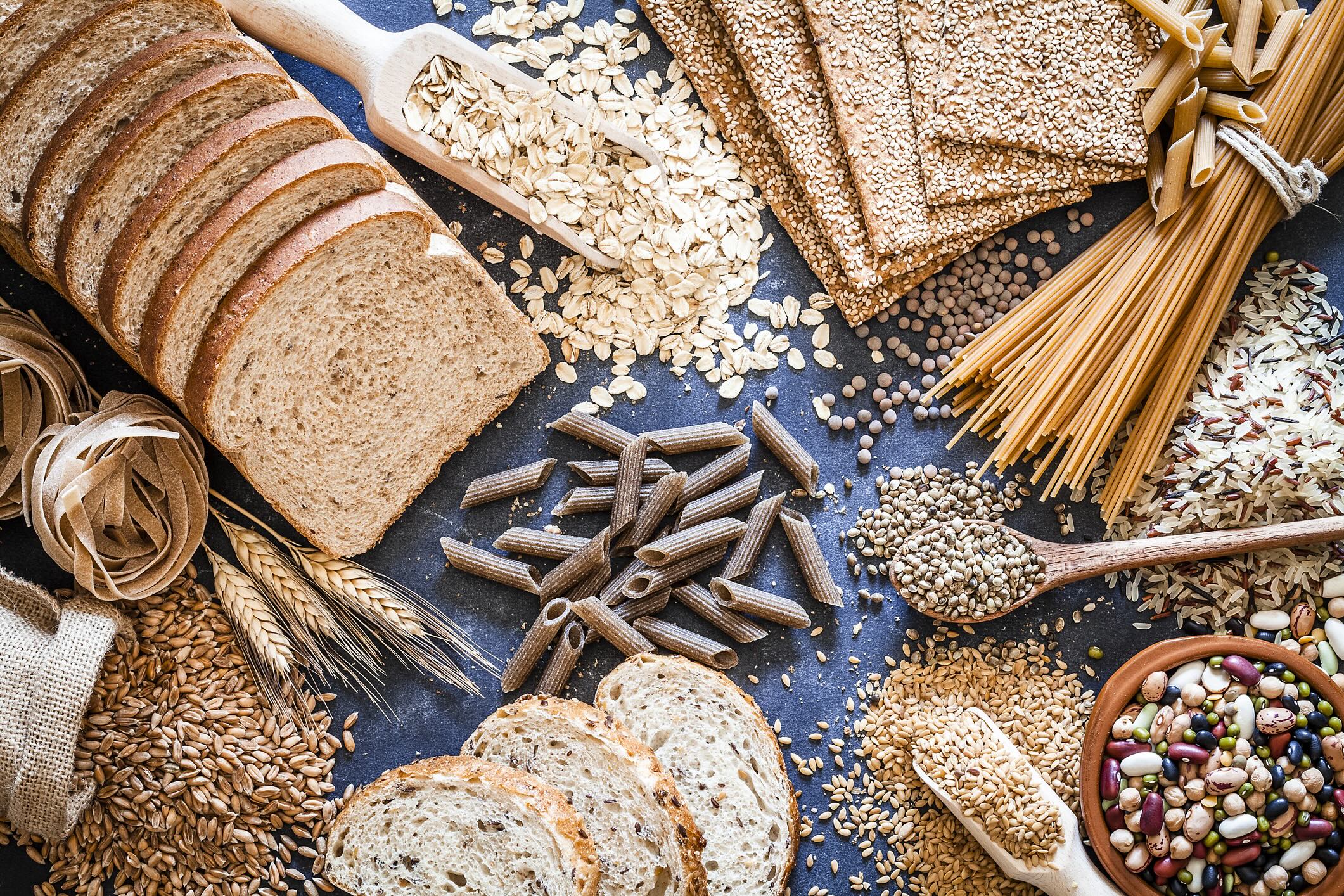
However, buried in the original press release is a throwaway admission that Britain only switched to brown eggs in the 1970s because they were ‘perceived as more natural’. Even Queen Elizabeth ‘favour[ed] brown eggs, believing that they taste better’. The 1960s and 70s were an era of hippies, weed, free sex, dreadlocks and dubious cosmologies. This was when the wholefood movement came to fruition and is why we have spent the past half-century thinking that brown food in general is more natural and healthier for us.
For centuries, brown food – boiled into a mush, pottage or gruel – was the food of the poor. Struggling artists and musicians in the 70s made their poverty seem cool, disruptive and like an ascetic choice. Marc Bolan, of T. Rex, was a proponent of the macrobiotic trend, but journalist Caroline Boucher described his meals as ‘brown mulch’ that stuck out ‘for their memorable horribleness: sticky brown rice, lentils, watery vegetables’.