Thomas Munson
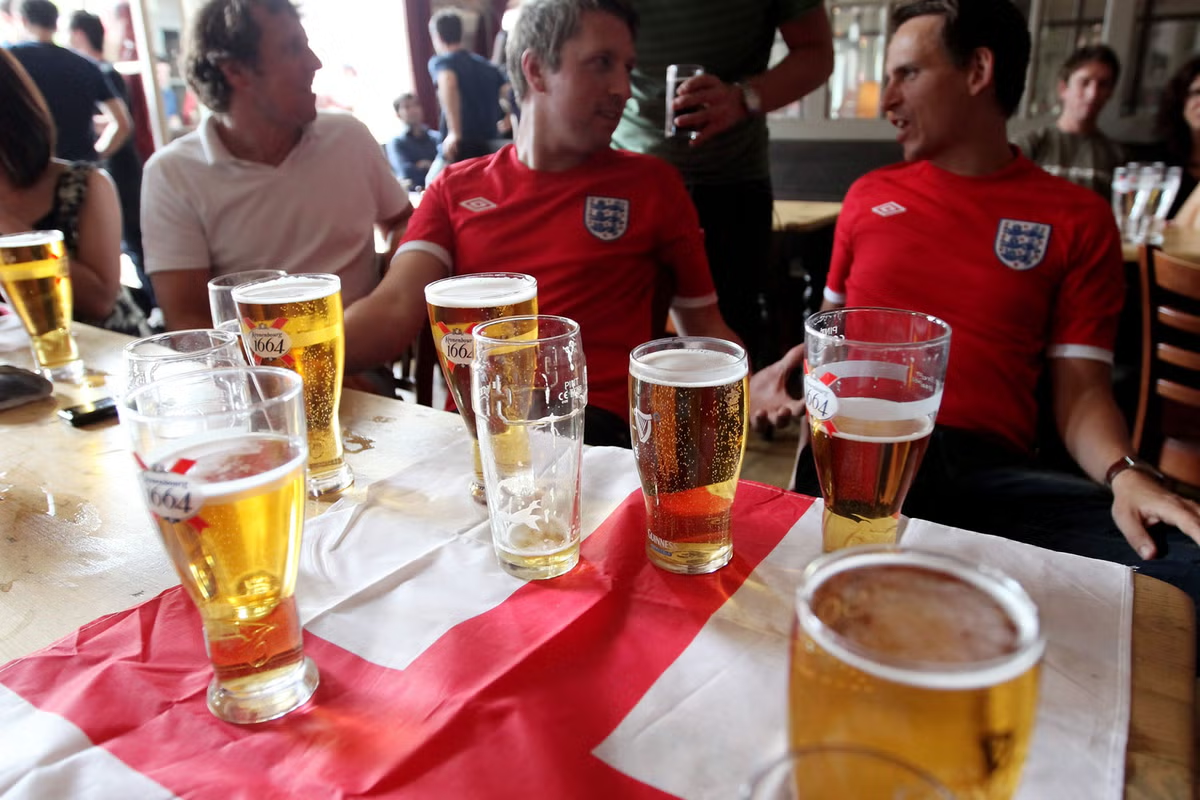
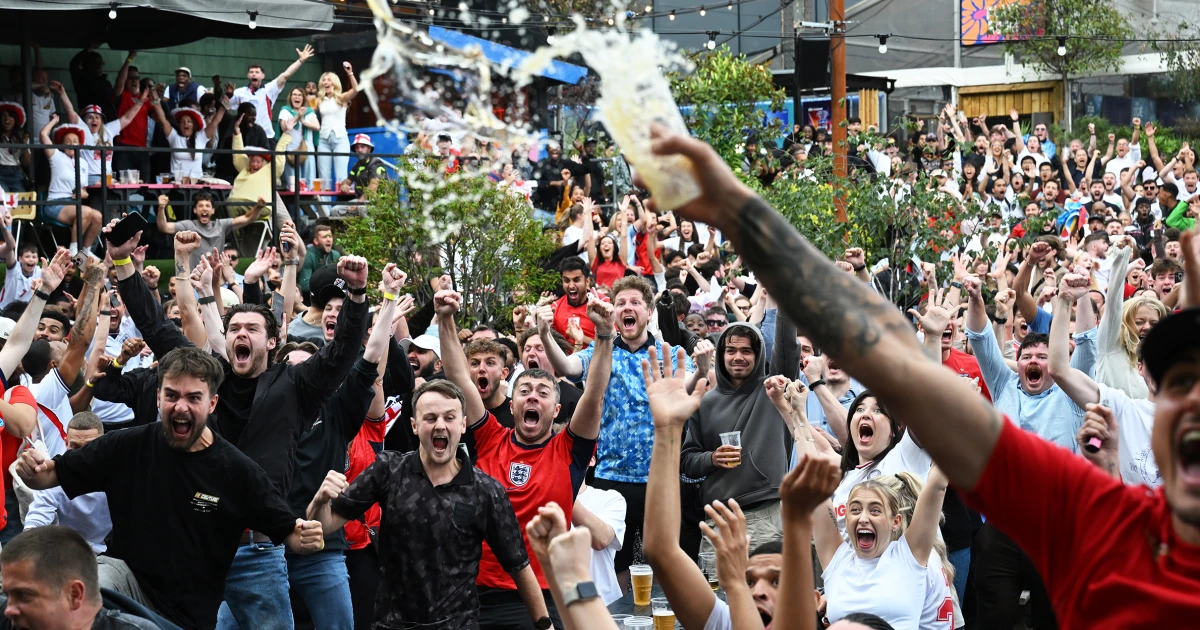
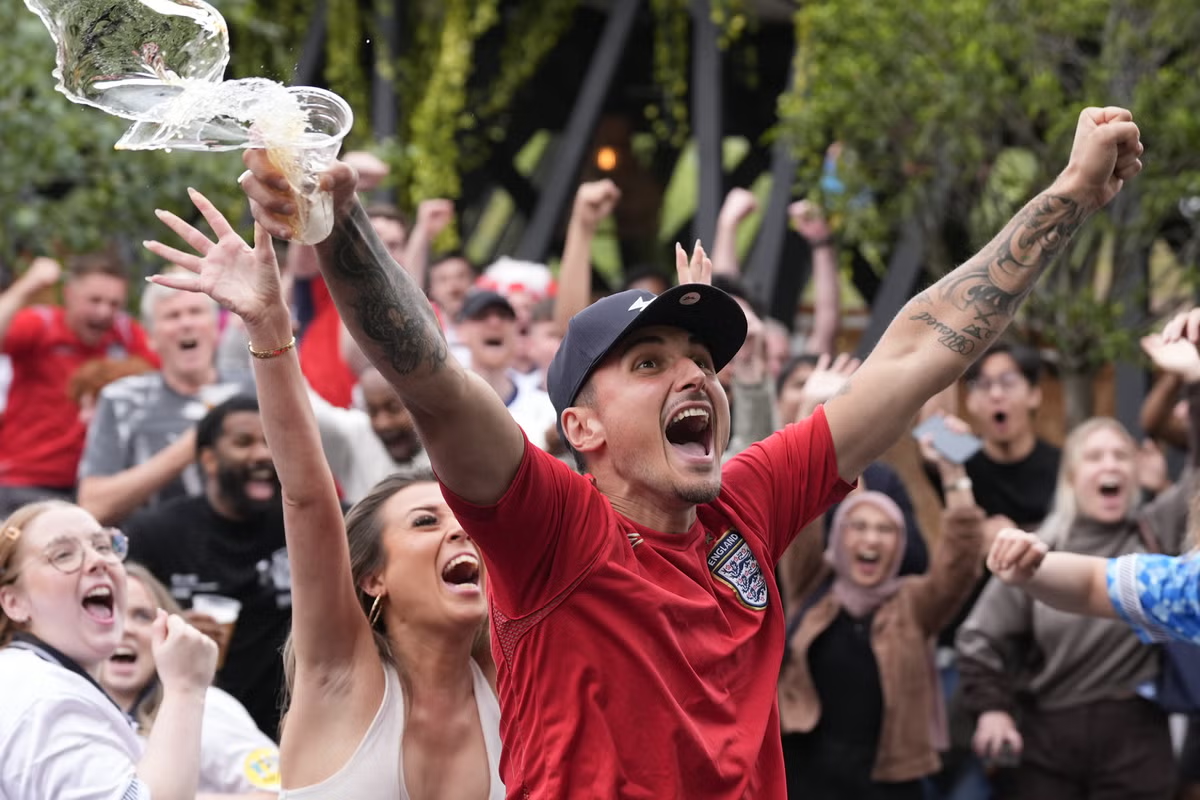
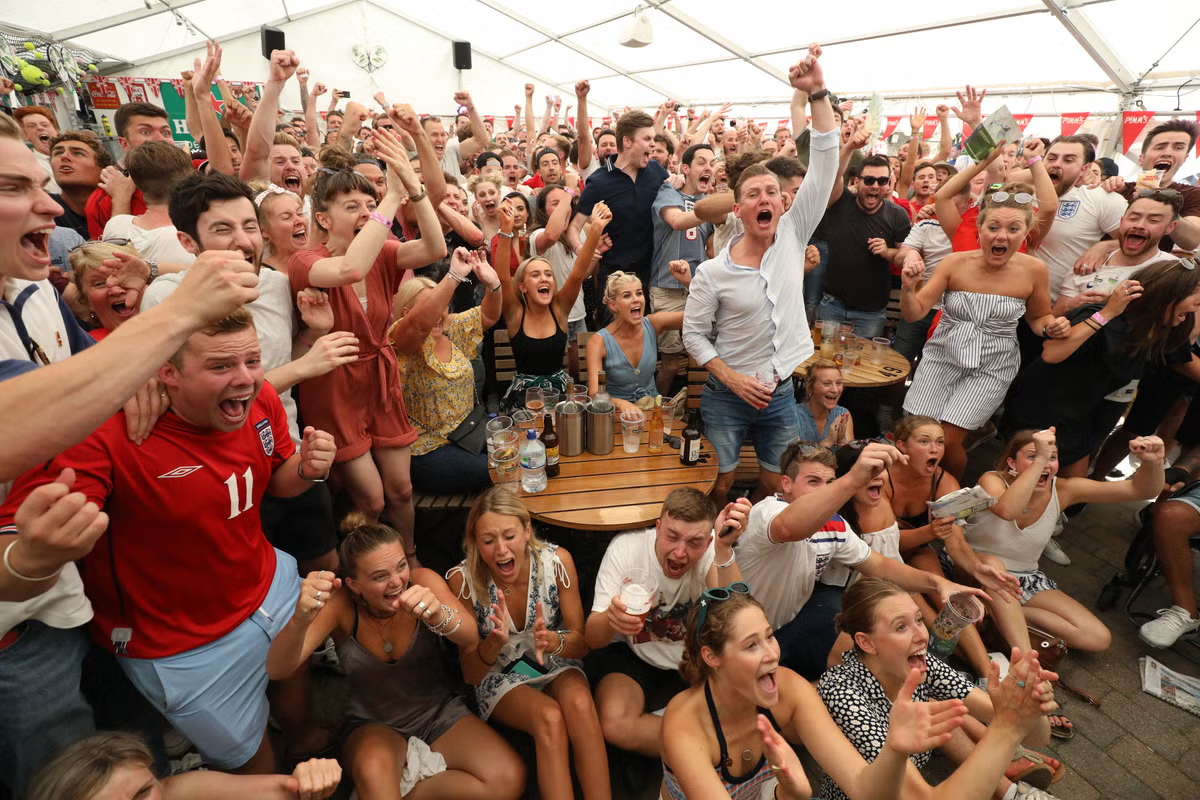
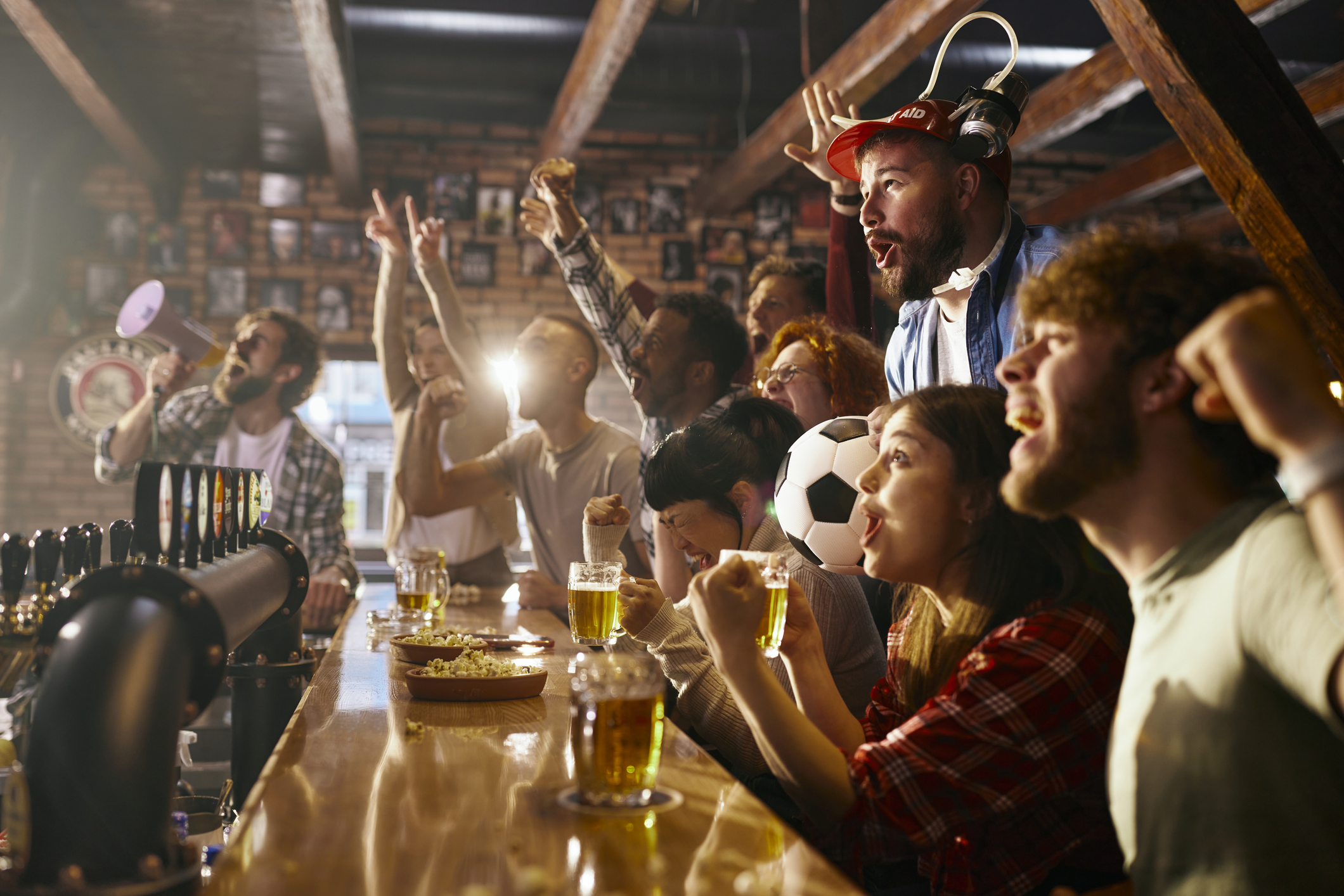
I was, aptly, in a pub when I heard the news. Owing to the time difference between Britain and North America, Sir Keir Starmer had confirmed that licensing laws would be relaxed for this year’s Fifa World Cup, allowing pubs to stay open later into the night.
Shortly after the announcement, I found myself wondering about licensing laws generally. Like most Britons, I had long regarded them as part of the natural order of things; as permanent a fixture of pub life as sticky carpets. But what were these laws’ impact on my own relationship with alcohol and those of my fellow countrymen? Why is it, compared with so many other countries, we feel the need to binge drink?
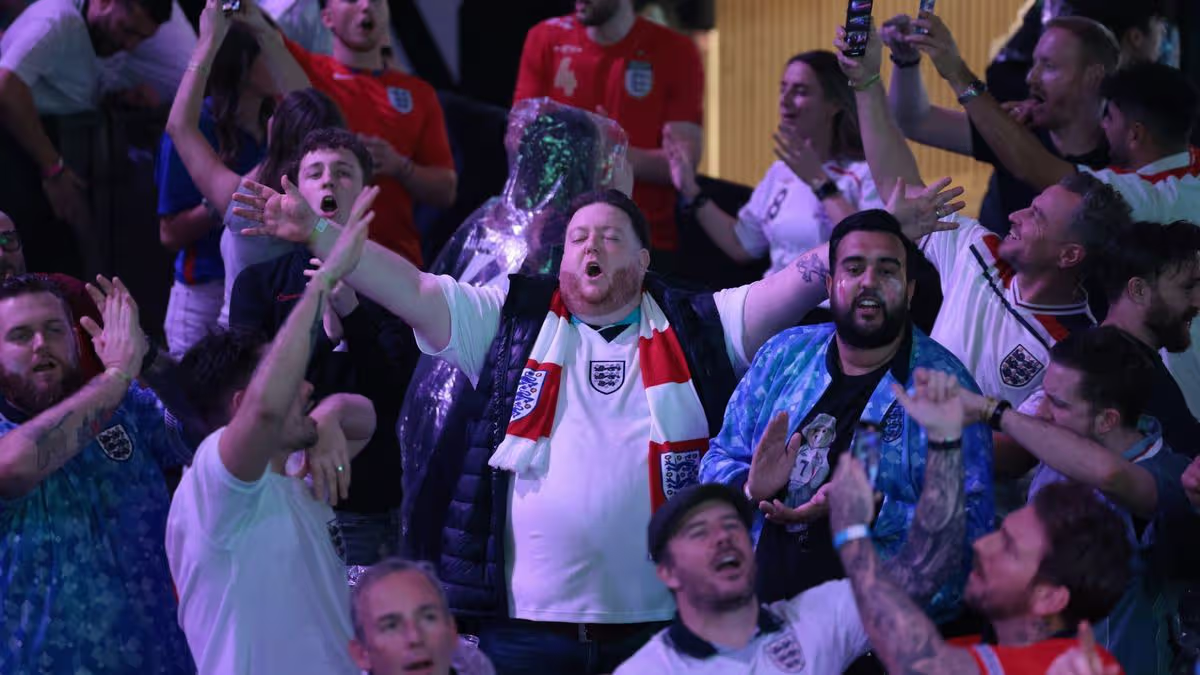
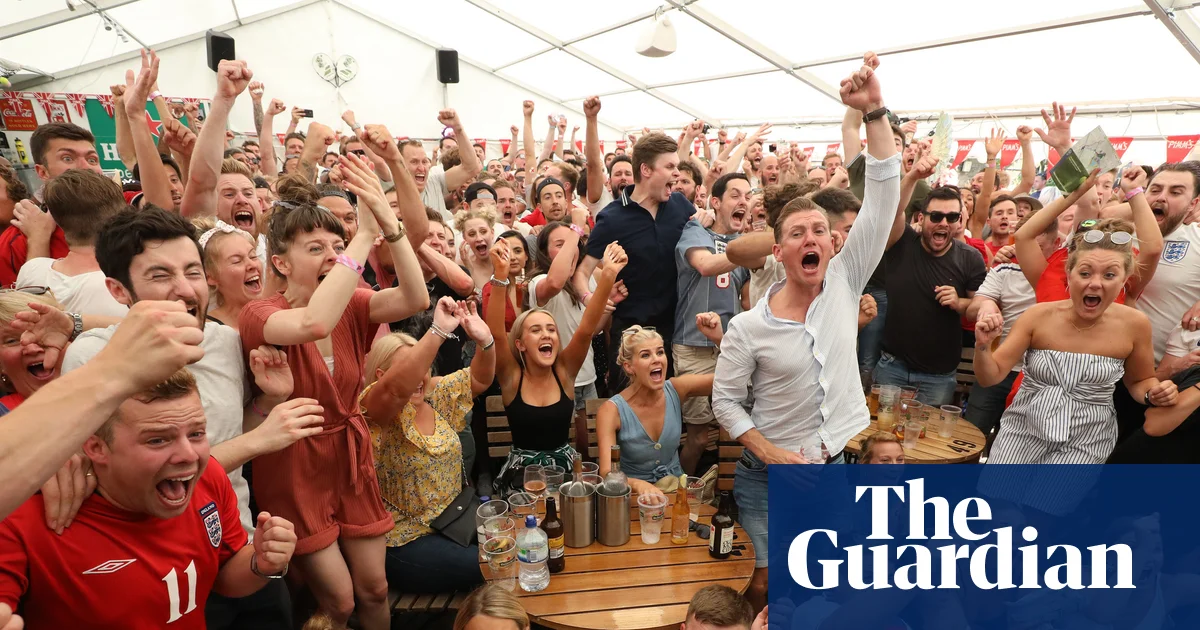
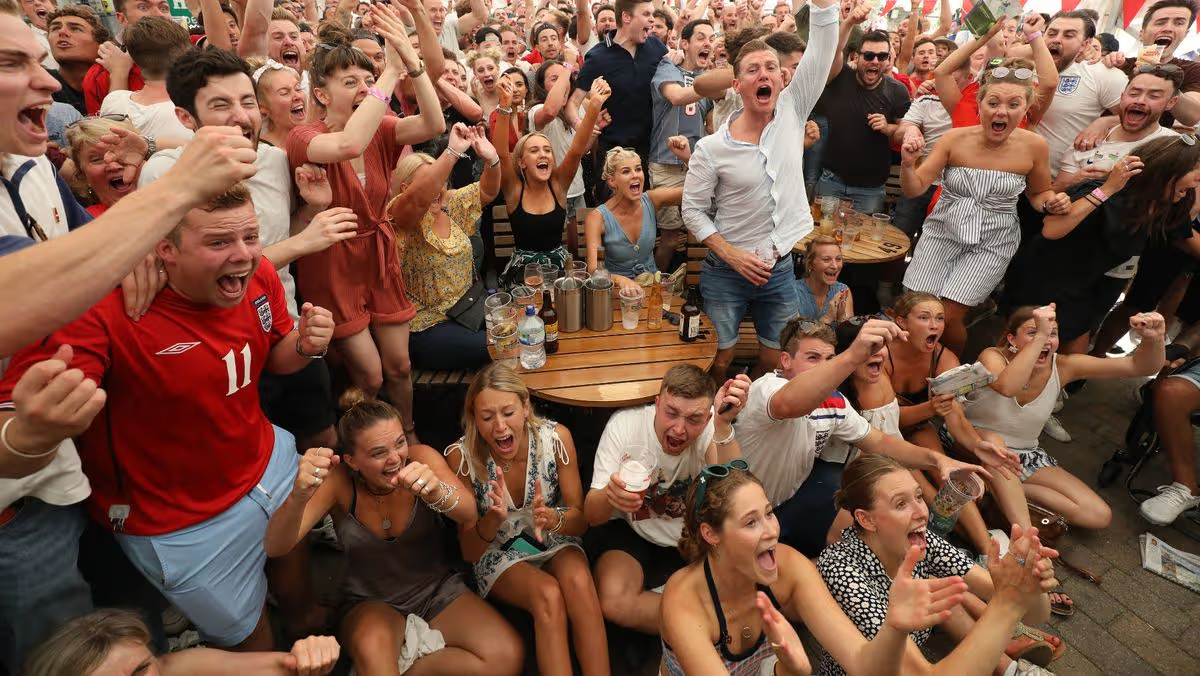
The stereotype of the drunk Brit is by now internationally recognisable. Somewhere in Benidorm, a sunburnt Englishman in football colours is probably, as you read this, drawing eyerolls from the Spanish locals. Yet while we often treat this behaviour as evidence of some peculiar national failing – and perhaps it is – Britain’s drinking culture did not emerge from nowhere. It was shaped by our laws, labour and history.
Pre-industrialisation, Britons drank ale and beer with astonishing regularity. Some historians claim this was necessary due to concerns around sanitation at the time (although this is contested). Nonetheless, beer occupied a central place in diet and daily life, providing essential calories where food was scarce.