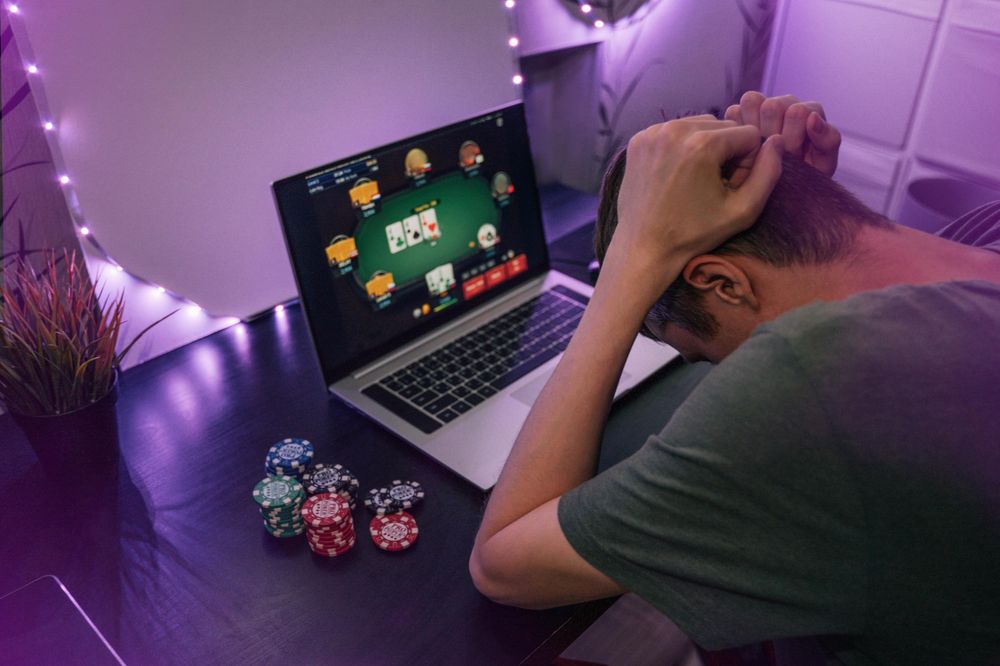
Research shows that while gamblers overwhelmingly view themselves as responsible and in control, they are simultaneously reporting behaviours commonly associated with gambling harm.
In a startling revelation, a recent study by Yazi has uncovered a troubling disparity between perception and reality among South African online gamblers. While nearly 72% of participants proudly claim to be in control of their gambling habits, the findings indicate a deeper, more concerning issue of financial hardship, informal borrowing, and loss-chasing behaviours that reveal a vulnerable demographic coping with hidden struggles.
Using its innovative WhatsApp-based research platform, Yazi analysed 2 569 participant voice notes alongside quantitative survey responses, resulting in one of the most comprehensive examinations of online gambling behaviours in South Africa to date. The research illuminates what they describe as the "Self-Image Dilemma," where gamblers maintain a self-perception of responsibility, despite engaging in contradictory actions typically associated with gambling-related harm.
The South African Gambling Impact Study, carried out in May 2026 amongst 1 028 online gamblers from the previous 30 days, aimed to reveal the oft-ignored human cost of online gambling. Among the detrimental trends identified were: