The closure of USAID left millions of pills, IUDs and condoms destined for African countries held in a hangar in Belgium. EL PAÍS travels to Nairobi to speak with the women who were meant to receive them and were left without alternatives
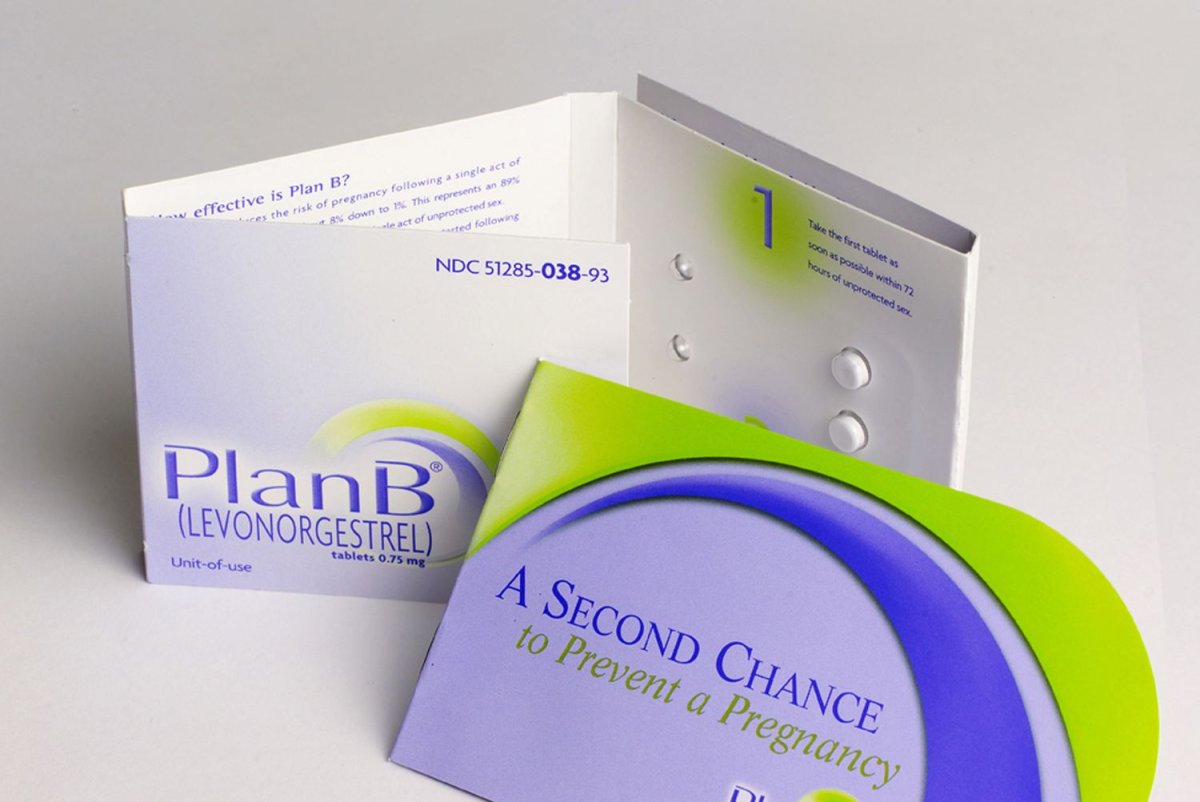
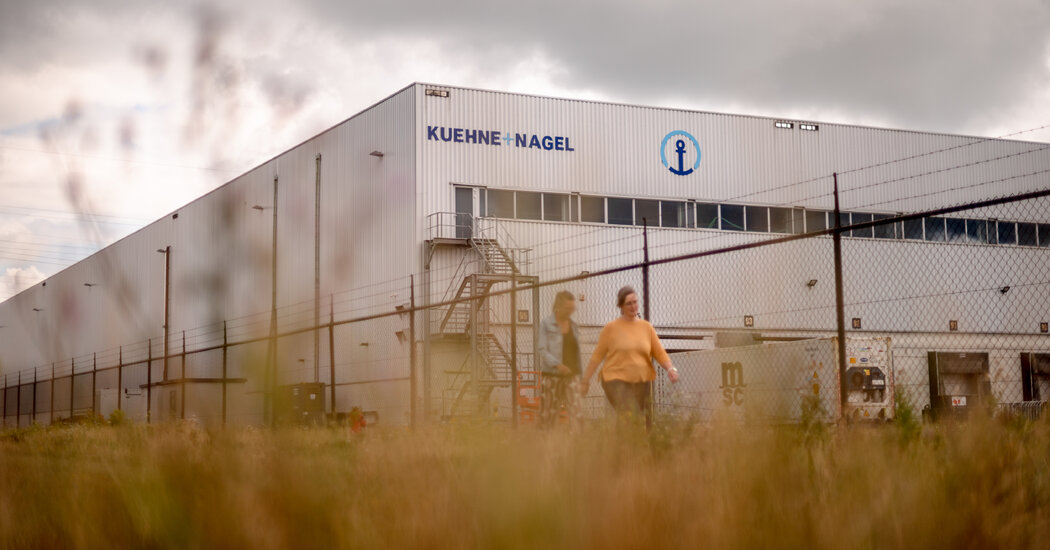
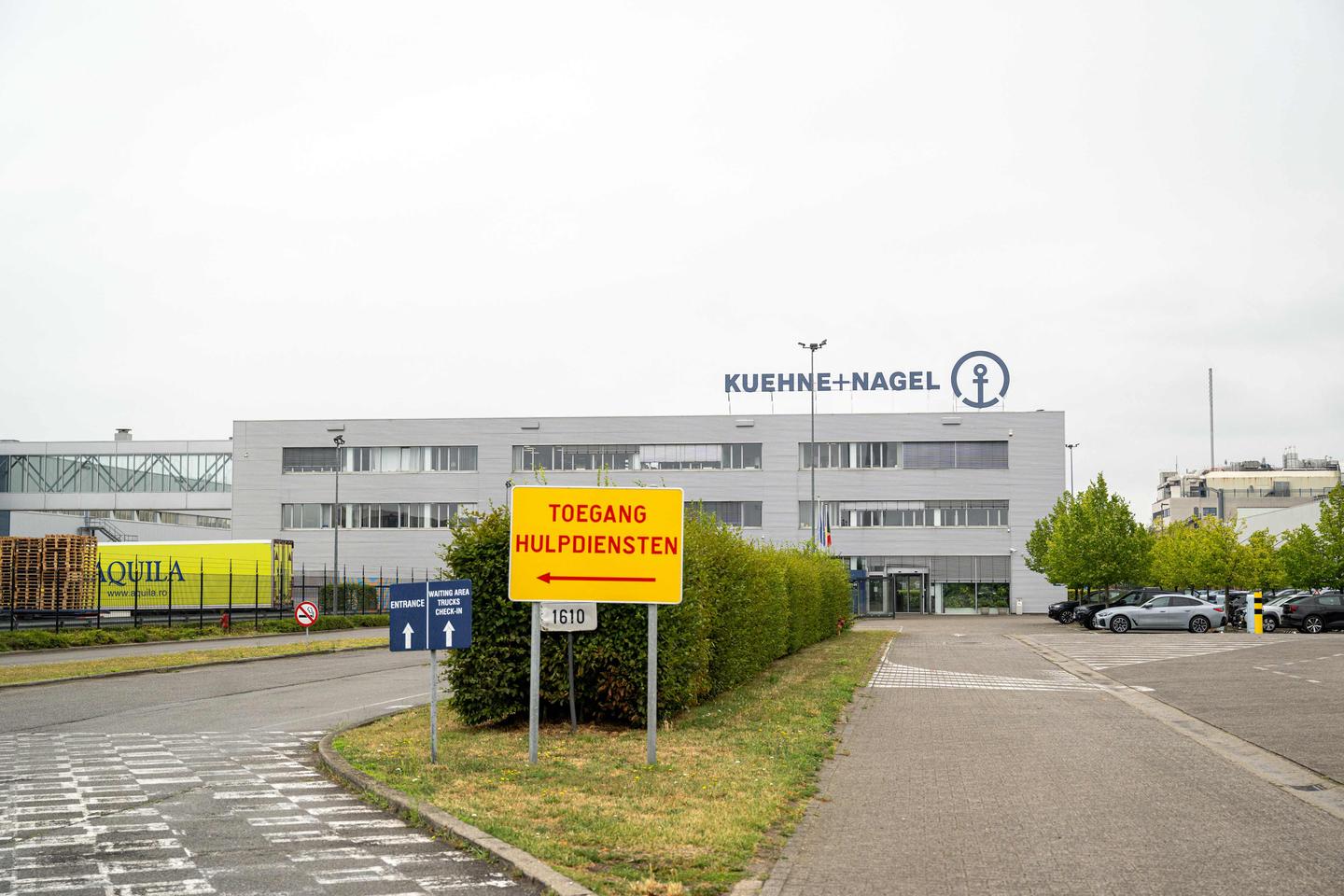
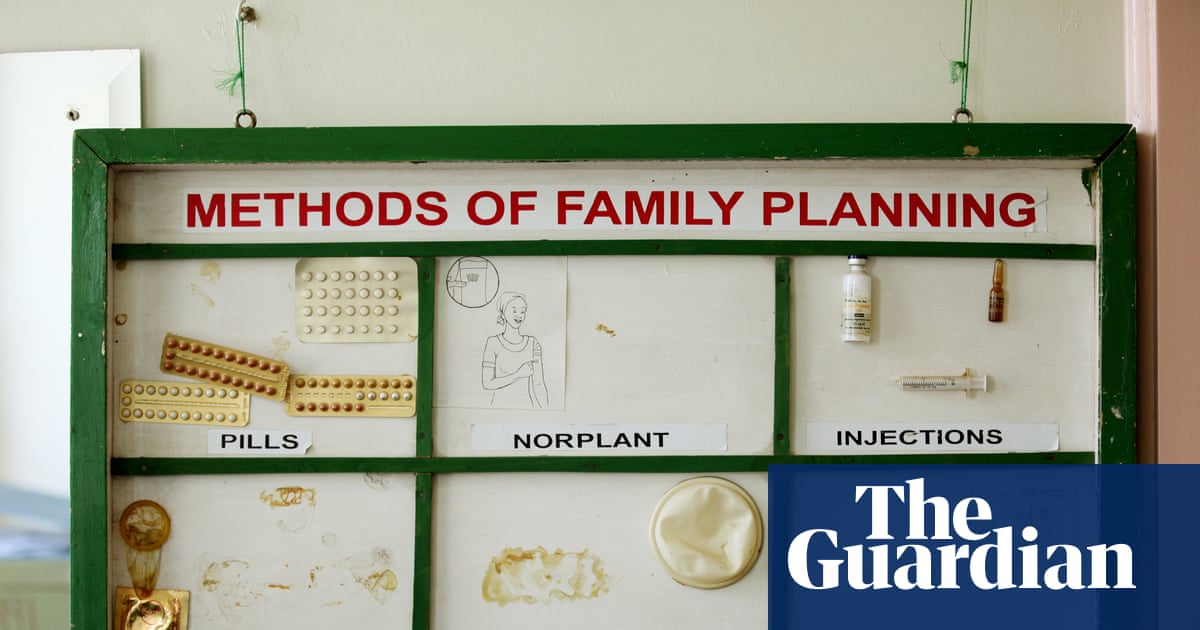
In a huge warehouse in Geel, Belgium, $9.7 million in contraceptives have been locked up since early 2025. Some 77% of the shipment from the United States Agency for International Development (USAID) was destined for about 10 African countries, including Kenya, Nigeria, the Democratic Republic of Congo and Mali. But when Donald Trump’s administration dismantled the world’s largest development aid organization, these medicines were left stranded, destined either to be destroyed or to expire box by box. About 5,800 miles south of Belgium, in Nairobi, the capital of Kenya, Jane Anyongo, Violet Mosomi, Salma Kamau, and hundreds of thousands of women are still waiting for their pills, condoms, subdermal implants, intrauterine devices, and other sexual and reproductive health supplies.
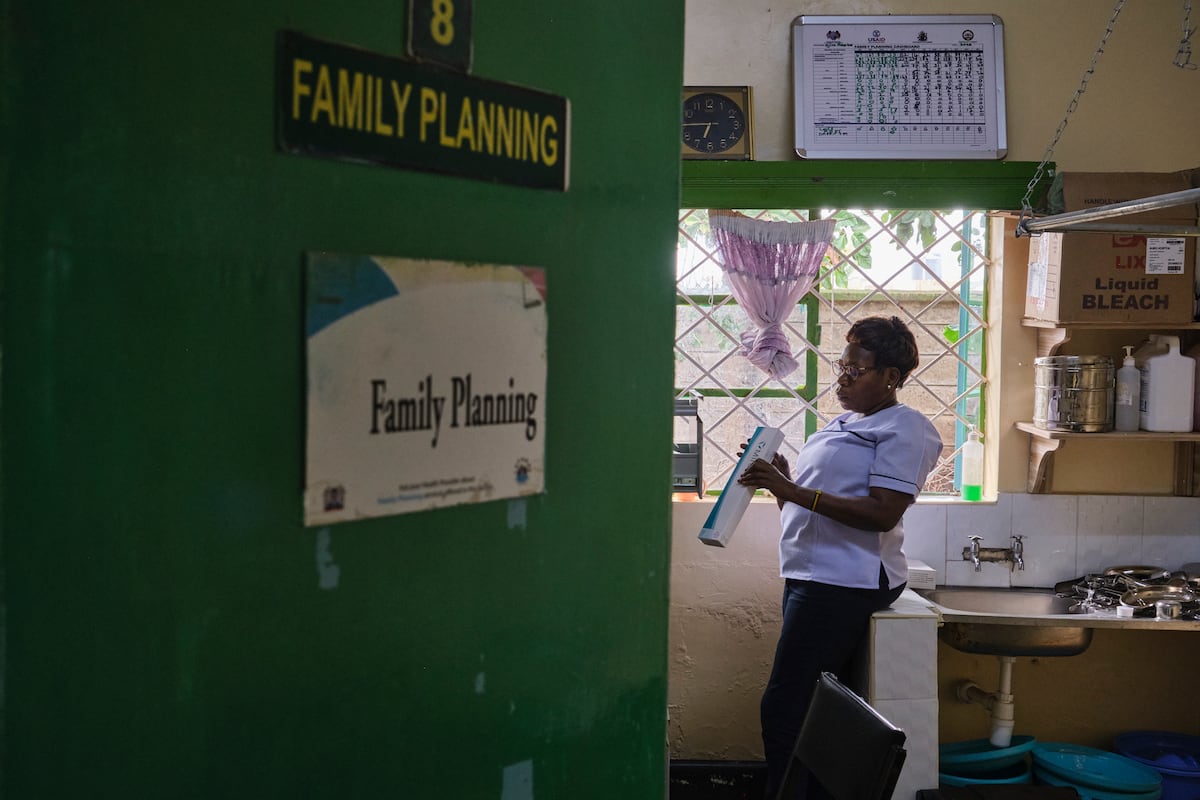
“I have to be patient,” Anyongo tells herself beside the maternity ward of the public health center in Embakasi, near the capital’s airport. It is May 2026. For three years, she has had a subdermal implant in her arm — a small contraceptive rod that releases hormones to prevent ovulation. It expired a month ago, but she has been unable to replace it because there are no supplies. She is 27, has two children, and does not want any more. Like her, 76% of married women in Kenya aged 15 to 49 want family planning. In this East African country, modern contraceptive use is 57%.