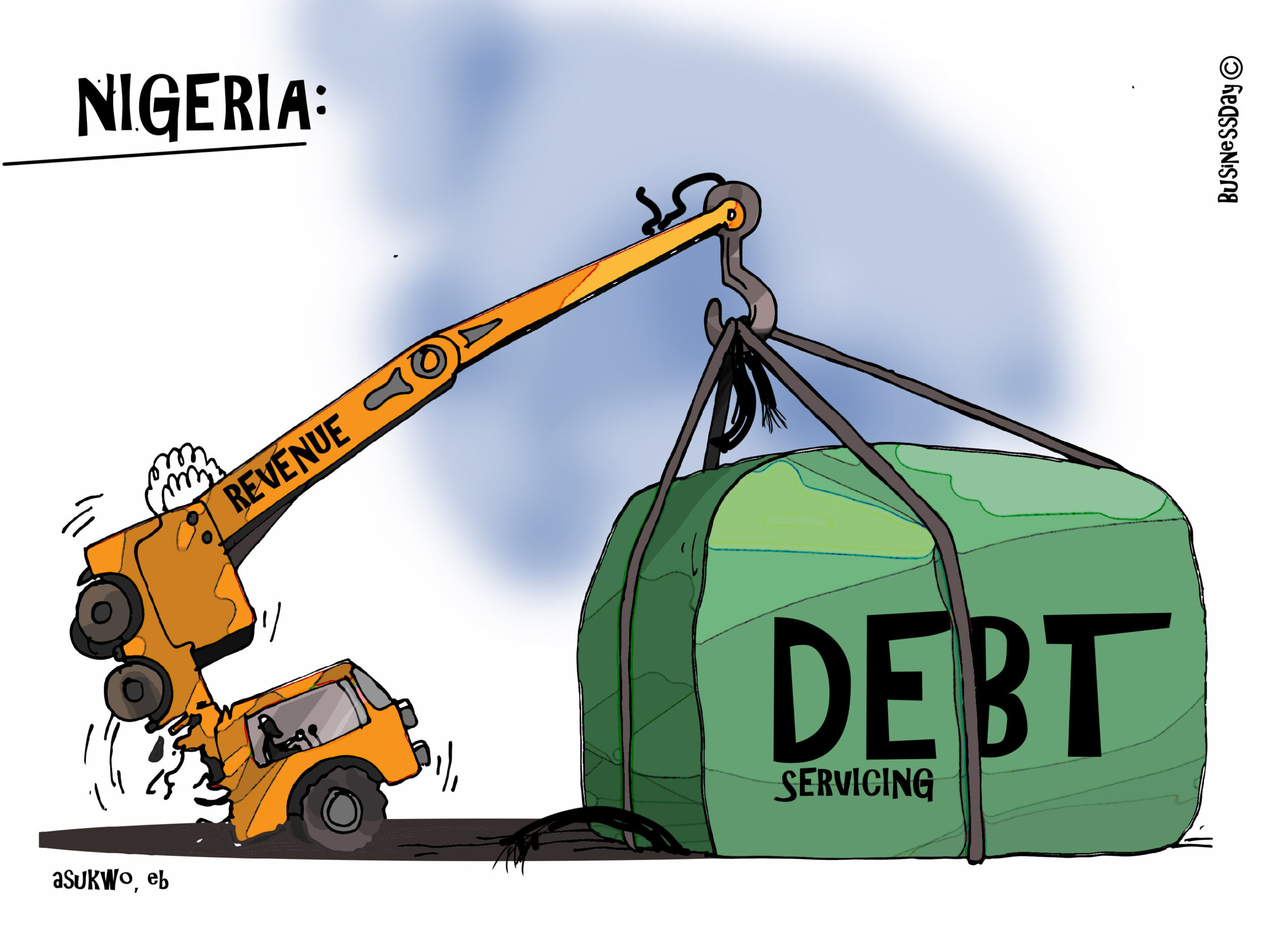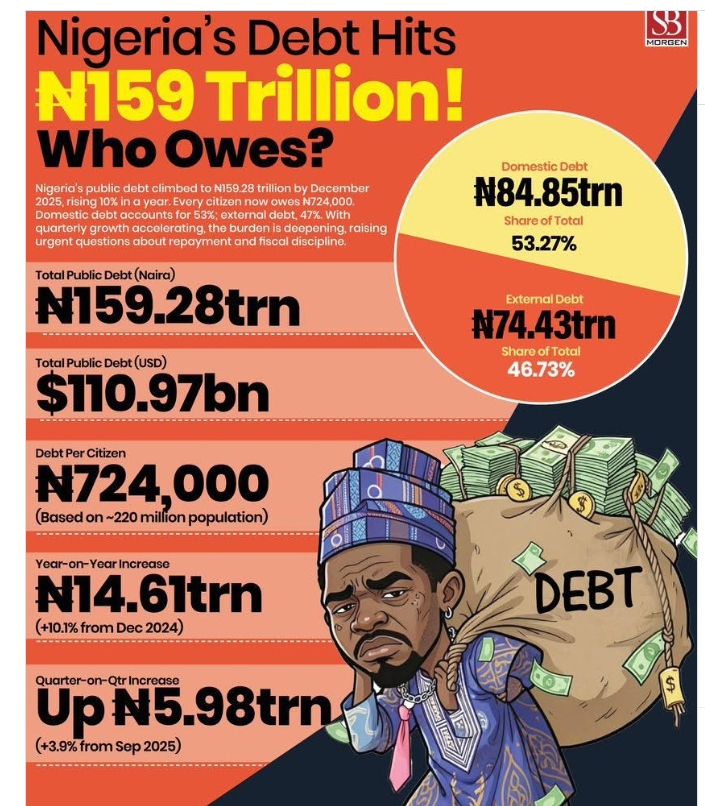
Nigeria’s most expensive budget line is not education. It is not healthcare. It is not infrastructure. It is not security. It is debt servicing. That single fact should concern every Nigerian.
Not because debt is inherently bad. Every serious economy borrows. Governments borrow to build infrastructure, finance growth, support industrial development and bridge fiscal gaps.
The real question is not whether a country has debt. The real question is whether debt is creating enough future value to justify its cost. That is the conversation Nigeria increasingly needs to have.
Because the country’s debt-servicing obligations are becoming one of the most powerful forces shaping what government can and cannot do.
According to projections for the 2026 fiscal year, Nigeria is expected to spend approximately ₦15.8 trillion servicing public debt. That figure represents one of the largest items in the federal budget and is estimated to consume more than half of federally retained revenue.