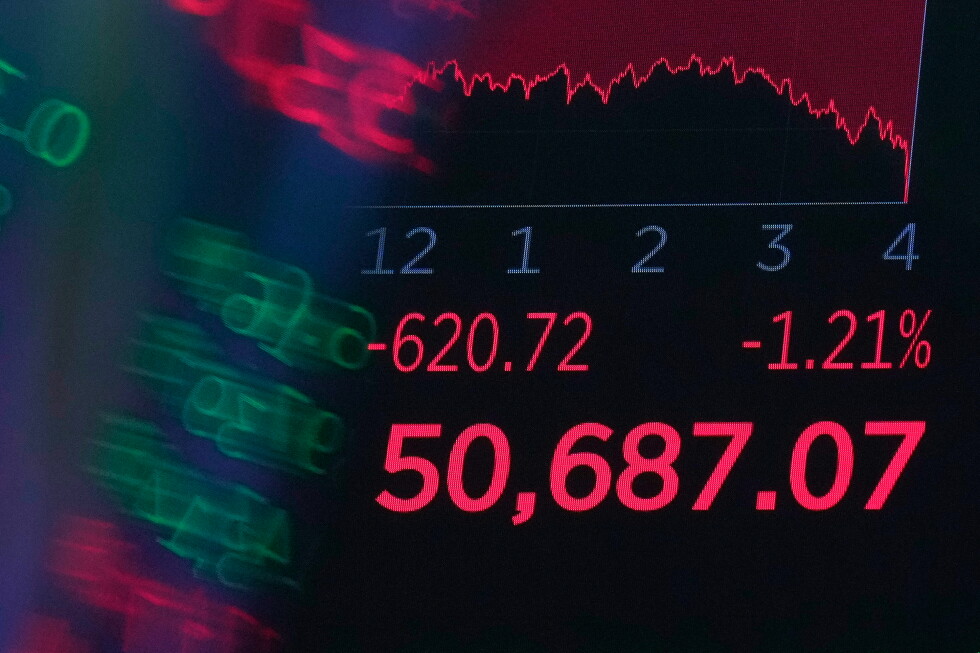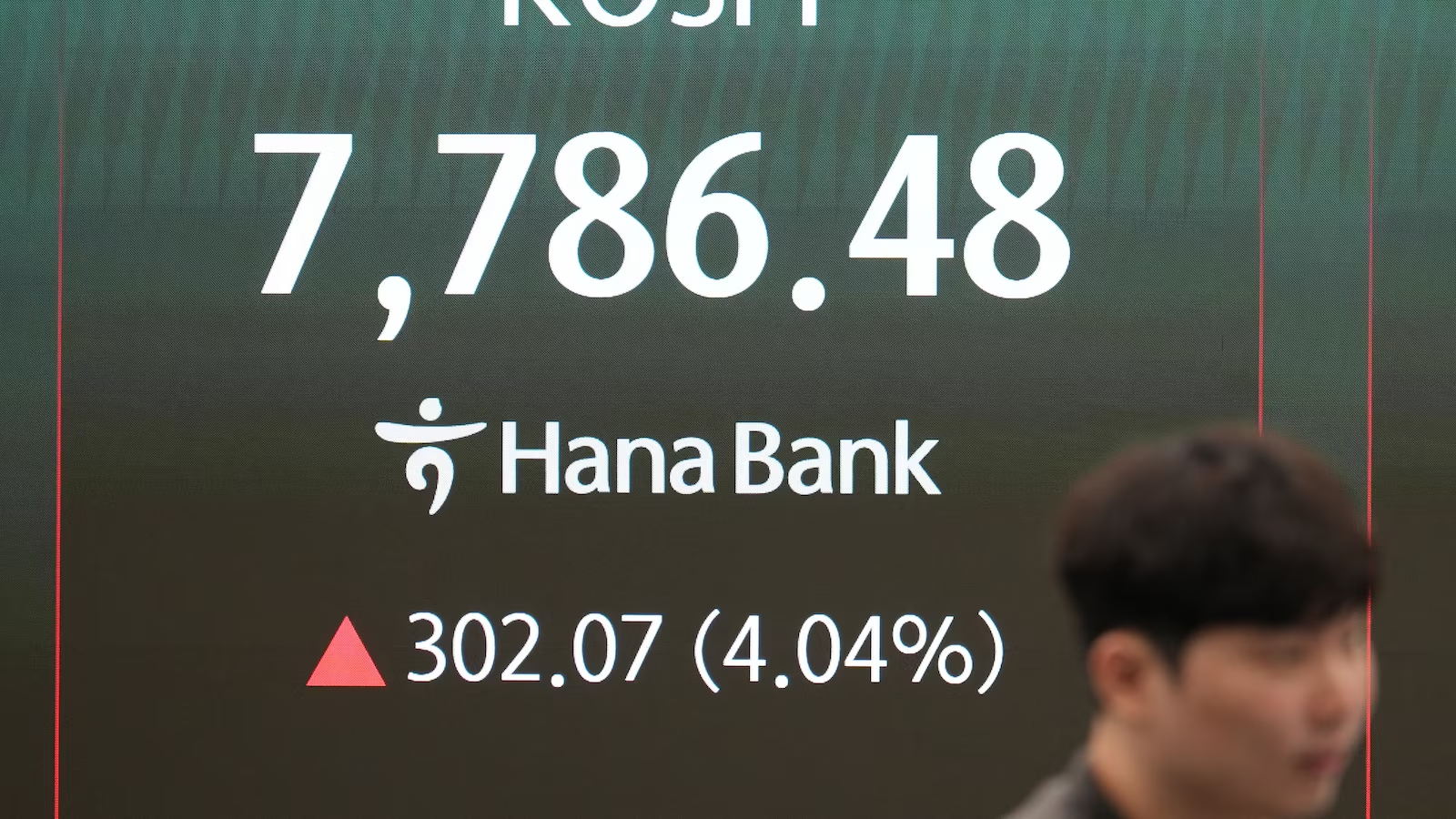
HONG KONG: Asian stocks enjoyed a partial rebound from the previous day's rout on Tuesday (Jun 9) as investors returned to the AI trade, while easing Middle East tensions also provided support and pushed oil prices down. The gains across most equity markets followed a rebound on Wall Street, fuelled by a race to pick up cheaper assets following a sell-off sparked by bets on a US interest rate hike and warnings over tech firms' valuations.News that the US economy had created more than double the number of jobs than expected in May indicated it remained in rude health but put pressure on the Federal Reserve to tighten monetary policy as it also battled surging inflation.That came after disappointing revenue forecasts from chip giant Broadcom had sparked jitters about the AI sector, which has helped drive markets to record highs this year.
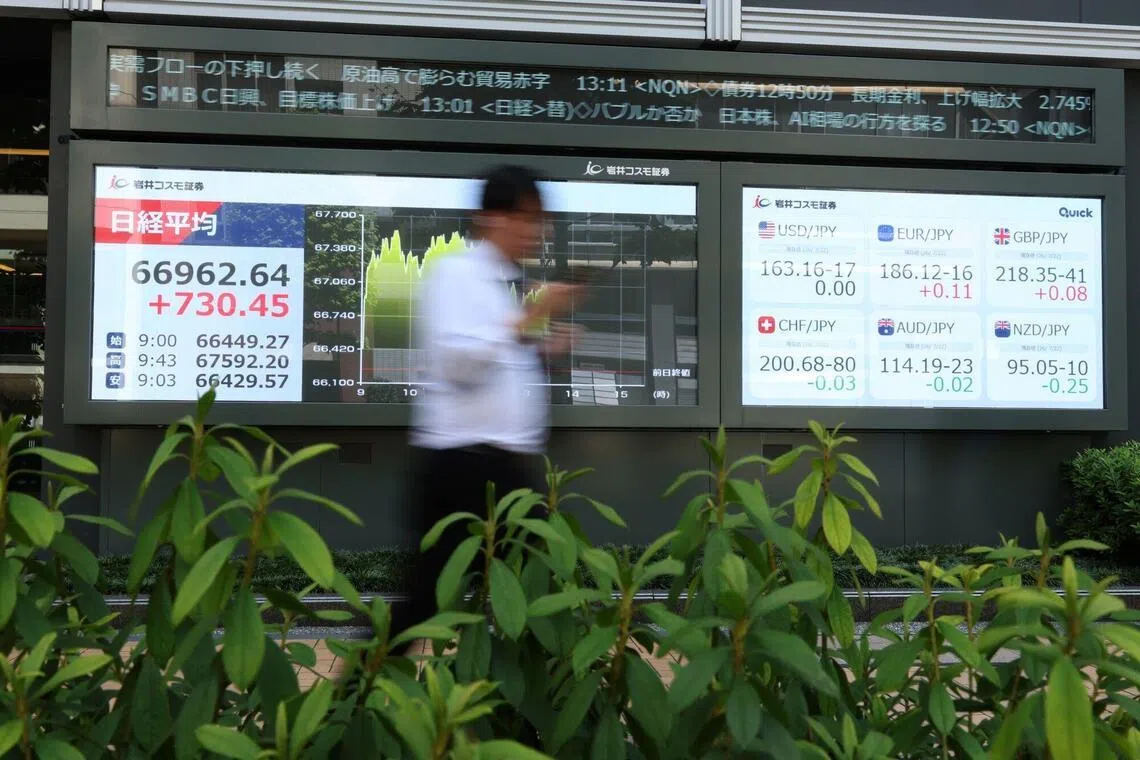
A plunge in tech firms in New York on Friday was followed by a similar collapse for their Asian counterparts on Monday, sending Seoul's Kospi down more than 8 per cent.However, analysts said the selling was largely driven by profit-taking and could be seen as a healthy pause in a rally that has run since March.And on Tuesday, Asian investors tracked a bounce for the Nasdaq and S&P 500.The Kospi piled on more than 3 per cent, while Taipei added almost 2 per cent, with Tokyo, Shanghai, Singapore, Manila and Wellington also up. Hong Kong was flat and Sydney edged down."Expectations of tighter monetary policy, combined with underwhelming results from Broadcom last week, raised questions over the pace of the sector's rally and prompted investors to take profits," wrote Fiona Cincotta at City Index."This is by no means the end of the AI trade, but it does suggest that valuations had become stretched in parts of the market."Investors also took heart from news that Iran and Israel said on Monday they had halted hostilities after exchanging strikes that threatened to reignite the Middle East war.Israeli Prime Minister Benjamin Netanyahu announced that the "fire on that front is contained" hours after Tehran said it had stopped its military action.Tehran launched missiles at Israel on Sunday over Israel's ongoing war against Hezbollah in Lebanon. Israel then struck back, despite efforts by US President Donald Trump to dissuade Netanyahu. That triggered another round of Iranian missiles, before Tehran announced it would cease fire.Fears had grown that the flare-up would put at risk Tehran's truce with the - in place since Apr 8 - and ruin efforts for peace talks to reopen the Strait of Hormuz, through which a fifth of global crude usually passes.Oil prices, which had spiked more than 5 per cent earlier on Monday, pared earlier gains, and on Tuesday, they were down.Eyes are now turning to the release on Wednesday of US inflation, which could play a key role in the Fed's rate decision-making. The consumer price index is expected to hit 4.2 per cent, a more than three-year high.