Afghanistan faces ‘lost generation of talent and potential,’ Security Council hears
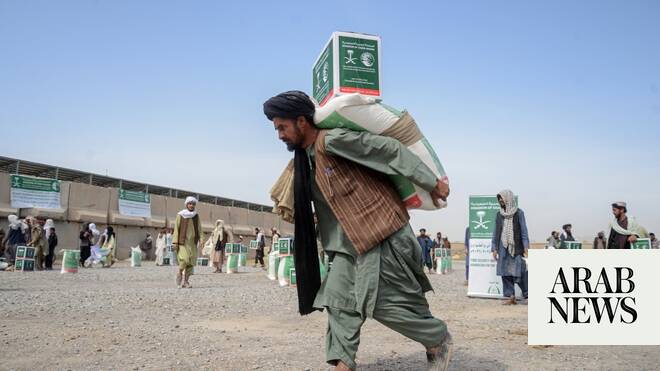
Georgette Gagnon, UN Deputy Special Representative currently leading the UN mission, UNAMA, reflected on recent visits across the country and said communities repeatedly described mounting hardship.Ms. Gagnon noted that the country’s de facto authorities have consolidated territorial and administrative control and currently face “no meaningful armed or political challenge,” but warned that this apparent stability masks deeper risks.“What exists is increasing control by the de facto authorities without a clear end-state,” she told the Council. She pointed to demographic and economic pressures as major concerns, noting that nearly 5.9 million Afghans have returned since 2023 and up to 2.8 million more could return this year despite limited opportunities and strained communities. Afghanistan remains one of the world’s largest humanitarian crises, with 21.9 million people requiring assistance in 2026.
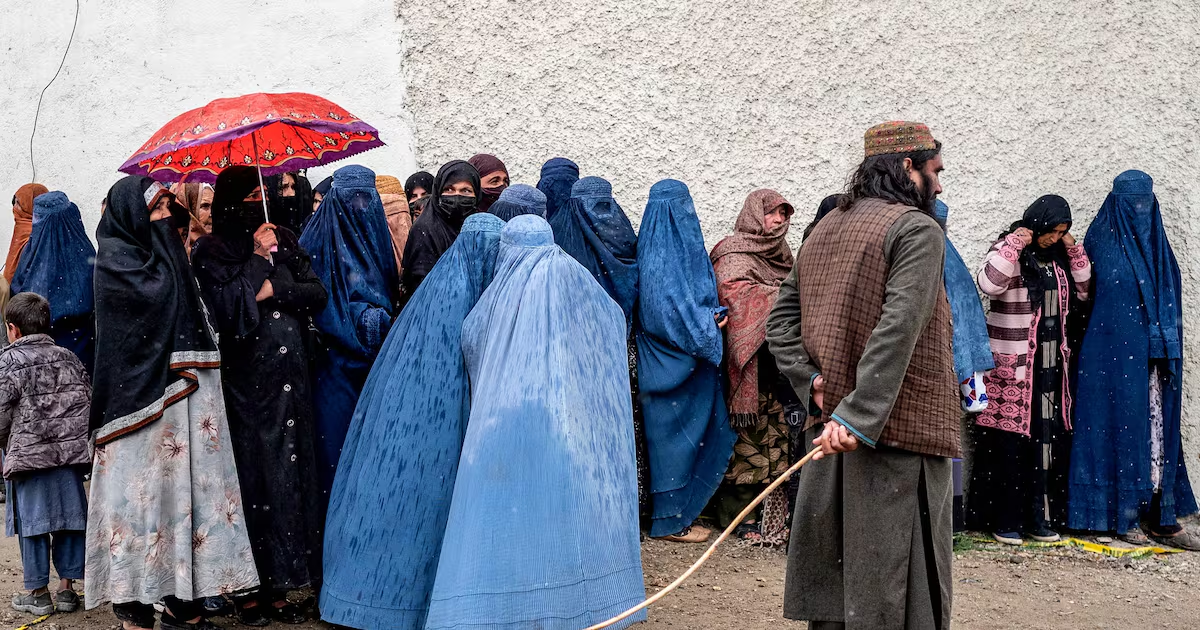
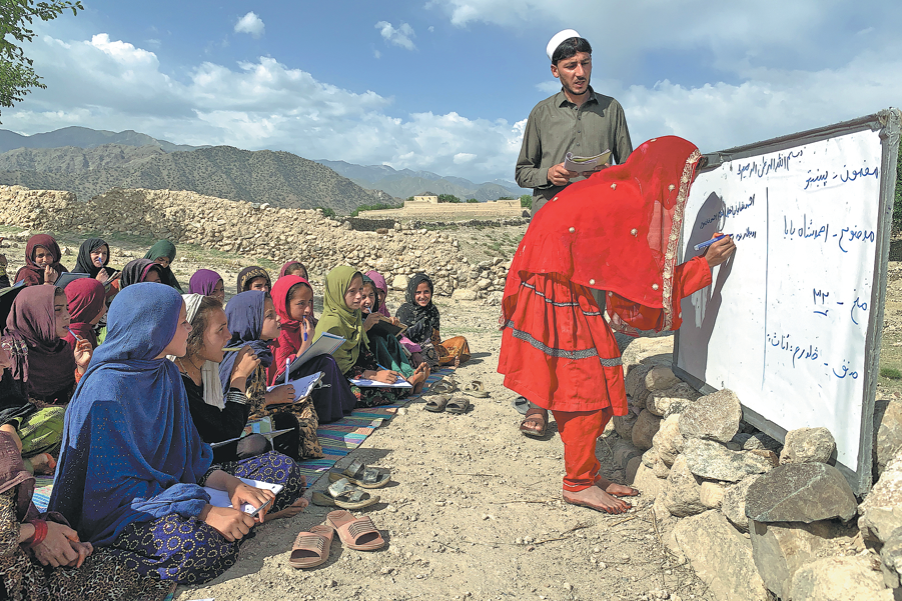
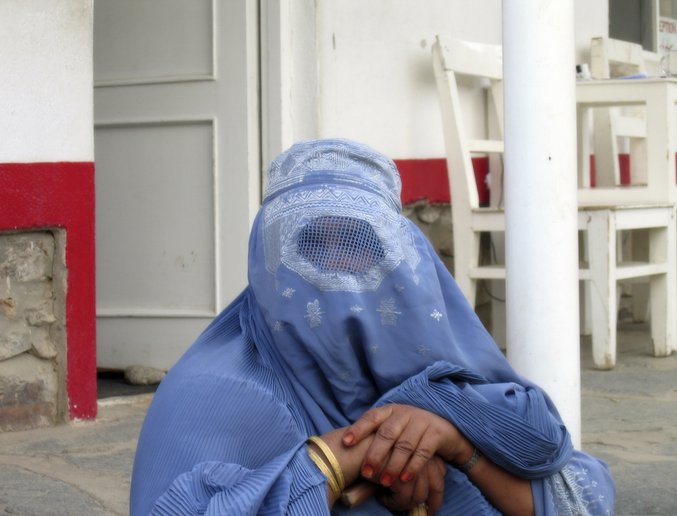
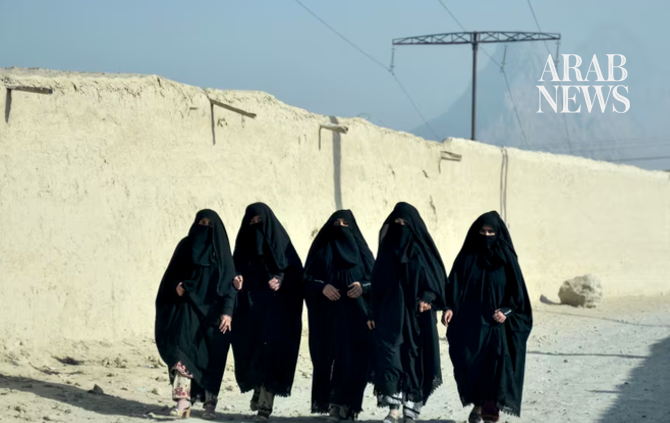
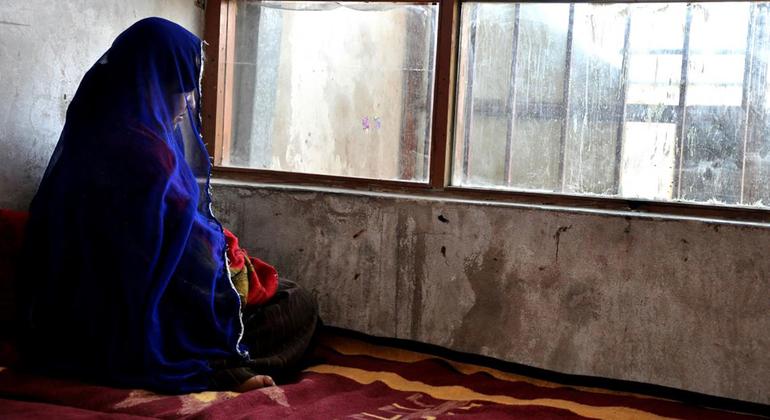
Struggling women and girls The top official warned of “severe and growing restrictions” with long-term consequences when it comes to women and girls, noting that an estimated 3.8 million girls aged seven to 18 are out of school.“Each year, approximately 250,000 more girls are permanently excluded from secondary education pathways, creating a lost generation of talent and potential,” she said, adding that increasing restrictions have damaged Afghanistan’s economy and weakened sectors such as health and education. She also renewed calls for authorities to reverse restrictions affecting women, including the continued exclusion of Afghan female UN staff from UN premises.