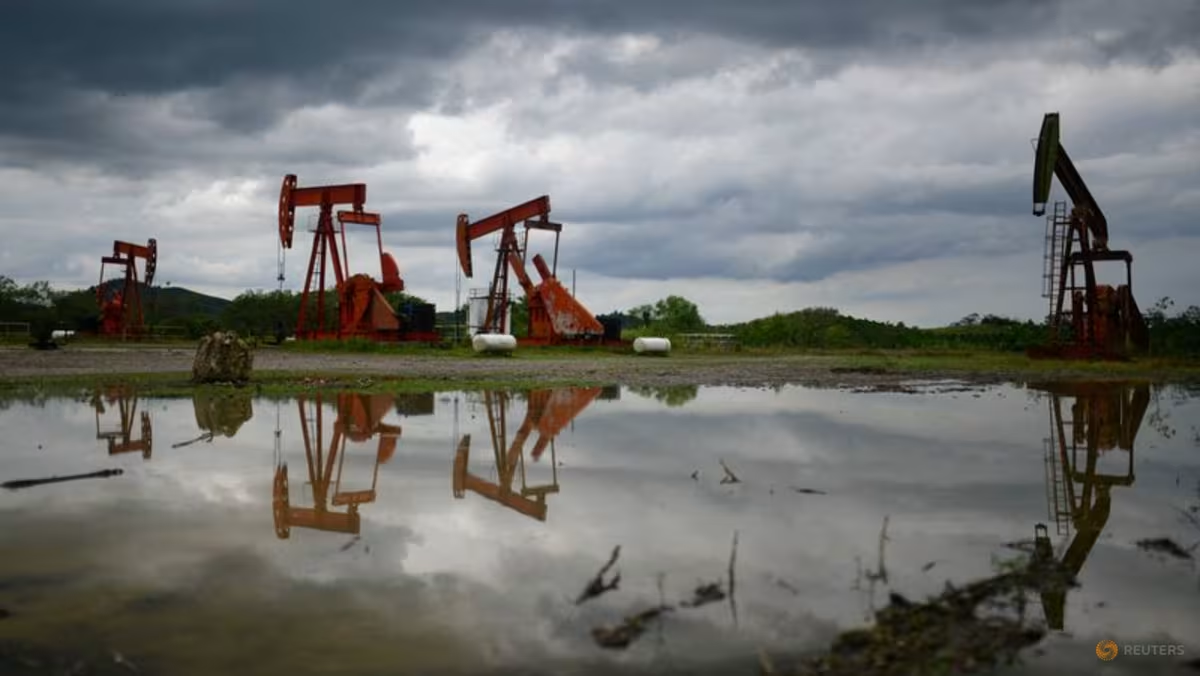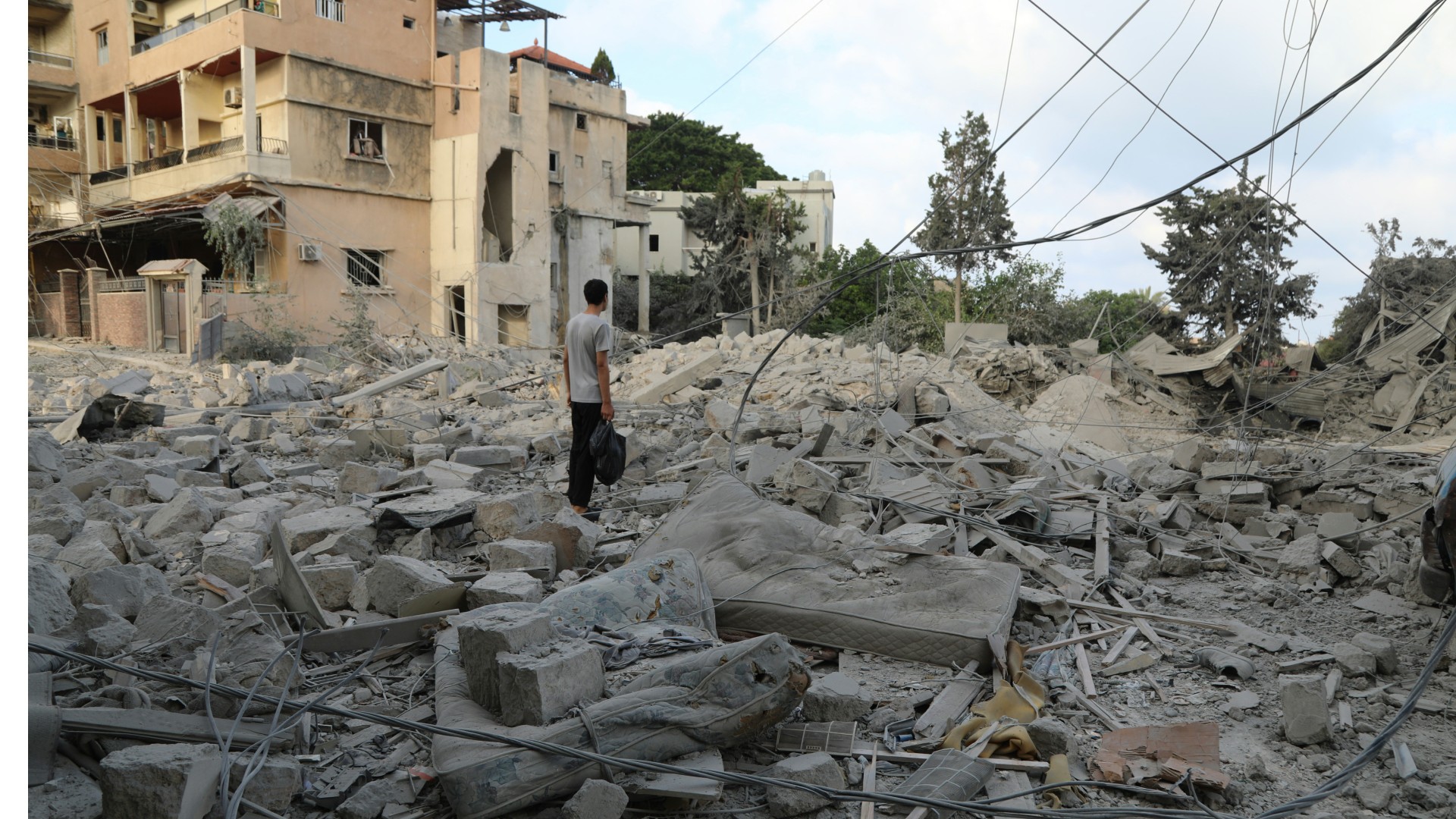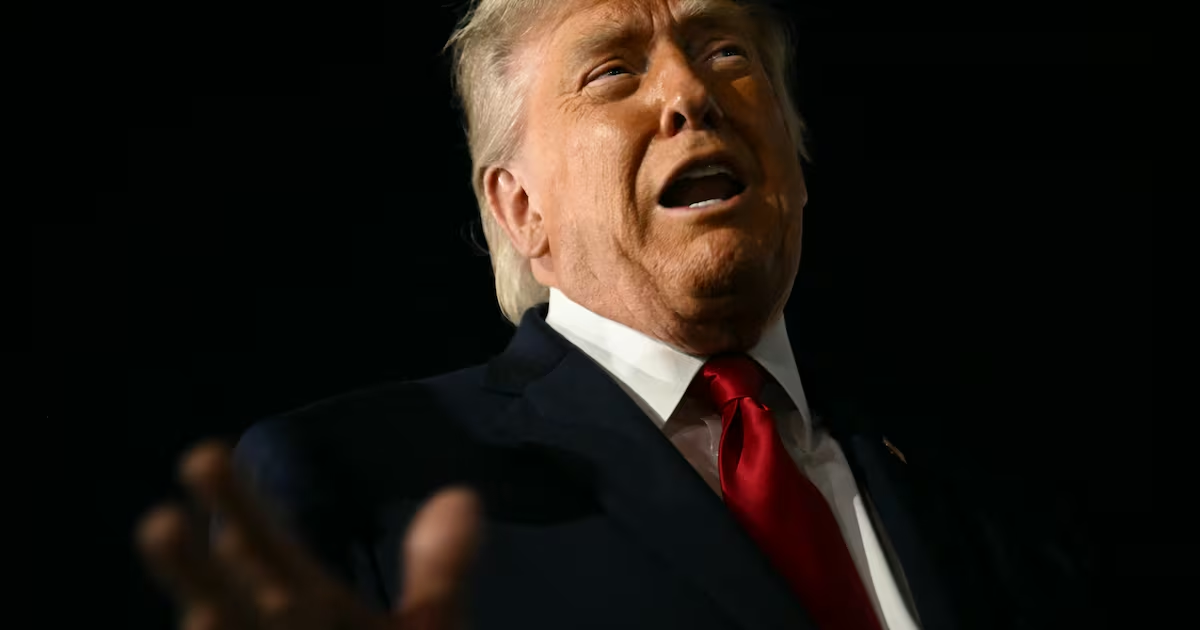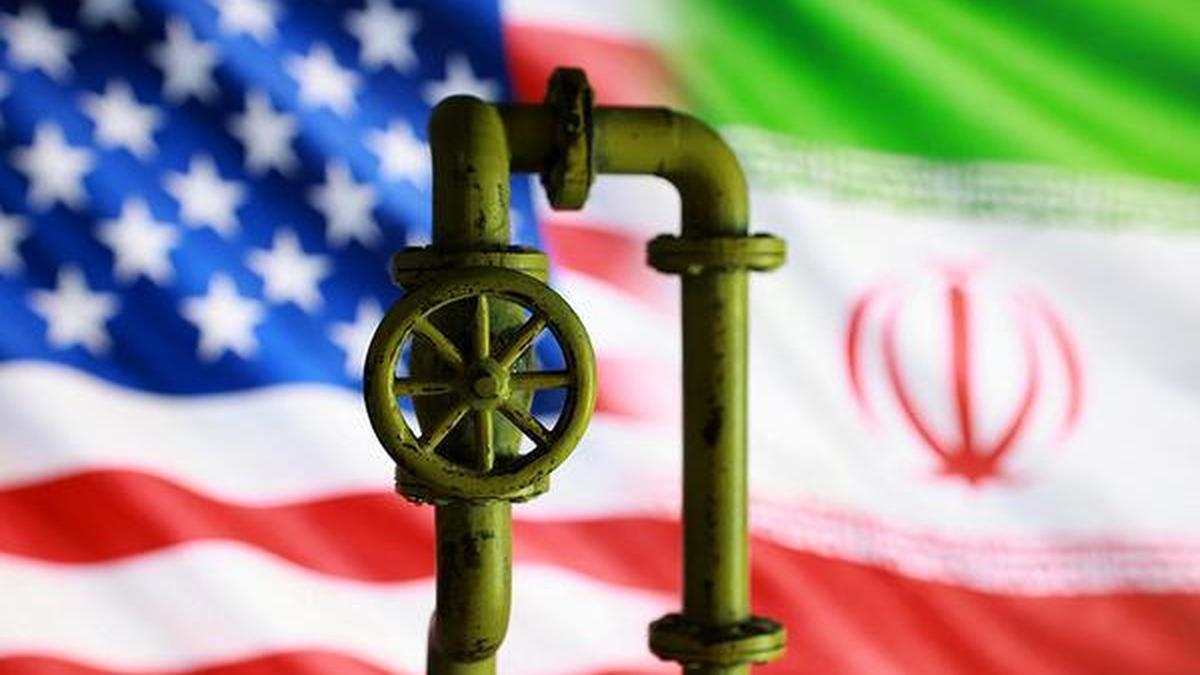
Oil prices edged lower in Tuesday's early trade as Iran and Israel signalled that hostilities had paused for now, although both sides left open the possibility of renewed attacks despite agreeing to halt military action following an appeal from U.S. President Donald Trump.Crude oil price on June 9At about 7:25 am, Brent crude futures lost 0.60%, to $93.72 a barrel, while U.S. West Texas Intermediate crude fell 0.47 cents, or 0.50%, to $90.83a barrel.In the previous session, oil prices had surged as much as 5% after fresh Israeli strikes on Iran and attacks in Lebanon dampened hopes of a quick resolution to the broader conflict. However, gains moderated after Iran's armed forces announced the conclusion of military operations against Israel.Although the latest pause in direct attacks has offered some relief to markets, investors remain unsure that the ceasefire will hold.Both Iran and Israel said they had stopped attacking each other after Trump urged them to immediately "stop 'shooting'". However, Tehran warned it would resume strikes if Israel continued targeting Hezbollah in Lebanon.Israeli Prime Minister Benjamin Netanyahu said in a televised video statement that Israel would respond forcefully if Iran launched fresh attacks. Meanwhile, Trump told Axios in an interview published on Monday that he had warned Netanyahu that he could find himself fighting alone if he chose to return to war with Iran.A major issue in ongoing peace discussions is Washington's push for Tehran to reopen the Strait of Hormuz. Before U.S. and Israeli airstrikes on Iran began at the end of February, roughly one-fifth of global oil supplies passed through the crucial waterway.What’s next for prices?According to Haitong Futures, crude prices could move toward the upper end of their trading range as tightening supply-demand conditions coincide with rapidly falling global oil inventories.Analysts also noted that even if a ceasefire is achieved, shipping activity through the Strait of Hormuz may take months to return to normal. Any damage to energy infrastructure could delay the recovery further.Last month, Saudi Aramco Chief Executive Officer Amin Nasser warned that disruptions in the Strait of Hormuz could delay stability in global oil markets until 2027. He said prolonged disruptions could affect nearly 100 million barrels of oil supply every week. Saudi Aramco remains the world's largest oil producer.Morgan Stanley described the oil market as being in "a race against time", cautioning that the factors that have so far prevented a sharper rise in crude prices may begin to fade if the Strait of Hormuz remains closed through June.The brokerage said stronger U.S. crude exports and weaker Chinese demand have helped absorb part of the supply shock. However, it warned that global supplies could tighten again if the closure of the strategic shipping route persists, particularly if the disruption lasts longer than the period during which the U.S. and China can offset its impact.(Disclaimer: Recommendations, suggestions, views and opinions given by the experts are their own. These do not represent the views of The Economic Times)
Oil Price Today (June 9): Crude oil falls 1% as Israel and Iran pause strikes. Where is liquid gold headed?
Oil prices eased in early Tuesday trading after Iran and Israel indicated a pause in hostilities, reducing immediate concerns over supply disruptions. However, both countries kept the door open for renewed military action despite agreeing to halt attacks following an appeal from U.S. President Donald Trump.
491 words~2 min read