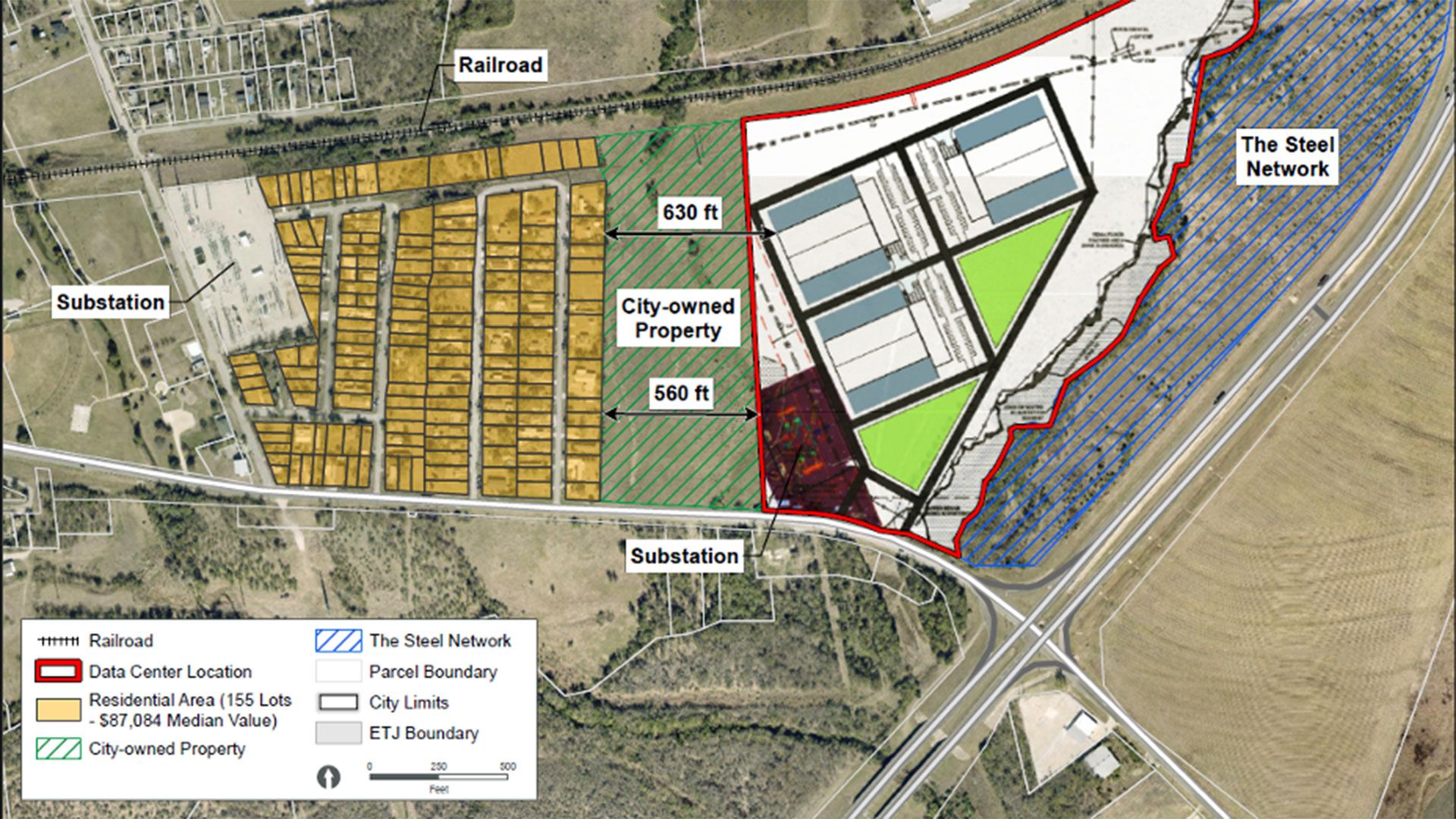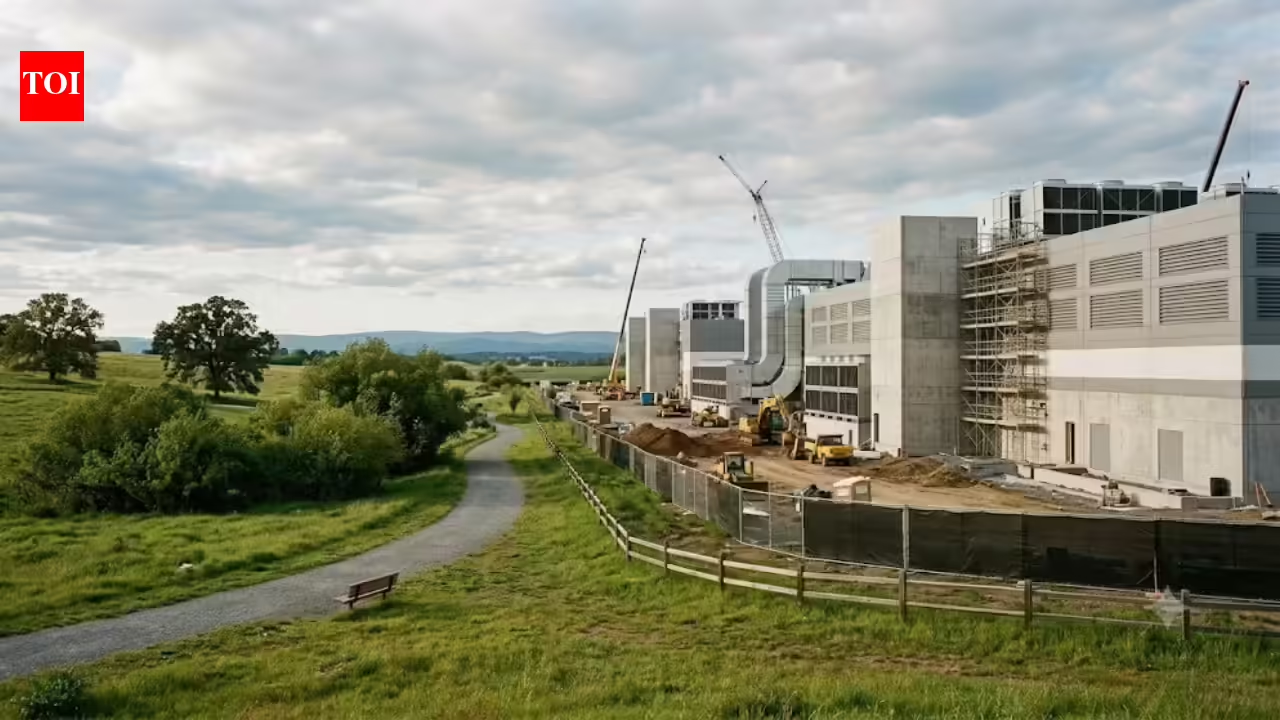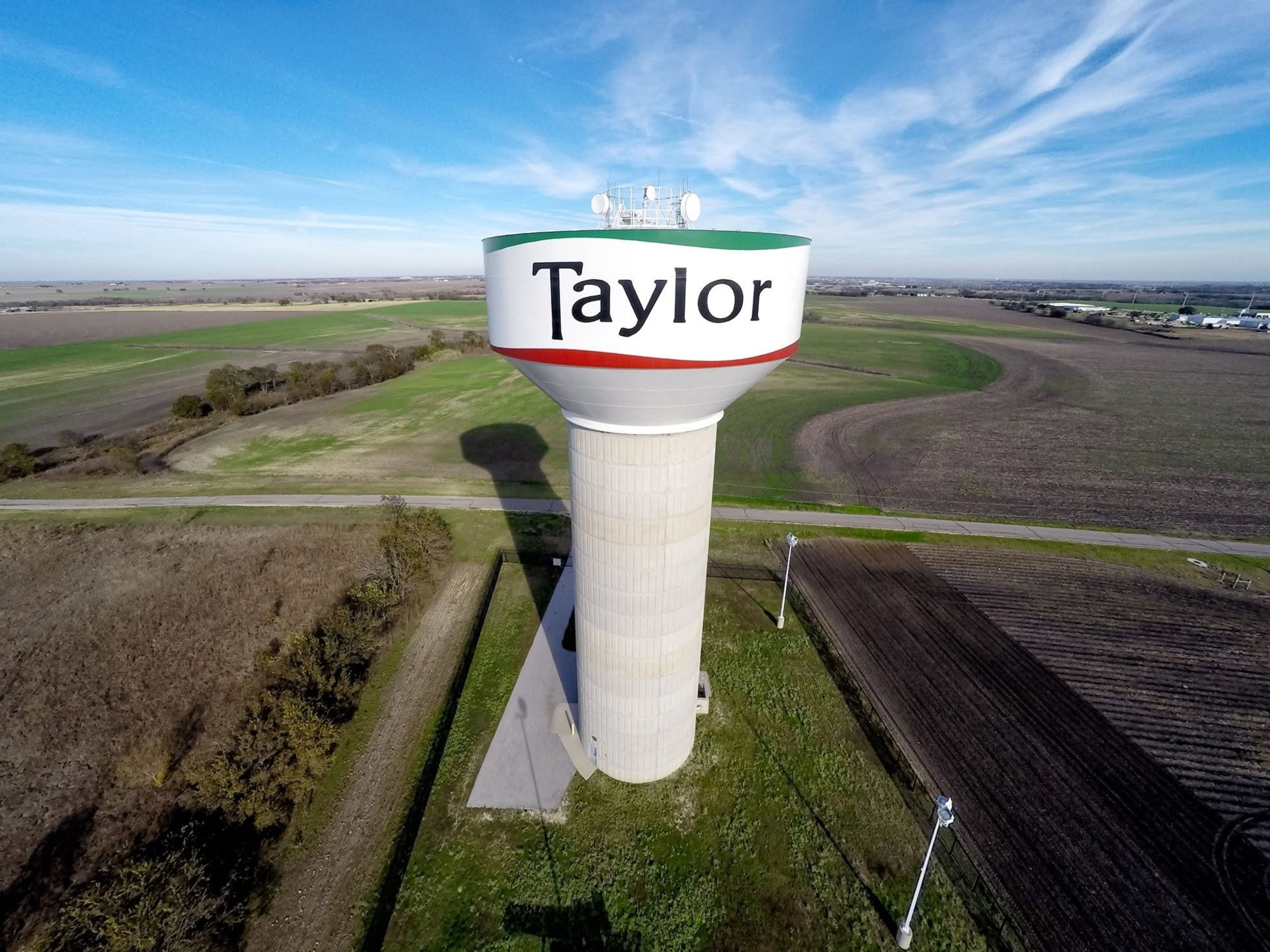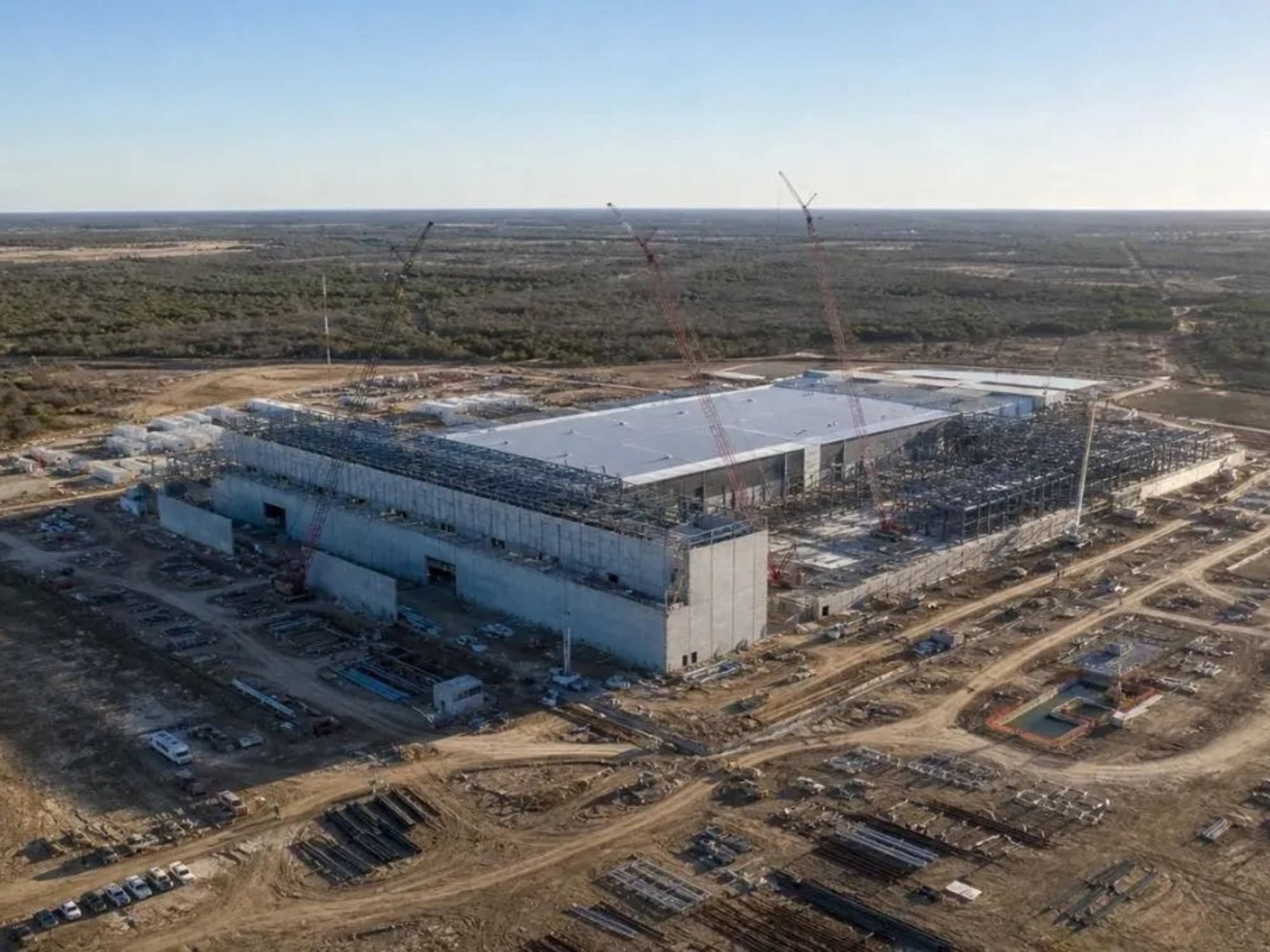
In Akira Kurosawa’s 1952 masterpiece, Ikiru, a lifelong bureaucrat in Tokyo’s Public Works Department is forced to reckon with the life he’s led and the legacy he’ll leave behind after a surprise cancer diagnosis reveals he has less than a year to live. It’s while the protagonist grapples with his impending death that he truly begins to savor living in ways he never had before. Inspired and reinvigorated, the man dedicates his final months of work and life to cutting through the red tape that had been hindering a group of concerned parents who wanted to drain the toxic cesspool their kids were forced to play in and build them a proper public playground in its place. With a BAFTA-winning performance by Takashi Shimura in the lead and a bittersweet-yet-hopeful message about what we leave to our children, it’s no wonder why Ikiru is consistently cited as one of the greatest films of all time. In what can only be described as a “reverse Ikiru,” a plot of land that had been deeded to a city with the stipulation it be turned into a public park is on track to be turned into an environment-destroying blight on the landscape after being sold to a data center developer. As reported by 404 Media, the City of Taylor, Texas, paid a paltry $10 in 1999 to accept a donation of almost 88 acres from the Bland family farm. According to documents reviewed by 404, the conditional language in the original deed granted the land to the “Texas Parks and Recreation Foundation, a Texas non-profit corporation, to be held in trust for future use as parkland by Williamson County, Texas.”
A Farmer Donated Land For a Public Park and the City Sold It to a Data Center Developer for $10 Million
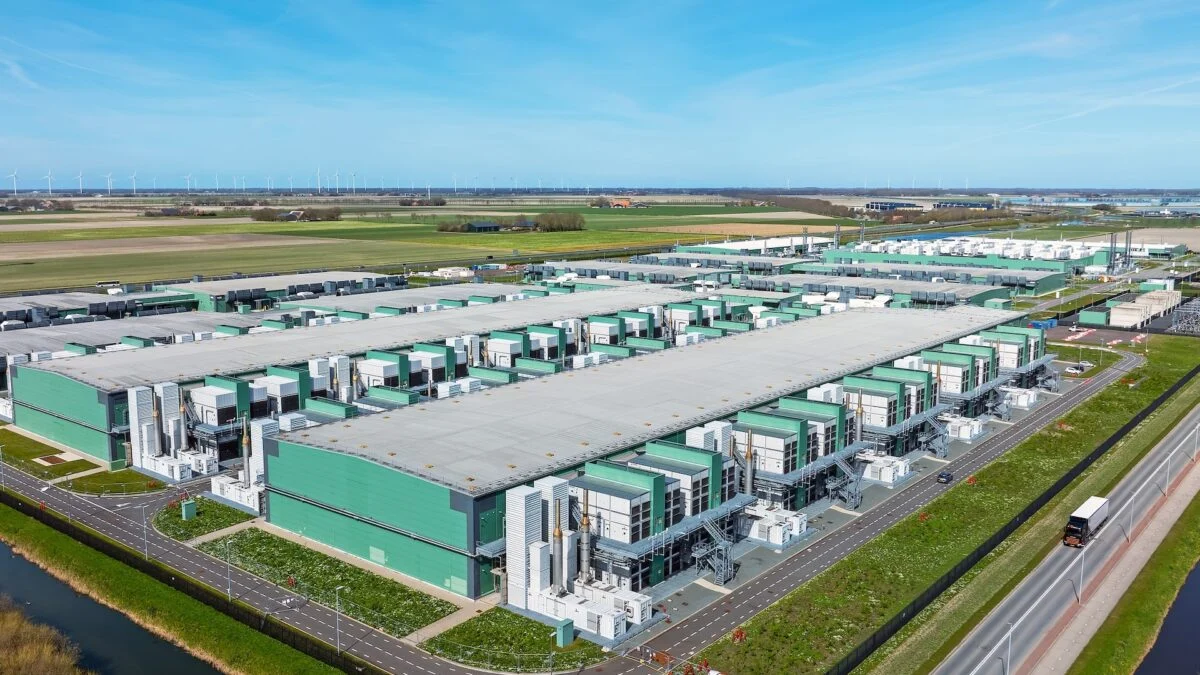
The City of Taylor, Texas, is facing public outcry after residents found out a data center's being constructed on land donated as a public space.
1,008 words~5 min read