Read The Diplomat, Know The Asia-Pacific
China’s reach is extending beyond the First Island Chain. Japan is taking note.
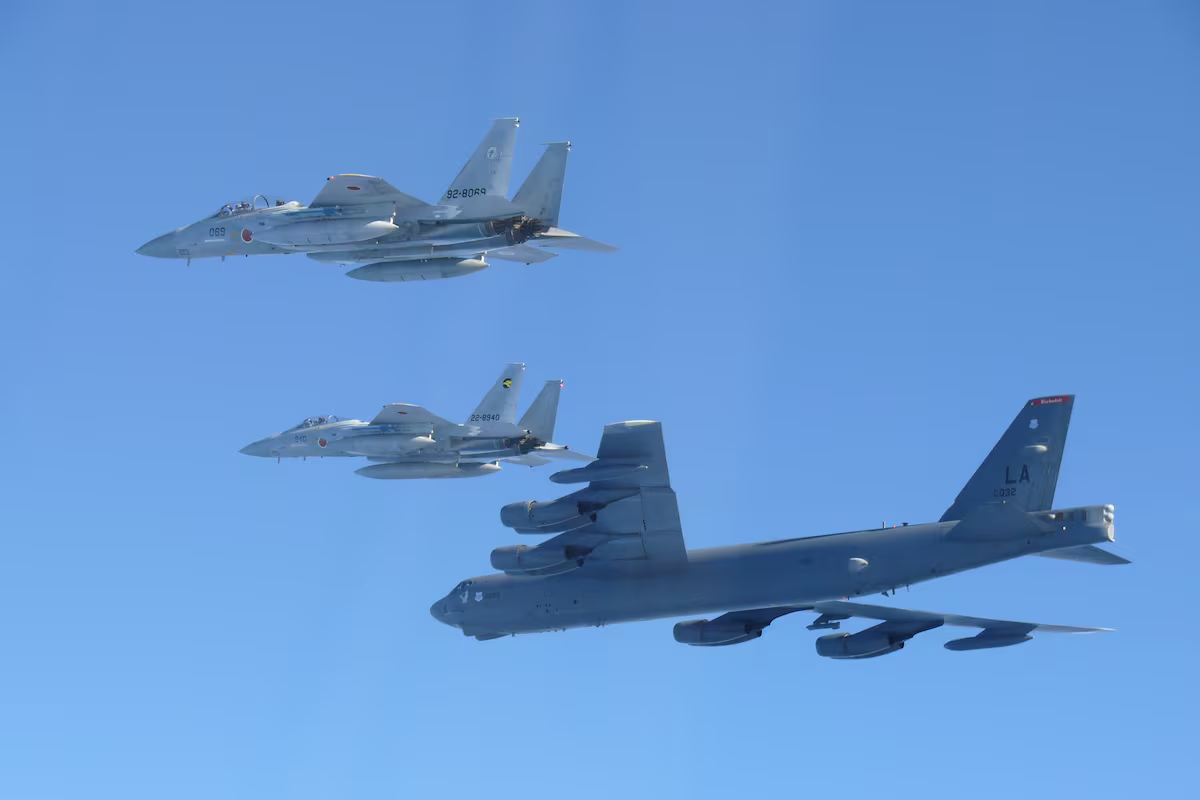
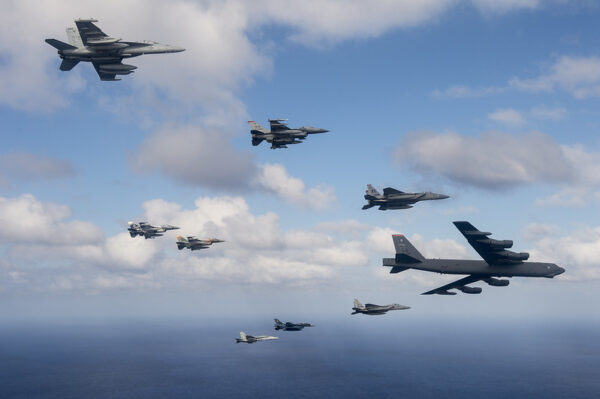
U.S. Air Force, Japan Air Self-Defense Force and Royal Australian Air Force aircraft fly in formation off the coast of Guam during Cope North 15, Feb. 17, 2015.
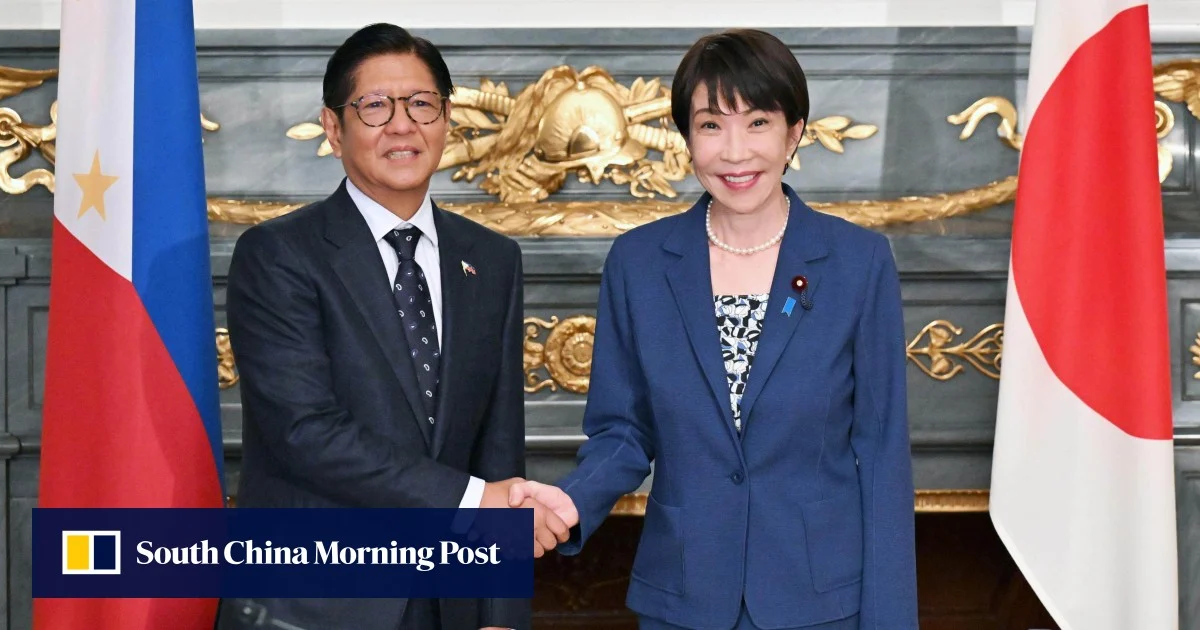
When Japanese Prime Minister Sanae Takaichi made remarks to the Diet about Taiwan on November 7, 2025, China’s reaction was violent. In fact, in its response Beijing has gone beyond mere words; China has since stepped up its military activities around Japan to up the pressure. Even before Takaichi spoke, the People’s Liberation Army Navy (PLAN) had established a three-aircraft-carrier policy and was already more active around Japan. Beijing appears to be using Takaichi’s remarks on Taiwan as a pretext to intensify these moves. Meanwhile, Beijing views Takaichi’s long and relatively close relationship with Taiwanese President Lai Ching-te as representing a bloc promoting Taiwanese independence, and so China is increasing the pressure on Japan accordingly, in the East China Sea and in the waters around Taiwan.
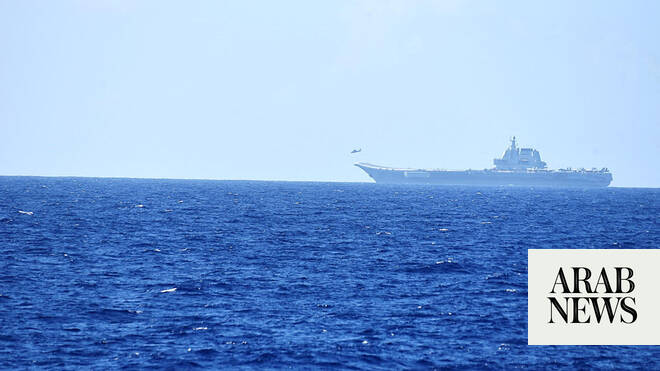
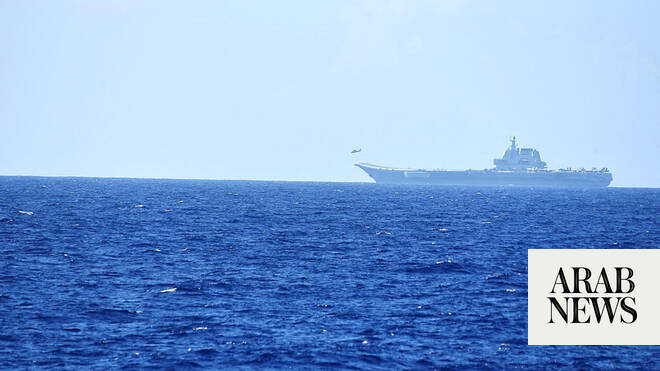
One of the most significant changes in Japan’s security environment over the past year is that Chinese aircraft carrier operations have moved beyond the First Island Chain to expand eastward. A number of research vessels have also been confirmed in the area, and the focus has now shifted to the area between the First and Second Island Chains. Until now, Japan’s security focus has been on the East China Sea, the Taiwan Strait, and the South China Sea. Today, Okinawa and Taiwan are effectively caught between Chinese military forces from both directions. On December 6, 2025, J-15 fighter jets launched from the Chinese aircraft carrier Liaonin intermittently illuminated Japan Air Self-Defense Force F-15s conducting airspace intrusion countermeasures with fire control radar (FCR, a preparatory lock-on status before an attack). This incident also occurred to the east of the First Island Chain.