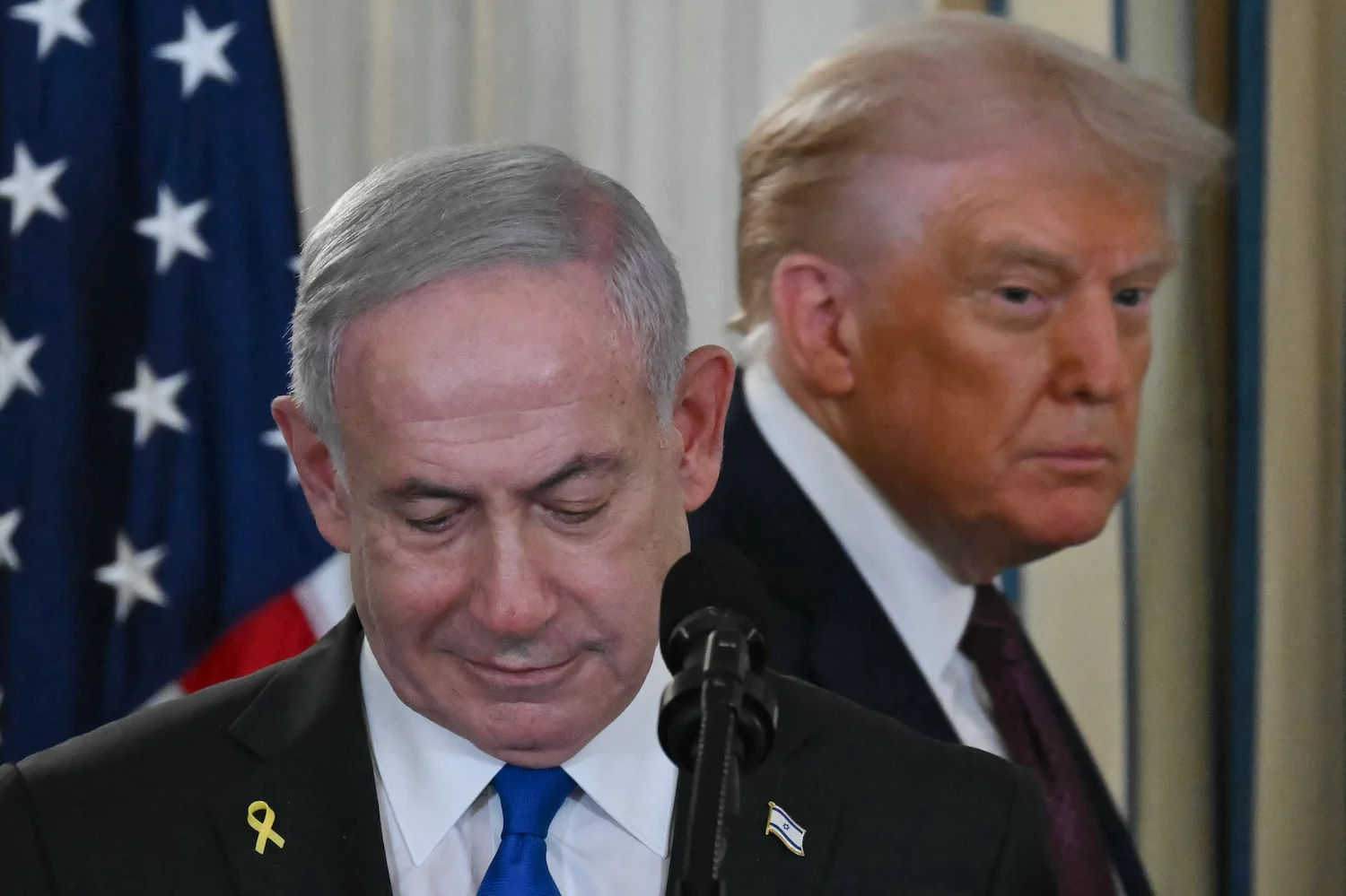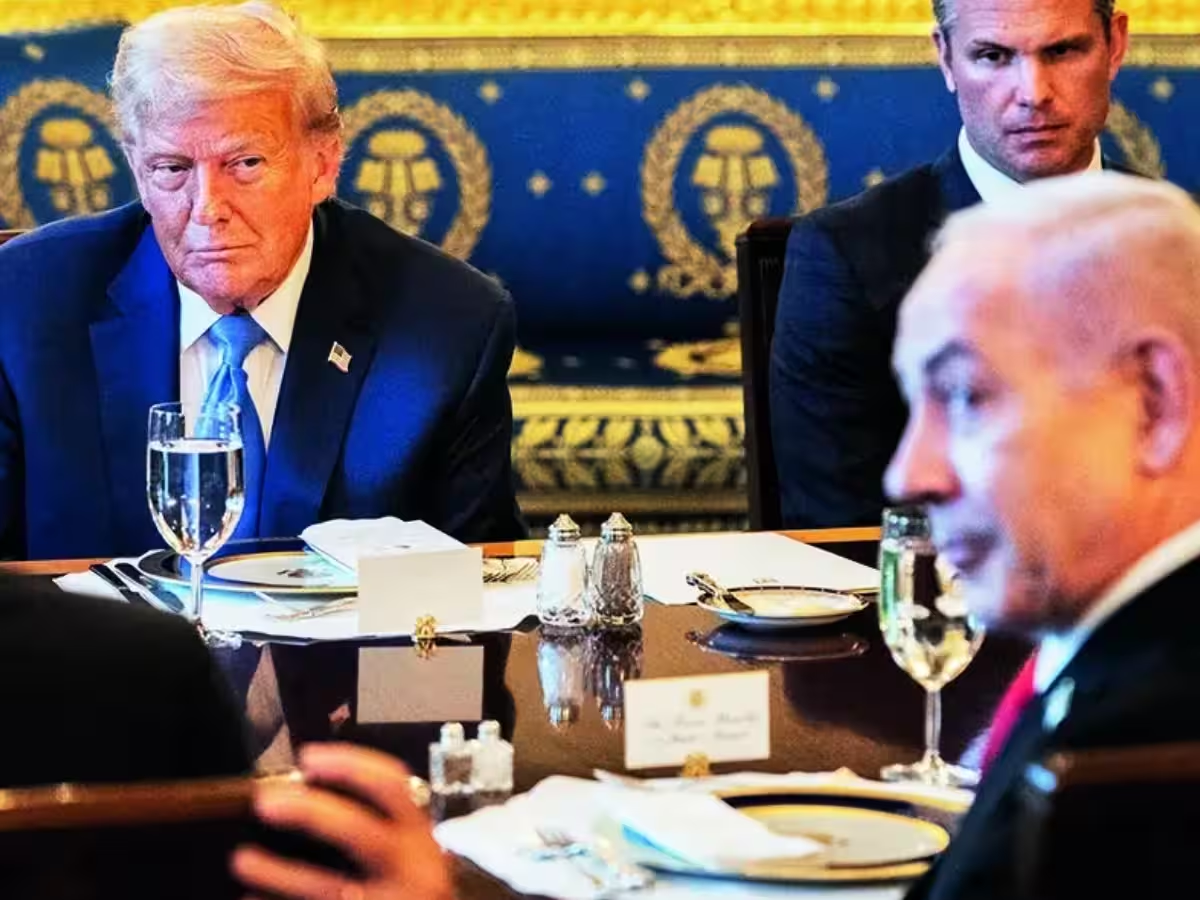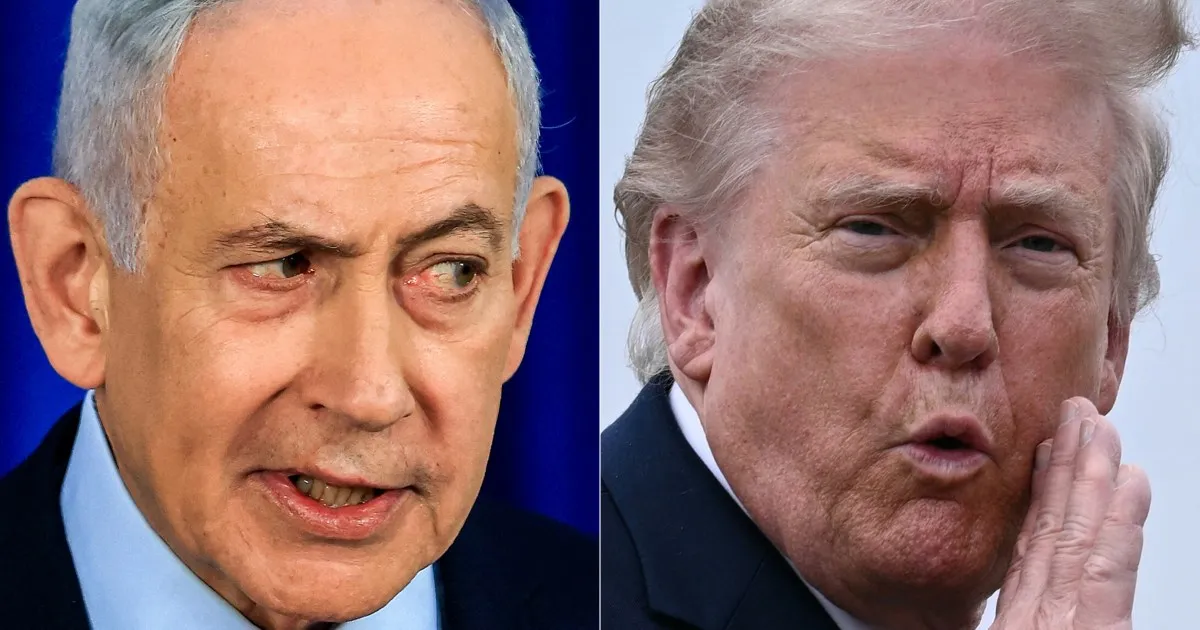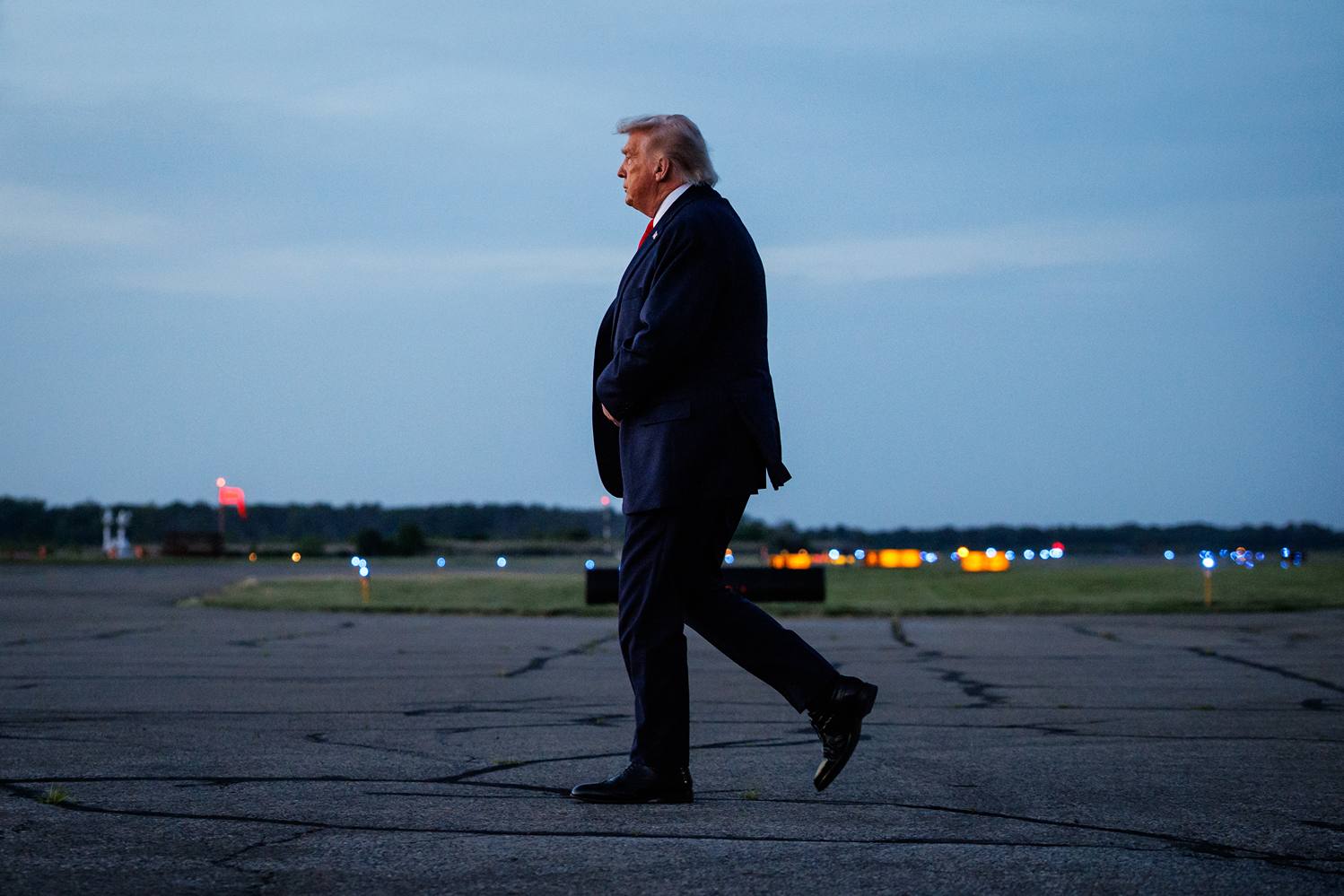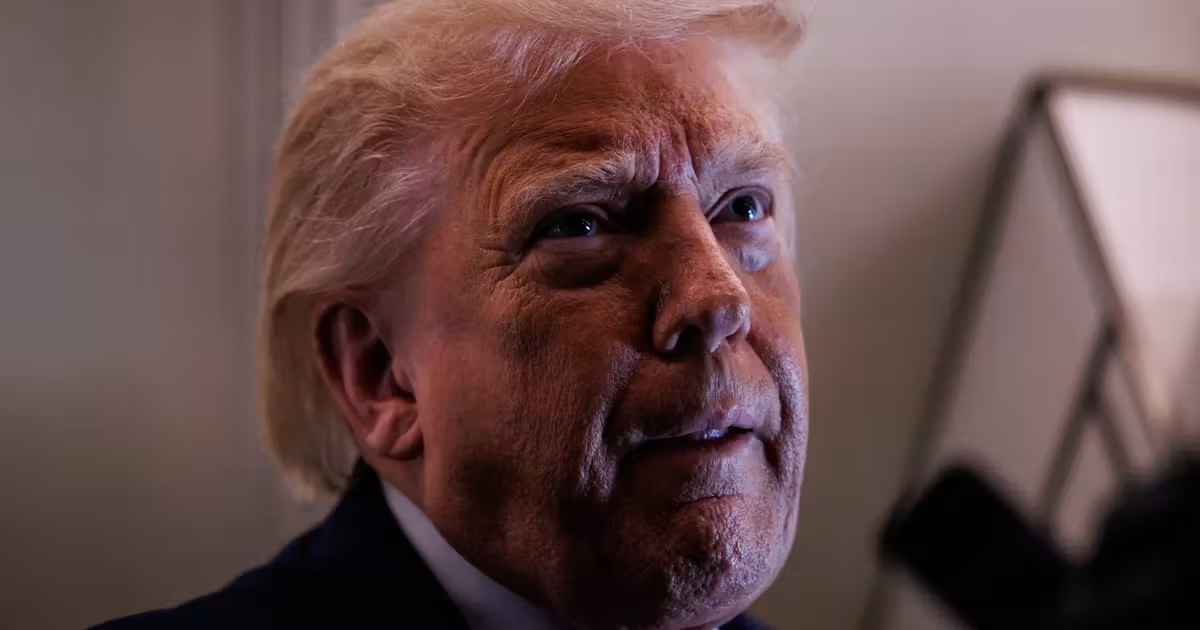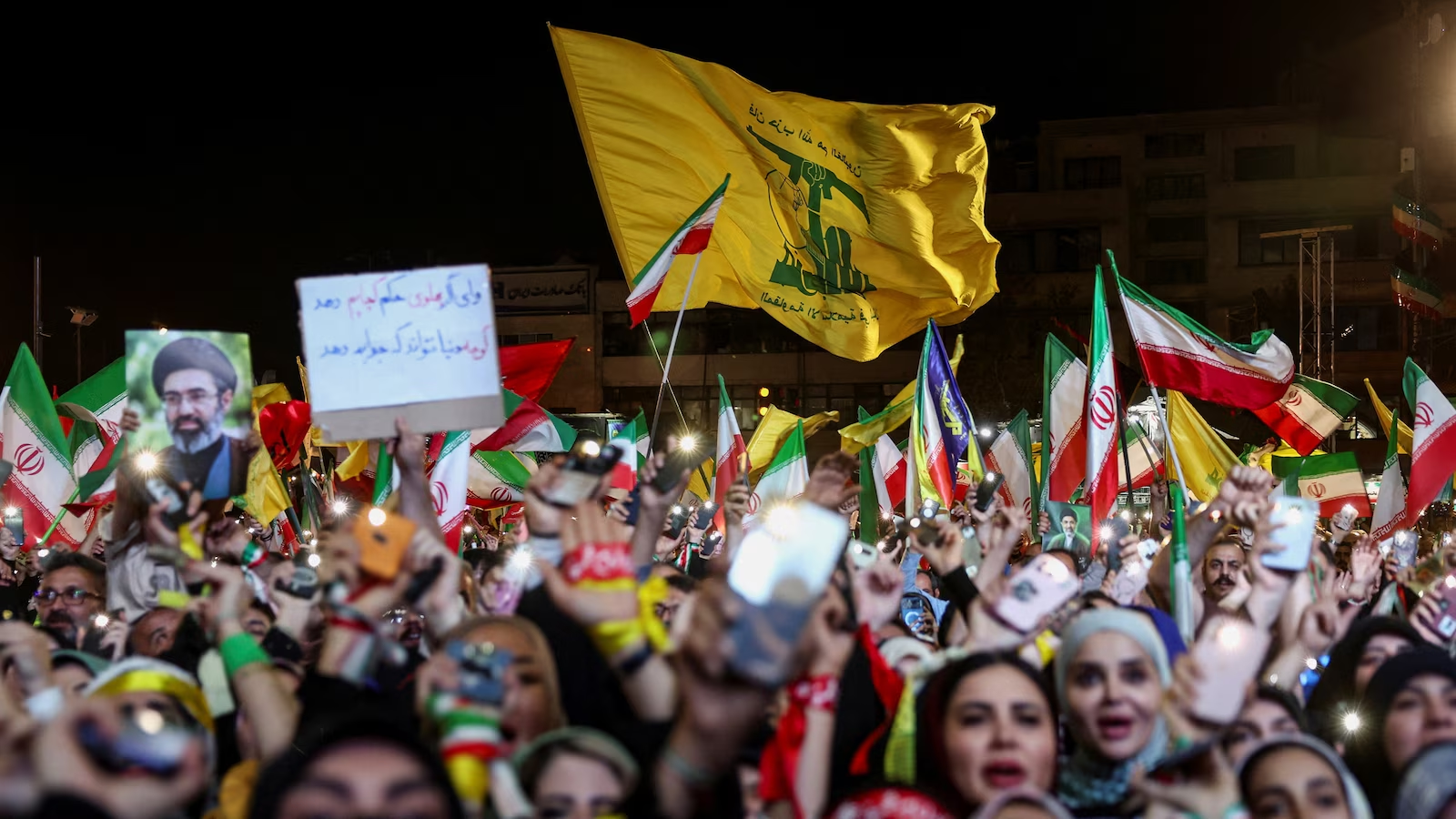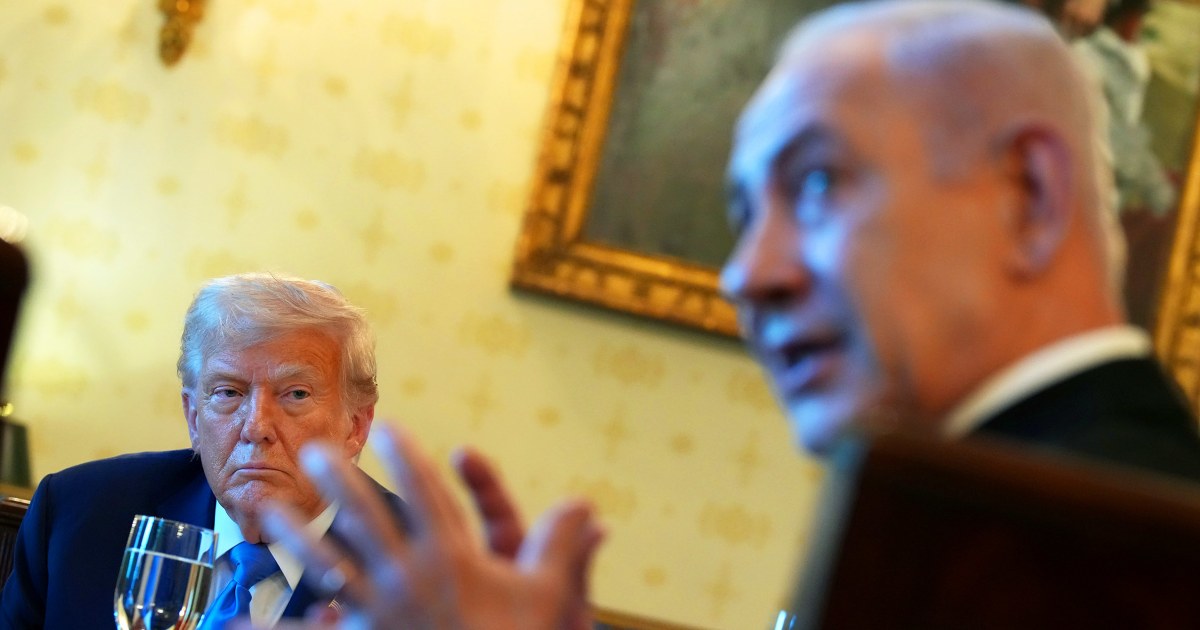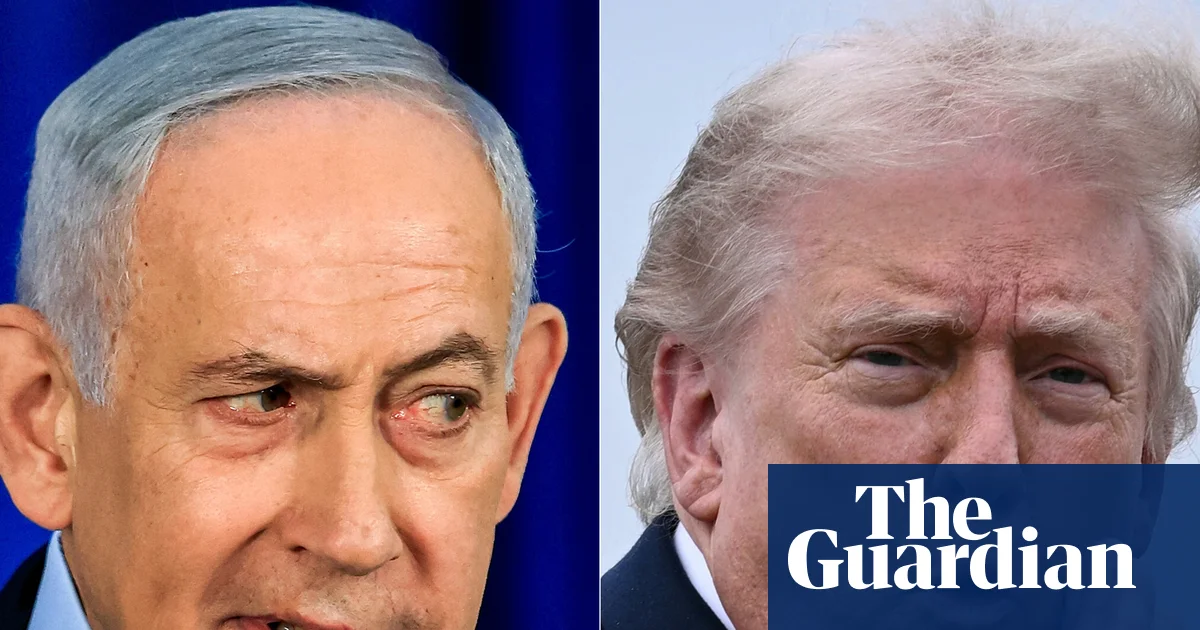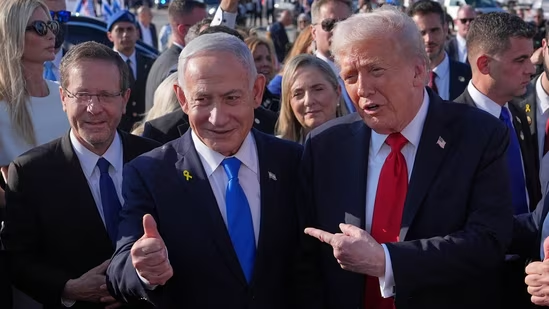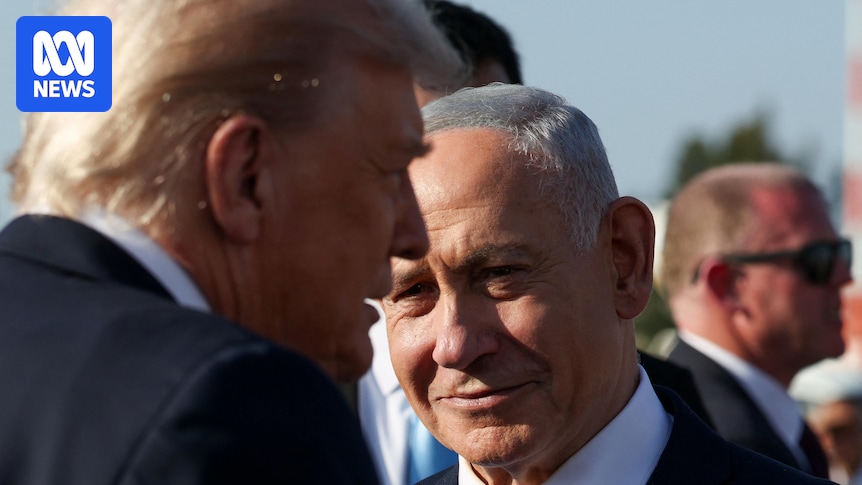
Both Israel and Iran appear to be outsmarting Donald Trump. After dominating American politics for the last 18 months, the US president now confronts his moment of truth: he is in deepening trouble and he doesn't seem to know how to get himself out of it.Trump is a man who likes to be in complete control — and at the moment he is not.The Iran war is the president's worst political problem, and it just won't go away.Neither Israel nor Iran is doing what he wants.Firstly, Israel. Trump is at heart a political animal, and he can see that this war and his support for Israel is becoming an increasing liability.A recent survey by the Pew Research Center found that 60 per cent of US adults now have an unfavourable view of Israel — up from 53 per cent last year.It found that 59 per cent have little or no confidence in Israeli Prime Minister Benjamin Netanyahu to do "the right thing" regarding world affairs.Most concerning for Israel would be the loss of support for Israel among younger Americans. The survey found that the majority of adults under 50 now rate Israel and Netanyahu negatively — in both the Republican and Democrat parties.The share of Americans with "a very unfavourable" view of Israel had almost tripled in four years.A separate poll, by Gallup, found that more Americans now support the Palestinians over the Israelis: 41 per cent say they sympathise more with Palestinians compared to 36 per cent with Israelis.In a country with a long history of supporting Israel and a hitherto powerful Israeli lobby, this is a dramatic change.This would not have been the case before Israel's war in Gaza. After three years of pictures out of Gaza of demolished neighbourhoods and dead and injured children, some Americans are changing their point of view.Israel continues to prevent foreign journalists from having access to Gaza. They take approved journalists on limited tours of the areas they want them to see, but they will not allow the free movement of media through Gaza, even months after a ceasefire has come into force.This means the real story of the Gaza war cannot be told by outside media. Palestinian journalists continue to try to tell the story but at great danger. They have been killed at a faster rate than in any other conflict, according to press freedom advocates.But Americans have also received information about Gaza from prominent aid and humanitarian workers.For example, UNICEF's executive director Catherine Russell last July briefed the UN Security Council in New York, saying that over the first 21 months of war more than 17,000 children had reportedly been killed and 33,000 injured in Gaza."An average of 28 children have been killed each day — the equivalent of an entire classroom," she told the UN. "Consider that for a moment. A whole classroom of children killed, every day for nearly two years."Fiery phone calls show the strainAt the big-picture leadership level, the politics going on at the moment between Washington and Israel are fascinating.Clearly, the White House is angry with Netanyahu.There have been several phone calls between them over the last day, after fighting between Israel and Iran resumed despite a ceasefire.Barak Ravid — an Israeli journalist based in Washington with the Axios news service, who speaks frequently to Trump — says Trump told him "at least five regional countries called him to ask him to stop the Israeli strikes and resume negotiations".Ravid reported that Trump told Netanyahu: "You might find yourself alone against Iran very soon."The relationship between Trump and Netanyahu is not broken, but it is strained.That strain showed in two other phone calls in recent weeks. Significantly, details of the calls were leaked.One was a fiery call in which Trump reportedly told Netanyahu that he was "crazy and ungrateful".Trump said he had helped keep Netanyahu out of jail — a reference to Netanyahu's ongoing corruption charges. Trump has publicly pressured the Israeli president, Isaac Herzog, to do what he can to drop such charges.Axios reported a US official summarising that Trump had told Netanyahu: "You're f*****g crazy. You'd be in prison if it weren't for me."Most interestingly, when asked about the contents of this phone call, Trump confirmed them, but said that rather than angry he had been "a little bit perturbed".The basis for that "perturbed" phone call was Netanyahu's insistence that Israel keep bombing Lebanon. Trump wants that to stop as Iran is making clear that any peace agreement between the US and Iran must also include an end to hostilities in Lebanon. Lebanon is home to Hezbollah, Iran's main military proxy.Incorrect predictionsThere was also an earlier phone call between Vice-President JD Vance and Netanyahu. It was reported as Vance telling the Israeli prime minister that he had been wrong in his pre-war assessments about how quickly the Iranian regime would fall under the weight of combined US and Israeli attacks.Israeli media reported that the Iran conflict was not the only source of anger — Vance had shouted at Netanyahu about the surge in violence by Jewish settlers against Palestinians in the West Bank.Axios reported that, after that phone call, "White House officials started suspecting that some in the Israeli government were trying to smear Vance".At a time when more Americans are concerned about the reported power of the Israeli lobby in the US, any such smear campaign against the vice-president would be high risk.JD Vance has reportedly also clashed with Benjamin Netanyahu. (Nathan Howard/Pool via Reuters)The New York Times carried a forensic analysis of a meeting at the White House in February before Trump decided, with Israel, to attack Iran.While Netanyahu appeared in person, his head of Mossad, David Barnea, appeared from Israel on a screen behind him. Both men argued for an attack on Iran.The paper reported:"In the Situation Room on February 11, Mr Netanyahu made a hard sell, suggesting that Iran was ripe for regime change and expressing the belief that a joint US-Israeli mission could finally bring an end to the Islamic Republic."Mr Netanyahu and his team outlined conditions they portrayed as pointing to a near-certain victory: Iran's ballistic missile program could be destroyed in a few weeks. The regime would be so weakened that it could not choke off the Strait of Hormuz, and the likelihood that Iran would land blows against US interests in neighbouring countries was assessed as minimal."That assessment, of course, was completely wrong. The regime of the Islamic Revolutionary Guard Corps remained in power and, if anything, has become more hardline. And the Strait of Hormuz has indeed been choked off — not just by Iran but also by the US, which has imposed a blockade to ensure no Iranian ships pass.In coming weeks, the world's energy market is set to be severely hit as supplies in many parts of the world dry up. There are predictions that petrol prices in the US will skyrocket.In the weeks leading to Trump's decision to go to war, Vance was reportedly one of the few voices at the cabinet table expressing any doubts about the wisdom of starting a war with Iran.Divergent goalsIt's difficult to tell whether the current tensions will lead to longer-term consequences for the US-Israel relationship.What is clear is that Trump wants Israel's bombing of Lebanon to stop — immediately. What is also clear is that Netanyahu wants the bombing to continue.Netanyahu's argument is that Hezbollah continues to be a threat to Israel on its northern border and that Israel should not have its hands tied when it comes to self-defence.Herein lies the divergence — Trump's major goal is to get Iran's signature on a memorandum of understanding to end the war. That is, he wants a deal.Despite Trump having made his intentions known, Israel continues to bomb, defying the US president.Just as any smear campaign — if one is occurring — against the vice-president is high risk, so is any defiance by Israel of the US.Many of the bombs that Israel is dropping are, after all, supplied by the US. The US gives more than $US3 billion in military aid to Israel each year.Having lived in Israel for six years, one thing was abundantly clear to me: the Israeli public can live with being unpopular or ostracised by various countries around the world, but not the US.It's the one relationship that really matters. Without the US, Israel's security may not be guaranteed.And so despite this vulnerability, Netanyahu is outsmarting Trump in the sense that he's pushing Trump to the limit, straining the relationship with a volatile president but stopping just short of breaking that relationship.Trump, with one phone call, could stop Israel's bombing of Lebanon, Gaza and Iran tomorrow if he really wanted to — by threatening to cut off military aid.Former president Ronald Reagan made such a phone call in 1982, when he rang Israel's then-prime minister Menachem Begin.Smoke rises from an Israeli strike near Tyre in southern Lebanon on June 8. (AFP: Kawnut Haju)Just as this current tension is over Lebanon, so was that. Reagan was watching on television news bulletins in the White House as the number of civilians being killed by Israel in Beirut was growing rapidly.He telephoned Begin with that order: the bombing must stop. Twenty minutes later, Begin rang back to tell Reagan that the bombing would stop.Many in Washington to this day believe that Reagan threatened military aid to Israel, something Reagan was careful at the time not to say. But whatever was said, Israel stopped the bombing.Why can't Trump do what Reagan did and stop these Israeli attacks? Israel has held off some attacks, but gone ahead with others.Trump's apparent inability to completely stop Israel makes him look weak. It also raises the question: Why can't the president of the United States compel one of its allies not to attack a neighbour, particularly one that it finances?Caught in a viceBut just as Israel is outmanoeuvring Trump, so, it seems, is Iran.Iran clearly sees the political pain inflicting Trump. Petrol prices are high, and Americans are increasingly jaded by this very unpopular war.Vance is correct when he says Israel got the predictions for the war wrong.Firstly, the prediction that the regime would be so badly wounded so quickly that it would not have the capability to close the Strait of Hormuz was wrong. As was the suggestion that Tehran's ballistic missile capability would be smashed.That prognosis did not take into account Iran's "Mosaic Defence" strategy — under which it spreads its missiles and military leadership across its vast country in the fashion of a mosaic.The reason this is important is that it means there is no central military or missile headquarters. So despite heavy bombing in the first weeks of the war, the US and Israel have not been able to destroy either military leadership or missiles — they are simply too far spread out and their locations are often difficult to assess.And even Iran appears surprised at the power it now has with control over the Strait of Hormuz.That power is set to grow in coming weeks when supplies in many countries begin to run dry while few if any tankers leave the Middle East.Trump is in a vice. Unless a deal is made soon, both Israel and Iran may be about to turn the screws on that vice and increase the pain the Middle East is causing him.
Netanyahu looks to be pushing Trump to his limits
The US president is in deepening trouble and he does not seem to know how to get himself out of it.
1,893 words~9 min read