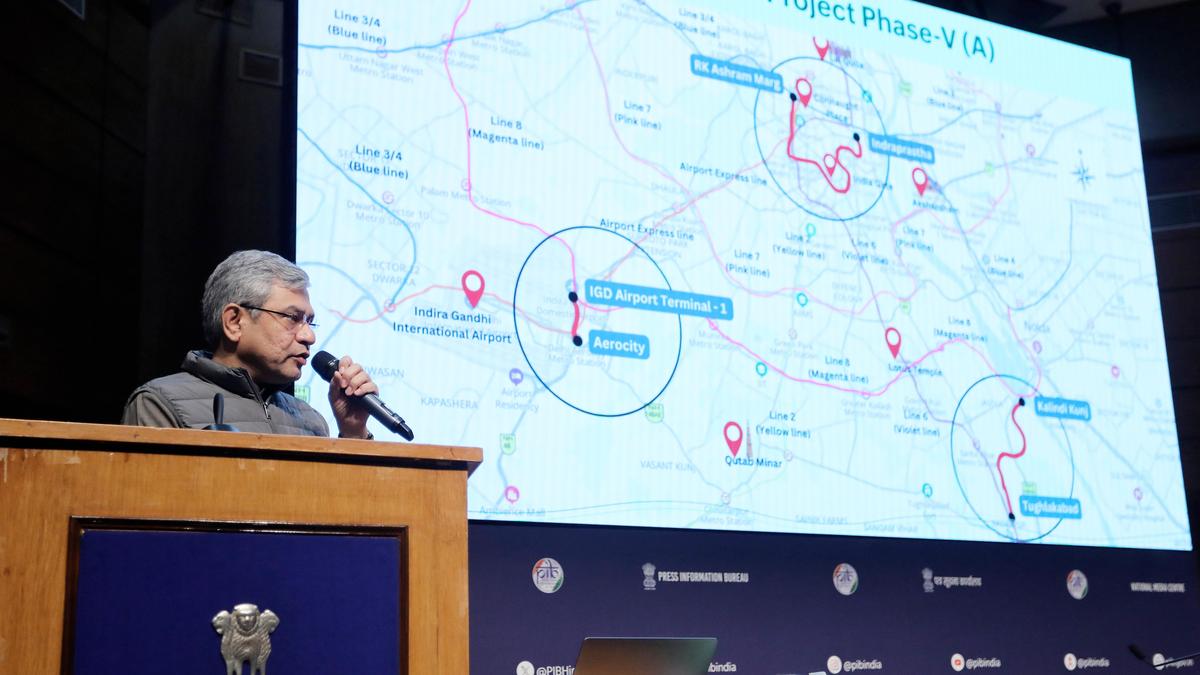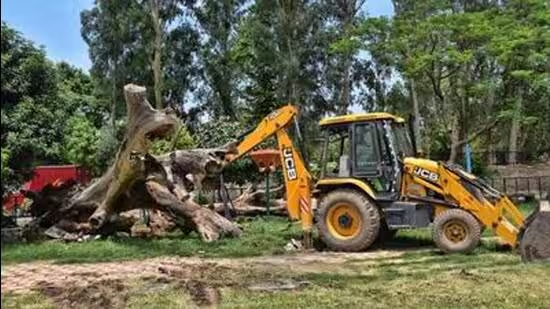
New Delhi: The Delhi Metro Rail Corporation (DMRC) has received approval to fell or transplant 364 trees for the construction of the upcoming Phase V(A) of the metro expansion, which consists of three corridors.According to the order, 336 trees will be transplanted, while the remaining 28, mostly dry, will be felled. (HT Archive)While the DMRC initially sought permission to remove 405 trees, an assessment by the Delhi forest department and the Central Empowered Committee (CEC) resulted in the saving of 41 trees, an official said on Monday.“As per CEC order dated March 25, 41 trees have been saved from the affected trees, reducing the total number of trees affected to 364,” read the permission order, issued by the forest department on May 27.According to the order, 336 trees will be transplanted, while the remaining 28, mostly dry, will be felled. In lieu of this, the DMRC will plant 3,640 native saplings as a compensatory plantation at a 1:10 ratio, proposed at the Aya Nagar-Jaunapur site.In February, the Delhi cabinet had cleared the proposal to build three upcoming corridors under Phase V(A) of the metro expansion, which included a 2.26 km T-1-Aerocity stretch, a 9.9 km RK Ashram-Indraprastha section, also called the Central Vista corridor, and a 3.9 km stretch between Tughlakabad and Kalindi Kunj.Among the tree species to be transplanted are Ashok, Neem, Ficus, Peepal, Banyan, and Bougainvillaea.“Tree transplantation and compensatory plantation site proposed at Aya Nagar-Jaunapur was inspected by concerned field staff and was found suitable. The user agency has deposited a security amount of ₹2.07 crore with the forest department for transplantation or felling of 364 trees. However, the security deposit of ₹1.82 crore will be refunded if the applicant carries out compensatory plantation of indigenous species and successfully maintains the plantation for seven years,” the order read.It added that if the success percentage of the plantation is less than 100%, the amount of the security deposit proportionate to the percentage of failure will be forfeited,, and the forest department will raise a compensatory plantation equal to the number of failed saplings. No interest will be paid on the amount of the security deposit refunded to the applicant.Take a re-lookEnvironmental activist Bhavreen Kandhari opined that underground projects should be prioritised to prevent tree cutting.“Projects should to be underground as much as possible to save trees. The central or state bodies should not limit themselves to counting trees. They must also examine the decisions that led to trees being threatened in the first place,” she said.
DMRC gets nod to fell 364 trees for phase V metro expansion
Delhi Metro Rail Corp gets approval to remove or transplant 364 trees for Phase V(A) expansion, planting 3,640 saplings as compensation. | Latest News Delhi
417 words~2 min read