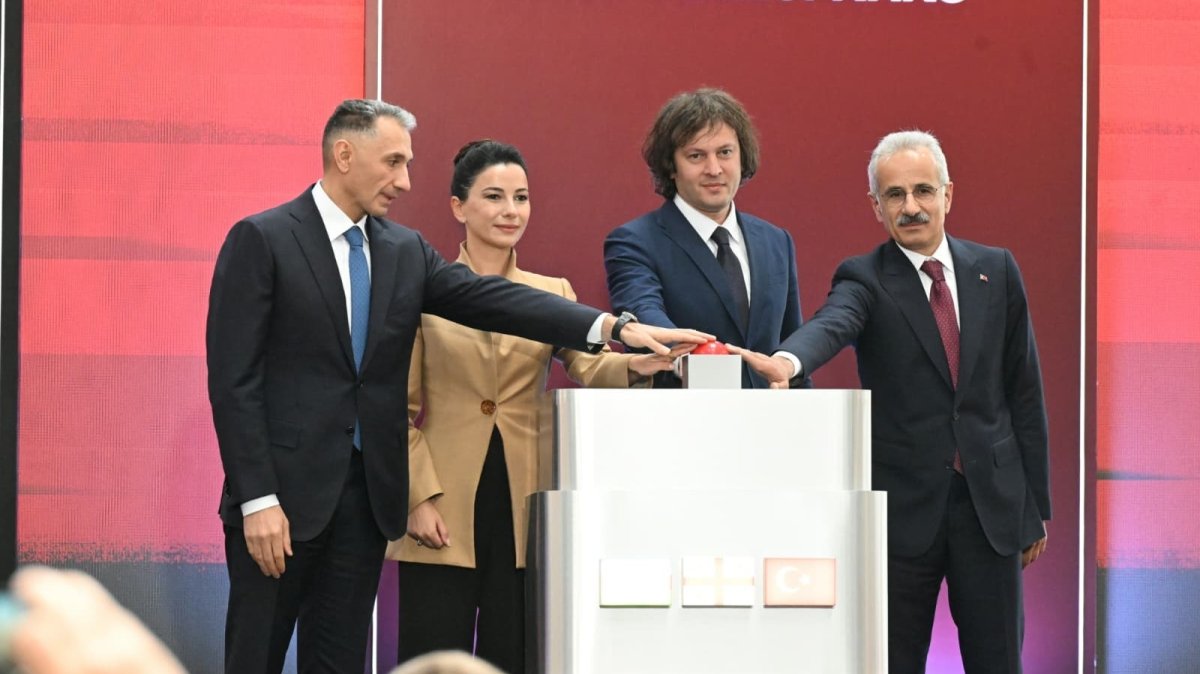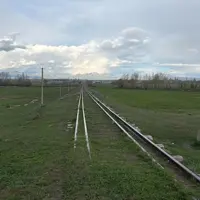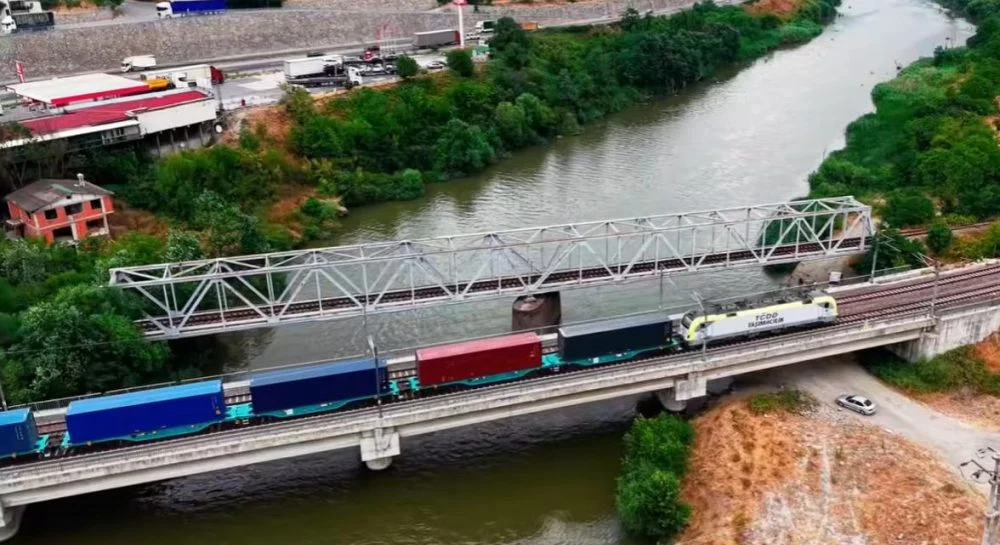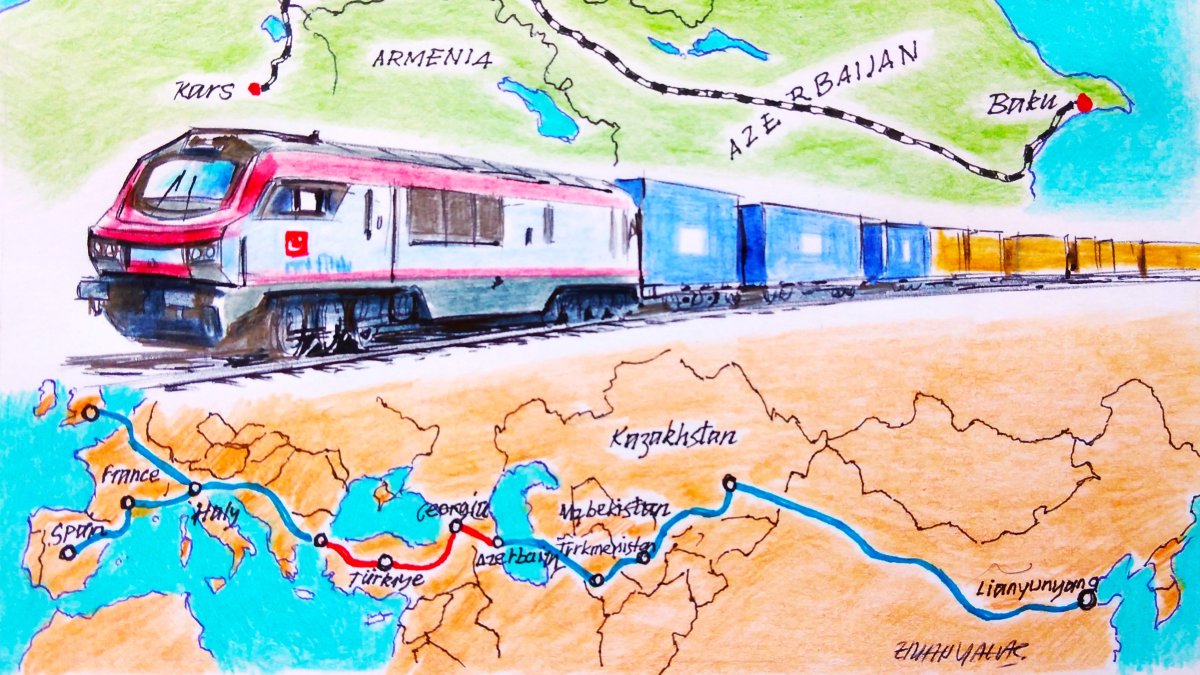
The official commissioning of the modernized Baku-Tbilisi-Kars (BTK) railway at the Akhalkalaki Railway and Logistics Complex in Georgia marks a significant milestone not only for Azerbaijan, Georgia and Türkiye, but also for the broader architecture of Eurasian connectivity.
More than a decade after its inauguration in 2017, the BTK railway has entered a new stage of development, transforming from a regional transport initiative into one of the most strategically important components of the Trans-Caspian International Transport Route (TITR), commonly known as the Middle Corridor.
The completion of modernization works and the fivefold increase in the railway’s annual freight capacity from 1 million tons to 5 million tons come at a critical moment when global supply chains are undergoing profound restructuring. Rising international conflicts, disruptions along trade routes, and growing demand for diversified transit corridors have increased the importance of East-West transport networks connecting Asia and Europe.
In this context, the BTK railway is no longer merely a transportation link between three countries. It is increasingly emerging as a strategic logistics artery with the potential to reshape regional trade patterns across Eurasia.