Show Caption
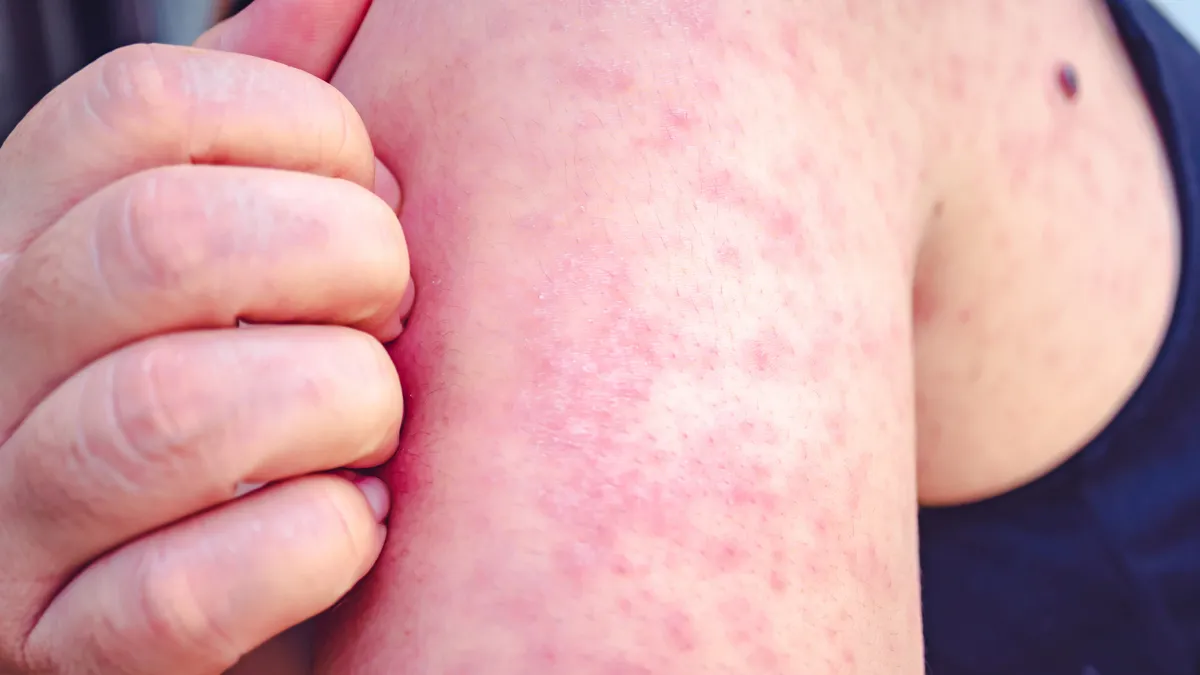
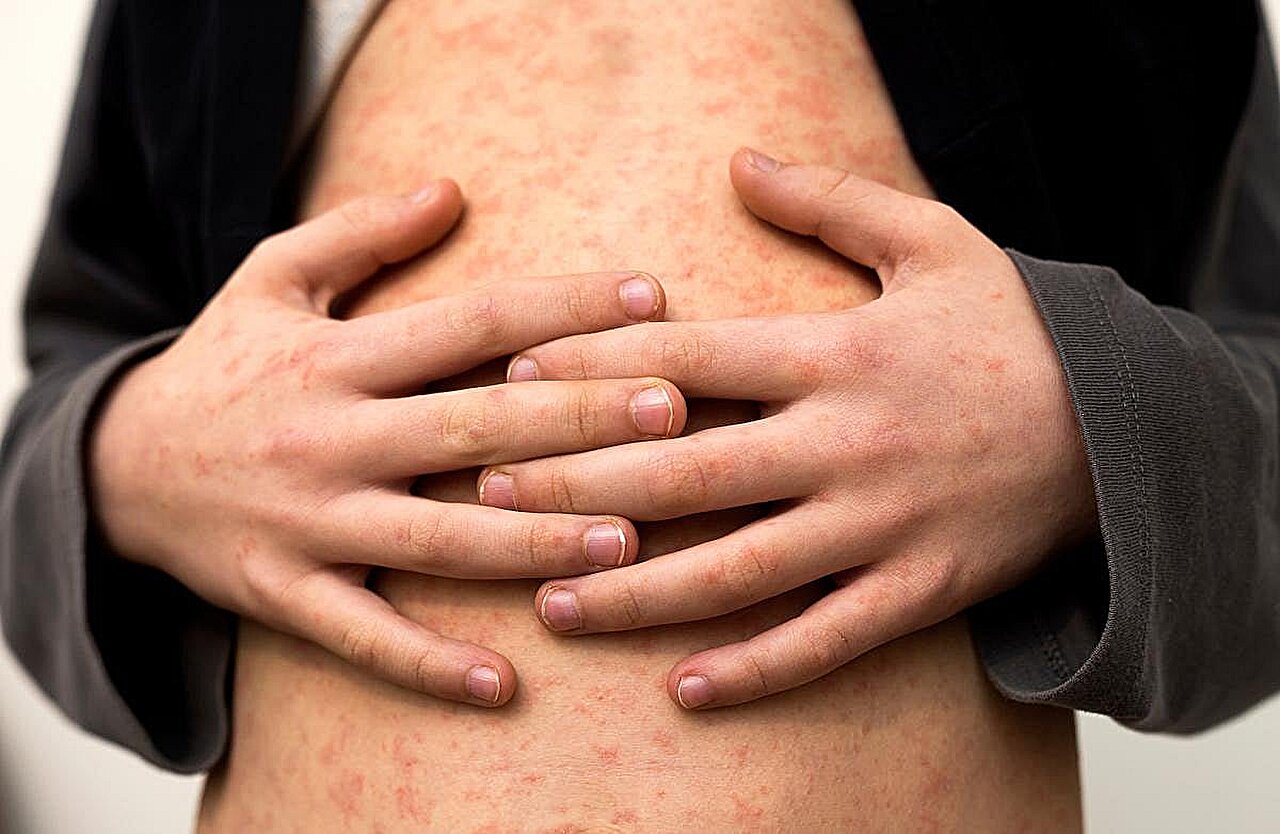
Six months into the year, 2026 is on track to set the record for the highest number of measles cases recorded in the United States since the highly contagious disease was eliminated from the country nearly three decades ago.As of June 4, approximately 2,030 measles cases from 30 separate outbreaks have reached 38 states and Washington, DC, since the beginning of 2026, according to the Centers for Disease Control and Prevention, resulting in at least 127 hospitalizations. The majority, 92%, occurred in unvaccinated people and 72% occurred in children aged 19 and younger.With half a year left to go, 2026 is set to blow 2025 out of the water at this pace.Cases previously reached a 30-year high in 2025, with 2,242 confirmed infections across 45 jurisdictions for the entire year. Nearly 90% of cases were directly linked to 45 known outbreaks, and 93% of infections were contracted by unvaccinated people or those with an unknown vaccination status. Three people, including two children, died as a result of the outbreaks, marking the first pediatric death from measles in a decade.Here's what to know as 2026 cases rapidly march toward a new, grim milestone.Measles cases by stateAs of June 4, 2026, 2,030 confirmed measles cases were reported in the United States. Ten of those were from international travelers. The remaining 2,020 occurred in 38 states plus Washington, DC.AlaskaArizonaCaliforniaColoradoDistrict of ColumbiaFloridaGeorgiaIdahoIllinoisKansasKentuckyLouisianaMaineMarylandMassachusettsMichiganMinnesotaMissouriMontanaNebraskaNew JerseyNew MexicoNew YorkNorth CarolinaNorth DakotaOhioOklahomaOregonPennsylvaniaRhode IslandSouth CarolinaSouth DakotaTexasUtahVermontVirginiaWashingtonWisconsinWyomingWhat is measles, and how do you get it?Measles is a highly contagious, vaccine-preventable disease caused by a virus that primarily and most severely afflicts children. According to the World Health Organization, it infects the respiratory tract before spreading throughout the body. It is characterized by high fever, cough, runny nose, watery eyes and rashes or bumps that appear seven to 14 days after exposure.The virus is one of the most contagious infectious diseases; so contagious, in fact, that 90% of unvaccinated people who are exposed end up contracting it. Additionally, 1 in 5 of those people end up hospitalized, according to the CDC.The MMR vaccine (measles, mumps and rubella) protects against measles with 97% efficacy, and is typically administered to children as part of the regular vaccine course at ages 12 to 15 months for the first dose and ages 4 to 6 for the second.Why are measles cases on the rise?MMR vaccination uptake has declined in recent years, resulting in a growing number of states no longer reporting rates consistent with herd immunity. When more than 95% of people in a community are vaccinated, most people are protected, even if they cannot get the vaccine themselves, because those around them are immune and cannot spread the disease.Vaccination coverage among U.S. kindergartners decreased from 95.2% during the 2019–2020 school year to 92.5% in the 2024–2025 school year, well under the threshold necessary for effective herd immunity, according to the CDC.Outbreaks, like the large one focused in Texas in 2025, often occur within communities with large pockets of unvaccinated people. A small, under-vaccinated Mennonite community was at the center of last year's largest outbreak, for example.Declining protections have also been attributed to the growing anti-vaccine movement, which was bolstered by the confirmation of vaccine skeptic Robert F. Kennedy Jr. as health secretary. In addition to making anti-vaccine comments, Kennedy also downplayed pediatric deaths related to measles and touted false cures and preventives, such as the use of vitamin A. During the height of the 2025 outbreak, he somewhat pulled back from anti-vaccine messaging and encouraged inoculation against measles.Plummeting vaccination rates and the resulting resurgence in cases have put the United States at risk of losing its measles elimination status. Defined by the WHO as freedom from the continuous spread of a disease for at least a year, reaching elimination status has been called a "historic public health achievement" by the CDC.The Pan American Health Organization, a part of the World Health Organization that tracks infectious diseases in the Americas, is set to review the U.S. and Mexico's measles elimination status in November (pushed from the originally planned April). The U.S. review stems from the 2025 outbreaks, the organization said in a statement. PAHO already removed Canada's elimination status in November after three decades.