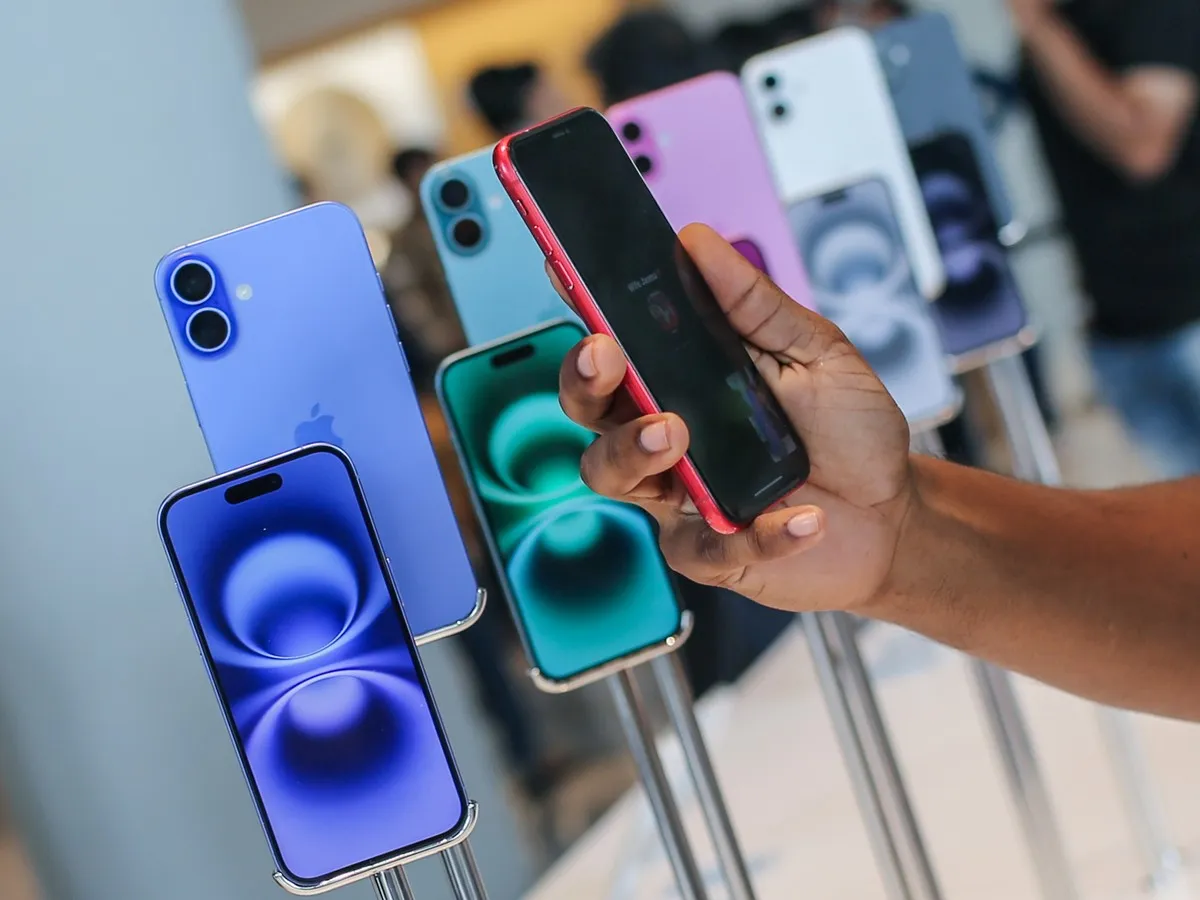
Skip to Content Subscribe Our Offers My Account Manage My Subscriptions FAQ Newsletters Canada Canadian True Crime Canadian Politics Health World Israel & Middle East Financial Post NP Comment Longreads Puzzmo Diversions Comics NP News Quiz New York Times Crossword Horoscopes Life Eating & Drinking Style Sponsored Play for Ontario Travel Travel Canada Travel USA Travel International Cruises Travel Essentials Culture Books Celebrity Movies Music Theatre Television Business Essentials Advice Lives Told Tails Told Shopping Buy Canadian Home Living Outdoor Living Kitchen & Dining Tech Style & Beauty Personal Care Entertainment & Hobbies Gift Guide Travel Guide Amazon Prime Day Deals Savings National Post Store More Sports Hockey Baseball Basketball Football Soccer Golf Tennis Driving Vehicle Research Reviews News Gear Guide Obituaries Place an Obituary Place an In Memoriam Classifieds Place an Ad Celebrations Working Business Ads Archives Healthing Epaper Manage Print Subscription Profile Settings My Subscriptions Saved Articles My Offers Newsletters Customer Service FAQ Newsletters Canada World Financial Post NP Comment Longreads Puzzmo Diversions Life Shopping Epaper Manage Print Subscription HomeHealthFamily & ChildA new kind of birth control: iPhones could be to blame for declining fertility, says studyThe researchers say iPhone use reduces socializing, provides more access to information about contraception, and gives more access to pornography You can save this article by registering for free here. Or sign-in if you have an account.Apple iPhone 16 smartphones at the Apple Inc. BKC store in Mumbai, India, on Friday, Sept. 20, 2024. Photo by Dhiraj Singh /BloombergA new research paper has suggested that iPhones could be to blame for declining fertility rates.Enjoy the latest local, national and international news.Exclusive articles by Conrad Black, Barbara Kay and others. Plus, special edition NP Platformed and First Reading newsletters and virtual events.Unlimited online access to National Post.National Post ePaper, an electronic replica of the print edition to view on any device, share and comment on.Daily puzzles including the New York Times Crossword.Support local journalism.Enjoy the latest local, national and international news.Exclusive articles by Conrad Black, Barbara Kay and others. Plus, special edition NP Platformed and First Reading newsletters and virtual events.Unlimited online access to National Post.National Post ePaper, an electronic replica of the print edition to view on any device, share and comment on.Daily puzzles including the New York Times Crossword.Support local journalism.Create an account or sign in to continue with your reading experience.Access articles from across Canada with one account.Share your thoughts and join the conversation in the comments.Enjoy additional articles per month.Get email updates from your favourite authors.Create an account or sign in to continue with your reading experience.Access articles from across Canada with one accountShare your thoughts and join the conversation in the commentsEnjoy additional articles per monthGet email updates from your favourite authorsSign In or Create an AccountorThe paper, published by the National Bureau of Economic Research, notes that the fertility rate in the U.S. has fallen by 22 per cent since 2007, when the first iPhone went on sale in the country. The researchers say this decline can’t be explained by economic conditions, contraceptive use, housing or childcare costs, or other commonly cited factors.For Canada, a recent decline in births is also stark, with the country hitting a record-low fertility rate of 1.25 children per woman in 2024, putting it on the ultra-low fertility list — below 1.30 — alongside Japan, Singapore and Spain.Until 2011, the iPhone was only available in the U.S. to subscribers of AT&T, allowing the researchers to compare birth rates in counties with near-universal AT&T coverage to counties with little or none in the four years since the first iPhone’s release.Their findings suggest a striking relationship between iPhone access and declining birth rates.Teen births declined by 13.8 per cent in counties without AT&T coverage, compared to steeper declines of 18.9 per cent in counties with partial coverage and 26 per cent in counties with near-universal coverage.Births to women in their twenties fell by 10 per cent in counties without coverage, but by 14.6 per cent in counties with extensive coverage. Among women in their thirties, births rose by 3.8 per cent in counties without AT&T coverage but fell by 1.2 per cent in counties with extensive coverage.The researchers therefore suggest that access to the iPhone reduced births among women under 30 and suppressed the rise in births among older women.After taking into account other forces that may have caused fertility rates in urban areas to decline more than those in rural areas, the researchers imply that iPhone access reduced births by 4.5 to eight per cent among those aged 15 to 19, and by 3.2 to 6.6 per cent among those aged 20 to 24.The researchers concluded: “The diffusion of the iPhone explains 33–52 per cent of the decline in the general fertility rate among women aged 15–44.”As for why exactly this is, the researchers present three candidates. iPhone use reduces in-person interactions, provides more access to information about contraception and abortion, and provides more access to pornography.Essentially, the smartphone is an unofficial form of contraceptive.The theory is bolstered by results from previous studies, one of which, published in the American Economic Review, found that a four-week Facebook deactivation increases offline socializing with family and friends.Another study, published in the scientific journal Child Development, found that fewer adolescents in recent years engaged in adult activities such as having sex, dating, drinking alcohol, working for pay, going out without their parents, and driving, and suggested a link to increased Internet use.The researchers also used Google data to track the popularity of the search query “porn” and found that it more than doubled over the study period, while respondents to the University of Chicago’s General Social Survey who said they had watched an X-rated movie in the past year rose at every age between 25 and 44 between 2000 and 2018.Meanwhile, declining birth rates have led to a fertility crisis in both Canada and the U.S., and Western countries in general are not producing children near the replacement level for a modern society, which relies on young workers to cover the costs of older generations.Other researchers have pointed to housing costs, childcare costs, and women choosing to have their first child later, along with several other factors, but the National Bureau of Economic Research paper points to just one possible answer: declining fertility is less about the cost of raising a child and more about whether the relationships and sexual activity that produce children are forming at all.“We do not claim that the iPhone is the sole cause of the post-2007 decline,” the researchers write, “(but) our estimates imply that the introduction of the modern smartphone played a sizable role in the decline in U.S. births.”They add: “If so, the policy instruments to which governments have committed the largest sums — cash transfers, tax credits, subsidized childcare, extended parental leave — do not, on their own, address the behavioral shift our estimates suggest is at work.”Our website is the place for the latest breaking news, exclusive scoops, longreads and provocative commentary. Please bookmark nationalpost.com and sign up for our newsletters here. Join the Conversation This website uses cookies to personalize your content (including ads), and allows us to analyze our traffic. Read more about cookies here. By continuing to use our site, you agree to our Terms of Use and Privacy Policy.
A new kind of birth control: iPhones could be to blame for declining fertility, says study
The research notes that iPhones reduce socializing, provide more access to information about contraception, and more access to pornography.
1,216 words~6 min read